Chimney cleaning companies · Buyer persona
Write down who books: the cook, the family head or the restaurant owner.
A buyer persona for a chimney cleaning company describes who decides to book, what starts the search and what they fear. GullySales builds one persona for each kind of kitchen you serve, from your own enquiries and bookings.
Scope, fee, reporting and term are agreed in writing after we have read your brief and spoken to you.
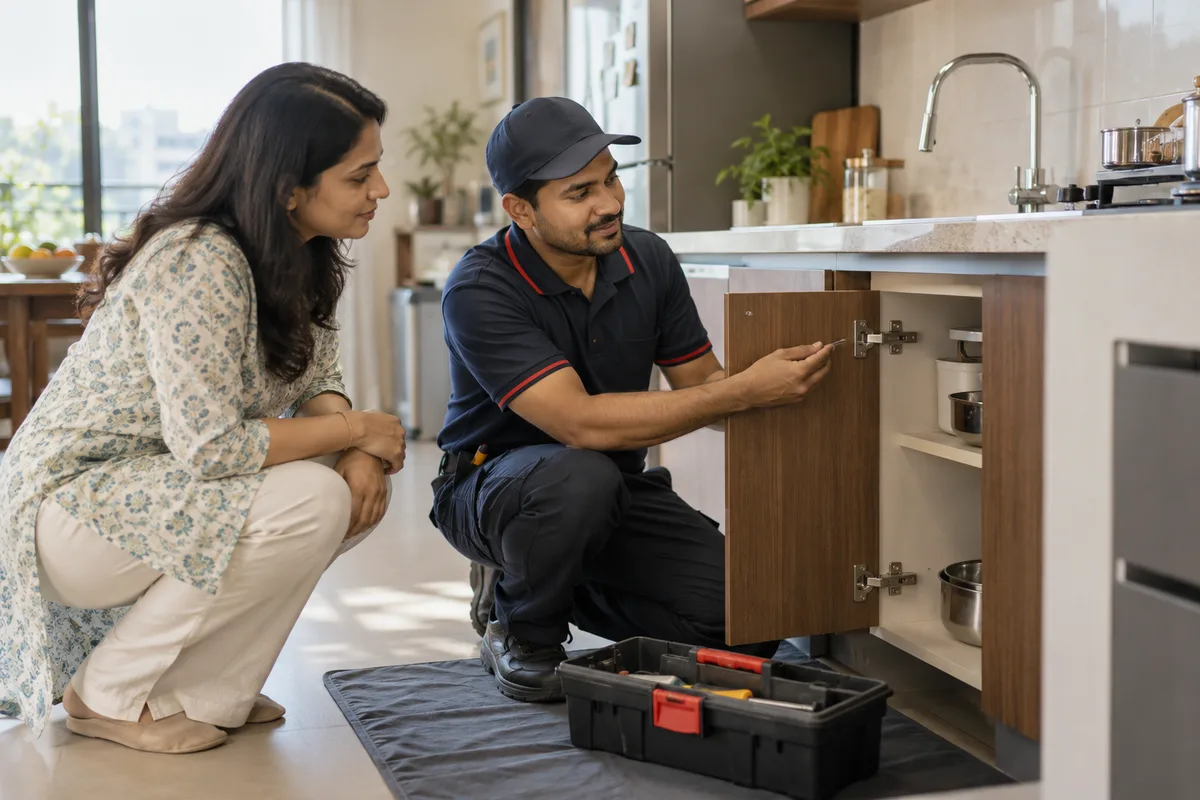
What buyer persona means
A buyer persona is a plain description of the kind of customer who actually buys from you. It includes what they search, what worries them and who else they ask before deciding. GullySales builds this from real enquiries and past sales rather than a generic template, then uses it to write every page and advert.
Also for chimney cleaning companies
- Digital marketing for chimney cleaning companies
- Lead generation for chimney cleaning companies
- SEO for chimney cleaning companies
- Local SEO for chimney cleaning companies
- Social media marketing for chimney cleaning companies
- Content marketing for chimney cleaning companies
- CRM for chimney cleaning companies
- Follow-up systems for chimney cleaning companies
Sales and marketing for chimney cleaning companies, the overview.
Last updated 14 Nov 2026.
For chimney cleaning companies
Where it usually goes wrong, and what we would do.
“The cook rings first, the payer may differ”
The person who cooks notices the fault and searches. A parent or a spouse may approve the price. A persona that names both shows why a quote must be easy to forward on WhatsApp.
“The apartment resident follows the group”
A flat owner in a managed building asks the group before searching. Their persona includes the neighbour's recommendation and the society's rules on technicians entering, which shape who gets booked.
“The tenant has a different worry”
A tenant does not want to spend on the owner's appliance and may need the landlord's consent. The persona records who pays, so the quote and the message suit the person who will say yes.
“The restaurant owner buys on downtime”
A restaurant or cloud kitchen owner worries about closing for a night, the inspection and the grease on the hood. They decide once the visit fits the schedule and the price per hood is clear.
What we do
What we deliver for chimney cleaning companies.
The work available for this need. We agree the deliverables and responsibilities for your engagement in writing.
A household cook persona
A written profile of the cook who notices the fault, what words they use and what they compare you with.
Result: Your pages use the words the cook uses.
A decision-maker map
A note of who approves cost in a household, a tenancy and a managed apartment.
Result: Each quote is written for the person who approves it.
A resident-group persona
A profile of the apartment resident who asks neighbours first, with what makes a recommendation stick.
Result: You know what a resident group needs to see before naming you.
A commercial kitchen persona
A profile of the restaurant or cloud kitchen owner, their schedule and what they ask in the first call.
Result: A restaurant owner's questions have written answers.
A lost-booking review
A look at callers who did not book and the reason they gave, used to correct each persona.
Result: Each persona carries notes from real lost calls.
How the result is measured
- Enquiry match to persona
- Conversion rate by persona
- Content aligned to persona
Recorded as a baseline before work starts, so every later report has an honest comparison.
Who is asking
The person who books is not always the person who pays.
- Cook at home
- Wants to know if the noise is the motor or the filter, what the visit costs and when the technician comes, before agreeing.
- Parent or spouse who approves
- Wants to see the price list and what is included in writing, and to hear that no extras are added at the door.
- Flat owner in a managed building
- Wants a name the resident group already trusts, and asks the group before searching.
- Tenant
- Wants to know if the landlord must agree, who pays and whether the work touches the appliance in a way that creates a dispute.
- Restaurant or cloud kitchen owner
- Wants to know how long the kitchen is closed, whether a night slot exists and what record is left for an inspector.
Who it is for
This is written for these chimney cleaning companies.
- Households with baffle filter, mesh filter and auto-clean chimneys
- Apartment communities where several kitchens book on one day
- Restaurants and cloud kitchens with exhaust hoods and ducts
- Hotel, canteen and hostel kitchen exhaust cleaners
- Chimney repair and spares technicians who also clean
- Brand-authorised service partners for kitchen appliances
- Home appliance service companies adding chimney cleaning
- Annual maintenance plan sellers for kitchens
Before you decide
When this may not be the right fit.
- You have not yet spoken to any customer about why they booked, so personas would be guesses.
- You serve only households and have no plan to take restaurant work, so a commercial persona would add nothing.
- The desk cannot adjust what it says on the call, so a persona would sit unused in a document.
Before you decide
Agree the work. Know how to judge it.
Buyer personas for chimney cleaning companies: use these checks to prepare, choose the scope, and review what changes.
Bring the right evidence
Write the decision the research must support, such as entering a market or choosing a buyer group. Separate what you know from sales records from what the team currently assumes.
Make the scope clear
Agree which buyers to speak to, which sources to review, and what access you can provide. Include lost enquiries and people who chose another supplier, where they are willing to take part.
Check the work in use
Look for source dates, sample limitations, and evidence that disagrees with the preferred answer. A recommendation should show how it follows from the findings.
Know when to change course
Do not treat a few positive conversations as proof of demand. Test the proposed offer with an actual buying decision before committing to a wider launch.
These are discussion points, not a fixed package. GullySales confirms the deliverables, responsibilities, fee, and term in writing after reading your brief and speaking with you.
Before we start
What to have ready before the work starts.
The records, access and decisions this work needs from chimney cleaning companies. Anything missing is noted in the written scope, with who will supply it.
- The booking diary with kitchen types marked
- Bring the diary with the type of home or kitchen noted where possible, and mark the repeat customers. If the types were never written, mark a sample from memory. A page for a busy period and a page for a quiet one together are better than a long run of one kind. Without it, the personas rest on interviews and are labelled as unproven.
- Permission to speak to past customers
- Pick a few customers who would not mind a short call, and tell us how you want them approached. Tell us how the customer prefers to be contacted, so that we ask in a way that does not feel like a sales call. If none can be reached, we build the personas from calls and technician accounts, and say so in the pages.
- A technician who knows the apartment belts
- One technician with several years in your areas should talk to us about who decides in each kind of home. If you cannot name a technician, tell us which areas have the longest history, and we will ask the office to introduce us. If the technician has moved areas, tell us, and we ask the one who has the longest history in the places you want to grow. Without that voice, the personas read like general descriptions and miss the building secretary or the tenant.
- A list of the kitchens you want more of
- Tell us whether you want more households, societies or commercial kitchens, and which areas. This decides how many personas we write. If you have no preference, we begin with households and commercial kitchens and leave the rest for later. List households, societies and commercial kitchens in the order you want to grow them, and tell us which you would drop if effort ran short. This decides how deep each persona goes. If every kind is a priority, we write fewer words for each.
- Lost enquiries and their reasons
- Bring the enquiries that did not book, and the reason if the call taker remembers it. Even a short list helps. Even a rough sentence for each lost enquiry helps us see which persona was not served. Next to each, a short note such as price, no reply or booked elsewhere is enough. Without reasons we can still test the personas, but we cannot say which one explains the loss. Without it, we cannot test whether the personas explain who walked away.
How it works
How the buyer persona work runs
The work itself, in order. How an engagement starts, from your brief to a written scope, is set out on our method page.
- 1
Sort the past bookings by kind of kitchen
We read the diary and sort the bookings into households, apartment societies, tenants, restaurants and canteens, noting what each asked for. We also note which kinds of booking brought repeat visits, since a persona for a repeat customer differs from one for a first call. You tell us which kinds of kitchen you want to grow, and we build a persona for each of those and leave the others for later.
- 2
Listen to calls with the call taker
We sit in on real calls, or read call notes, to hear who rings, what they say first and what makes them hesitate. We also read the chat messages, because the questions typed at night differ from those asked in a call. You choose which calls we may hear, and we write nothing that could identify a caller or a home.
- 3
Ask the technicians who actually decides
Technicians know who opens the door and who decides: the cook, the owner of the flat, the tenant or the building secretary. We also ask what the household does when the technician has gone, such as who pays and who decides on the next service. We ask them what each says about price and warranty, and you add what you hear from the office.
- 4
Interview a few past customers
With the customer's permission, we ask a few past customers what made them search, what worried them and why they chose your company. We also ask whether they asked a neighbour first, and what the neighbour said, because that shows where trust comes from. You pick the customers and make the first call, and the questions stay on the booking, not on the home.
- 5
Write one page for each kind of kitchen
Each persona names who decides, what starts the search, the worry, whom they ask and what they need to see before booking. We also add a short line on what a persona should never be told, such as a promise about the chimney's life. The technicians check each page for realism, and you approve the final pages before the pages and messages are written.
- 6
Check personas against the lost bookings
We compare the personas with the enquiries that did not become visits, and see which persona those callers match. We also add a note on which personas rarely call at all, so that the company knows whom it is not reaching. We also write down which personas the team could not recognise, since that shows where the persona does not match the customers the team meets. You and the call taker decide which persona to correct, and which of your messages should change.
Where this fits
Three pieces of sales work, in this order.
This work sits inside sales process design, at stage 0, foundation. The audit comes before it, and sales management keeps it running.
Step 1
Sales audit
Find where deals are being lost and what to fix first.
Start here if you cannot say where orders are lost.
Step 2 · you are here
Sales process design
One written way to sell, from first enquiry to repeat order.
Start here if every salesperson sells differently.
Step 3
Sales management
A target, a review routine and someone who owns the number.
Start here if the team has targets and no routine.
FAQ
Questions owners ask before they call.
Not here? More answers, or ask on WhatsApp.
How many personas do we need?
Should we guess a persona before we have data?
Does a persona change what we say on the phone?
What do we do about tenants?
How many personas does a small company need?
Should we guess a persona before we have the data?
How much does it cost?
How long is the contract?
How soon will we see results?
Who will actually do the work?
More for chimney cleaning companies
Related work to consider.
Closest to this: strategy and research
Also for chimney cleaning companies
Or start from the overview: sales and marketing for chimney cleaning companies.
Your next practical step
Tell us what you are trying to grow, and we will read it before we call.
Eight short steps, mostly taps. Skip anything you would rather answer on the call.