Chimney cleaning companies · Digital marketing
Put the profile, the pages and the messages in one plan for the kitchens you serve.
Digital marketing for a chimney cleaning company joins the Maps profile, the service pages, the WhatsApp routine and the reminders into one plan. GullySales decides with you which part carries the weight for your areas and your team.
Scope, fee, reporting and term are agreed in writing after we have read your brief and spoken to you.
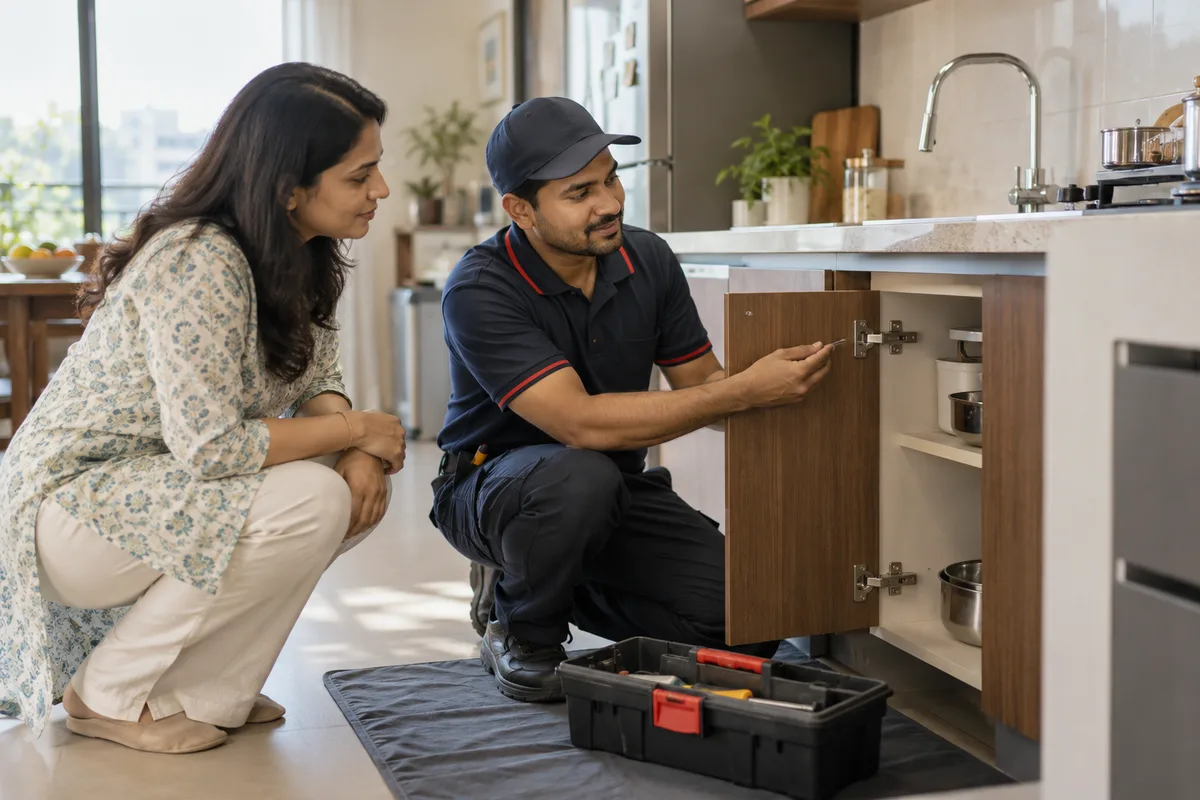
What digital marketing means
Digital marketing is the combined work of search, social media, advertising and website channels running together rather than as separate projects with separate people. GullySales runs these as one connected system so a change in one channel, such as a new offer, is reflected everywhere at once.
Also for chimney cleaning companies
- Buyer personas for chimney cleaning companies
- Lead generation for chimney cleaning companies
- SEO for chimney cleaning companies
- Local SEO for chimney cleaning companies
- Social media marketing for chimney cleaning companies
- Content marketing for chimney cleaning companies
- CRM for chimney cleaning companies
- Follow-up systems for chimney cleaning companies
Sales and marketing for chimney cleaning companies, the overview.
Last updated 14 Nov 2026.
For chimney cleaning companies
Where it usually goes wrong, and what we would do.
“Separate tools do not make a plan”
A company may have a profile, a page and a number, each set up by someone different. If they say different prices or list different areas, the buyer notices and the booking is lost.
“Spending before the pages are ready wastes it”
An ad sending a click to a page without chimney types, inclusions or a booking route spends money on a visitor who leaves. The pages come first, then the paid search.
“The repeat customer is the cheapest”
A household cleaned last year costs less to bring back than a new one costs to find. A plan that spends only on new enquiries and ignores the diary pays the same cost again and again.
“Technician capacity limits the plan”
Marketing that fills the diary beyond the technicians' hours leads to late arrivals and poor reviews. The plan has to start from how many kitchens the team can service well.
What we do
What we deliver for chimney cleaning companies.
The work available for this need. We agree the deliverables and responsibilities for your engagement in writing.
A one-page channel plan
A short document naming which channels carry which job: Maps for local search, WhatsApp for booking and the diary for repeat work.
Result: The plan states what each channel is for.
Consistent business details
One set of service names, areas, prices and hours used on the profile, site and messages.
Result: The same details appear on every channel.
A paid search test
A small test around symptom searches, with a page behind it and an enquiry log to read results from.
Result: The log shows which searches led to enquiries.
A capacity-aware calendar
A calendar linking campaigns to the technicians' available hours and the apartment belts they cover.
Result: Campaigns match the days a technician is free.
A reading of bookings
A review of enquiries, bookings and repeat customers by source and chimney type.
Result: You can see which channel brought which kind of kitchen.
How the result is measured
- Enquiries across channels
- Cost per enquiry overall
- Channel mix by contribution
Recorded as a baseline before work starts, so every later report has an honest comparison.
Searches your buyers type
Each search points to a channel you already need.
- chimney cleaning near me
- A Maps profile with the service area set to the belts your technicians cover, and a booking button.
- auto clean chimney service
- A page for that chimney type. A search ad may suit it, but only if the page names the type and states inclusions.
- chimney noise after cleaning
- A repeat-visit and aftercare page that answers the complaint before it turns into a bad review.
- restaurant exhaust cleaning
- A commercial page and a direct call to restaurant owners, since a few will search and most will not.
- chimney service reminder
- A message to past customers who agreed, once the record shows the next service is due.
Who it is for
This is written for these chimney cleaning companies.
- Households with baffle filter, mesh filter and auto-clean chimneys
- Apartment communities where several kitchens book on one day
- Restaurants and cloud kitchens with exhaust hoods and ducts
- Hotel, canteen and hostel kitchen exhaust cleaners
- Chimney repair and spares technicians who also clean
- Brand-authorised service partners for kitchen appliances
- Home appliance service companies adding chimney cleaning
- Annual maintenance plan sellers for kitchens
Before you decide
When this may not be the right fit.
- Your technicians cannot take more visits, and any new demand would push existing customers further back.
- The booking route is not set up on a phone, so a paid click would end in a lost caller.
- You have no log of where each booking came from, so you could not tell which spend worked.
Before you decide
Agree the work. Know how to judge it.
Digital marketing for chimney cleaning companies: use these checks to prepare, choose the scope, and review what changes.
Bring the right evidence
Bring a recent won order and an enquiry that went nowhere. Trace how each buyer found you, what they asked, and who handled the next step. A channel list alone will not explain the difference.
Make the scope clear
Choose one offer and one buyer group first. Agree which part needs attention: being found, getting a useful enquiry, or turning an enquiry into an order. Separate recommendations from the work required to carry them out.
Check the work in use
A useful plan names the first change, its owner, the evidence behind it, and the number that will show whether it worked. Ask what has deliberately been left out and why.
Know when to change course
If your team cannot answer the enquiries it already receives, improve that handover before buying more traffic. If the offer itself is unclear, test it with buyers before adding channels.
These are discussion points, not a fixed package. GullySales confirms the deliverables, responsibilities, fee, and term in writing after reading your brief and speaking with you.
Before we start
What to have ready before the work starts.
The records, access and decisions this work needs from chimney cleaning companies. Anything missing is noted in the written scope, with who will supply it.
- The technician headcount and a typical day
- Tell us how many technicians work, how many visits fit on a working day, and which days are slow. We size the plan to it. Include the days technicians take leave, and the time of year when the team is busiest. The figures need not be exact. A phone call to each technician for the number of visits they manage on a working day is enough to start, and we correct it once the diary shows the real pattern. Without these figures, we plan on a guess, and a campaign can bring more calls than the team can take.
- Logins for each online presence
- List the Maps profile, pages, social accounts and any directory listing, with the person who holds each login. We recover missing ones first. Add the Maps profile first, as the profile is the one customers meet before any page. If you cannot name who holds a login, say so, and we help find it from the email address or phone number the account was opened with. Without access, the correction list stays on paper. Without access, we cannot correct inconsistent details, and the plan starts with a list of faults.
- A single phone number for bookings
- Decide which number customers should ring or message for bookings and who answers it. Two numbers confuse customers. Include the one that rings on the tablet or the office phone, and the one a technician carries. Tell us whether customers should ring, message on WhatsApp or fill a form, and which comes first. We then make that route the same on every page and listing so the customer is not left guessing. Without a decision, we use the one that is answered reliably and retire the other from the listings.
- A decision on a paid search budget
- Tell us whether the company will pay for a search test and who approves the wording. We do not set the budget. If you have not decided, we begin with the unpaid work and return to the question when the pages work. If the answer is no, the plan runs on unpaid channels, and the paid test is removed from the order of work.
- The diary for the past season
- Bring the booking diary as the starting figure for the plan, rough as it is. A rough diary of bookings and calls is a start, and we compare later results with it. A written note of bookings by month, even if rough, gives the plan something to measure against. If it does not exist, we start a count and the first reading waits until the count has some weight. If none exists, the first stage is to count for a spell, and the later results are compared with that count.
How it works
How the digital marketing work runs
The work itself, in order. How an engagement starts, from your brief to a written scope, is set out on our method page.
- 1
Count the technicians and their capacity
Before we plan a channel, we ask how many technicians you have, how many visits a technician can do on a working day and which areas they can reach. We also ask which days technicians are off, and whether a seasonal rush strains the team. You give us the figure from your diary, and the plan is sized to it, so that no campaign brings more calls than the company can serve.
- 2
Check the profile, pages and phone together
We open the Maps profile, the pages and the booking phone as a customer would, noting where the name, the area and the number differ. We also check what a customer sees when they search the company name, since that is the first thing a referred customer does. You tell us which version is right, and we make a short list of corrections in the order a customer meets them.
- 3
Choose the channel that carries the weight
With you, we decide which channel does the heaviest work in your areas: the Maps profile, a set of pages, resident groups or WhatsApp. We also record why a channel was chosen, so that it can be questioned later when results are in. You decide how much effort goes to each, and we write this on one page that the office can pin on the wall.
- 4
Plan the calendar around technician capacity
We build a calendar of what is promoted when, matching the slow and busy periods in your diary, so that campaigns run when technicians have free slots. We also mark the weeks when staff are away, so that no push lands on a day with no technician free. You adjust the calendar when staff are away, and we do not plan a push for those days.
- 5
Run a small paid search test
Once the pages and the booking phone work, we set up a small paid search test for one chimney type and one area, with a budget you approve. We check the platform's current rules for the wording. We also check the pages the paid test sends people to, since an advertisement that lands on a weak page wastes its budget. The test ends when you say, and we read it before spending more.
- 6
Read bookings against the starting diary
We compare bookings, calls and the source log with the diary counts recorded before the work began. We also compare the bookings each channel brought with the effort it took, so the plan moves toward the best use of time. We also record which channel brought the visits that led to a repeat booking, since that is the customer you want. You see which channels brought bookings, which cost effort without result, and where the plan should move next, including what to stop.
Where this fits
Three pieces of sales work, in this order.
This work sits inside sales process design, at stage 0, foundation. The audit comes before it, and sales management keeps it running.
Step 1
Sales audit
Find where deals are being lost and what to fix first.
Start here if you cannot say where orders are lost.
Step 2 · you are here
Sales process design
One written way to sell, from first enquiry to repeat order.
Start here if every salesperson sells differently.
Step 3
Sales management
A target, a review routine and someone who owns the number.
Start here if the team has targets and no routine.
FAQ
Questions owners ask before they call.
Not here? More answers, or ask on WhatsApp.
Where should a small company start?
Is digital marketing enough, or do we need offline work?
How do we judge whether the plan is working?
Do paid ads suit a chimney company?
Is digital marketing enough, or do we need offline work too?
Do paid ads suit a chimney cleaning company?
How much does it cost?
How long is the contract?
How soon will we see results?
Who will actually do the work?
More for chimney cleaning companies
Related work to consider.
Closest to this: strategy and research
Also for chimney cleaning companies
Or start from the overview: sales and marketing for chimney cleaning companies.
Your next practical step
Tell us what you are trying to grow, and we will read it before we call.
Eight short steps, mostly taps. Skip anything you would rather answer on the call.