Pet breeders and kennels · Search engine optimisation
Appear when a family searches for your breed in your city.
SEO for a breeder or kennel means making the website answer the searches a family types: a breed together with a city and words such as puppies, kittens or kennel. GullySales writes and structures the pages so the right families see the kennel before they see a stranger's advertisement.
Scope, fee, reporting and term are agreed in writing after we have read your brief and spoken to you.
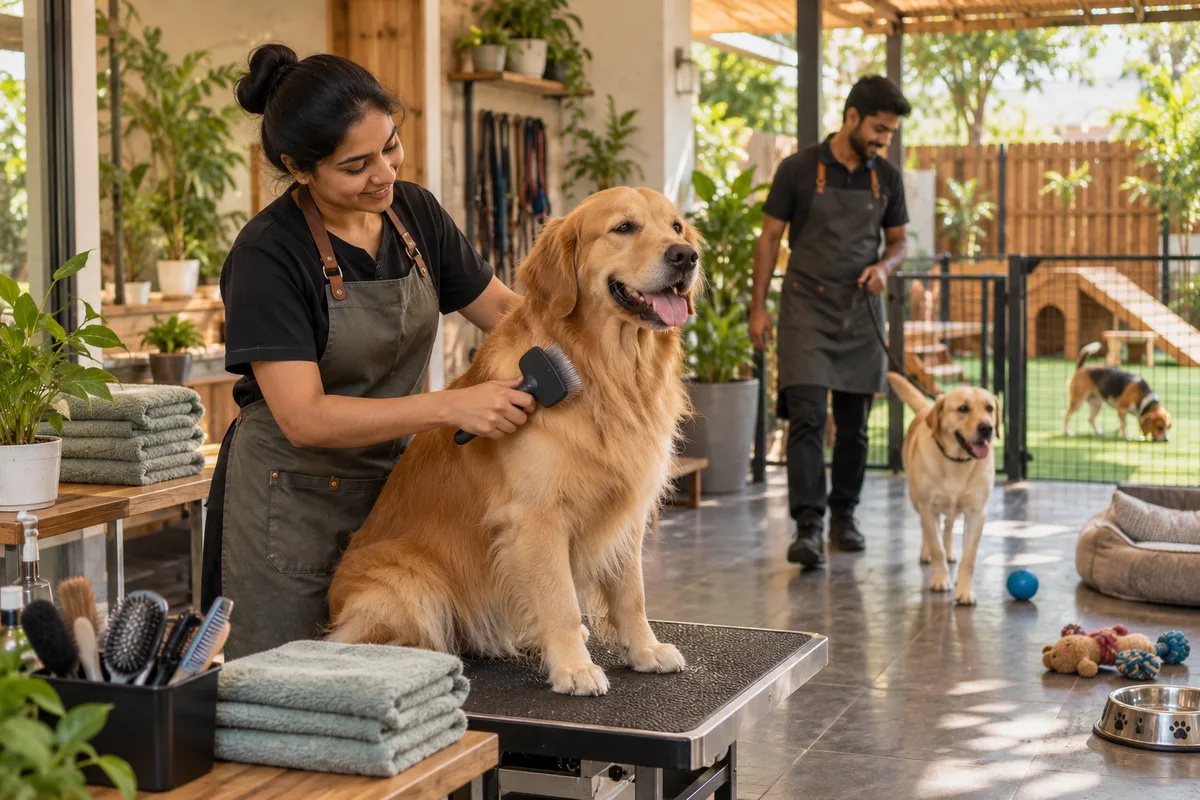
What search engine optimisation means
Search engine optimisation (SEO) is the work of getting your website to appear when a buyer searches Google for what you sell. GullySales builds pages around real search terms, fixes technical issues that block ranking, and tracks which searches actually bring enquiries.
Also for pet breeders and kennels
- Local SEO for pet breeders and kennels
- Website for pet breeders and kennels
- Lead generation for pet breeders and kennels
- Social media marketing for pet breeders and kennels
- Content marketing for pet breeders and kennels
- Buyer persona for pet breeders and kennels
- CRM for pet breeders and kennels
- Follow-up systems for pet breeders and kennels
Sales and marketing for pet breeders and kennels, the overview.
Last updated 14 Nov 2026.
For pet breeders and kennels
Where it usually goes wrong, and what we would do.
“A breed and a place are the search”
Families search for a breed and a city together, sometimes adding words like registered or home-raised. A kennel page that names the breed, the city and how puppies are raised matches what the family typed, whereas a page about pets in general matches nothing.
“Classified sites outrank kennels on price words”
Marketplaces and classified sites hold the searches about price. A kennel earns attention on the searches that show care: how a litter is raised, what papers a puppy has and how to visit. Those are the words worth writing for.
“Photographs need a name on them”
Pictures of puppies are copied across the web. Pages that carry the kennel's name, a description of the litter and the details of the premises give search engines and families something that a copied photograph cannot.
“Old pages for sold litters mislead”
A page for last year's litter that still says puppies are available sends families to a kennel that has nothing for them. Pages should state clearly when a litter is placed and point to the waiting list.
What we do
What we deliver for pet breeders and kennels.
The work available for this need. We agree the deliverables and responsibilities for your engagement in writing.
A search plan by breed and city
A list of the breed and city searches worth a page, taken from what families ask you and what the kennel actually raises.
Result: You know which pages are being written and why.
Breed pages with care details
Pages that describe the breed's temperament and needs in plain words, without claims about health or guarantees, and how your kennel raises litters.
Result: A family reads about the breed and the kennel together.
A pages-for-litters routine
A way to mark each litter as available, reserved or placed, and to keep old pages accurate.
Result: Families never find a page for puppies that no longer exist.
Titles, headings and image descriptions
Page titles, headings and picture descriptions that name the breed, the city and the kennel.
Result: The wording on each page matches real searches.
Consistent listings
A check of the map listing and directory entries for matching name, address and number.
Result: The same kennel details appear everywhere a family looks.
How the result is measured
- Ranking positions
- Organic traffic
- Enquiries from organic search
Recorded as a baseline before work starts, so every later report has an honest comparison.
Searches your buyers type
Families search by breed, papers and trust, and each search needs a page of its own.
- labrador puppies from a registered breeder near me
- A breed page that names the registration body, shows the kennel and the parents with the owner's consent and says how to book a visit.
- how to check kci papers for a puppy
- A plain guide to what the papers are, which ones the kennel holds and what to ask any seller, written for a first-time buyer.
- rajapalayam or chippiparai puppy
- A page on the Indian breed with temperament, space and exercise needs, and a note on how litters are placed.
- pug puppy for flat living
- A breed page for apartment owners, with honest notes on size, shedding and noise, ending with the visit steps.
- persian kitten breeder near me
- A page for the cat side of the kennel, covering the queen's care, the first weeks of the kitten and how to visit.
- is this puppy seller genuine
- A verification page giving the kennel's one number, handle and map entry, for families who have met copied photographs.
Who it is for
This is written for these pet breeders and kennels.
- Dog breeders of Labrador, Golden Retriever, German Shepherd, Beagle and Pug litters
- Breeders of Indian breeds such as Rajapalayam, Mudhol Hound, Kombai and Chippiparai
- Cat breeders of Persian and other pedigree kittens
- Small-scale home breeders with one or two females
- Registered kennels with a boarding or training side
- Aviary and exotic bird breeders, within the rules for each species
- Aquarium and fish breeders supplying shops and hobbyists
- Kennels placing adult dogs and retired breeding animals
Before you decide
When this may not be the right fit.
- Your breed pages would repeat the listings on classified sites, with no photographs of your own animals or premises
- You raise one litter in a year at home, and every puppy is placed through people who already know you
- Nobody can answer calls from strangers, so a ranking page would only bring messages you cannot return
Before you decide
Agree the work. Know how to judge it.
SEO for pet breeders and kennels: use these checks to prepare, choose the scope, and review what changes.
Bring the right evidence
Bring the pages for the products or services you want to sell, the search queries available in your reports, and examples of enquiries from search. Separate branded searches from buyers discovering you for the first time.
Make the scope clear
Agree which pages and technical fixes come first, who can publish changes, and who supplies subject knowledge. Link search work to a relevant enquiry route on each priority page.
Check the work in use
Follow the trail from a relevant query to its landing page and then to an enquiry. Review whether those enquiries fit your offer, alongside indexing and search visibility.
Know when to change course
A ranking movement alone is not a buying signal. If traffic grows but relevant enquiries do not, revisit page intent and the offer before producing more pages.
These are discussion points, not a fixed package. GullySales confirms the deliverables, responsibilities, fee, and term in writing after reading your brief and speaking with you.
Before we start
What to have ready before the work starts.
The records, access and decisions this work needs from pet breeders and kennels. Anything missing is noted in the written scope, with who will supply it.
- A list of breeds you will sell
- Write the breeds you raise now and the ones you may raise soon, and mark any you are unsure about. The search plan only covers breeds you can truly supply, and a page for a breed you do not raise sends families who will be turned away.
- Access to the website and its host
- We need the login to the site or the person who holds it. Titles, headings and image descriptions cannot be changed otherwise. If the domain sits in a former web helper's account, we start by getting it back, and the plan waits until that is done.
- Original photographs, not copied ones
- Pictures you took yourself of your own puppies and parents are what search engines and families both trust. Bring the originals from your phone, not the versions sent on a chat app. Where only copies exist, we flag them, because borrowed pictures weaken the page and invite copying back.
- Your registered kennel name spelled one way
- The kennel name, address and phone must read the same on the site, the listing and the papers. Pick the version you want and check it against your registration. If they disagree, the plan spends its first effort on listings and the consistent name before any new page is written.
- A note on which classified sites you use
- Tell us if you advertise on any classified site, and under which name. We read those adverts to keep wording consistent and to judge whether they help or compete. If you will not say, the plan treats them as competitors, which may not match your own wish.
How it works
How the search engine optimisation work runs
The work itself, in order. How an engagement starts, from your brief to a written scope, is set out on our method page.
- 1
Make a list of breeds by city
Before any page is touched we write down every breed you raise next to the cities and localities your families come from. You strike the ones you do not want to sell to far away, such as families you cannot visit. What remains is the short list of breed and place pairs that the search work is built on.
- 2
Find where classified sites crowd you out
We type each pair into search as a family would and note which classified pages and breeder directories sit above any kennel. You tell us which of those you refuse to appear beside. The result is a sheet showing which searches we can contest honestly with care details and papers, and which price-word searches are left alone.
- 3
Rename the photographs you already hold
We go through the folder of pictures from past litters with you, naming each by breed, colour and stage, and flagging any that show a puppy now sold. Pictures of the parents come first, since they prove the breed. Anything that would mislead a family about what is available now is pulled before it goes near a page.
- 4
Write one breed page and check the facts
We draft a single breed page in full, with the temperament you actually see, the care a first owner must expect, and the papers you hold. You correct it line by line against what you know about your own dogs. Once it reads as true, the same shape is used for the other breeds, and no breed you do not raise gets a page.
- 5
Retire pages for litters that are sold
We agree one routine for what happens when a litter is booked out: the page stays, the status line changes, and a waiting list note replaces the old invitation. You decide who updates it and when. Old pages that still claim puppies are available are the ones that send disappointed families to the phone, so each one is dealt with by name.
- 6
Check searches against bookings you recorded
At the end we open the kennel's enquiry record and the register side by side and look at which breed and city searches brought the families who visited and booked. The figures are compared with those noted at the start. You choose which breed page deserves more care, and we promise no position in search.
Where this fits
Three pieces of sales work, in this order.
This work sits inside sales process design, at stage 1, prospecting and lead generation. The audit comes before it, and sales management keeps it running.
Step 1
Sales audit
Find where deals are being lost and what to fix first.
Start here if you cannot say where orders are lost.
Step 2 · you are here
Sales process design
One written way to sell, from first enquiry to repeat order.
Start here if every salesperson sells differently.
Step 3
Sales management
A target, a review routine and someone who owns the number.
Start here if the team has targets and no routine.
FAQ
Questions owners ask before they call.
Not here? More answers, or ask on WhatsApp.
Can you put the kennel first in search results?
Should the site list prices?
Should we publish a page for a breed we do not raise?
Do photographs of our own puppies help in search?
Should sold litters stay on the site?
What if we raise a breed that few people search for?
How long is the contract?
Who will actually do the work?
What do you need from us?
What if we are not happy with the work?
More for pet breeders and kennels
Related work to consider.
Closest to this: search and visibility
Also for pet breeders and kennels
Or start from the overview: sales and marketing for pet breeders and kennels.
Your next practical step
Tell us what you are trying to grow, and we will read it before we call.
Eight short steps, mostly taps. Skip anything you would rather answer on the call.