Pet breeders and kennels · Buyer persona
Know the family, the first-timer and the fellow breeder who write to you.
A buyer persona for a breeder or kennel describes the people who actually enquire: the first-time family, the experienced owner and sometimes another breeder or a vet. GullySales helps you write down what each wants to hear and which of your pages and replies suit them.
Scope, fee, reporting and term are agreed in writing after we have read your brief and spoken to you.
What buyer persona means
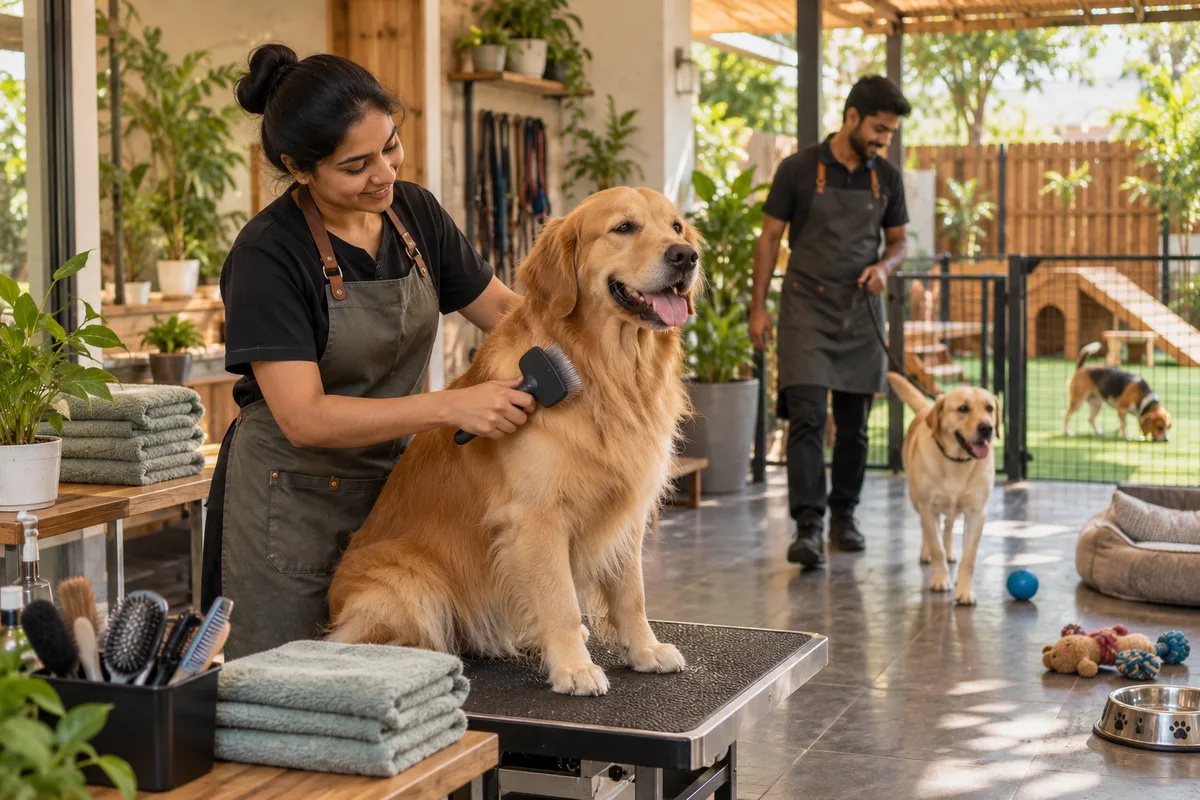
A buyer persona is a plain description of the kind of customer who actually buys from you. It includes what they search, what worries them and who else they ask before deciding. GullySales builds this from real enquiries and past sales rather than a generic template, then uses it to write every page and advert.
Also for pet breeders and kennels
- Digital marketing for pet breeders and kennels
- Lead generation for pet breeders and kennels
- SEO for pet breeders and kennels
- Local SEO for pet breeders and kennels
- Social media marketing for pet breeders and kennels
- Content marketing for pet breeders and kennels
- CRM for pet breeders and kennels
- Follow-up systems for pet breeders and kennels
Sales and marketing for pet breeders and kennels, the overview.
Last updated 14 Nov 2026.
For pet breeders and kennels
Where it usually goes wrong, and what we would do.
“The first-time family”
This buyer loves the idea of a puppy and knows little about papers, costs or care. The questions are about price, size and whether a child will be safe. Replies must be patient, explain each term and say what the kennel expects of the home.
“The experienced owner”
A person who has kept the breed before asks about the parents, the lines and the health testing you can describe. They respect honest answers and dislike hype, and they may visit more than once before deciding.
“The family choosing for a child or an older relative”
A purchase driven by a family member's wish involves several voices. The buyer worries about temperament and the animal's fit with the home. Show how the kennel helps the family match the animal to the household.
“The professional enquirer”
A vet, a trainer or another breeder sometimes asks about a litter on behalf of a client. They look for clear papers and a reachable person, and a good answer may bring repeat referrals. Keep a note of who they are and thank them when a referral leads to a visit.
What we do
What we deliver for pet breeders and kennels.
The work available for this need. We agree the deliverables and responsibilities for your engagement in writing.
Persona sheets for each buyer
A single page for each type of buyer listing what they ask, what worries them and how to reply.
Result: Everyone who answers messages describes the buyer the same way.
A map of the decision
A note on who in the household decides and who influences, drawn from real enquiries.
Result: You know whom the kennel is really talking to.
Questions and answers list
The questions each persona asks, with the replies the kennel gives in plain words.
Result: Replies stay consistent.
A tone guide
Notes on how to speak to a nervous first-timer and how to speak to an experienced owner.
Result: The tone fits the person writing.
Pages matched to each buyer
A review of the website so each type of buyer lands on a page that speaks to their situation.
Result: Each buyer finds relevant information at once.
How the result is measured
- Enquiry match to persona
- Conversion rate by persona
- Content aligned to persona
Recorded as a baseline before work starts, so every later report has an honest comparison.
Who is asking
Six kinds of people write to a kennel, and each wants something different first.
- A first-time family choosing for children
- Wants to know the temperament with children, what the papers mean and whether the kennel will answer questions after the puppy goes home.
- An experienced owner adding a second dog
- Wants the parents' details, the line and a look at the premises, and has little patience for explanations of basics.
- An adult buying for an older relative
- Wants a calm, small breed and an easy exercise routine, and to know what the kennel does if the home does not work out.
- A buyer worried about fake sellers
- Wants proof the kennel is real: a visit, the parents in person and a number that matches the listing.
- A fellow breeder or kennel club member
- Wants pedigree detail, registration records and a conversation between peers before any purchase.
- A buyer asking for the cheapest puppy
- Wants a price first; needs a reply explaining what the price includes and inviting a visit before any figure is argued.
Who it is for
This is written for these pet breeders and kennels.
- Dog breeders of Labrador, Golden Retriever, German Shepherd, Beagle and Pug litters
- Breeders of Indian breeds such as Rajapalayam, Mudhol Hound, Kombai and Chippiparai
- Cat breeders of Persian and other pedigree kittens
- Small-scale home breeders with one or two females
- Registered kennels with a boarding or training side
- Aviary and exotic bird breeders, within the rules for each species
- Aquarium and fish breeders supplying shops and hobbyists
- Kennels placing adult dogs and retired breeding animals
Before you decide
When this may not be the right fit.
- You have kept no messages or call notes, so a persona sheet would be a guess about families you have never recorded
- Only one kind of family has ever written to you, so a sheet for several buyers would invent people who do not exist
- Nobody replies to messages in a consistent way, so a sheet would be written and then left unused
Before you decide
Agree the work. Know how to judge it.
Buyer persona for pet breeders and kennels: use these checks to prepare, choose the scope, and review what changes.
Bring the right evidence
Write the decision the research must support, such as entering a market or choosing a buyer group. Separate what you know from sales records from what the team currently assumes.
Make the scope clear
Agree which buyers to speak to, which sources to review, and what access you can provide. Include lost enquiries and people who chose another supplier, where they are willing to take part.
Check the work in use
Look for source dates, sample limitations, and evidence that disagrees with the preferred answer. A recommendation should show how it follows from the findings.
Know when to change course
Do not treat a few positive conversations as proof of demand. Test the proposed offer with an actual buying decision before committing to a wider launch.
These are discussion points, not a fixed package. GullySales confirms the deliverables, responsibilities, fee, and term in writing after reading your brief and speaking with you.
Before we start
What to have ready before the work starts.
The records, access and decisions this work needs from pet breeders and kennels. Anything missing is noted in the written scope, with who will supply it.
- Chats and call notes from recent buyers
- Bring the enquiry chats and any notes from the last two seasons, even if they are scattered across phones. The personas come from what families really said. Without this, they come from our assumptions about dog buyers, which is how a generic sheet is made.
- Permission to speak to past buyers
- You must be willing to ask a few families if they will talk, and to let us hear what they say. If you would rather not approach anyone, the personas rest on the chats alone and are marked as less certain.
- A list of families who did not book
- Write down the visitors and enquirers who went elsewhere, with the reason you were told or guessed. Their reasons teach more than the happy buyers do. If the list is blank, we say so in the sheets and do not invent a reason.
- Your own sense of the good home
- Describe the family you enjoy selling to and the one you would decline. We cannot decide this for you, and the personas reflect it. Leaving it out lets the sheets welcome every buyer equally, which may not suit a careful kennel.
- The register of who bought which breed
- A record of which family took which puppy, with the date, lets us compare the personas against bookings later. It does not need personal details beyond a first name and the area. Without it, the final check has nothing to read against.
How it works
How the buyer persona work runs
The work itself, in order. How an engagement starts, from your brief to a written scope, is set out on our method page.
- 1
Pull the enquiry chats of the last season
We read the messages, voice notes and call notes from recent litters, with your permission, and sort them by who wrote. We are looking for the first-time family, the experienced owner, the family buying for a child or an older relative, and the professional enquirer. Names and phone numbers are masked in our notes.
- 2
Choose families to speak to
From your buyers we pick a few who differ in experience and ask them, through you, whether they will talk. You decide whom to approach and whom to leave alone, such as a family with a difficult experience. We do not contact a buyer ourselves unless you ask us to.
- 3
Ask what each family worried about
In short conversations we ask what the family feared before visiting, what they checked, who they asked and what finally decided them. We also ask the families that did not book, if you can reach them. The answers, in their words, form the evidence behind every persona sheet.
- 4
Draft one sheet for each kind of family
We draft one sheet each for the first-timer, the experienced owner, the family choosing for a child or older relative, and the fellow breeder. You read them and correct what you know to be wrong. A sheet that does not match someone who has sat in your house is rewritten.
- 5
Match the sheets to pages and replies
We go through the breed pages, the first reply and the visit message, and mark which persona each is written for. A reply meant for a first-timer will explain what an experienced owner already knows. You decide which buyer takes priority when two wishes pull against each other.
- 6
Check the types against who really booked
After the next litter, we compare the types we described with the families who visited and booked, as recorded in your register. The figures noted at the start are the base. If a type we never wrote about keeps appearing, we add a sheet for them, and we promise no number of bookings.
Where this fits
Three pieces of sales work, in this order.
This work sits inside sales process design, at stage 0, foundation. The audit comes before it, and sales management keeps it running.
Step 1
Sales audit
Find where deals are being lost and what to fix first.
Start here if you cannot say where orders are lost.
Step 2 · you are here
Sales process design
One written way to sell, from first enquiry to repeat order.
Start here if every salesperson sells differently.
Step 3
Sales management
A target, a review routine and someone who owns the number.
Start here if the team has targets and no routine.
FAQ
Questions owners ask before they call.
Not here? More answers, or ask on WhatsApp.
Where do the personas come from?
Do we need a persona for each breed?
How many personas do we need?
Should a persona sheet record a family's income?
Should the persona of a fellow breeder be written at all?
What if our buyers are all from one city?
How much does it cost?
How long is the contract?
How soon will we see results?
Who will actually do the work?
More for pet breeders and kennels
Related work to consider.
Closest to this: strategy and research
Also for pet breeders and kennels
Or start from the overview: sales and marketing for pet breeders and kennels.
Your next practical step
Tell us what you are trying to grow, and we will read it before we call.
Eight short steps, mostly taps. Skip anything you would rather answer on the call.