Camping and glamping operators · CRM
Keep every enquiry, booking and returning guest in one record.
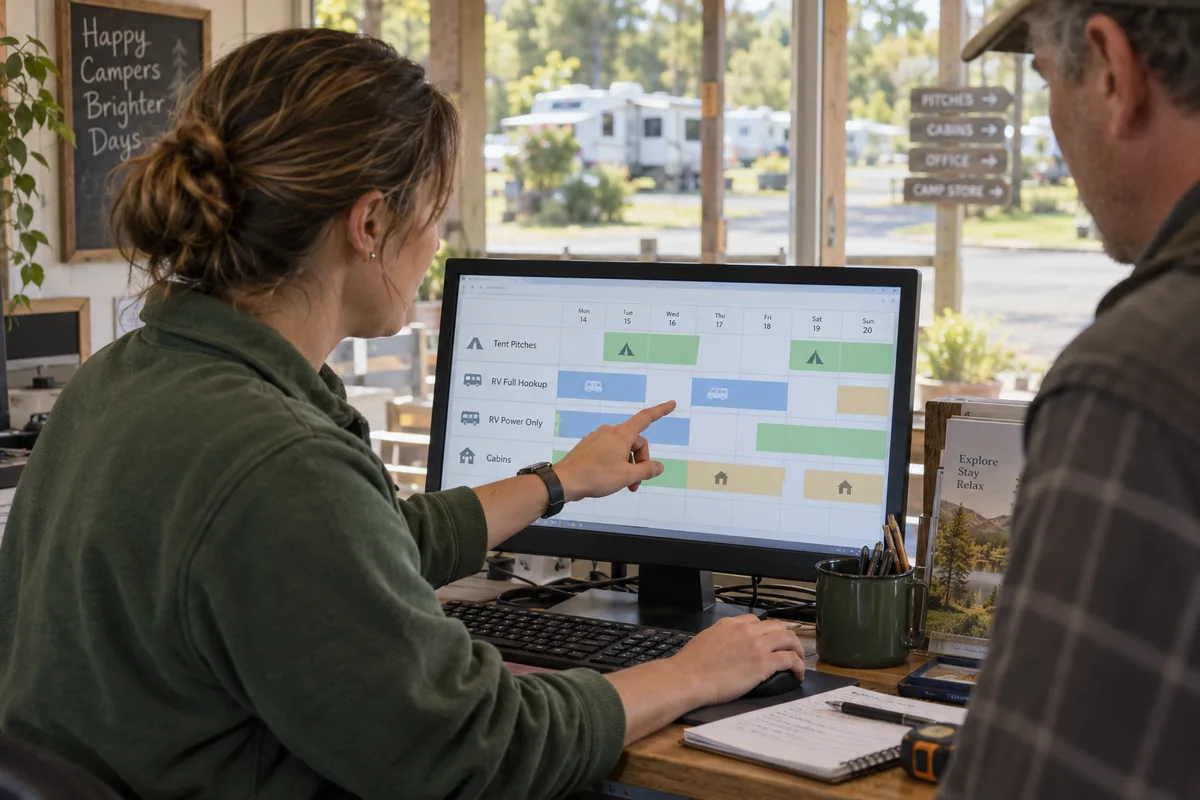
A CRM for a camping or glamping operator records each enquiry, the dates asked, the tent chosen, the advance paid and the guest's next visit. GullySales sets up a simple record that suits a small team, ties it to WhatsApp and keeps only contacts who agreed to be written to.
Scope, fee, reporting and term are agreed in writing after we have read your brief and spoken to you.
What CRM means
A CRM is the record where every enquiry, call and quote is kept against a customer, replacing separate notebooks, spreadsheets and memory. GullySales sets up or cleans an existing CRM and reports from it by enquiry outcome rather than by activity logged.
Also for camping and glamping operators
- Lead generation for camping and glamping operators
- Follow-up systems for camping and glamping operators
- SEO for camping and glamping operators
- Local SEO for camping and glamping operators
- Social media marketing for camping and glamping operators
- Content marketing for camping and glamping operators
- Buyer personas for camping and glamping operators
- WhatsApp marketing for camping and glamping operators
Sales and marketing for camping and glamping operators, the overview.
Last updated 22 Oct 2026.
For camping and glamping operators
Where it usually goes wrong, and what we would do.
“Enquiries live in several inboxes”
Instagram messages, calls and platform chats scatter the history. A single record keeps it, so a guest asked twice does not get two answers.
“Stage matters”
A guest who asked, a guest who got a quote and a guest who paid need different next steps. A stage field makes the next action obvious.
“Season gaps need a list”
In the off season you have time but no list. A record of past guests and organisers is the one asset that carries into next season.
“Corporate and school groups return as a block”
A company that held an off-site last winter will plan another. The record should hold the organiser, the headcount, the meal needs and the dates asked, so the next quote starts from the last one and not from a blank page.
What we do
What we deliver for camping and glamping operators.
Every deliverable, what it covers for you, and the result it is there to produce. Nothing here is an extra.
Enquiry and booking record
Name, number, dates, group size, tent type, advance, balance and notes in one row.
Result: The manager sees each booking in one place.
Stages with dates
Asked, quoted, advance paid, arrived, reviewed and invited back, each with a date.
Result: Everyone knows where a guest has reached.
Consent column
A yes or no for seasonal messages recorded when the number is taken.
Result: Only agreed contacts are messaged.
Organiser and corporate list
Repeat organisers and company contacts with notes on group size and needs.
Result: Repeat bookers are looked after first.
Arrival sheet
A daily list of arrivals with tent, headcount, meal needs and emergency contact.
Result: The team prepares for each arrival.
Advance and balance tracker
A column for each payment with the UPI reference, the date received and the balance due before arrival, so the manager sees who has paid for Saturday night without scrolling through chats.
Result: Unpaid tents are visible before the weekend.
Guest preference notes
Dietary needs, a child's age, a pet, a birthday or a first camping trip, written at booking and read by the host on arrival.
Result: The host greets each group knowing what matters to it.
How the result is measured
- Enquiries logged in the CRM
- Data completeness
- Reports generated from CRM data
Recorded as a baseline before work starts, so every later report has an honest comparison.
Who it is for
This is written for these camping and glamping operators.
- Lakeside tent camps near Pune and Mumbai
- Glamping domes and luxury tents in the hills
- River rafting and riverside camps in Rishikesh
- Desert camps in Rajasthan
- Coffee estate and forest campsites in Coorg and Chikmagalur
- Himalayan camps in Himachal and Uttarakhand
- Caravan and bonfire sites near cities
- Corporate team camps and school outbound campsites
How it works
How the CRM work runs
The work itself, in order. How an engagement starts, from your brief to a written scope, is set out on our method page.
- 1
Map the sales process
We record how a deal actually moves from enquiry to close in your business today.
- 2
Configure stages and fields
The CRM's pipeline and fields are built to match that process exactly, not a generic template.
- 3
Set up automations
Reminders, assignment rules and follow-up triggers are configured so routine steps happen without manual effort.
- 4
Test with real deals
We run the configuration against actual current deals to catch gaps before the whole team relies on it.
Where this fits
Three pieces of sales work, in this order.
This work sits inside sales management. A target, a review routine and someone who owns the number.
Step 1
Sales audit
Find where deals are being lost and what to fix first.
Start here if you cannot say where orders are lost.
Step 2
Sales process design
One written way to sell, from first enquiry to repeat order.
Start here if every salesperson sells differently.
Step 3 · you are here
Sales management
A target, a review routine and someone who owns the number.
Start here if the team has targets and no routine.
FAQ
Questions owners ask before they call.
Not here? More answers, or ask on WhatsApp.
Is a spreadsheet enough?
Can we keep guests' identity documents in it?
How do we use the record in the off season?
How much does it cost?
How long is the contract?
How soon will we see results?
Who will actually do the work?
What do you need from us?
What if we are not happy with the work?
More for camping and glamping operators
Everything else we would do for you.
Closest to this: leads and follow-up
Also for camping and glamping operators
Or start from the overview: sales and marketing for camping and glamping operators.
Your next practical step
Tell us what you are trying to grow, and we will read it before we call.
Eight short steps, mostly taps. Skip anything you would rather answer on the call.