Camping and glamping operators · Follow up systems
Reply to the Thursday enquiry before the group books somewhere else.
A follow-up system for a camping or glamping operator decides who answers an enquiry, what they send and when to check back with a group that has not paid the advance. GullySales writes the replies and builds a daily list for the person who runs bookings.
Scope, fee, reporting and term are agreed in writing after we have read your brief and spoken to you.
What follow up systems means
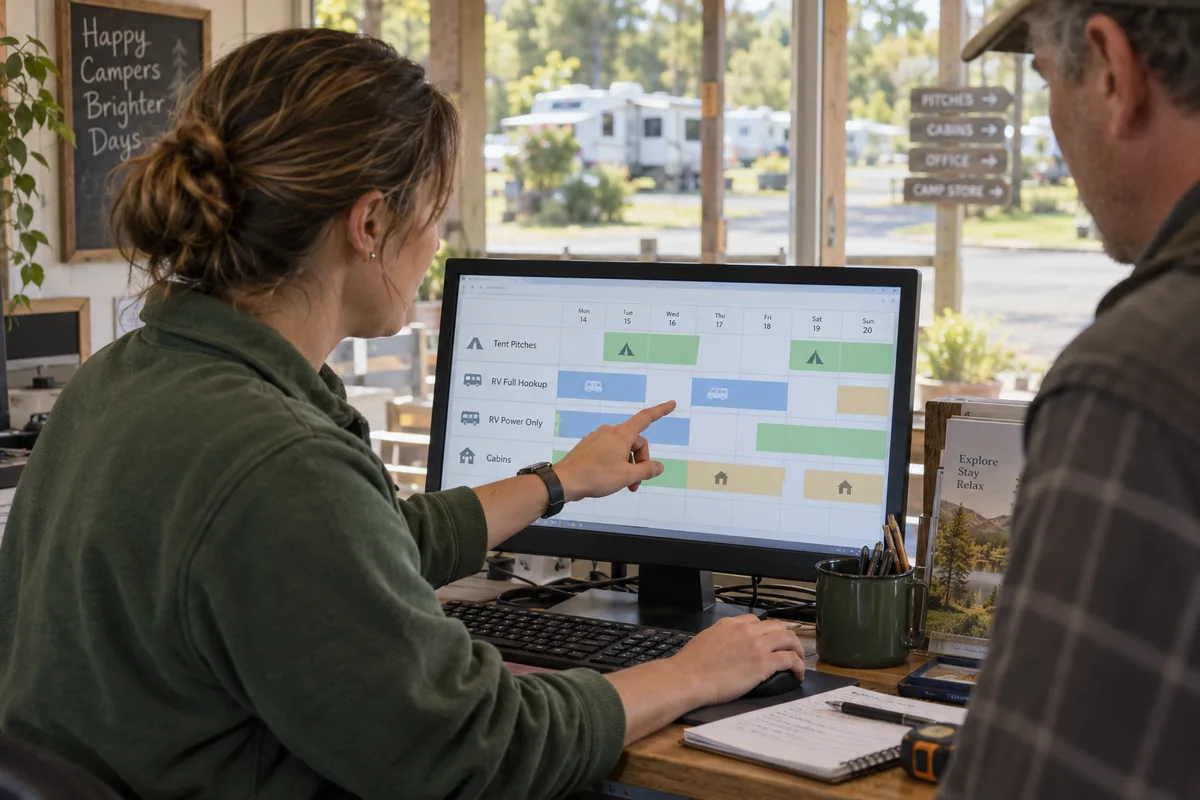
A follow-up system is the set routine for calling, messaging or emailing an enquiry more than once, since most buyers do not decide on the first conversation. GullySales sets the number and timing of follow-ups so an undecided buyer keeps hearing from you until they decide either way.
Also for camping and glamping operators
- Lead generation for camping and glamping operators
- CRM for camping and glamping operators
- SEO for camping and glamping operators
- Local SEO for camping and glamping operators
- Social media marketing for camping and glamping operators
- Content marketing for camping and glamping operators
- Buyer personas for camping and glamping operators
- WhatsApp marketing for camping and glamping operators
Sales and marketing for camping and glamping operators, the overview.
Last updated 22 Oct 2026.
For camping and glamping operators
Where it usually goes wrong, and what we would do.
“Weekend enquiries arrive midweek”
A group deciding on Thursday asks several camps at once. The one that replies with dates, price and a pin wins the booking.
“Silence after the quote means a discussion”
The organiser is asking the group. One helpful follow-up, such as the rain policy or a photograph of the tents, keeps you in the discussion.
“The days before arrival need messages”
Directions, what to carry and the check-in time sent before the trip prevent the late call from a lost car.
“Cancellations need a reply too”
A group that cancels because of rain or a quarrel is still a guest. A courteous reply that restates the credit rule and offers a later date keeps the relationship, and the freed tent can go to the next enquiry on the list.
What we do
What we deliver for camping and glamping operators.
Every deliverable, what it covers for you, and the result it is there to produce. Nothing here is an extra.
Reply templates
Ready replies for dates, price, tents, meals, rain and directions.
Result: Every enquiry gets a clear answer.
Follow-up ladder
A set of messages for enquiry, quote and advance stages, each adding one new fact.
Result: No enquiry is left after the first reply.
Pre-arrival message
A message with directions, check-in time, what to carry and a contact number for the last stretch.
Result: Guests arrive prepared.
After-stay message
A thank-you with a request for an honest review and an invitation for the next season.
Result: Guests hear from you after they leave.
Daily booking list
A list of enquiries to answer, quotes to chase and arrivals to prepare.
Result: The booking manager works from one list.
Waiting-list message
A message for groups that asked for a full weekend, saying their dates are noted, the order they are in and that the camp will write when a tent frees up.
Result: A cancelled tent goes to a named next group.
Rain-day message
A note sent on the morning of arrival when the forecast turns, restating the rain policy, offering the credit option and asking the organiser to confirm headcount.
Result: Weather decisions are made in writing, before the drive.
How the result is measured
- Follow-up completion rate
- Average number of follow-ups before close
- Enquiries closed after repeat follow-up
Recorded as a baseline before work starts, so every later report has an honest comparison.
Who it is for
This is written for these camping and glamping operators.
- Lakeside tent camps near Pune and Mumbai
- Glamping domes and luxury tents in the hills
- River rafting and riverside camps in Rishikesh
- Desert camps in Rajasthan
- Coffee estate and forest campsites in Coorg and Chikmagalur
- Himalayan camps in Himachal and Uttarakhand
- Caravan and bonfire sites near cities
- Corporate team camps and school outbound campsites
How it works
How the follow up systems work runs
The work itself, in order. How an engagement starts, from your brief to a written scope, is set out on our method page.
- 1
Measure today's reply time
From last month's enquiries, we measure how long each waited for a first reply and how many follow-ups it got.
- 2
Agree targets and the sequence
We set reply targets and the follow-up sequence with your team, based on its real hours and workload.
- 3
Set up templates, tasks and ownership
Templates, first-call questions, CRM tasks and named owners go live, with cover for leave and weekends.
- 4
Track and adjust every month
Reply time and follow-up completion are reported against the baseline, and the routine is changed where it is not kept.
Where this fits
Three pieces of sales work, in this order.
This work sits inside sales process design, at stage 2, qualification. The audit comes before it, and sales management keeps it running.
Step 1
Sales audit
Find where deals are being lost and what to fix first.
Start here if you cannot say where orders are lost.
Step 2 · you are here
Sales process design
One written way to sell, from first enquiry to repeat order.
Start here if every salesperson sells differently.
Step 3
Sales management
A target, a review routine and someone who owns the number.
Start here if the team has targets and no routine.
FAQ
Questions owners ask before they call.
Not here? More answers, or ask on WhatsApp.
How firm should the advance policy be?
What if the group changes size?
Should we call or message?
How much does it cost?
How long is the contract?
How soon will we see results?
Who will actually do the work?
What do you need from us?
What if we are not happy with the work?
More for camping and glamping operators
Everything else we would do for you.
Closest to this: leads and follow-up
Also for camping and glamping operators
Or start from the overview: sales and marketing for camping and glamping operators.
Your next practical step
Tell us what you are trying to grow, and we will read it before we call.
Eight short steps, mostly taps. Skip anything you would rather answer on the call.