Family restaurants · Follow up systems
Confirm the booking, welcome the family back and never let an enquiry sit unanswered.
A follow-up system for a family restaurant is the set of messages and calls that surround a table: the confirmation, the reminder, the thanks and the invitation to return. GullySales works on who sends each one, in what words, and how a missed enquiry gets caught.
Scope, fee, reporting and term are agreed in writing after we have read your brief and spoken to you.
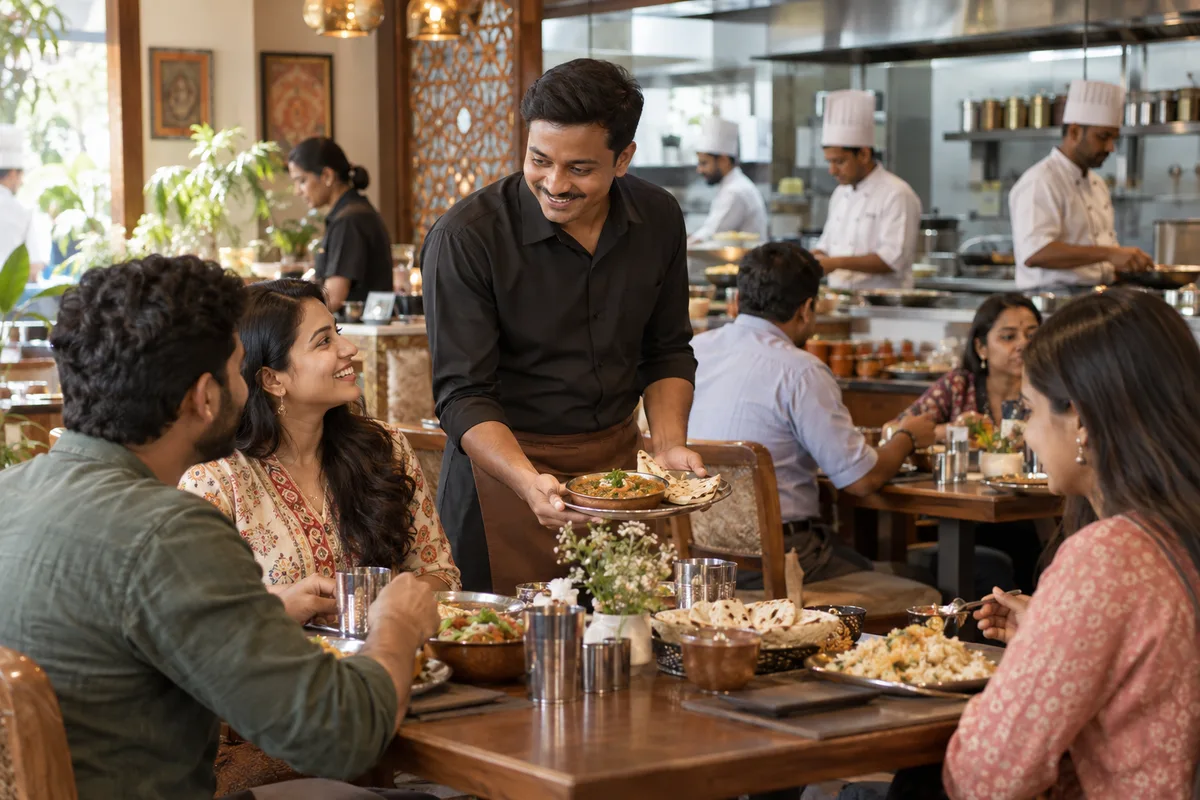
What follow up systems means
A follow-up system is the set routine for calling, messaging or emailing an enquiry more than once, since most buyers do not decide on the first conversation. GullySales sets the number and timing of follow-ups so an undecided buyer keeps hearing from you until they decide either way.
Last updated 18 Oct 2026.
For family restaurants
Where it usually goes wrong, and what we would do.
“A booking without confirmation is half a booking”
A family told yes on the phone has no written proof of the table, the time or the number. If the group runs late or the manager changes, the table is gone. A written confirmation protects both sides.
“The no-show costs a whole table”
A table held for a large group that does not arrive leaves empty seats on a Sunday. A short reminder before the visit, with an easy way to change the number, brings the change to light while the table can still be resold.
“The thank-you is where the next visit starts”
A family leaves content and hears nothing again. A brief message afterwards, asking whether the elders were comfortable, tells the household that someone noticed. It also brings back a reply the restaurant can learn from.
“Lapsed families are never contacted”
A household that dined regularly and then stopped is a quiet loss. Nobody notices because the table is simply filled by someone else. A gentle message about the weekday thali or a festival menu reopens the conversation.
What we do
What we deliver for family restaurants.
Every deliverable, what it covers for you, and the result it is there to produce. Nothing here is an extra.
A written confirmation template
A WhatsApp message stating the date, the time, the number, the table plan and a number to call.
Result: Each large booking carries a written confirmation.
A reminder before the visit
A short message before the booking that lets the family confirm or change the number of guests.
Result: Changes arrive while the table can still be adjusted.
A thank-you and feedback message
A message after the meal asking how the visit went for the elders and the children, with a link for a review.
Result: Each visit ends with an invitation to speak.
An unanswered-enquiry check
A look by the manager, after each service, at calls missed and messages unread, with a reply sent to each.
Result: No enquiry waits without an owner.
A lapsed-household list
Families who dined before and have not returned, each sent a considerate message at the right season.
Result: A list of returning candidates is kept and worked.
How the result is measured
- Follow-up completion rate
- Average number of follow-ups before close
- Enquiries closed after repeat follow-up
Recorded as a baseline before work starts, so every later report has an honest comparison.
Who it is for
This is written for these family restaurants.
- Neighbourhood family restaurants
- Highway family dhabas and restaurants
- Restaurants inside residential townships
- Restaurants with a play area for children
- Family restaurants in malls and on mall food floors
- Multi-generation restaurants run by one family for decades
- Restaurants near temples, hospitals and schools
- Family restaurants with banquet or party hall space
How it works
How the follow up systems work runs
The work itself, in order. How an engagement starts, from your brief to a written scope, is set out on our method page.
- 1
Measure today's reply time
From last month's enquiries, we measure how long each waited for a first reply and how many follow-ups it got.
- 2
Agree targets and the sequence
We set reply targets and the follow-up sequence with your team, based on its real hours and workload.
- 3
Set up templates, tasks and ownership
Templates, first-call questions, CRM tasks and named owners go live, with cover for leave and weekends.
- 4
Track and adjust every month
Reply time and follow-up completion are reported against the baseline, and the routine is changed where it is not kept.
Where this fits
Three pieces of sales work, in this order.
This work sits inside sales process design, at stage 2, qualification. The audit comes before it, and sales management keeps it running.
Step 1
Sales audit
Find where deals are being lost and what to fix first.
Start here if you cannot say where orders are lost.
Step 2 · you are here
Sales process design
One written way to sell, from first enquiry to repeat order.
Start here if every salesperson sells differently.
Step 3
Sales management
A target, a review routine and someone who owns the number.
Start here if the team has targets and no routine.
FAQ
Questions owners ask before they call.
Not here? More answers, or ask on WhatsApp.
How many messages is too many?
Who should send these messages?
Can follow-up be automated?
How much does it cost?
How long is the contract?
How soon will we see results?
Who will actually do the work?
What do you need from us?
What if we are not happy with the work?
More for family restaurants
Everything else we would do for you.
Closest to this: leads and follow-up
Also for family restaurants
Or start from the overview: sales and marketing for family restaurants.
Your next practical step
Tell us what you are trying to grow, and we will read it before we call.
Eight short steps, mostly taps. Skip anything you would rather answer on the call.