Non-vegetarian restaurants · Local SEO
Be one of the three places on the map when someone nearby is hungry for meat.
Local SEO for a non-vegetarian restaurant is the fight for the three map results shown to a hungry person within a short drive or delivery range. GullySales works on the Business Profile, the photographs, the hours and the review flow behind that result.
Scope, fee, reporting and term are agreed in writing after we have read your brief and spoken to you.
What local SEO means
Local SEO is the work of making your business show up for searches that name your town or locality, such as a service plus an area name. GullySales sets up locality pages, local citations and map listings so nearby customers find you before a competitor across town.
Also for non-vegetarian restaurants
Sales and marketing for non-vegetarian restaurants, the overview.
Last updated 18 Oct 2026.
For non-vegetarian restaurants
Where it usually goes wrong, and what we would do.
“The decision happens inside the map result”
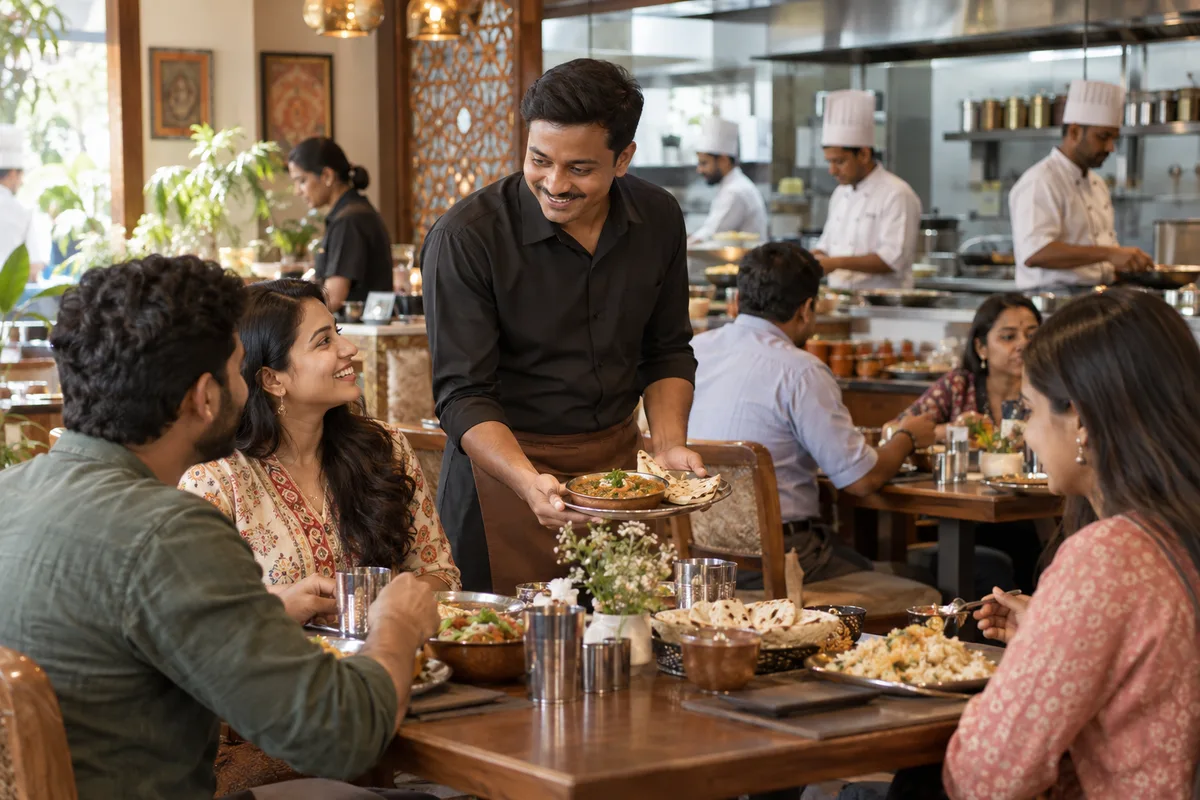
A diner sees three names, three ratings and three photographs. The place with a steaming handi in the first picture gets the tap, and the place with a photograph of an empty hall does not, however good the food.
“Late hours are a ranking and a promise”
A kitchen that runs past midnight on weekends but shows closing at eleven drops out for the post-match craving. Special hours for festival nights and match days belong on the profile before they arrive. Setting these hours ahead of time is a quiet, cheap fix.
“Reviews mention the meat”
Diners write that the mutton was tender or that the chicken tasted old. These lines are read by the next customer before the star rating. A reply that deals plainly with a complaint is read too.
“Two branches can compete with each other”
Outlets sharing a name and a nearby catchment can push each other out of the pack. Each branch needs its own verified profile, its own photographs of its own dining room and its own area.
What we do
What we deliver for non-vegetarian restaurants.
Every deliverable, what it covers for you, and the result it is there to produce. Nothing here is an extra.
Dish-led photographs on the profile
Daylight close-ups of the signature dishes, named in the caption, with one of the dining room and one of the entrance.
Result: The first photographs a diner sees show food, not a menu board.
Hours for weekends, festivals and match nights
Regular hours, special hours and the last order time set for the days that matter, including Ramzan evenings.
Result: The listing shows open on the nights people search.
A review ask at billing
A card or QR code handed over at the counter while the meal is fresh, with the link ready on a phone.
Result: The latest reviews come from people who recently ate.
Replies to every review that mentions the meat
A plain reply to each comment on freshness, portion or taste, written by the owner or in the owner's voice.
Result: A hesitant reader sees complaints answered in public.
Menu and dishes added to the profile
Dishes, prices and ordering links entered on the listing, matching the menu on the delivery apps.
Result: The same dish carries the same name and price everywhere.
How the result is measured
- Map pack ranking
- Local search visibility
- Enquiries by locality
Recorded as a baseline before work starts, so every later report has an honest comparison.
Who it is for
This is written for these non-vegetarian restaurants.
- Biryani restaurants
- Kebab and tandoor restaurants
- Seafood and coastal non-veg restaurants
- Dum and Mughlai restaurants
- Chicken and fried chicken specialists
- Mutton and goat meat specialists
- Late-night non-veg joints and highway restaurants
- Military hotels and regional meat restaurants
How it works
How the local SEO work runs
The work itself, in order. How an engagement starts, from your brief to a written scope, is set out on our method page.
- 1
Audit every listing
We check the Google Business Profile and directory listings for every branch against what should actually be shown.
- 2
Complete and correct
Profiles are filled in fully and inconsistent details are corrected across every directory found.
- 3
Build location pages
Each branch gets a page written for its own area, not a copy of the head office page with the address changed.
- 4
Set up review handling
A simple process for requesting and responding to reviews is put in place with whoever is closest to the customer.
- 5
Report and adjust
Map actions and enquiries per branch are recorded, and the branches falling behind come first in the next round of work.
Where this fits
Three pieces of sales work, in this order.
This work sits inside sales process design, at stage 1, prospecting and lead generation. The audit comes before it, and sales management keeps it running.
Step 1
Sales audit
Find where deals are being lost and what to fix first.
Start here if you cannot say where orders are lost.
Step 2 · you are here
Sales process design
One written way to sell, from first enquiry to repeat order.
Start here if every salesperson sells differently.
Step 3
Sales management
A target, a review routine and someone who owns the number.
Start here if the team has targets and no routine.
FAQ
Questions owners ask before they call.
Not here? More answers, or ask on WhatsApp.
Why do we appear on the apps but not on Maps?
Can we state halal or jhatka on the profile?
Is buying reviews a shortcut?
How much does it cost?
How long is the contract?
How soon will we see results?
Who will actually do the work?
What do you need from us?
What if we are not happy with the work?
More for non-vegetarian restaurants
Everything else we would do for you.
Closest to this: search and visibility
Also for non-vegetarian restaurants
Or start from the overview: sales and marketing for non-vegetarian restaurants.
Your next practical step
Tell us what you are trying to grow, and we will read it before we call.
Eight short steps, mostly taps. Skip anything you would rather answer on the call.