Non-vegetarian restaurants · Follow up systems
Turn a one-off biryani order into a customer who comes back every second Sunday.
A follow-up system for a non-vegetarian restaurant is the set of short messages and calls that reach a diner or a bulk enquirer after the first contact. GullySales works on who gets which message, what it says and which staff member sends it.
Scope, fee, reporting and term are agreed in writing after we have read your brief and spoken to you.
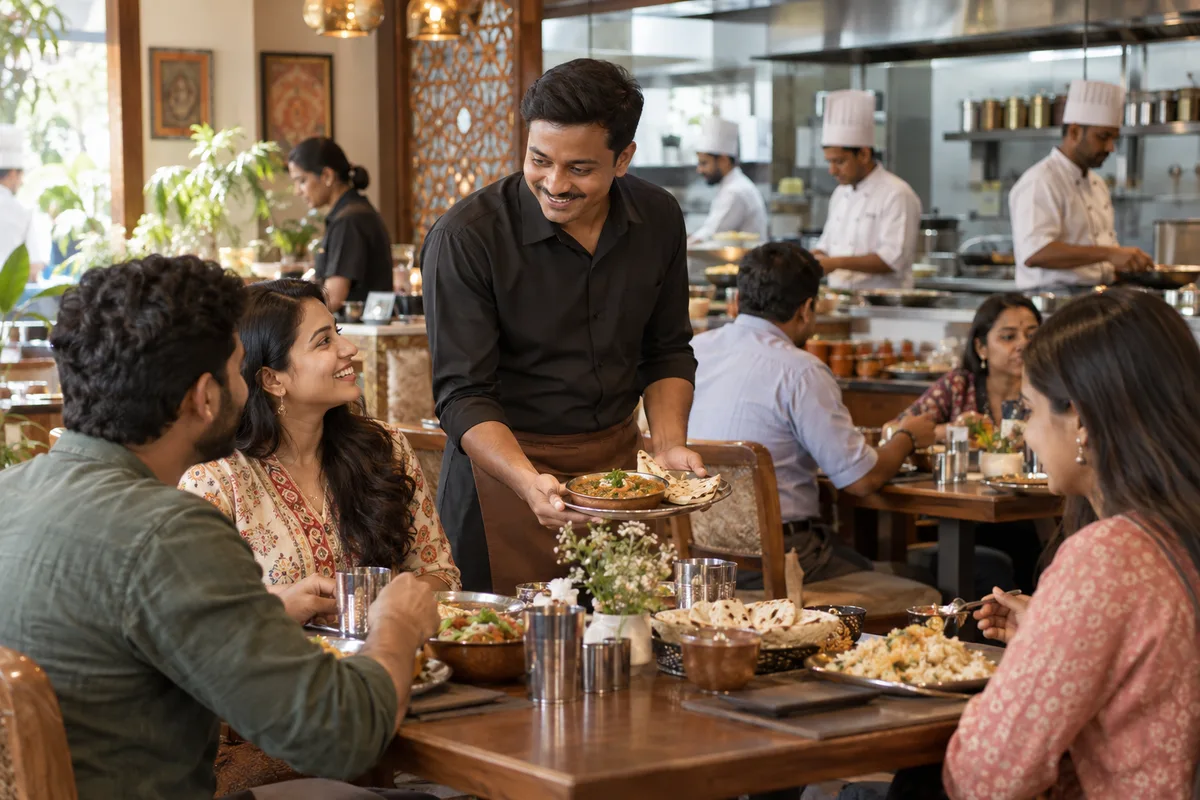
What follow up systems means
A follow-up system is the set routine for calling, messaging or emailing an enquiry more than once, since most buyers do not decide on the first conversation. GullySales sets the number and timing of follow-ups so an undecided buyer keeps hearing from you until they decide either way.
Also for non-vegetarian restaurants
Sales and marketing for non-vegetarian restaurants, the overview.
Last updated 18 Oct 2026.
For non-vegetarian restaurants
Where it usually goes wrong, and what we would do.
“The bulk enquiry goes cold in a day”
An office manager asks for a quote for forty plates and hears nothing back for two days. By then another kitchen has replied, and the order goes there without the first restaurant knowing it was in contention.
“Diners need a reason to return”
A first-time customer who liked the kebab will not remember the name in a fortnight. A kind note, a reminder of the weekend special and a thank-you after a large order keep the restaurant in mind.
“Too many messages get blocked”
A diner who receives a message every day mutes the number or reports it. A short, rare and relevant note, tied to a festival or a favourite dish, is read and valued. A written limit protects the list.
“A complaint followed up becomes a regular”
A diner who received a cold delivery and heard from the owner the same evening returns. The restaurant that ignored the complaint will never see them or the review they write. The call matters more than any voucher.
What we do
What we deliver for non-vegetarian restaurants.
Every deliverable, what it covers for you, and the result it is there to produce. Nothing here is an extra.
A reply to every bulk enquiry within the same service day
A standing rule that each enquiry gets a menu, a price and a name to call the same day, with a staff member responsible.
Result: No bulk enquiry sits unanswered overnight.
A thank-you after a large order
A short message to the planner after a party order, asking if the food reached on time and inviting a next booking.
Result: Every large order gets a personal note.
A festival reminder list
A message to opted-in diners ahead of Ramzan, Christmas and New Year's Eve with the set menu and the booking route.
Result: Only opted-in diners receive it.
A complaint response routine
A written routine for a cold delivery, a missing item or a poor review, saying who calls, what is offered and how it is recorded.
Result: Each complaint has an owner and a recorded outcome.
A rule for how much to write
A cap on messages per diner, so nobody hears from you beyond what the plan allows.
Result: The list is not flooded, and opt-outs are honoured.
How the result is measured
- Follow-up completion rate
- Average number of follow-ups before close
- Enquiries closed after repeat follow-up
Recorded as a baseline before work starts, so every later report has an honest comparison.
Who it is for
This is written for these non-vegetarian restaurants.
- Biryani restaurants
- Kebab and tandoor restaurants
- Seafood and coastal non-veg restaurants
- Dum and Mughlai restaurants
- Chicken and fried chicken specialists
- Mutton and goat meat specialists
- Late-night non-veg joints and highway restaurants
- Military hotels and regional meat restaurants
How it works
How the follow up systems work runs
The work itself, in order. How an engagement starts, from your brief to a written scope, is set out on our method page.
- 1
Measure today's reply time
From last month's enquiries, we measure how long each waited for a first reply and how many follow-ups it got.
- 2
Agree targets and the sequence
We set reply targets and the follow-up sequence with your team, based on its real hours and workload.
- 3
Set up templates, tasks and ownership
Templates, first-call questions, CRM tasks and named owners go live, with cover for leave and weekends.
- 4
Track and adjust every month
Reply time and follow-up completion are reported against the baseline, and the routine is changed where it is not kept.
Where this fits
Three pieces of sales work, in this order.
This work sits inside sales process design, at stage 2, qualification. The audit comes before it, and sales management keeps it running.
Step 1
Sales audit
Find where deals are being lost and what to fix first.
Start here if you cannot say where orders are lost.
Step 2 · you are here
Sales process design
One written way to sell, from first enquiry to repeat order.
Start here if every salesperson sells differently.
Step 3
Sales management
A target, a review routine and someone who owns the number.
Start here if the team has targets and no routine.
FAQ
Questions owners ask before they call.
Not here? More answers, or ask on WhatsApp.
What do we say to a diner who stopped ordering?
Who sends the messages?
Can follow-up be automated?
How much does it cost?
How long is the contract?
How soon will we see results?
Who will actually do the work?
What do you need from us?
More for non-vegetarian restaurants
Everything else we would do for you.
Closest to this: leads and follow-up
Also for non-vegetarian restaurants
Or start from the overview: sales and marketing for non-vegetarian restaurants.
Your next practical step
Tell us what you are trying to grow, and we will read it before we call.
Eight short steps, mostly taps. Skip anything you would rather answer on the call.