Quick-service restaurants · Buyer persona
Know who is at the counter at one, at four and at nine, and why.
A buyer persona for a quick-service restaurant describes a real type of customer or franchise buyer: where they are, what they order, when and why they pick your outlet. GullySales works on building these from your own counter and order records, with no invented figures.
Scope, fee, reporting and term are agreed in writing after we have read your brief and spoken to you.
What buyer persona means
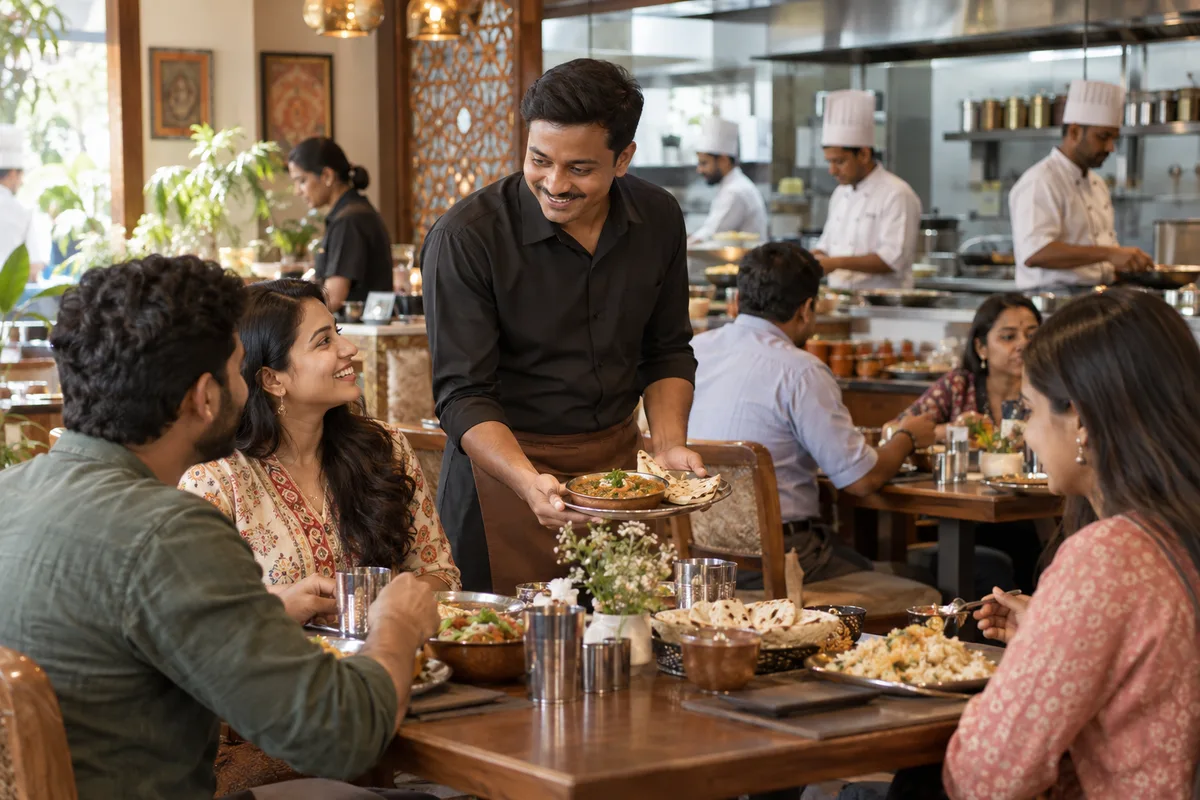
A buyer persona is a plain description of the kind of customer who actually buys from you. It includes what they search, what worries them and who else they ask before deciding. GullySales builds this from real enquiries and past sales rather than a generic template, then uses it to write every page and advert.
Also for quick-service restaurants
- Digital marketing for quick-service restaurants
- Lead generation for quick-service restaurants
- SEO for quick-service restaurants
- Local SEO for quick-service restaurants
- Social media marketing for quick-service restaurants
- Content marketing for quick-service restaurants
- CRM for quick-service restaurants
- Follow-up systems for quick-service restaurants
Sales and marketing for quick-service restaurants, the overview.
Last updated 18 Oct 2026.
For quick-service restaurants
Where it usually goes wrong, and what we would do.
“The lunch crowd and the evening crowd are not the same people”
At lunch the buyer is an office worker with a short break and a budget. At dusk it is a family or a group of students with time and appetite. One message for both is right for neither.
“The delivery buyer is a third person”
They are at home or at work, hungry, and choosing from a screen. They will never see the counter or the staff, so the photo, the rating and the combo name are the whole pitch.
“The franchise buyer is slower and more careful”
Often a family with a shop or plot, watching how running outlets perform before committing. They want to see busy outlets, speak to other franchisees and hear the brand head say the support terms plainly.
“The decision-maker and the payer may differ”
A student picks the place and a parent pays the pocket money. An office team orders for a meeting while the admin head approves. The persona names who decides and who pays.
What we do
What we deliver for quick-service restaurants.
Every deliverable, what it covers for you, and the result it is there to produce. Nothing here is an extra.
Counter observation notes
A record of who is at each outlet at different hours, what they order and how long they wait, taken by sitting at the counter.
Result: The personas rest on what was seen.
Order-record reading
A pass through the order data you already hold to find repeat patterns by hour, combo and outlet.
Result: Personas are tied to what sells.
One page per persona
A short sheet each for the office buyer, the student, the family, the delivery buyer and the franchise buyer.
Result: Each buyer type has a one-page description.
Messages mapped to each persona
The offer, the channel and the line to use for each buyer type, written in their own words.
Result: Every campaign names who it is for.
A franchise-buyer profile
What a property holder asks, fears and compares, set down for the brand head's use on calls.
Result: The franchise desk knows what the buyer will ask.
How the result is measured
- Enquiry match to persona
- Conversion rate by persona
- Content aligned to persona
Recorded as a baseline before work starts, so every later report has an honest comparison.
Who it is for
This is written for these quick-service restaurants.
- Burger, sandwich and wrap chains
- Biryani and rice-bowl counters
- South Indian tiffin and dosa counters
- Pizza and pasta quick-service brands
- Fried chicken and snack outlets
- Food-court outlets inside malls and tech parks
- Highway and fuel-station outlets
- Franchise brands selling their next outlets
How it works
How the buyer persona work runs
The work itself, in order. How an engagement starts, from your brief to a written scope, is set out on our method page.
- 1
Understand the current view
We start with how your team currently describes the customer, since the gap between belief and reality is often the finding itself.
- 2
Audit past enquiries and sales
We look at recent enquiries and closed deals to see who actually bought, not who was assumed to buy.
- 3
Interview customers and staff
Short, structured conversations surface the real language, worries and triggers behind a purchase.
- 4
Build the personas
Findings are written into short, usable persona documents rather than a long report.
- 5
Apply to your marketing
We show exactly where each persona should change a page, an ad or a script you already have.
Where this fits
Three pieces of sales work, in this order.
This work sits inside sales process design, at stage 0, foundation. The audit comes before it, and sales management keeps it running.
Step 1
Sales audit
Find where deals are being lost and what to fix first.
Start here if you cannot say where orders are lost.
Step 2 · you are here
Sales process design
One written way to sell, from first enquiry to repeat order.
Start here if every salesperson sells differently.
Step 3
Sales management
A target, a review routine and someone who owns the number.
Start here if the team has targets and no routine.
FAQ
Questions owners ask before they call.
Not here? More answers, or ask on WhatsApp.
How many personas do we need?
Can we build them without survey data?
Do personas change by city?
How much does it cost?
How long is the contract?
How soon will we see results?
Who will actually do the work?
What do you need from us?
What if we are not happy with the work?
More for quick-service restaurants
Everything else we would do for you.
Closest to this: strategy and research
Also for quick-service restaurants
Or start from the overview: sales and marketing for quick-service restaurants.
Your next practical step
Tell us what you are trying to grow, and we will read it before we call.
Eight short steps, mostly taps. Skip anything you would rather answer on the call.