Takeaway restaurants · Lead generation
Find the next regular before the evening rush starts.
Lead generation for a takeaway restaurant means gathering the names and numbers of people who may order again, plus hosts and offices that may order in bulk. GullySales works on where those leads first meet the shop, how their details are captured and who follows up.
Scope, fee, reporting and term are agreed in writing after we have read your brief and spoken to you.
What lead generation means
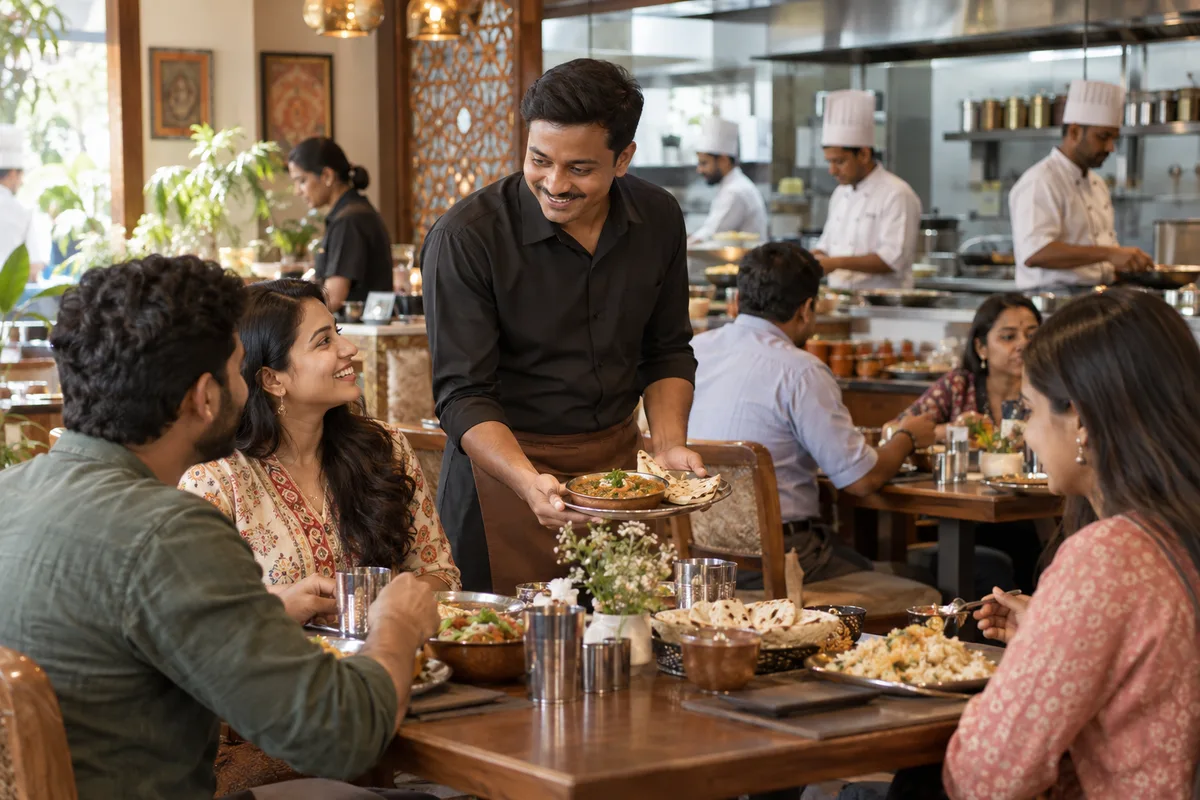
Lead generation is the combined work of every channel that brings in a new enquiry, whether from search, adverts, referrals or a stall at an exhibition. GullySales runs these channels together and reports the number of enquiries each one produced, not the activity behind it.
Also for takeaway restaurants
- CRM for takeaway restaurants
- Follow-up systems for takeaway restaurants
- SEO for takeaway restaurants
- Local SEO for takeaway restaurants
- Social media marketing for takeaway restaurants
- Content marketing for takeaway restaurants
- Buyer personas for takeaway restaurants
- WhatsApp marketing for takeaway restaurants
Sales and marketing for takeaway restaurants, the overview.
Last updated 18 Oct 2026.
For takeaway restaurants
Where it usually goes wrong, and what we would do.
“A walk-in is a lead only if the number is saved”
A customer collects a parcel, pays and leaves. The shop knows nothing about them afterwards. Billing is the only moment a name and a WhatsApp number can be asked for, so a lead that is not captured at the counter is gone for good.
“The big orders come from a few kinds of buyer”
Hosts planning a housewarming, office admins ordering lunch and supervisors booking boxes for a shift are the buyers behind large tickets. Each looks in a different place and wants a different first answer, so one general post reaches none of them.
“Phone enquiries die when the rush hour hides them”
A call during the dinner rush rings out or gets a rushed answer. The caller who asked about a tray for a function moves to the next number on the search result. A missed enquiry is a lost lead that never shows in the day's takings.
“Leads from a promotion go cold when nobody owns them”
A discount message brings a dozen replies, the cook is busy, and the replies sit unread until the offer has ended. Someone at the shop must own the inbox for that hour, or the spend is wasted.
What we do
What we deliver for takeaway restaurants.
Every deliverable, what it covers for you, and the result it is there to produce. Nothing here is an extra.
A lead capture line at billing
A printed line on the bill pad and a phrase for the counter staff to ask for a WhatsApp number and permission to message.
Result: Every opted-in number has a date and a source next to it.
A list of nearby offices and units
Offices, small factories, coaching centres and housing societies within reach of the shop, written out with the person to ask for.
Result: You hold a named list of places to approach.
A tray and box enquiry form
A short form or WhatsApp message format asking for date, headcount, dish and collection time, so the shop gets the facts at the first message.
Result: Each big enquiry arrives with the details needed to quote.
An enquiry log kept at the counter
A sheet or shared list recording each enquiry, who owns it and its status, so none is left to memory.
Result: You can see which enquiries are open and which were won.
A source tag on every lead
A note of whether the lead came from Google, WhatsApp, a flyer or a walk-in.
Result: You can tell which source sends the orders worth having.
How the result is measured
- Enquiries generated
- Cost per enquiry
- Enquiries by source
Recorded as a baseline before work starts, so every later report has an honest comparison.
Who it is for
This is written for these takeaway restaurants.
- Biryani and kebab takeaways
- South Indian tiffin and meals takeaways
- Chinese and Indo-Chinese takeaway counters
- Roll, shawarma and street-food takeaways
- Pizza and burger takeaways
- Thali and homestyle food takeaways
- Sweet and snack counters selling packed food
- Party-tray takeaways for family functions
How it works
How the lead generation work runs
The work itself, in order. How an engagement starts, from your brief to a written scope, is set out on our method page.
- 1
Understand your capacity
We agree how many enquiries your sales team can actually handle well, so the system is not built to overwhelm it.
- 2
Audit current sources
We check what already brings in enquiries today, even informally, before adding anything new.
- 3
Strategise the channel mix
Content, search and paid channels are chosen based on where your buyers already look.
- 4
Implement capture and follow-up
Pages, forms and a follow-up process are built and connected end to end.
- 5
Measure and optimise
We track enquiry volume and quality and adjust the channel mix to match.
Where this fits
Three pieces of sales work, in this order.
This work sits inside sales process design, at stage 1, prospecting and lead generation. The audit comes before it, and sales management keeps it running.
Step 1
Sales audit
Find where deals are being lost and what to fix first.
Start here if you cannot say where orders are lost.
Step 2 · you are here
Sales process design
One written way to sell, from first enquiry to repeat order.
Start here if every salesperson sells differently.
Step 3
Sales management
A target, a review routine and someone who owns the number.
Start here if the team has targets and no routine.
FAQ
Questions owners ask before they call.
Not here? More answers, or ask on WhatsApp.
Where should a small takeaway start with leads?
Do we need paid advertising to get leads?
How much does it cost?
How long is the contract?
How soon will we see results?
Who will actually do the work?
What do you need from us?
What if we are not happy with the work?
More for takeaway restaurants
Everything else we would do for you.
Closest to this: leads and follow-up
Also for takeaway restaurants
Or start from the overview: sales and marketing for takeaway restaurants.
Your next practical step
Tell us what you are trying to grow, and we will read it before we call.
Eight short steps, mostly taps. Skip anything you would rather answer on the call.