Camping and glamping operators · Follow up systems
Reply to the Thursday enquiry before the group books somewhere else.
A follow-up system for a camping or glamping operator decides who answers an enquiry, what they send and when to check back with a group that has not paid the advance. GullySales writes the replies and builds a daily list for the person who runs bookings.
Scope, fee, reporting and term are agreed in writing after we have read your brief and spoken to you.
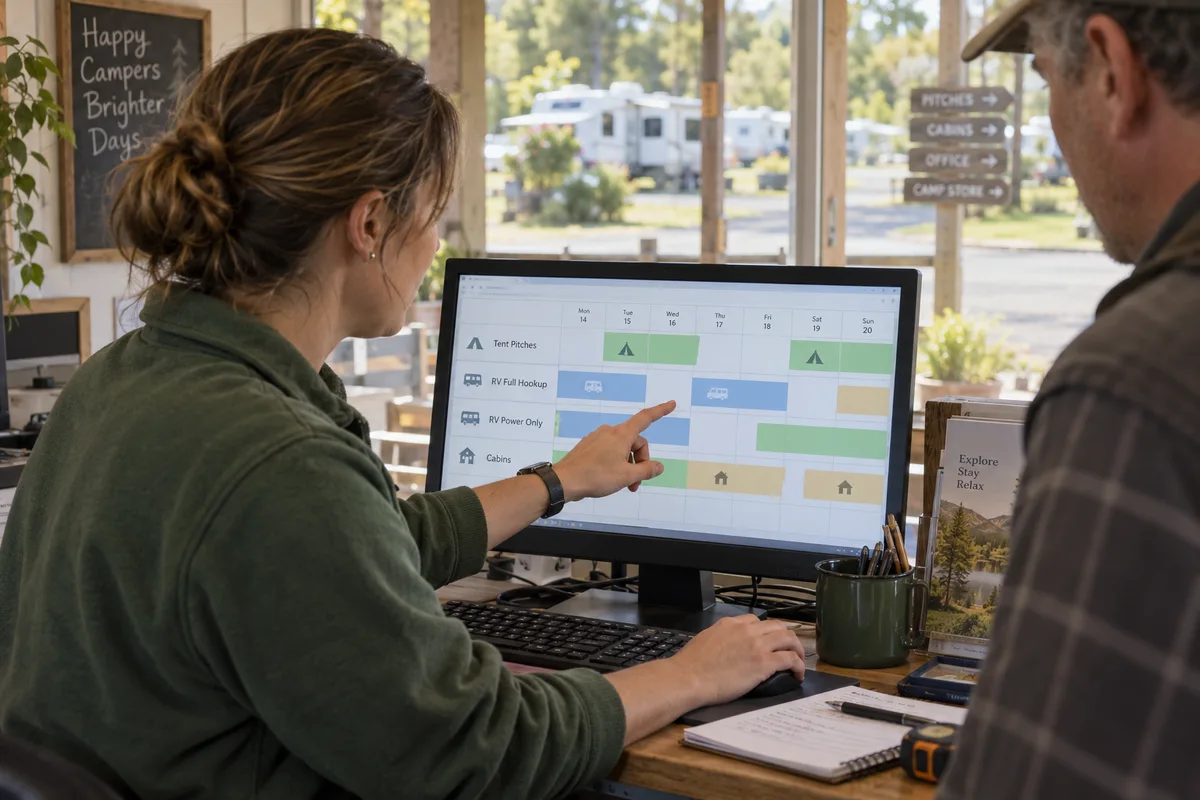
What follow up systems means
A follow-up system is the set routine for calling, messaging or emailing an enquiry more than once, since most buyers do not decide on the first conversation. GullySales sets the number and timing of follow-ups so an undecided buyer keeps hearing from you until they decide either way.
Also for camping and glamping operators
- Lead generation for camping and glamping operators
- CRM for camping and glamping operators
- SEO for camping and glamping operators
- Local SEO for camping and glamping operators
- Social media marketing for camping and glamping operators
- Content marketing for camping and glamping operators
- Buyer personas for camping and glamping operators
- WhatsApp marketing for camping and glamping operators
Sales and marketing for camping and glamping operators, the overview.
Last updated 13 Nov 2026.
For camping and glamping operators
Where it usually goes wrong, and what we would do.
“Weekend enquiries arrive midweek”
A group deciding on Thursday asks several camps at once. The one that replies with dates, price and a pin wins the booking.
“Silence after the quote means a discussion”
The organiser is asking the group. One helpful follow-up, such as the rain policy or a photograph of the tents, keeps you in the discussion.
“The days before arrival need messages”
Directions, what to carry and the check-in time sent before the trip prevent the late call from a lost car.
“Cancellations need a reply too”
A group that cancels because of rain or a quarrel is still a guest. A courteous reply that restates the credit rule and offers a later date keeps the relationship, and the freed tent can go to the next enquiry on the list.
What we do
What we deliver for camping and glamping operators.
The work available for this need. We agree the deliverables and responsibilities for your engagement in writing.
Reply templates
Ready replies for dates, price, tents, meals, rain and directions.
Result: Every enquiry gets a clear answer.
Follow-up ladder
A set of messages for enquiry, quote and advance stages, each adding one new fact.
Result: No enquiry is left after the first reply.
Pre-arrival message
A message with directions, check-in time, what to carry and a contact number for the last stretch.
Result: Guests arrive prepared.
After-stay message
A thank-you with a request for an honest review and an invitation for the next season.
Result: Guests hear from you after they leave.
Daily booking list
A list of enquiries to answer, quotes to chase and arrivals to prepare.
Result: The booking manager works from one list.
Waiting-list message
A message for groups that asked for a full weekend, saying their dates are noted, the order they are in and that the camp will write when a tent frees up.
Result: A cancelled tent goes to a named next group.
Rain-day message
A note sent on the morning of arrival when the forecast turns, restating the rain policy, offering the credit option and asking the organiser to confirm headcount.
Result: Weather decisions are made in writing, before the drive.
How the result is measured
- Follow-up completion rate
- Average number of follow-ups before close
- Enquiries closed after repeat follow-up
Recorded as a baseline before work starts, so every later report has an honest comparison.
What to capture or send
Fix the messages that move a group from enquiry to arrival.
- The reply to a midweek enquiry
- A message with dates, tent options, the price and the advance rule, sent when the group asks, not saved for later.
- After the quote goes quiet
- One message asking whether the dates are fixed, offering to hold the tent until a stated day.
- Before arrival
- A message with the route in, the check-in time, what to carry and the number to call if the signal drops.
- A rain or road change
- A message to booked groups setting out the camp's policy and the choice they have, sent as soon as the camp knows.
- After the stay
- A thank-you that asks for a review and mentions the next season's dates, sent only to guests who agreed.
Who it is for
This is written for these camping and glamping operators.
- Lakeside tent camps near Pune and Mumbai
- Glamping domes and luxury tents in the hills
- River rafting and riverside camps in Rishikesh
- Desert camps in Rajasthan
- Coffee estate and forest campsites in Coorg and Chikmagalur
- Himalayan camps in Himachal and Uttarakhand
- Caravan and bonfire sites near cities
- Corporate team camps and school outbound campsites
Not for
It is not the right fit if.
- Nobody can reply on a weekday evening, so a follow-up system would chase groups the camp has already lost.
- The advance and cancellation rules are not settled, and each message would say something different.
- You plan to message groups that said no, which the guest will remember when choosing a camp later.
Before you decide
Agree the work. Know how to judge it.
Follow-up systems for camping and glamping operators: use these checks to prepare, choose the scope, and review what changes.
Bring the right evidence
Trace recent enquiries from arrival to the last recorded action. Include a won enquiry, an unsuitable one, and one that went quiet, with personal details removed for the initial discussion.
Make the scope clear
Agree who accepts each enquiry, what makes it qualified, and how ownership changes. Include a rule for missed replies and a clear reason for closing an enquiry.
Check the work in use
Pick an enquiry at random and ask the team to find its owner, latest conversation, and next action. Check that the record agrees with what actually happened.
Know when to change course
If no one has capacity to respond, assign that responsibility before buying more leads. Automation can support the owner, but it cannot replace an unresolved handover.
These are discussion points, not a fixed package. GullySales confirms the deliverables, responsibilities, fee, and term in writing after reading your brief and speaking with you.
Before we start
What to have ready before the work starts.
The records, access and decisions this work needs from camping and glamping operators. Anything missing is noted in the written scope, with who will supply it.
- The enquiry chats from the last season
- To see where enquiries stall we need real threads. Bring chats with names removed, covering paid and unpaid groups. Without them the follow-up ladder is built on general habits instead of how your guests actually decide.
- Your advance and cancellation rule
- Messages must state what you really do. Bring the advance percentage-free in words, what is refundable, and what happens when a group shrinks. If the rule is not fixed, we hold the messages that mention it and ask you to decide.
- A named person for weekday replies
- The follow-up routine needs a phone and a person. If the manager is at the camp, say who covers. This choice is yours. Without it the ladder is written but not run, and the Tuesday enquiry still waits.
- Directions and arrival instructions
- The pre-arrival message depends on correct directions, parking and the time the gate opens. Bring them from the person who drives the route. Wrong directions in a message are worse than none, because guests act on them in the dark.
- Your rain-day decision
- Rain cancellations create the hardest messages. Decide whether you refund, shift the date, or keep the advance, and for which situations. A short note is enough. Without the decision the rain-day message stays vague and invites an argument.
How it works
How the follow up systems work runs
The work itself, in order. How an engagement starts, from your brief to a written scope, is set out on our method page.
- 1
Read how the last season's enquiries ended
We go through the chats and register to see what happened to each enquiry: who answered, how long the group waited, what was said when the advance did not come, and where the thread died. You tell us which losses you remember. We write down the starting counts of enquiries, advances and silent chats, so changes can be read honestly.
- 2
Decide who owns the reply on a weekday
A group asking on Tuesday for Saturday is a live booking, so we agree with you who replies, from which phone, and who covers when the manager has no signal. You make that choice. We write it as one line for the team and add the rule for when the owner steps in, such as large corporate groups.
- 3
Write the first reply and the nudge
We draft the first reply with dates, tent options and the advance, and a gentle nudge for groups that have not answered. You change the words until they sound like your camp. We keep the nudge short and free of pressure, since a group deciding among friends needs room to discuss. The wording avoids pressure words such as last chance, because a falsely urgent message makes a careful organiser distrust the camp.
- 4
Draft the pre-arrival and rain-day messages
These messages go to guests who have paid: the directions, what to carry, the arrival window, and what happens if it rains. You supply the real instructions, including the stretch without signal. The rain-day message states your actual policy so nobody is surprised at the gate. You check them against your real gate time and your actual policy before they are saved as templates.
- 5
Test the ladder on the team's phones
We run three pretend enquiries through the ladder: a family, a friend group and an office team. Staff reply, the nudge is sent, a cancellation is handled. You watch where the team hesitated. We then adjust the wording and the booking list the manager reads each morning. The manager's morning booking list, showing who is waiting for a reply and who owes a balance, is built from what these tests expose.
- 6
Compare silent chats against the starting count
We return to the starting count and see how many enquiries now have a reply logged, how many reached advance, and how many ended with a reason noted. You say what changed in the manager's routine. We keep the messages that moved groups forward and rewrite those that were ignored. The review also lists chats that ended without a reason, so the team learns why groups drop out.
Where this fits
Three pieces of sales work, in this order.
This work sits inside sales process design, at stage 2, qualification. The audit comes before it, and sales management keeps it running.
Step 1
Sales audit
Find where deals are being lost and what to fix first.
Start here if you cannot say where orders are lost.
Step 2 · you are here
Sales process design
One written way to sell, from first enquiry to repeat order.
Start here if every salesperson sells differently.
Step 3
Sales management
A target, a review routine and someone who owns the number.
Start here if the team has targets and no routine.
FAQ
Questions owners ask before they call.
Not here? More answers, or ask on WhatsApp.
How firm should the advance policy be?
What if the group changes size?
Should we call or message?
How should a campsite handle a group that cancels after paying the advance?
Should we call or message a group that has gone quiet?
What should we say when a group asks to reduce its size after paying?
How much does it cost?
How long is the contract?
How soon will we see results?
Who will actually do the work?
More for camping and glamping operators
Related work to consider.
Closest to this: leads and follow-up
Also for camping and glamping operators
Or start from the overview: sales and marketing for camping and glamping operators.
Your next practical step
Tell us what you are trying to grow, and we will read it before we call.
Eight short steps, mostly taps. Skip anything you would rather answer on the call.