Cold-chain logistics providers · Follow up systems
Chase the quote, the trial trip and the standing route with a plan, not memory.
A follow-up system for a cold-chain provider is the set of rules that decides who contacts a shipper after a quote, a trial trip or a fault, and what they say. GullySales writes those rules and the message set so no shipper is forgotten.
Scope, fee, reporting and term are agreed in writing after we have read your brief and spoken to you.
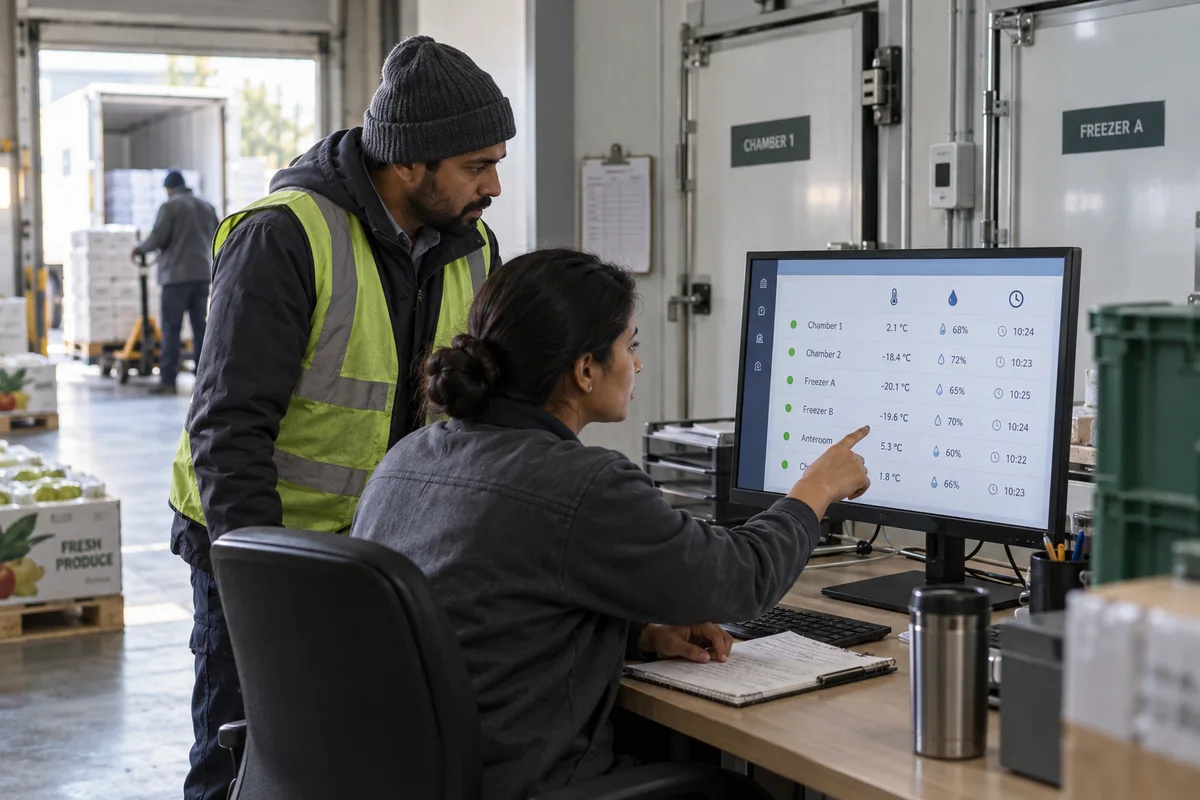
What follow up systems means
A follow-up system is the set routine for calling, messaging or emailing an enquiry more than once, since most buyers do not decide on the first conversation. GullySales sets the number and timing of follow-ups so an undecided buyer keeps hearing from you until they decide either way.
Also for cold-chain logistics providers
- Lead generation for cold-chain logistics providers
- CRM for cold-chain logistics providers
- SEO for cold-chain logistics providers
- Local SEO for cold-chain logistics providers
- Social media marketing for cold-chain logistics providers
- Content marketing for cold-chain logistics providers
- Buyer personas for cold-chain logistics providers
- WhatsApp marketing for cold-chain logistics providers
Sales and marketing for cold-chain logistics providers, the overview.
Last updated 18 Oct 2026.
For cold-chain logistics providers
Where it usually goes wrong, and what we would do.
“A quote sent at night is forgotten by the morning”
A logistics head asks three providers for a rate, picks one by the time the loading slot closes, and never replies to the others. If your quote is not followed up on the same working day, the shipper has already chosen.
“A clean trip is a chance that other providers ignore”
After a successful trial the shipper is open to a standing route. A message sent with the trip log and a route offer converts goodwill into a plan, while silence lets the next fault at another provider decide.
“After a fault the follow-up is the product”
When a unit fails and the backup arrives, the shipper's quality head watches what happens next. A written account of what went wrong, what was done and what has changed shows the relationship is safe.
“Lost shippers return when the other provider fails”
A shipper who said no this season may call after a bad trip elsewhere. A light, regular note keeps your name and route list in front of them for that day.
What we do
What we deliver for cold-chain logistics providers.
Every deliverable, what it covers for you, and the result it is there to produce. Nothing here is an extra.
A follow-up rule for each stage
Who contacts, by which channel and with what message after a quote, a trial trip, a delivery and a complaint.
Result: A written rule for every stage, not a habit.
A message set for quotes and trips
Short messages for quote follow-up, trial-trip thanks with the log, standing-route offer and post-fault account.
Result: Messages the team can send without drafting.
An after-fault account template
A plain structure covering what happened, the cargo condition, the action taken and the change made.
Result: A document ready to send when a fault occurs.
A lapsed-shipper list with a reason for each
Shippers who went quiet, with the last conversation and a reason to contact them again, such as a new route or season.
Result: A list of people worth a call, with a reason.
An owner for every open quote
A column showing who holds each quote and when it was last touched.
Result: No quote sits without a named person.
How the result is measured
- Follow-up completion rate
- Average number of follow-ups before close
- Enquiries closed after repeat follow-up
Recorded as a baseline before work starts, so every later report has an honest comparison.
What to capture or send
The moments in a reefer sale that need a message, a note and an owner.
- Quote sent for a lane
- Note the cargo, band, lane and who received it. The owner of the quote places the next call.
- Trial trip booked
- Send a confirmation naming the vehicle and the pickup details, and ask the quality contact what record they want back.
- Trial trip delivered
- Share the log and a short account of the run with both the logistics and quality contacts.
- A fault on a trip
- Send the facts, what was done and the cargo status the same day, before the shipper asks.
- Standing route proposed
- Offer the route with the days and band written plainly, and record the decision date the shipper gave.
- Lapsed shipper
- Record why the shipper left and the date. Contact them only when you have something new to show for that reason.
Who it is for
This is written for these cold-chain logistics providers.
- Reefer truck operators for dairy, ice cream and frozen foods
- Temperature-controlled transport for pharma and healthcare distributors
- Seafood and meat transport from ports and processing units
- Fruit, vegetable and flower carriers on long routes
- Multi-temperature vehicle and shared reefer load operators
- Insulated box and last-mile cold delivery services
- Cold chain providers serving retail and QSR chains
- Reefer container haulage near ports and inland depots
Not for
It is not the right fit if.
- Quotes leave from several phones with no record, so there is nothing to chase.
- You have no one who owns each open quote, so reminders would go to nobody.
- The owner wants automated messages, but fault reports and trial results need a person's voice.
How it works
How the follow up systems work runs
The work itself, in order. How an engagement starts, from your brief to a written scope, is set out on our method page.
- 1
Measure today's reply time
From your recent enquiries, we set the time each arrived against its first reply, using the call log, chats, form entries and portal panel. We also count the follow-ups each one got.
- 2
Agree targets and the sequence
We set reply targets and the follow-up sequence with your team, based on its real hours and workload.
- 3
Write the templates and first-call questions
The first reply, the quote follow-up and the last attempt are written in your voice and loaded as quick replies. The first-call questions are agreed with your best salesperson.
- 4
Set ownership, tasks and alerts
Named owners, cover for leave and CRM or sheet tasks go live. App alerts, such as IndiaMART's, are switched on for the right phones.
- 5
Track and adjust
Reply time and follow-up completion are reported against the baseline, and the routine is changed where it is not kept. How often you are reported to is agreed in writing.
Where this fits
Three pieces of sales work, in this order.
This work sits inside sales process design, at stage 2, qualification. The audit comes before it, and sales management keeps it running.
Step 1
Sales audit
Find where deals are being lost and what to fix first.
Start here if you cannot say where orders are lost.
Step 2 · you are here
Sales process design
One written way to sell, from first enquiry to repeat order.
Start here if every salesperson sells differently.
Step 3
Sales management
A target, a review routine and someone who owns the number.
Start here if the team has targets and no routine.
FAQ
Questions owners ask before they call.
Not here? More answers, or ask on WhatsApp.
How many times should we chase a quote?
Is it acceptable to message a quality head on WhatsApp?
What if the shipper never replies?
What should follow a fault on a trip?
How much does it cost?
How long is the contract?
How soon will we see results?
Who will actually do the work?
What do you need from us?
What if we are not happy with the work?
More for cold-chain logistics providers
Everything else we would do for you.
Closest to this: leads and follow-up
Also for cold-chain logistics providers
Or start from the overview: sales and marketing for cold-chain logistics providers.
Your next practical step
Tell us what you are trying to grow, and we will read it before we call.
Eight short steps, mostly taps. Skip anything you would rather answer on the call.