Cold-chain logistics providers · Social media
Show the vehicle, the logger and the loading bay, because shippers judge process by sight.
Social media marketing for a cold-chain provider is a record of how your trips are run, shown to the shippers and trade contacts who follow it. GullySales plans what to post from the yard, the road and the delivery, and sets the rules for what stays private.
Scope, fee, reporting and term are agreed in writing after we have read your brief and spoken to you.
What social media means
Social media is the ongoing posting your business does on platforms such as Instagram, Facebook and LinkedIn to stay visible to customers and prospects between purchases. GullySales plans a posting calendar, writes captions and designs the images so the page looks active and answers what a visitor would ask.
Also for cold-chain logistics providers
- Content marketing for cold-chain logistics providers
- Lead generation for cold-chain logistics providers
- SEO for cold-chain logistics providers
- Local SEO for cold-chain logistics providers
- Buyer personas for cold-chain logistics providers
- CRM for cold-chain logistics providers
- Follow-up systems for cold-chain logistics providers
- WhatsApp marketing for cold-chain logistics providers
Sales and marketing for cold-chain logistics providers, the overview.
Last updated 18 Oct 2026.
For cold-chain logistics providers
Where it usually goes wrong, and what we would do.
“Logistics heads follow on LinkedIn, drivers and small shippers on WhatsApp and Instagram”
A pharma distributor's supply chain manager reads LinkedIn. A fruit packer or sweet maker is more likely to see a video forwarded on a chat. The same loading clip needs a different caption for each, and not every platform is worth the effort.
“A photo of a full truck shows nothing about temperature”
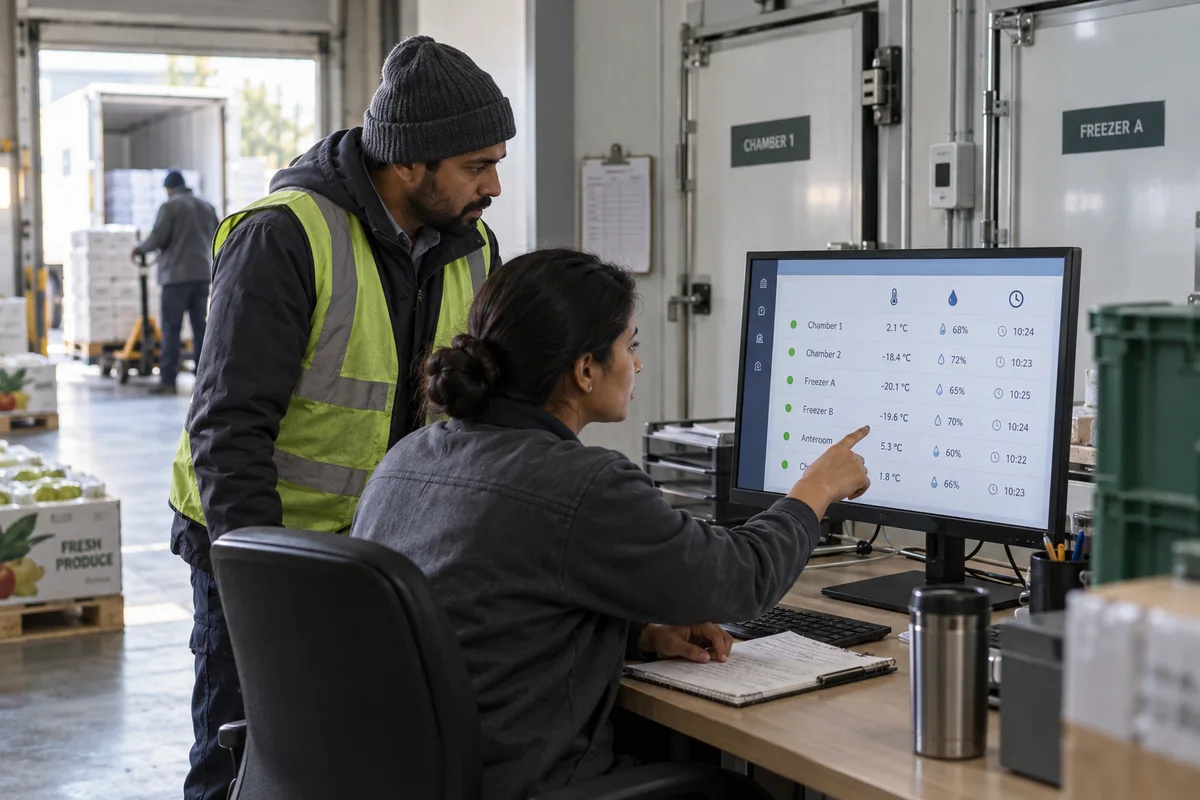
A reefer on the road looks the same as a dry van. The posts that tell a buyer something show the pre-cooling in progress, the logger being placed, the display reading and the door being sealed.
“Cargo and shipper names are not yours to post”
A carton with a brand on it or a plant gate in the background identifies a client. Without the shipper's agreement the post can damage the relationship it is meant to win, so check before anything goes up.
“A breakdown handled well is better content than a clean month”
A cooling unit fault, the backup vehicle arriving and the cargo transferred is the story a quality head wants to read. Written without blame and without client detail, it shows the plan working.
What we do
What we deliver for cold-chain logistics providers.
Every deliverable, what it covers for you, and the result it is there to produce. Nothing here is an extra.
A post plan built on trip stages
Pre-cool, load, seal, monitor, hand over, each a repeatable post type with a short caption format.
Result: A set of post types your yard staff can photograph.
A rule sheet for what may be shown
Which photos need a shipper's agreement, what to crop out, and who approves a post before it goes live.
Result: A single page every driver and supervisor can follow.
LinkedIn profile for the company
Company page, headline and featured posts written for supply chain and quality managers.
Result: A page that reads as a provider with a process.
A short video routine for the yard
A simple way to record a loading check on a phone, with the angle and the caption format fixed.
Result: Usable clips from ordinary loading, without a studio.
Platform check before each campaign
A note of what each platform currently allows for business promotion, to be checked against its current rules.
Result: Posts and adverts that match the platform's present rules.
How the result is measured
- Posts published
- Engagement rate
- Enquiries from social profiles
Recorded as a baseline before work starts, so every later report has an honest comparison.
Posts and pieces to plan
What a reefer operator can show that a logistics or quality head will trust.
- Pre-cooling before loading
- A short clip of the unit running with the display visible and the empty body, posted without the shipper's name.
- A logger read at delivery
- A photo of the printed or digital record handed over, with the cargo and shipper details blurred.
- The yard at night
- A video of vehicles being checked before a night departure, with a plain caption naming the checks made.
- A breakdown handled
- Describe a fault, the backup vehicle sent and the handover, once the shipper has agreed to the post.
- Insulated box packing
- A clip for small shippers showing how a box is packed, with the coolant used and the cargo it suits.
Who it is for
This is written for these cold-chain logistics providers.
- Reefer truck operators for dairy, ice cream and frozen foods
- Temperature-controlled transport for pharma and healthcare distributors
- Seafood and meat transport from ports and processing units
- Fruit, vegetable and flower carriers on long routes
- Multi-temperature vehicle and shared reefer load operators
- Insulated box and last-mile cold delivery services
- Cold chain providers serving retail and QSR chains
- Reefer container haulage near ports and inland depots
Not for
It is not the right fit if.
- Your drivers are not allowed to take photos at the shipper's site, so the content would come from stock images.
- You have not asked shippers whether their cargo or name may appear, and a post without consent would damage the relationship.
- No one can answer a comment or message on the same day, so interest would go cold in public.
How it works
How the social media work runs
The work itself, in order. How an engagement starts, from your brief to a written scope, is set out on our method page.
- 1
Confirm audience, platforms and access
We note which platforms your buyers use and check that the pages sit under your own business accounts, with you as owner and us as added roles.
- 2
Review the current presence
We read the existing pages, the posts that drew replies and the gaps in posting.
- 3
Build the calendar
Themes, formats and dates are set out for your approval, with space for offers and news.
- 4
Create, approve and publish
Posts are made, approved by you and scheduled. Replies to the public are handled in your voice.
- 5
Record enquiries and adjust
Enquiries are logged against the post or platform where they began, and the mix changes to follow what brings them.
Where this fits
Three pieces of sales work, in this order.
This work sits inside sales process design, at stage 0, foundation. The audit comes before it, and sales management keeps it running.
Step 1
Sales audit
Find where deals are being lost and what to fix first.
Start here if you cannot say where orders are lost.
Step 2 · you are here
Sales process design
One written way to sell, from first enquiry to repeat order.
Start here if every salesperson sells differently.
Step 3
Sales management
A target, a review routine and someone who owns the number.
Start here if the team has targets and no routine.
FAQ
Questions owners ask before they call.
Not here? More answers, or ask on WhatsApp.
Should we post on every platform?
Can drivers post from the road?
Do posts bring loads?
Can we post a client's cargo or logo?
How much does it cost?
How long is the contract?
How soon will we see results?
Who will actually do the work?
What do you need from us?
What if we are not happy with the work?
More for cold-chain logistics providers
Everything else we would do for you.
Closest to this: content and social
Also for cold-chain logistics providers
Or start from the overview: sales and marketing for cold-chain logistics providers.
Your next practical step
Tell us what you are trying to grow, and we will read it before we call.
Eight short steps, mostly taps. Skip anything you would rather answer on the call.