Cold storage operators · Digital marketing
Put your chambers in front of buyers online before the season fixes where stock goes.
Digital marketing for a cold store is the mix of search, listings, messages and outreach that places the operator in front of traders, farmer groups and food brands. GullySales chooses the mix from where your bookings now come from and builds the parts that are missing.
Scope, fee, reporting and term are agreed in writing after we have read your brief and spoken to you.
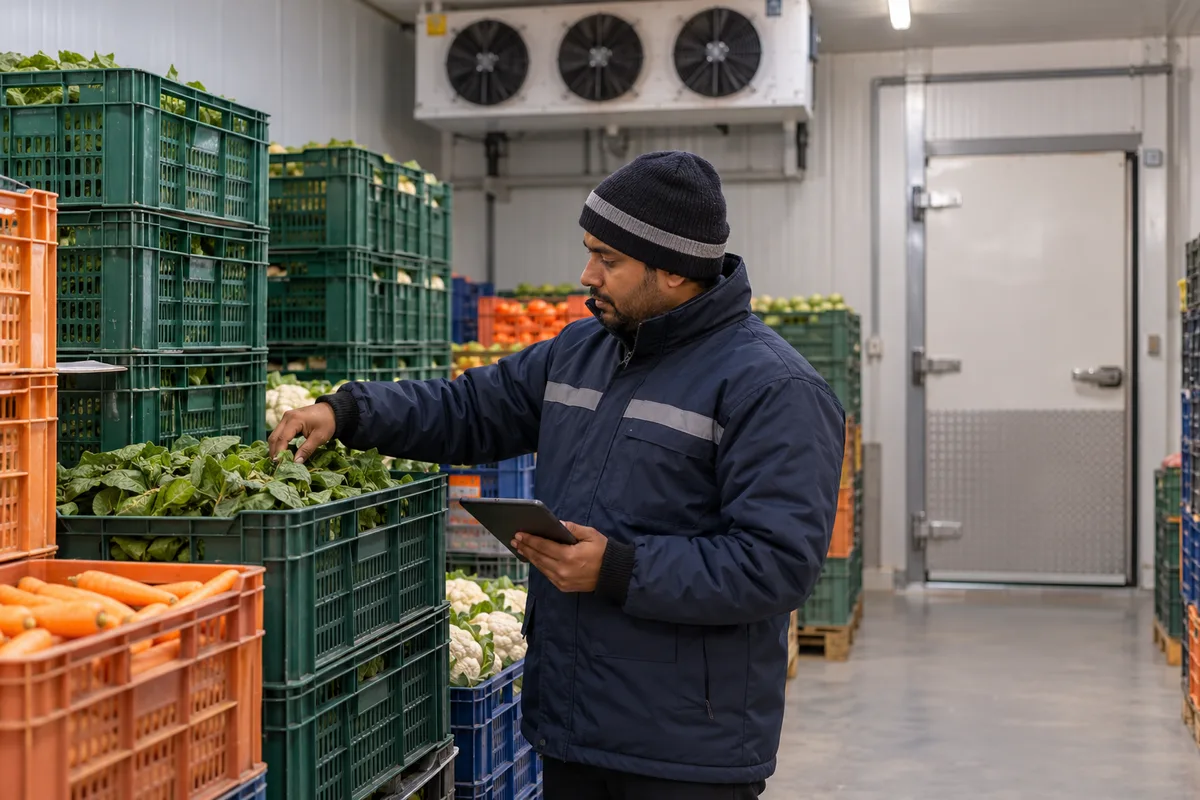
What digital marketing means
Digital marketing is the combined work of search, social media, advertising and website channels running together rather than as separate projects with separate people. GullySales runs these as one connected system so a change in one channel, such as a new offer, is reflected everywhere at once.
Also for cold storage operators
- Buyer persona for cold storage operators
- SEO for cold storage operators
- Local SEO for cold storage operators
- Lead generation for cold storage operators
- WhatsApp marketing for cold storage operators
- CRM for cold storage operators
- Sales process for cold storage operators
- Referral marketing for cold storage operators
Sales and marketing for cold storage operators, the overview.
Last updated 6 Oct 2026.
For cold storage operators
Where it usually goes wrong, and what we would do.
“The season sets the calendar”
A trader looks for space in the weeks before the crop arrives. Spend or effort placed after the chambers are booked is wasted, so the online plan has to run ahead of the harvest, crop by crop.
“Search is local and specific”
A buyer types the crop and the district with cold storage. A page that says which crops the store holds, and where it is, matches that search far better than a general logistics page.
“Food brands are found, not advertised to”
A year-round buyer in dairy or pharmaceuticals is reached by direct outreach and a clear compliance page, rather than by general advertising. The channel follows the buyer, not the other way round.
“Online enquiries need an offline answer”
A trader who finds you online still wants to speak to someone and see the store. The digital work fails if the call that follows is slow, so the route from enquiry to a visit is part of the plan.
What we do
What we deliver for cold storage operators.
Every deliverable, what it covers for you, and the result it is there to produce. Nothing here is an extra.
A channel plan by buyer
A plan assigning search, listings, WhatsApp, LinkedIn and direct outreach to the buyers each reaches.
Result: You know why each channel is used and for whom.
A Google Business Profile for the store
A complete, accurate profile with location, crops, hours, photos and a number the team answers.
Result: Searches for storage near the produce show your details.
Crop and district pages on the website
Pages naming the commodities held and the area served, linked from the profile and from guides.
Result: A buyer searching a crop and place lands on a matching page.
A seasonal campaign calendar
Dates for each push placed ahead of each crop's booking window, with the audience for each.
Result: Campaigns run before the buyer decides, not after.
A source-tagged enquiry record
Every enquiry marked by where it came from, whether a search, a message, a referral or outreach.
Result: You can see which channel brings bookings and which brings noise.
How the result is measured
- Enquiries across channels
- Cost per enquiry overall
- Channel mix by contribution
Recorded as a baseline before work starts, so every later report has an honest comparison.
Searches your buyers type
The searches that tell a cold store where an online channel earns its place.
- cold storage near plus district and crop
- The clearest sign of a trader. Answer with the crop page and the store profile with a working phone number.
- cold storage rates
- A comparison search. Say how a charge is explained and invite a call, not print a rate that will change.
- frozen food storage for hire
- A food brand's search. Answer with the conditions and monitoring page, not an advert.
- pharma cold storage warehouse
- A distributor searching. Answer with a page on your monitored range and records, in the words a quality manager uses.
- Your store's name
- A trader who knows you checks if you are open. The first result should show the hours and the booking notice.
Who it is for
This is written for these cold storage operators.
- Agricultural cold storage
- Multi-commodity cold stores
- Cold storage for dairy and frozen foods
- Pharmaceutical and vaccine storage
- Cold storage with a transport arm
- Controlled atmosphere storage
Not for
It is not the right fit if.
- Your chambers fill every season by word of mouth and you cannot take more stock.
- You cannot trace which channel brought a booking, so spend could not be judged.
- The site does not load on a weak signal, and traders would leave.
How it works
How the digital marketing work runs
The work itself, in order. How an engagement starts, from your brief to a written scope, is set out on our method page.
- 1
Agree the one aim
We settle what the campaign must achieve, such as enquiries for a launch or footfall for an event, and the date it must be live.
- 2
Check what is ready
We list the channels you already run, who runs them, and what each can produce in the time available. Anything that cannot be done properly is left out.
- 3
Write the idea and the message sheet
We draft the one-sentence idea, test it against each planned format, and fix the wording that all channels will copy.
- 4
Brief every channel from the same sheet
Your agency, freelancer or in-house person receives the message sheet and calendar. Their work is checked against the sheet before it goes out.
- 5
Run on the shared calendar
Channels go live together. If the offer changes, every channel is changed on the same day from the same sheet.
- 6
Measure as one campaign
Enquiries and orders are read against the baseline. The reporting schedule is agreed in writing with the scope.
Where this fits
Three pieces of sales work, in this order.
This work sits inside sales process design, at stage 0, foundation. The audit comes before it, and sales management keeps it running.
Step 1
Sales audit
Find where deals are being lost and what to fix first.
Start here if you cannot say where orders are lost.
Step 2 · you are here
Sales process design
One written way to sell, from first enquiry to repeat order.
Start here if every salesperson sells differently.
Step 3
Sales management
A target, a review routine and someone who owns the number.
Start here if the team has targets and no routine.
FAQ
Questions owners ask before they call.
Not here? More answers, or ask on WhatsApp.
Should we run paid ads?
How do we know digital is working?
Do we need a bigger website first?
Should a cold store run paid ads in booking season?
How much does it cost?
How long is the contract?
How soon will we see results?
Who will actually do the work?
What do you need from us?
What if we are not happy with the work?
From the blog
Further reading for cold storage operators.
 5 min read · 6 Oct 2026What traders ask a cold store before they book spaceA trader rings three cold stores before the season and books with the one that answers capacity, rate, loading dates and power backup on the first call. Here is what to have ready.
 6 min read · 6 Oct 2026How shippers pick a provider for the first loadPlants and online sellers test new logistics providers on one lane, one route or one product line. This post explains what the trial tests, what vendor forms ask and what decides the next load.
 8 min read · 2 Jul 2026How cold stores fill the off-seasonIdle chambers still burn power and wages. Fill them with a second commodity whose season sits opposite your main crop, and with food and pharma buyers who need space all year.
More for cold storage operators
Everything else we would do for you.
Closest to this: strategy and research
Also for cold storage operators
Or start from the overview: sales and marketing for cold storage operators.
Your next practical step
Tell us what you are trying to grow, and we will read it before we call.
Eight short steps, mostly taps. Skip anything you would rather answer on the call.