Cold storage operators · Social media
Show the chambers, the logs and the loading bay where traders and food brands already look.
Social media marketing for a cold store means posting proof of how the chambers are run to the traders, farmer groups and food businesses who follow the trade. GullySales plans what the operator posts, who sees it and how a comment becomes an enquiry.
Scope, fee, reporting and term are agreed in writing after we have read your brief and spoken to you.
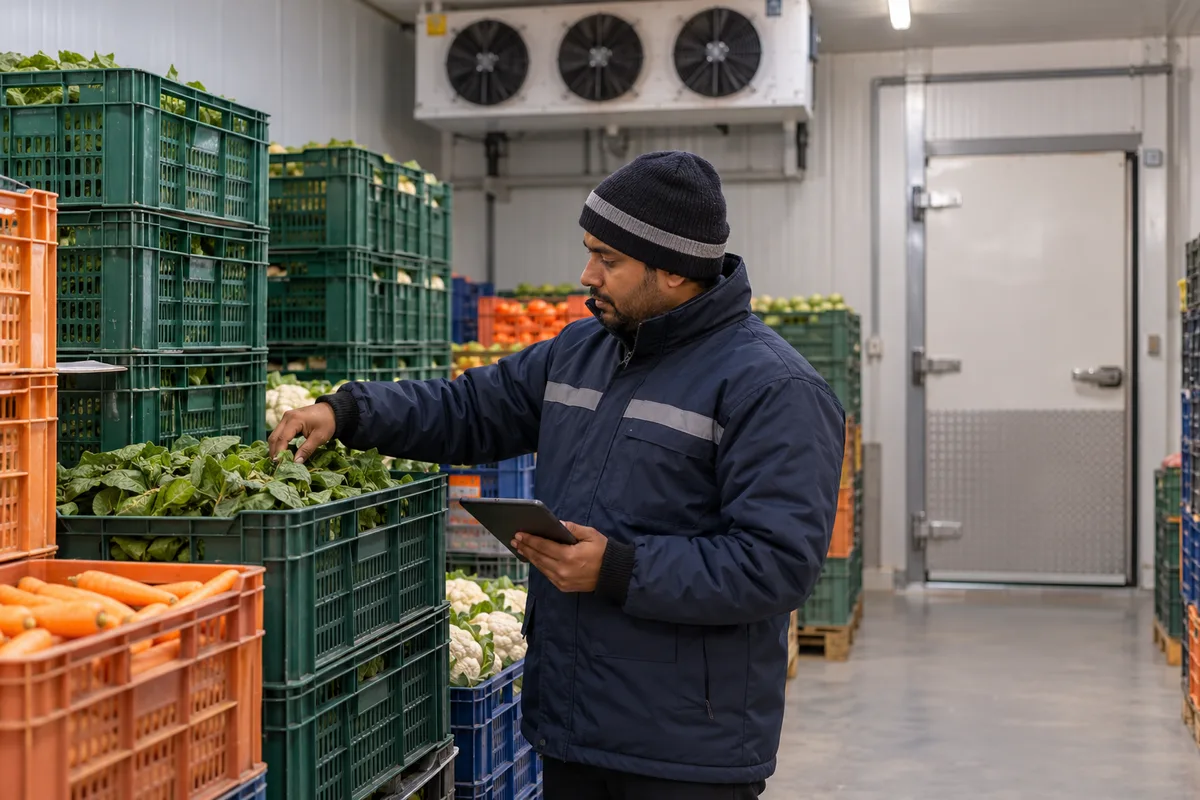
What social media means
Social media is the ongoing posting your business does on platforms such as Instagram, Facebook and LinkedIn to stay visible to customers and prospects between purchases. GullySales plans a posting calendar, writes captions and designs the images so the page looks active and answers what a visitor would ask.
Also for cold storage operators
- Content marketing for cold storage operators
- SEO for cold storage operators
- Local SEO for cold storage operators
- Lead generation for cold storage operators
- WhatsApp marketing for cold storage operators
- CRM for cold storage operators
- Sales process for cold storage operators
- Referral marketing for cold storage operators
Sales and marketing for cold storage operators, the overview.
Last updated 6 Oct 2026.
For cold storage operators
Where it usually goes wrong, and what we would do.
“Traders trust what they can see”
A potato or fruit trader deciding where to store stock wants to see the chamber floor, the stacking and the loading bay. A short video of an empty, clean chamber before the season does more than a line saying the store is reliable.
“LinkedIn reaches the year-round buyer”
The procurement head of a dairy, frozen food or pharmaceutical distributor does not scroll farm groups. They look for logistics partners on LinkedIn, so the compliance and monitoring story belongs there, written for a quality manager.
“Capacity posts go stale without a date”
A post announcing space in a chamber misleads once the space is booked. Each capacity post needs the commodity, the chamber and a plain note when it is full, or the trader rings and finds it gone.
“A comment is an enquiry waiting”
A trader asking the rate under a post is a lead. If the reply says to message privately and nobody then follows up on WhatsApp, the lead is lost in public view.
What we do
What we deliver for cold storage operators.
Every deliverable, what it covers for you, and the result it is there to produce. Nothing here is an extra.
A posting plan by buyer
Separate plans for traders and farmer groups, and for food and pharmaceutical buyers, with the platform each group uses.
Result: The owner can see which posts are meant for whom.
A chamber and loading photo routine
A short list of what to photograph and film at the store, and who on the site does it safely.
Result: The store has a bank of real images, not stock pictures.
Capacity post templates
A standard format with commodity, chamber, availability date and a closing note when space is taken.
Result: Every capacity post carries the details a trader needs.
A comment-to-WhatsApp handover
A routine that moves a public question about rate or space to a direct conversation and logs it.
Result: Each social enquiry appears in the enquiry list with its source.
A LinkedIn page for compliance buyers
A company page that presents monitoring, backup power and hygiene evidence for quality and procurement teams.
Result: A food brand's buyer finds the evidence without asking.
How the result is measured
- Posts published
- Engagement rate
- Enquiries from social profiles
Recorded as a baseline before work starts, so every later report has an honest comparison.
Posts and pieces to plan
What a cold store can post that a trader or a food brand will believe.
- The empty chamber before loading
- A short video of a cleaned, empty chamber with the temperature display in view, posted before the season opens.
- Stacking and loading in the bay
- A clip of crates or bags being stacked, with a line on the commodity and the packing you accept.
- A temperature log explained
- A photo of the monitoring screen or printed log for a food brand's quality head, with no client details.
- Capacity notice
- A post naming the crop, the chamber and the date it was written. Add a closing note when the space is taken.
- Backup power at the plant
- A photo of the generator and a line on when it starts, written for a pharma or dairy buyer.
Who it is for
This is written for these cold storage operators.
- Agricultural cold storage
- Multi-commodity cold stores
- Cold storage for dairy and frozen foods
- Pharmaceutical and vaccine storage
- Cold storage with a transport arm
- Controlled atmosphere storage
Not for
It is not the right fit if.
- Your site has no safe place to film, so posts would come from the office.
- You cannot answer comments the same day, which leaves traders waiting in public.
- You want to post goods stored for clients, who may not wish to be shown.
How it works
How the social media work runs
The work itself, in order. How an engagement starts, from your brief to a written scope, is set out on our method page.
- 1
Confirm audience, platforms and access
We note which platforms your buyers use and check that the pages sit under your own business accounts, with you as owner and us as added roles.
- 2
Review the current presence
We read the existing pages, the posts that drew replies and the gaps in posting.
- 3
Build the calendar
Themes, formats and dates are set out for your approval, with space for offers and news.
- 4
Create, approve and publish
Posts are made, approved by you and scheduled. Replies to the public are handled in your voice.
- 5
Record enquiries and adjust
Enquiries are logged against the post or platform where they began, and the mix changes to follow what brings them.
Where this fits
Three pieces of sales work, in this order.
This work sits inside sales process design, at stage 0, foundation. The audit comes before it, and sales management keeps it running.
Step 1
Sales audit
Find where deals are being lost and what to fix first.
Start here if you cannot say where orders are lost.
Step 2 · you are here
Sales process design
One written way to sell, from first enquiry to repeat order.
Start here if every salesperson sells differently.
Step 3
Sales management
A target, a review routine and someone who owns the number.
Start here if the team has targets and no routine.
FAQ
Questions owners ask before they call.
Not here? More answers, or ask on WhatsApp.
Do we need to be on every platform?
Can we show the products stored for clients?
Who should post for the store?
How do we post space without misleading traders?
How much does it cost?
How long is the contract?
How soon will we see results?
Who will actually do the work?
What do you need from us?
What if we are not happy with the work?
From the blog
Further reading for cold storage operators.
 5 min read · 6 Oct 2026What traders ask a cold store before they book spaceA trader rings three cold stores before the season and books with the one that answers capacity, rate, loading dates and power backup on the first call. Here is what to have ready.
 6 min read · 6 Oct 2026How shippers pick a provider for the first loadPlants and online sellers test new logistics providers on one lane, one route or one product line. This post explains what the trial tests, what vendor forms ask and what decides the next load.
 8 min read · 2 Jul 2026How cold stores fill the off-seasonIdle chambers still burn power and wages. Fill them with a second commodity whose season sits opposite your main crop, and with food and pharma buyers who need space all year.
More for cold storage operators
Everything else we would do for you.
Closest to this: content and social
Also for cold storage operators
Or start from the overview: sales and marketing for cold storage operators.
Your next practical step
Tell us what you are trying to grow, and we will read it before we call.
Eight short steps, mostly taps. Skip anything you would rather answer on the call.