Garment manufacturers · Social media
Founders live on Instagram and merchandisers check LinkedIn.
Social media for a garment unit is where D2C founders find a manufacturer and where sourcing teams quietly check one. GullySales runs the LinkedIn presence for merchandisers and the Instagram one for founders, and keeps other brands' styles out of both.
Scope, fee, reporting and term are agreed in writing after we have read your brief and spoken to you.
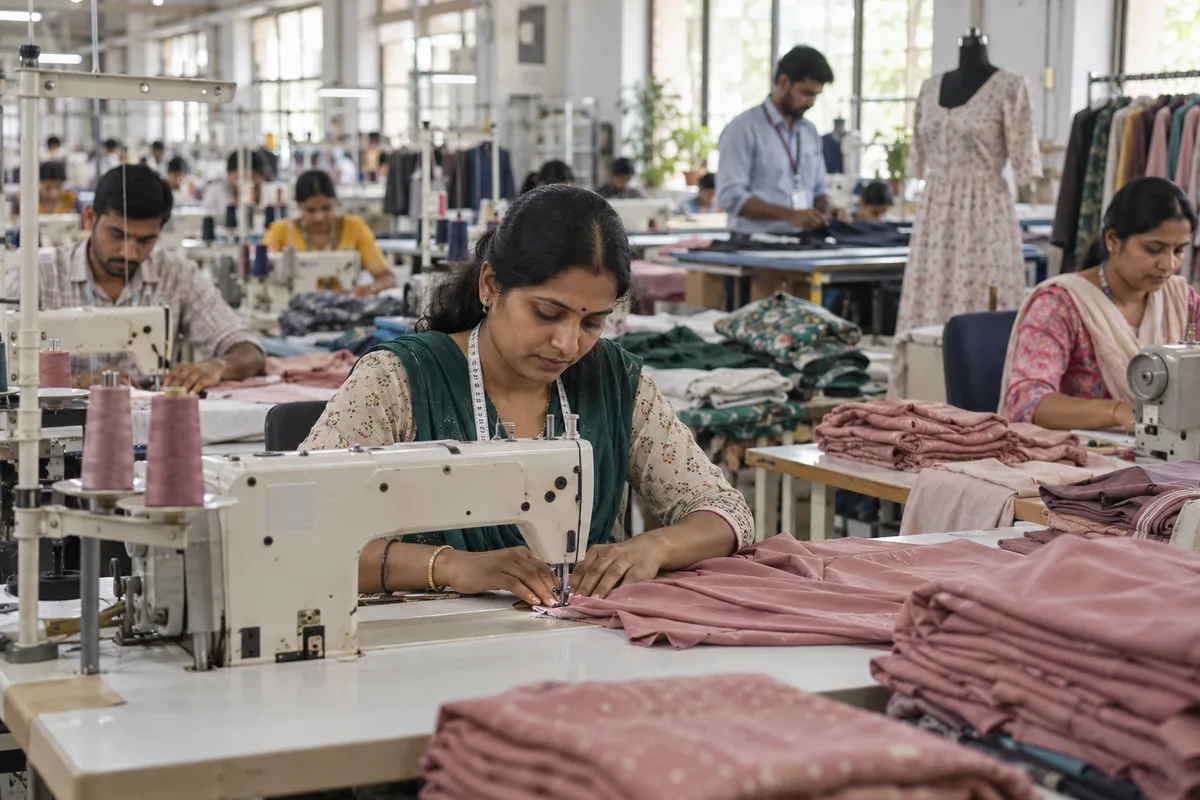
What social media means
Social media is the ongoing posting your business does on platforms such as Instagram, Facebook and LinkedIn to stay visible to customers and prospects between purchases. GullySales plans a posting calendar, writes captions and designs the images so the page looks active and answers what a visitor would ask.
Also for garment manufacturers
- Content marketing for garment manufacturers
- SEO for garment manufacturers
- PPC ads for garment manufacturers
- Lead generation for garment manufacturers
- Digital marketing for garment manufacturers
- Reputation management for garment manufacturers
- Local SEO for garment manufacturers
- Branding for garment manufacturers
Sales and marketing for garment manufacturers, the overview.
Last updated 5 Oct 2026.
For garment manufacturers
Where it usually goes wrong, and what we would do.
“Posting a buyer's garment can end the relationship”
Styles under production belong to the brand that paid for them, and plenty of contracts say so in writing. What gets posted is agreed first or shot on your own blanks.
“Merchandisers check the page before replying to your email”
A page showing lines running, certifications and the team makes an outbound message credible. An empty page makes the sender look like a broker.
“Founders want to see a small run being made”
Somebody launching three hundred pieces is anxious about being too small for you. A reel of a short run being cut and stitched answers that better than any reply.
What we do
What we deliver for garment manufacturers.
Every deliverable, what it covers for you, and the result it is there to produce. Nothing here is an extra.
A posting rule about buyers' styles
What may be shown from the floor, what needs written permission, and how to film a process without revealing a buyer's design.
Result: Your marketing never costs you an account.
A LinkedIn page built for sourcing teams
Capacity, certifications, product categories, the team and regular posts about the work, written for a merchandiser checking a supplier.
Result: Outbound messages arrive at a page that supports them.
Instagram content aimed at brand founders
Short video of a small run being cut, stitched and packed, with the minimum quantity and the sampling time said plainly.
Result: A founder who feared being too small gets in touch.
Messages answered like enquiries
Saved replies asking product, piece count and delivery month, with agreed hours and every message logged into the enquiry record.
Result: A direct message becomes a costing.
A report on enquiries from social
Messages, profile visits and the enquiries and samples traced back to them, against the starting baseline.
Result: You can tell whether posting reached buyers.
How the result is measured
- Posts published
- Engagement rate
- Enquiries from social profiles
Recorded as a baseline before work starts, so every later report has an honest comparison.
Platform for this buyer
Where garment buyers check a factory, and what to post for each.
- LinkedIn company page
- State what a merchandiser checks: product categories, fabric types worked, certifications held, and how a sample request is handled. Post only facts you can show at an audit.
- The merchandising head's own LinkedIn profile
- Sourcing teams follow a named person more than a factory page. Post plain answers on fit, GSM, trims and sampling, written the way you would answer a buyer's email.
- Instagram for D2C founders
- Show a small run on the cutting table with the fabric swatch and trim card, not a buyer's style. Invite a message with the tech pack to start a sample.
- YouTube factory walkthrough
- Film one walkthrough from cutting to packing with brand labels covered. Buyers send it to colleagues before they decide to book a visit.
- WhatsApp Business catalogue
- List the garment categories you make, the fabrics you handle and your usual order range in the description, so enquiries arrive with a tech pack and a quantity.
- What not to post
- Never post a brand's label, a style in sampling or an order in progress without a written yes. Show the process on an in-house sample or a style the brand has released.
Who it is for
This is written for these garment manufacturers.
- Knitwear and T-shirt manufacturers
- Woven shirt and trouser manufacturers
- Women's ethnic wear manufacturers
- Kids' wear manufacturers
- Export-oriented garment units
- Private label and contract manufacturers for D2C brands
- Corporate, promotional and uniform garment makers
- Activewear and athleisure manufacturers
- Job work and CMT units
Not for
It is not the right fit if.
- Your buyer contracts bar showing their styles, and you have no work of your own to post.
- No one will answer messages from the page, and a stranger who asks about rates and hears nothing moves to another factory.
- You hope posts will bring export orders directly, which they do not without a capability profile for the sourcing team to read.
How it works
How the social media work runs
The work itself, in order. How an engagement starts, from your brief to a written scope, is set out on our method page.
- 1
Confirm audience, platforms and access
We note which platforms your buyers use and check that the pages sit under your own business accounts, with you as owner and us as added roles.
- 2
Review the current presence
We read the existing pages, the posts that drew replies and the gaps in posting.
- 3
Build the calendar
Themes, formats and dates are set out for your approval, with space for offers and news.
- 4
Create, approve and publish
Posts are made, approved by you and scheduled. Replies to the public are handled in your voice.
- 5
Record enquiries and adjust
Enquiries are logged against the post or platform where they began, and the mix changes to follow what brings them.
Where this fits
Three pieces of sales work, in this order.
This work sits inside sales process design, at stage 0, foundation. The audit comes before it, and sales management keeps it running.
Step 1
Sales audit
Find where deals are being lost and what to fix first.
Start here if you cannot say where orders are lost.
Step 2 · you are here
Sales process design
One written way to sell, from first enquiry to repeat order.
Start here if every salesperson sells differently.
Step 3
Sales management
A target, a review routine and someone who owns the number.
Start here if the team has targets and no routine.
FAQ
Questions owners ask before they call.
Not here? More answers, or ask on WhatsApp.
What can we safely post from the factory floor?
Is LinkedIn worth the effort for a manufacturer?
Who should be on camera, the owner or the merchandiser?
A stranger messaged asking for per-piece rates. What should we reply?
How much does it cost?
How long is the contract?
How soon will we see results?
Who will actually do the work?
What do you need from us?
What if we are not happy with the work?
From the blog
Further reading for garment manufacturers.

More for garment manufacturers
Everything else we would do for you.
Closest to this: content and social
Also for garment manufacturers
Or start from the overview: sales and marketing for garment manufacturers.
Your next practical step
Tell us what you are trying to grow, and we will read it before we call.
Eight short steps, mostly taps. Skip anything you would rather answer on the call.