Plastic injection moulding units · Google Business Profile
Show up when a local buyer searches for a moulder near their plant.
A Google Business Profile does two things for a moulding unit that buyers or their engineers visit: it puts you in front of a buyer hunting for a nearby vendor to cut freight and lead time, and it shows a purchase head the unit is a real, running facility they can visit. GullySales checks the address qualifies, sets the profile up with the process and material categories buyers actually search for, and keeps it current.
Scope, fee, reporting and term are agreed in writing after we have read your brief and spoken to you.
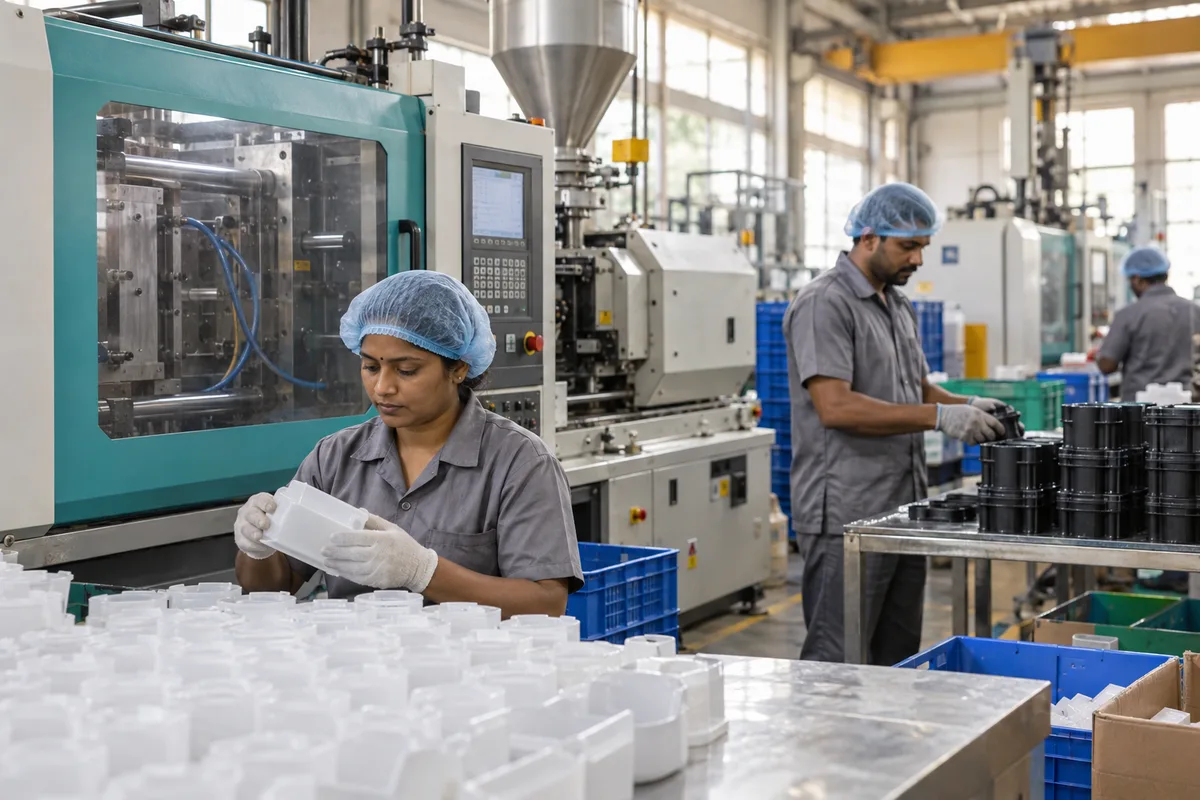
What Google Business Profile means
A Google Business Profile is the free listing that shows your address, hours, photos and reviews when someone searches for your business or a nearby competitor on Google and Maps. GullySales sets it up correctly, keeps it updated and posts to it regularly so it works as a steady source of calls and direction requests.
Also for plastic injection moulding units
- AEO for plastic injection moulding units
- SEO for plastic injection moulding units
- Website development for plastic injection moulding units
- Branding for plastic injection moulding units
- Content marketing for plastic injection moulding units
- Digital marketing for plastic injection moulding units
- Email marketing for plastic injection moulding units
- Influencer marketing for plastic injection moulding units
Sales and marketing for plastic injection moulding units, the overview.
Last updated 13 Nov 2026.
For plastic injection moulding units
Where it usually goes wrong, and what we would do.
“Category and description need the actual processes listed”
A profile listed simply as a manufacturing company misses searches for injection moulding, two-shot moulding or a specific material, so the categories and description need those terms stated plainly.
“Photos of the plant reassure a buyer before a site visit”
A buyer deciding whether to shortlist a new vendor checks the profile's photos for a real, organised facility. An empty or outdated photo section reads as a smaller or less serious operation than it is.
“Proximity to industrial clusters matters for freight-sensitive buyers”
A buyer sourcing bulky components sometimes filters by distance to reduce freight cost, and an accurate address keeps the unit visible to buyers in nearby industrial estates.
What we do
What we deliver for plastic injection moulding units.
The work available for this need. We agree the deliverables and responsibilities for your engagement in writing.
Categories and description naming actual processes
The profile's category and description rewritten to name injection moulding, two-shot moulding and the specific materials run, not just manufacturing.
Result: A buyer searching for the exact process finds the profile.
A current photo set of plant and machines
Photographs of the shop floor, presses and finished components uploaded and kept current, replacing an empty or outdated photo section.
Result: A buyer sees a real, organised facility before ever visiting.
An accurate address and visiting hours
The address and the hours the unit receives visitors set accurately, so a buyer's engineer arrives when someone is there.
Result: A buyer filtering by distance finds the unit and knows when to visit.
Pre-filled answers to common buyer questions
The most common buyer questions about tonnage, materials and certifications answered directly in the profile's questions and answers section.
Result: A buyer gets a straight answer without needing to call first.
A trigger list for updating the profile
A short list of triggers, such as a new machine or certification, that prompt an update to the profile's photos, categories and description.
Result: The profile stays accurate without depending on someone remembering.
How the result is measured
- Profile views
- Calls from the listing
- Direction requests
Recorded as a baseline before work starts, so every later report has an honest comparison.
What the profile needs
What a moulding unit's profile needs to qualify, and to give a buyer's engineer the facts before a visit.
- The unit's gate and visiting rules
- Write the full address with the shed number and a landmark, and note that visitors need an appointment or gate pass. A first-time visitor should not be stopped at security.
- Category from Google's list, then the process
- Choose the plastic moulding category closest to your work and describe the processes in the description. Check Google's current category list, since labels differ from trade terms.
- Processes and materials as services
- List injection moulding, two-shot and insert moulding as separate services, with the materials you run, such as polypropylene, ABS and glass-filled nylon.
- Machine photographs with tonnage visible
- Photograph the presses with the tonnage plate legible, the mould store and finished components in a tray. Keep customer-owned moulds and part drawings out of the frame.
- Tooling terms in the answers
- Answer who owns the mould, whether you build tools in-house or take the buyer's tool, and whether you run trial batches. These are the first questions a purchase head asks.
- Name and phone as on your papers
- Use the registered name and a number the sales desk answers. A buyer cross-checking GST details against the profile should find the same name.
Who it is for
This is written for these plastic injection moulding units.
- Automotive component moulders
- Appliance and consumer durable moulders
- Packaging and closure manufacturers
- Electronics and electrical enclosure moulders
- Medical and pharmaceutical packaging moulders
- Toy and consumer goods moulders
- Precision and tight-tolerance job shops
- Two-shot and insert moulding specialists
- Custom and low-volume prototype moulders
Not for
It is not the right fit if.
- The unit has no visitor-facing address, or the plant is in a restricted zone where customers do not call, so a map listing would send people to the wrong place.
- Nobody can reply to the questions or review notifications that come through the profile.
Before you decide
Agree the work. Know how to judge it.
Google Business Profile for plastic injection moulding units: use these checks to prepare, choose the scope, and review what changes.
Bring the right evidence
Confirm the real business address, service area, contact details, and who controls the business listings. Keep examples of calls that came from the wrong location or asked for a service you do not provide.
Make the scope clear
Choose the locations you actually serve and the information each needs. Agree who approves listing changes, responds to enquiries, and keeps opening hours accurate.
Check the work in use
Check the journey from a local search to a call or enquiry on a phone. The address, service area, and description should agree across your website and listings.
Know when to change course
Do not create an office claim for a place where you only serve customers remotely. Clear service coverage is more useful than a misleading local presence.
These are discussion points, not a fixed package. GullySales confirms the deliverables, responsibilities, fee, and term in writing after reading your brief and speaking with you.
Before we start
What to have ready before the work starts.
The records, access and decisions this work needs from plastic injection moulding units. Anything missing is noted in the written scope, with who will supply it.
- The exact registered plant address
- The address as it appears on your GST registration, factory licence or electricity bill, with the plot or shed number. Map listings are rejected or suspended when the address does not match a real location. If the plant moved recently, tell us which documents carry the old address.
- Owner access to the profile or the Google account
- Either the Google account that holds the profile, or permission to add us as a manager. If a former vendor created it, send the recovery details you have. Without access, we cannot change a business type or answer a question, and the profile remains as it stands.
- Photographs taken from our shot list
- Clear phone photographs of the gate, the signboard, the shop floor and the stores, taken in daylight. They show a visiting buyer that the plant is real and running. If none are supplied, the profile carries only the logo and a map pin, which weakens it against nearby moulders.
- The visiting hours and visitor rules
- The hours at which buyers or their engineers can visit, and any rule about prior appointment, safety gear or customer-confidential areas. A wrong hour on a profile sends a buyer to a locked gate. If visits need an appointment, the profile says so and gives the number to call.
- The number that will answer profile calls
- One phone number, and the person who picks it up, for the calls the profile brings. A call that rings unanswered at a shop-floor extension loses the enquiry. If the owner takes the calls, we agree a second person for when the owner is away from the plant.
How it works
How the google business profile work runs
The work itself, in order. How an engagement starts, from your brief to a written scope, is set out on our method page.
- 1
Check the plant address against the map
We begin by searching for your plant on the map, since a moulding unit inside an industrial estate can share a gate, a compound or a name with a neighbour. You confirm the exact address, the entrance buyers should use and whether visitors are received. If a profile already exists, we note who created it and whether it is a duplicate.
- 2
Get owner access and the verification code
You claim the profile or approve our request to manage it, and the verification code is sent to the plant address, so the person who opens the post must pass it on. We never ask for your personal password. You decide who else is given access, and we record who holds it.
- 3
Choose the business types and write the description
Using your machine list and process history, we select the profile's main and extra business types and write a description that names the actual processes, such as injection moulding and insert moulding, and the materials run. You read every line and cut any claim the plant cannot back with a machine or a certificate.
- 4
Photograph the gate, the shop floor and the stores
We list the photographs a visiting purchase head would want to see: the signboard, the gate, the press line, the mould store and the quality room. A person from your team takes them on a phone from our shot list, and you remove any shot showing a customer's mould or part without consent.
- 5
Write the answers to the buyer questions
We prepare short answers to the questions buyers put on a listing, such as tonnage range, materials moulded, whether sample runs are taken and how to send a drawing. Your sales engineer corrects them. We also agree who replies to messages and calls the profile brings in, and from which number.
- 6
Compare profile calls with the RFQ record
We take the call, direction and message counts the profile reports and set them beside the RFQs logged against the profile as a source. You tell us which calls turned into quotations. That comparison, read against the figures noted before the profile was changed, tells you whether it deserves more of the plant's attention.
Where this fits
Three pieces of sales work, in this order.
This work sits inside sales process design, at stage 1, prospecting and lead generation. The audit comes before it, and sales management keeps it running.
Step 1
Sales audit
Find where deals are being lost and what to fix first.
Start here if you cannot say where orders are lost.
Step 2 · you are here
Sales process design
One written way to sell, from first enquiry to repeat order.
Start here if every salesperson sells differently.
Step 3
Sales management
A target, a review routine and someone who owns the number.
Start here if the team has targets and no routine.
FAQ
Questions owners ask before they call.
Not here? More answers, or ask on WhatsApp.
Does a B2B manufacturer really need this, not just a website?
What should be kept updated on the profile?
Two moulding units share one compound. Can each have a profile?
We added 'Plastic Moulding Pune' to our name and it was rejected. Why?
Who sees the reviews on our profile, and can we remove them?
How much does it cost?
How long is the contract?
How soon will we see results?
Who will actually do the work?
What do you need from us?
From the blog
Further reading for plastic injection moulding units.
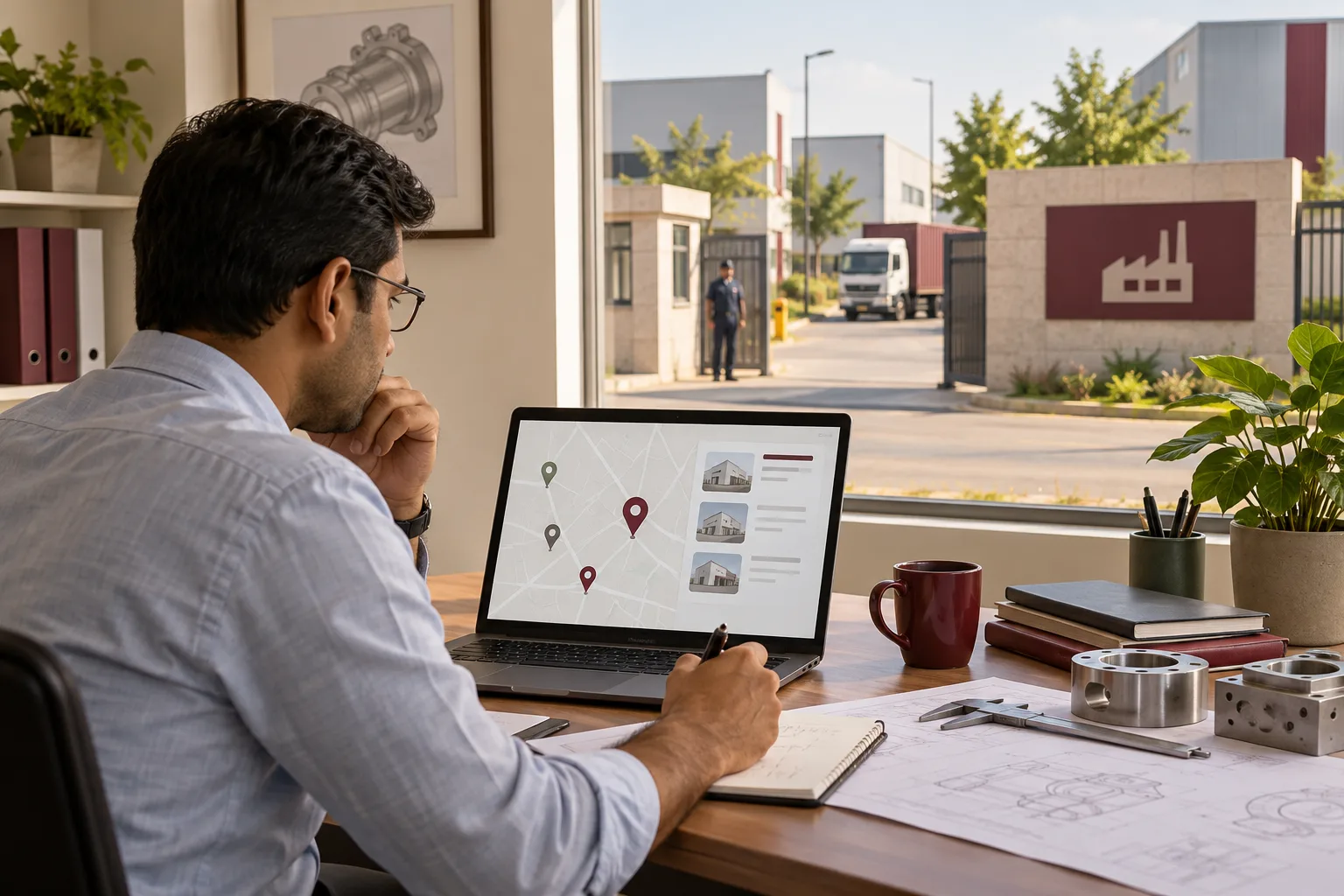 7 min read · 25 Nov 2025The benefits of local SEO for manufacturing companiesPurchase engineers search by industrial estate because freight and vendor visits are local. Name your gate and process to win those searches.
 6 min read · 6 Oct 2026How industrial buyers decide which unit gets the RFQWhat industrial buyers check before sending an RFQ, across nine manufacturing trades, and where a unit drops off the shortlist.
 7 min read · 8 Jul 2026How to get plastic moulding job work and CNC machining ordersJob work orders go to shops buyers can find and check. How moulders and machine shops get on RFQ lists and win repeat orders.
More for plastic injection moulding units
Related work to consider.
Closest to this: search and visibility
Also for plastic injection moulding units
- Branding for plastic injection moulding units
- Content marketing for plastic injection moulding units
- Digital marketing for plastic injection moulding units
- Email marketing for plastic injection moulding units
- Influencer marketing for plastic injection moulding units
- Lead generation for plastic injection moulding units
Or start from the overview: sales and marketing for plastic injection moulding units.
Your next practical step
Tell us what you are trying to grow, and we will read it before we call.
Eight short steps, mostly taps. Skip anything you would rather answer on the call.