Welding fabrication companies · Follow up systems
Chase the quote with a plan, so a good site visit is not lost to silence.
A follow-up system for a fabricator is a set routine for what happens after a visit, a quote, a delivery and a lost bid. GullySales works on the messages, reminders and owners that keep a quote alive until it becomes an order or a clear no.
Scope, fee, reporting and term are agreed in writing after we have read your brief and spoken to you.
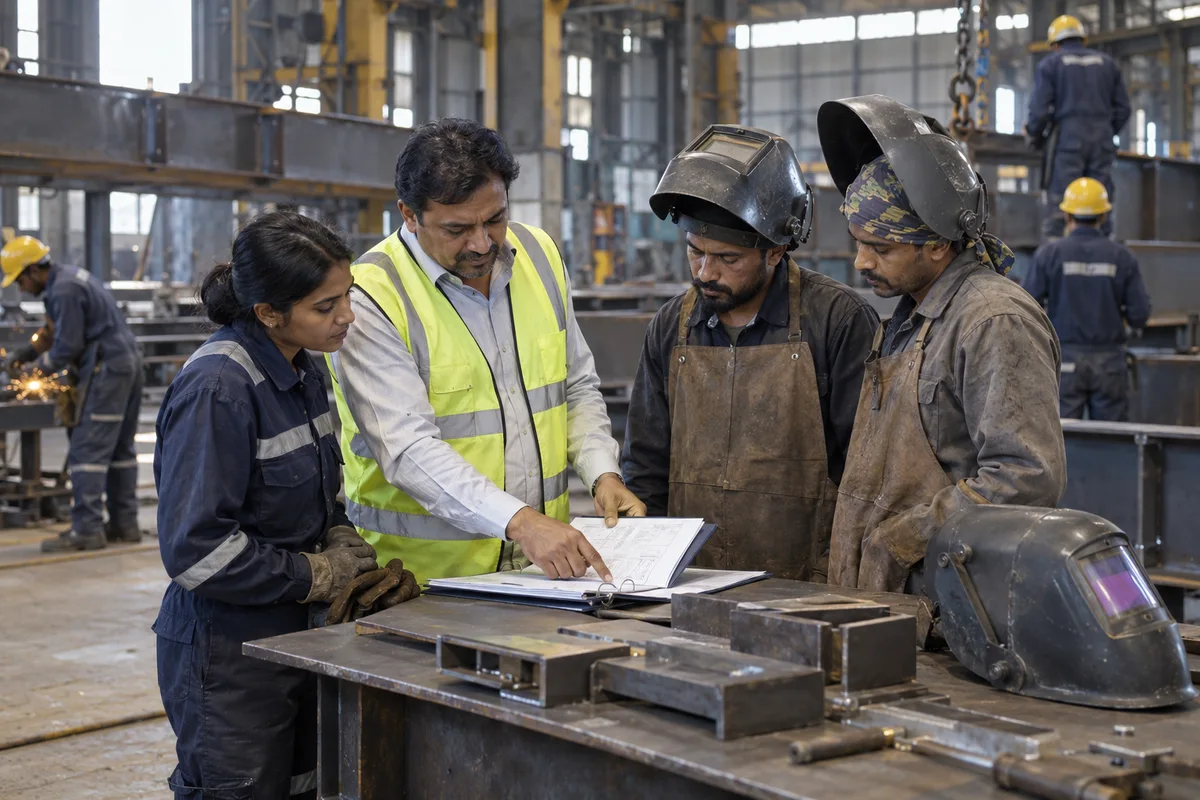
What follow up systems means
A follow-up system is the set routine for calling, messaging or emailing an enquiry more than once, since most buyers do not decide on the first conversation. GullySales sets the number and timing of follow-ups so an undecided buyer keeps hearing from you until they decide either way.
Also for welding fabrication companies
- Lead generation for welding fabrication companies
- CRM for welding fabrication companies
- SEO for welding fabrication companies
- Local SEO for welding fabrication shops
- Social media marketing for welding fabrication companies
- Content marketing for welding fabrication companies
- Buyer personas for welding fabrication companies
- WhatsApp marketing for welding fabrication companies
Sales and marketing for welding fabrication companies, the overview.
Last updated 14 Nov 2026.
For welding fabrication companies
Where it usually goes wrong, and what we would do.
“The quote goes out and then nothing happens”
After the estimate leaves, some shops wait for a reply. The buyer is busy, the engineer is busy and the quote slides down a pile. A planned call keeps it near the top.
“Follow-up should ask something useful”
A call that only asks if the quote was seen irritates the buyer. A call that offers to adjust the scope, confirm the delivery date or answer a technical query gives the buyer a reason to talk.
“A lost bid still holds information”
When a contractor chooses another shop, ask politely why. The answer on price, delivery or documents tells you what to change for the next bid, and keeps the door open.
“Closing a job is the start of the next one”
On delivery, a call to confirm the job is satisfactory is the moment to ask about the next shutdown, an annual rate contract or an introduction to a sister plant.
What we do
What we deliver for welding fabrication companies.
The work available for this need. We agree the deliverables and responsibilities for your engagement in writing.
Post-visit routine
A short message sent after each site visit confirming scope and when the quote will arrive, with a named owner.
Result: Every visit is followed by a written confirmation.
Quote follow-up schedule
A set of dated touch points for each quote, with a script for what to say at each.
Result: Each quote has dated next calls and a script.
Lost-bid review
A brief question asked of buyers who chose elsewhere and a note kept of the answers.
Result: Reasons for lost bids are recorded.
Post-delivery call
A call after delivery to confirm satisfaction and ask about planned work and introductions.
Result: Each delivered job leads to a conversation about the next one.
Rate contract proposal
A short proposal for plants that buy maintenance fabrication repeatedly, offered after a good job.
Result: Repeat buyers receive an annual contract offer.
How the result is measured
- Follow-up completion rate
- Average number of follow-ups before close
- Enquiries closed after repeat follow-up
Recorded as a baseline before work starts, so every later report has an honest comparison.
What to capture or send
These are the moments a fabrication shop should record and answer.
- Drawing received
- Log the day and send an acknowledgement that names the person pricing it. A buyer who hears nothing assumes the file was lost.
- Site visit completed
- Send the measurement summary and the points still open. It shows the visit was recorded and nudges the buyer to confirm.
- Quote sent
- Note the date and the revision. The next call should refer to a line in the quote, not simply ask if it was seen.
- Buyer asks about delivery date
- Record the exact date the plant needs and whether it is a shutdown. A reply that meets the real date keeps the order.
- Order placed
- Send the job number, the drawing revision and the contact for queries. It moves the buyer from sale to production.
Who it is for
This is written for these welding fabrication companies.
- Structural steel and platform fabricators
- Stainless steel tank and vessel fabricators for food, dairy and pharma
- Pipe spool and piping fabrication shops
- Machine frame and base fabricators for OEMs
- Heavy fabrication for cement, steel and power plants
- Aluminium and stainless welding for kitchens and architectural work
- Maintenance and shutdown fabrication contractors
- Trailer, tipper and truck body builders
Before you decide
When this may not be the right fit.
- Quotes leave without a date being noted, so there is nothing to base a follow-up on.
- The owner would be the only caller, and is on site most days, so reminders would not be acted on.
- Your estimates are rewritten after each call, so a follow-up would refer to numbers that change.
Before you decide
Agree the work. Know how to judge it.
Follow-up systems for welding fabrication companies: use these checks to prepare, choose the scope, and review what changes.
Bring the right evidence
Trace recent enquiries from arrival to the last recorded action. Include a won enquiry, an unsuitable one, and one that went quiet, with personal details removed for the initial discussion.
Make the scope clear
Agree who accepts each enquiry, what makes it qualified, and how ownership changes. Include a rule for missed replies and a clear reason for closing an enquiry.
Check the work in use
Pick an enquiry at random and ask the team to find its owner, latest conversation, and next action. Check that the record agrees with what actually happened.
Know when to change course
If no one has capacity to respond, assign that responsibility before buying more leads. Automation can support the owner, but it cannot replace an unresolved handover.
These are discussion points, not a fixed package. GullySales confirms the deliverables, responsibilities, fee, and term in writing after reading your brief and speaking with you.
Before we start
What to have ready before the work starts.
The records, access and decisions this work needs from welding fabrication companies. Anything missing is noted in the written scope, with who will supply it.
- The list of quotes still open
- Pull it from the register: date, buyer, job and the contact. We use it for the first round of calls. Without it we begin from the next quote, and the older ones are never rescued. Mark the ones that are revisions of an earlier quote, because they should not be chased twice.
- Contact details for each decision maker
- Name and number of the person who signs, not only the one who asked for the quote. A follow-up to the wrong person goes nowhere. If a detail is missing, the estimator should ask on the next call. Record a second contact, such as the purchase clerk, in case the signer is away.
- The usual reasons for delay
- Write what you have heard: a drawing awaiting approval, a budget not released, a rival price. They shape the follow-up questions. If you have no notes, we begin with the estimator's memory. Note too whether any quote waits on a tender committee, as the follow-up then goes to a different person.
- A decision on who calls
- The owner or the estimator, named for each quote value. Buyers of heavy jobs may expect the owner. If not decided, nobody calls and the quote ages.
- The reasons your lost bids were lost
- Even a few lines. Price, delivery date, capacity, specification. It tells us what to ask and how to reply. If nothing is recorded, the lost-bid review begins with the next loss. Note also which lost bids were never explained, because the buyer can still be asked.
How it works
How the follow up systems work runs
The work itself, in order. How an engagement starts, from your brief to a written scope, is set out on our method page.
- 1
Pull out every quote without an answer
We take the quote register and list each quote with no recorded reply, whether sent to a plant, a contractor or an OEM. You mark the ones still alive. That list becomes the first set of calls and the starting figures for the work. We also mark quotes sent more than once for the same enquiry, so a revised quote is not counted as a separate chance.
- 2
Ask the estimator what the buyer waits for
We talk with your estimator about what a buyer is waiting on after a quote: a revised drawing, a site measurement, an approval from a manager. You tell us the real reasons. These become the questions asked at each follow-up, instead of the empty line asking whether the buyer has decided.
- 3
Write the post-visit note and the quote cover
We draft a short note sent after a site visit and a cover message for each quote, naming the scope and the next step. You change them to sound like your people. What exists is a set of messages that give the buyer something to answer. We also write a version for the buyer who asked for the quote on behalf of someone senior, so the message can be forwarded without change.
- 4
Decide what to do when the quote is lost
We agree how your team asks a buyer why another shop won, and where the answer is recorded. You choose who makes that call, the owner or the estimator. We write the question so it does not sound defensive, and the replies feed the next quote. The reply is entered against the quote, whether it is a price, a delivery date or a change of specification, so the next quote starts from what was learnt.
- 5
Run the routine with the team on live quotes
We take the open quotes and walk the team through the routine, one by one, with each person making real calls. You watch for places where the wording feels wrong. Tasks and reminders are set in your chosen tool so each next step has a named owner. We also set a rule for quotes that have gone quiet after several calls, so they are closed on purpose instead of lingering in the pipeline.
- 6
Check the answered quotes against the first list
We compare the replies, orders and recorded lost reasons with the list made at the start. You tell us which follow-up steps got answers. We keep the questions that worked and replace the rest. We also look at the closed jobs, and at whether a post-delivery call produced a repeat enquiry or a rate contract conversation.
Where this fits
Three pieces of sales work, in this order.
This work sits inside sales process design, at stage 2, qualification. The audit comes before it, and sales management keeps it running.
Step 1
Sales audit
Find where deals are being lost and what to fix first.
Start here if you cannot say where orders are lost.
Step 2 · you are here
Sales process design
One written way to sell, from first enquiry to repeat order.
Start here if every salesperson sells differently.
Step 3
Sales management
A target, a review routine and someone who owns the number.
Start here if the team has targets and no routine.
FAQ
Questions owners ask before they call.
Not here? More answers, or ask on WhatsApp.
How often should we chase a quote?
What do we say if the buyer has gone quiet?
Should the owner or the estimator follow up?
What do we do if the buyer says another shop quoted lower?
What if the buyer says another shop quoted lower?
How do we avoid annoying a buyer who is busy?
How much does it cost?
How long is the contract?
How soon will we see results?
What do you need from us?
More for welding fabrication companies
Related work to consider.
Closest to this: leads and follow-up
Also for welding fabrication companies
Or start from the overview: sales and marketing for welding fabrication companies.
Your next practical step
Tell us what you are trying to grow, and we will read it before we call.
Eight short steps, mostly taps. Skip anything you would rather answer on the call.