Heritage conservation organizations · Website
Give every monument a page a funder can read, trust and forward to a board.
A website for a heritage conservation organisation is the place where funders, owners, volunteers and visitors check whether the work is real and what to do next. GullySales works on a structure of site pages, funder and owner routes, walk bookings and a clear contact path.
Scope, fee, reporting and term are agreed in writing after we have read your brief and spoken to you.
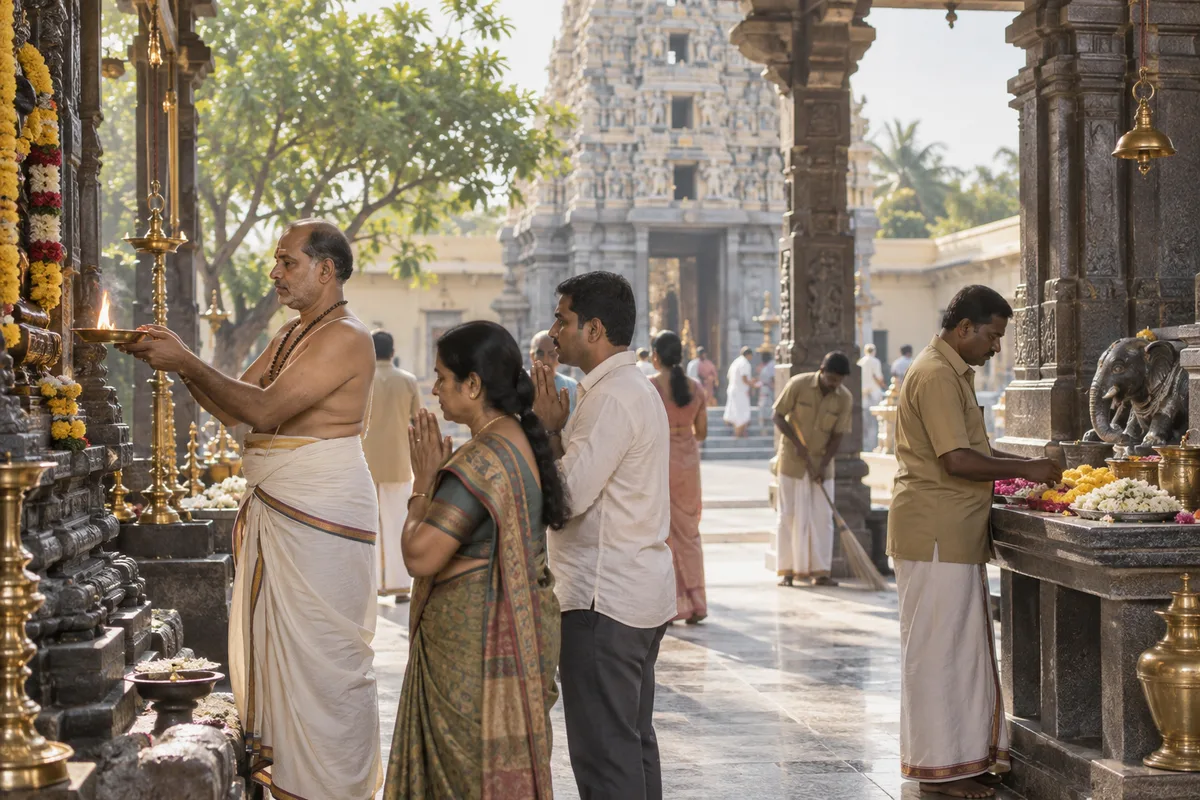
What website means
A website is the page a customer lands on after searching, clicking an advert or scanning a code, and it decides whether they call or leave. GullySales builds and maintains sites that load quickly, explain the offer plainly and make the enquiry form or phone number easy to find.
Also for heritage conservation organizations
- SEO for heritage conservation organisations
- Local SEO for heritage conservation organisations
- Lead generation for heritage conservation bodies
- Social media marketing for heritage conservation organisations
- Content marketing for heritage conservation organisations
- Buyer personas for heritage conservation organisations
- CRM for heritage conservation organisations
- Follow-up systems for heritage conservation organisations
Sales and marketing for heritage conservation organizations, the overview.
Last updated 18 Oct 2026.
For heritage conservation organizations
Where it usually goes wrong, and what we would do.
“A gallery is not a case”
Photographs of a lovely ruin move a visitor but leave a funder with questions: what is broken, what will be done, in what stages and at what cost. Each site page needs those answers beside the images.
“Four audiences arrive at one door”
A funder, an owner, a walk-goer and a volunteer all open the home page. Give each a clearly labelled route from the first screen. A single wall of text sends the wrong person away.
“An old site looks like an abandoned one”
Dates from three years ago, broken links and a walk calendar that ends last season suggest the organisation has stopped. Keep a dated update on each site page and remove what has lapsed.
“Phones are the main screen”
A walk-goer reads the meeting point at the gate and an owner reads the guidance page on a phone. Pages should load in a readable form on a small screen, with big tap targets and short forms.
What we do
What we deliver for heritage conservation organizations.
Every deliverable, what it covers for you, and the result it is there to produce. Nothing here is an extra.
A structure of site pages
A page template and page for each site covering history, condition, stages, progress, needs and a contact person.
Result: A funder reads one page and sees the full case.
A funder page and downloadable pack
A page that explains how to support, the stages, and a pack for a committee.
Result: A CSR team gets what it needs without a call.
An owner guidance page
A plain page explaining what a condition survey involves and how to begin, in general terms.
Result: An owner knows the first step.
A walk calendar and booking route
A page for dates, meeting points, guides and a way to book or enquire.
Result: A visitor can plan from the page.
A volunteer page and sign-up
What tasks exist, who can join, what to bring and how to register with consent.
Result: A volunteer can register without writing to the office.
Accounts and progress section
A section where progress on funded work is posted for donors, in your own wording and with your own figures.
Result: A past donor can see what happened.
How the result is measured
- Page load time
- Bounce rate
- Enquiries from the website
Recorded as a baseline before work starts, so every later report has an honest comparison.
Who it is for
This is written for these heritage conservation organizations.
- Bodies that document and repair monuments and old city quarters
- Trusts that guide owners of private heritage houses
- Heritage societies of a single city or town
- Groups focused on traditional crafts, water systems or step-wells
- Bodies that run heritage walks and education programmes
- Industrial and railway heritage groups
- Temple and stone architecture conservation teams
- Teams that advise governments and developers on heritage zones
How it works
How the website work runs
The work itself, in order. How an engagement starts, from your brief to a written scope, is set out on our method page.
- 1
Confirm structure and content
We agree the site's pages and content needs before design begins, drawing on website strategy where it exists.
- 2
Design the site
Every page is designed against your brand identity and checked for how it should convert a visitor.
- 3
Build and test
The site is developed and tested across devices and browsers before anything goes live.
- 4
Load real content
Actual copy, images and information about your business replace placeholder content before launch.
- 5
Launch and hand over access
The site goes live with domain, hosting and content management access clearly handed to you.
Where this fits
Three pieces of sales work, in this order.
This work sits inside sales process design, at stage 1, prospecting and lead generation. The audit comes before it, and sales management keeps it running.
Step 1
Sales audit
Find where deals are being lost and what to fix first.
Start here if you cannot say where orders are lost.
Step 2 · you are here
Sales process design
One written way to sell, from first enquiry to repeat order.
Start here if every salesperson sells differently.
Step 3
Sales management
A target, a review routine and someone who owns the number.
Start here if the team has targets and no routine.
FAQ
Questions owners ask before they call.
Not here? More answers, or ask on WhatsApp.
Do we need a new site or can you fix the old one?
Who updates the site afterwards?
Can the site take donations?
How much does it cost?
How long is the contract?
How soon will we see results?
Who will actually do the work?
What do you need from us?
What if we are not happy with the work?
More for heritage conservation organizations
Everything else we would do for you.
Closest to this: search and visibility
Also for heritage conservation organizations
- Lead generation for heritage conservation bodies
- Social media marketing for heritage conservation organisations
- Content marketing for heritage conservation organisations
- Buyer personas for heritage conservation organisations
- CRM for heritage conservation organisations
- Follow-up systems for heritage conservation organisations
Or start from the overview: sales and marketing for heritage conservation organizations.
Your next practical step
Tell us what you are trying to grow, and we will read it before we call.
Eight short steps, mostly taps. Skip anything you would rather answer on the call.