Agricultural seed companies · Lead generation
Fill the dealer diary with districts you have not yet sold into.
Lead generation for a seed company means finding the input dealers, distributors, FPOs and contract growers who could carry your varieties, and recording each one before the sowing window opens. GullySales builds the list by district, the first approach for each type of buyer and the record that stops a good conversation going cold.
Scope, fee, reporting and term are agreed in writing after we have read your brief and spoken to you.
What lead generation means
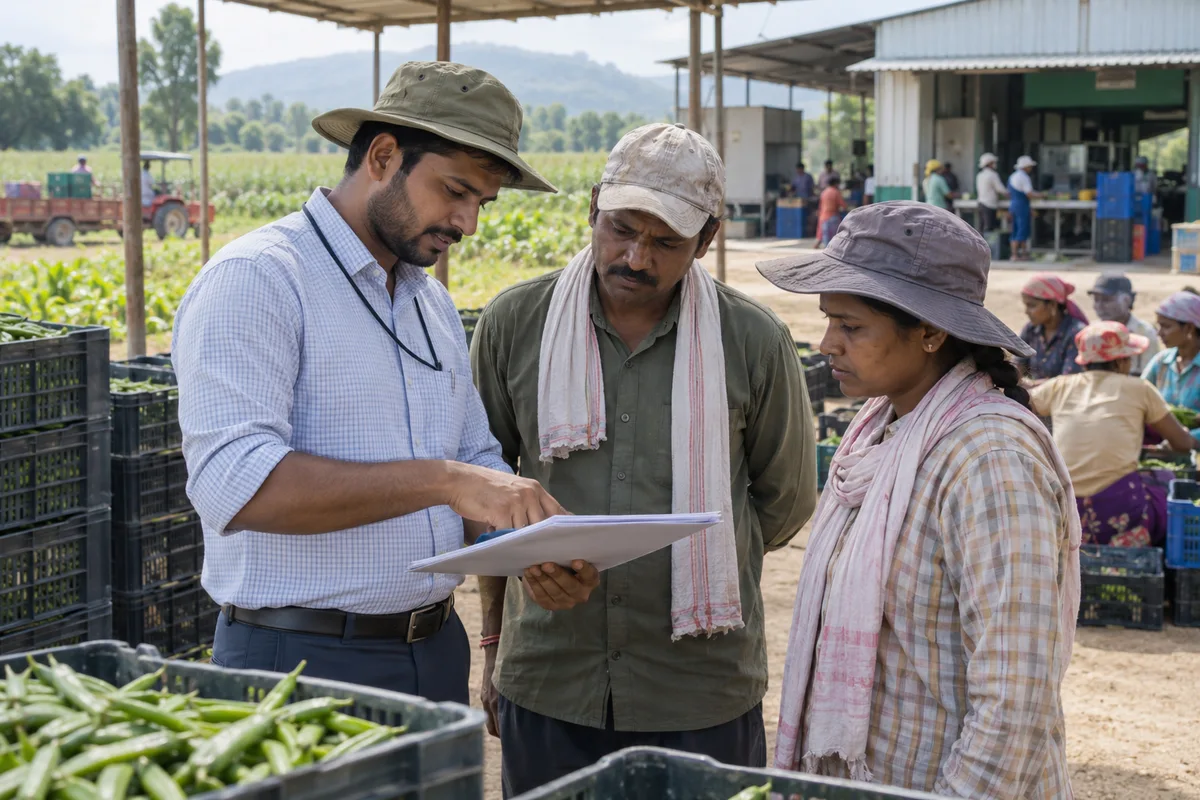
Lead generation is the combined work of every channel that brings in a new enquiry, whether from search, adverts, referrals or a stall at an exhibition. GullySales runs these channels together and reports the number of enquiries each one produced, not the activity behind it.
Also for agricultural seed companies
Sales and marketing for agricultural seed companies, the overview.
Last updated 18 Oct 2026.
For agricultural seed companies
Where it usually goes wrong, and what we would do.
“The lead is a dealer in a district, not a farmer in a crowd”
A seed company sells through the counter, so the first useful lead is the dealer with shelf space and a customer base. A farmer enquiry matters too, but it is passed to the nearest dealer. Count both, and keep them apart.
“Enquiries arrive in the weeks when nobody can answer them”
Interest peaks just before sowing, when the field team is travelling and the office phone rings out. A dealer who asked on Tuesday and heard nothing by Friday has already spoken to a competitor's representative.
“Lapsed dealers are the cheapest leads you own”
A dealer who stocked you two seasons ago and then stopped has a reason. Nobody wrote it down, so nobody has called. That reason, once heard, tells you what to fix before approaching new districts.
“A field day produces faces, not leads”
Farmers walk the plot, take a leaflet and leave. Unless a name, a village and a crop are written at the gate, the field day was an expense and the district is no closer. Treat the gate sheet as the real product of the day, and photograph it before anyone leaves.
What we do
What we deliver for agricultural seed companies.
Every deliverable, what it covers for you, and the result it is there to produce. Nothing here is an extra.
District-wise dealer target list
Input dealers and stockists in the districts you want, with the hybrids already on their shelf and the person in your team who will approach each.
Result: A list you can sort by district, owner and what the dealer stocks now.
A dealer enquiry form in the district language
A short form on the website and on a WhatsApp link asking for shop name, village, crops sold and licence status, in the language of the belt.
Result: Every dealer who asks arrives in one place with the same details.
Lapsed dealer call round
A scripted call to every dealer who stopped stocking, asking one honest question about why, and noting the answer against their name.
Result: A written reason beside each lapsed dealer, ready to act on.
Field day sign-in and follow-up
A gate sheet with name, village, crop and phone, and a message sent to each person after the day.
Result: A named list of attendees tied to the plot they walked.
Distributor and FPO pack
A short document for the buyer who places larger orders, covering varieties, trial plots, documents held and the contact for complaints.
Result: A pack a stockist or FPO committee can read without a representative present.
Lead source tags
Each enquiry marked with where it came from: dealer visit, field day, search, WhatsApp, referral.
Result: You can see which route brought dealers who restocked.
How the result is measured
- Enquiries generated
- Cost per enquiry
- Enquiries by source
Recorded as a baseline before work starts, so every later report has an honest comparison.
Who it is for
This is written for these agricultural seed companies.
- Hybrid seed companies for maize, cotton, paddy and vegetables
- Open-pollinated and certified seed producers
- Vegetable and horticulture seed companies
- Oilseed and pulse seed companies
- Fodder seed and forage crop suppliers
- Seed companies selling through distributors and village dealers
- Contract seed production companies working with grower farmers
- Regional seed companies with a few districts as their home market
How it works
How the lead generation work runs
The work itself, in order. How an engagement starts, from your brief to a written scope, is set out on our method page.
- 1
Understand your capacity
We agree how many enquiries your sales team can actually handle well, so the system is not built to overwhelm it.
- 2
Audit current sources
We check what already brings in enquiries today, even informally, before adding anything new.
- 3
Strategise the channel mix
Content, search and paid channels are chosen based on where your buyers already look.
- 4
Implement capture and follow-up
Pages, forms and a follow-up process are built and connected end to end.
- 5
Measure and optimise
We track enquiry volume and quality and adjust the channel mix to match.
Where this fits
Three pieces of sales work, in this order.
This work sits inside sales process design, at stage 1, prospecting and lead generation. The audit comes before it, and sales management keeps it running.
Step 1
Sales audit
Find where deals are being lost and what to fix first.
Start here if you cannot say where orders are lost.
Step 2 · you are here
Sales process design
One written way to sell, from first enquiry to repeat order.
Start here if every salesperson sells differently.
Step 3
Sales management
A target, a review routine and someone who owns the number.
Start here if the team has targets and no routine.
FAQ
Questions owners ask before they call.
Not here? More answers, or ask on WhatsApp.
Should we collect farmer leads or only dealer leads?
Can we buy a list of dealers?
How do we know which lead source is working?
How much does it cost?
How long is the contract?
How soon will we see results?
Who will actually do the work?
What do you need from us?
What if we are not happy with the work?
More for agricultural seed companies
Everything else we would do for you.
Closest to this: leads and follow-up
Also for agricultural seed companies
Or start from the overview: sales and marketing for agricultural seed companies.
Your next practical step
Tell us what you are trying to grow, and we will read it before we call.
Eight short steps, mostly taps. Skip anything you would rather answer on the call.