Cold-chain fish distributors · Lead generation
Find the kitchens and shops that need a fish supplier before a rival does.
Lead generation for a cold-chain fish distributor means building a list of restaurants, hotels, shops and caterers in your delivery area who buy fish and have not yet chosen you. GullySales works on where those names come from, how each is approached and how every contact is recorded.
Scope, fee, reporting and term are agreed in writing after we have read your brief and spoken to you.
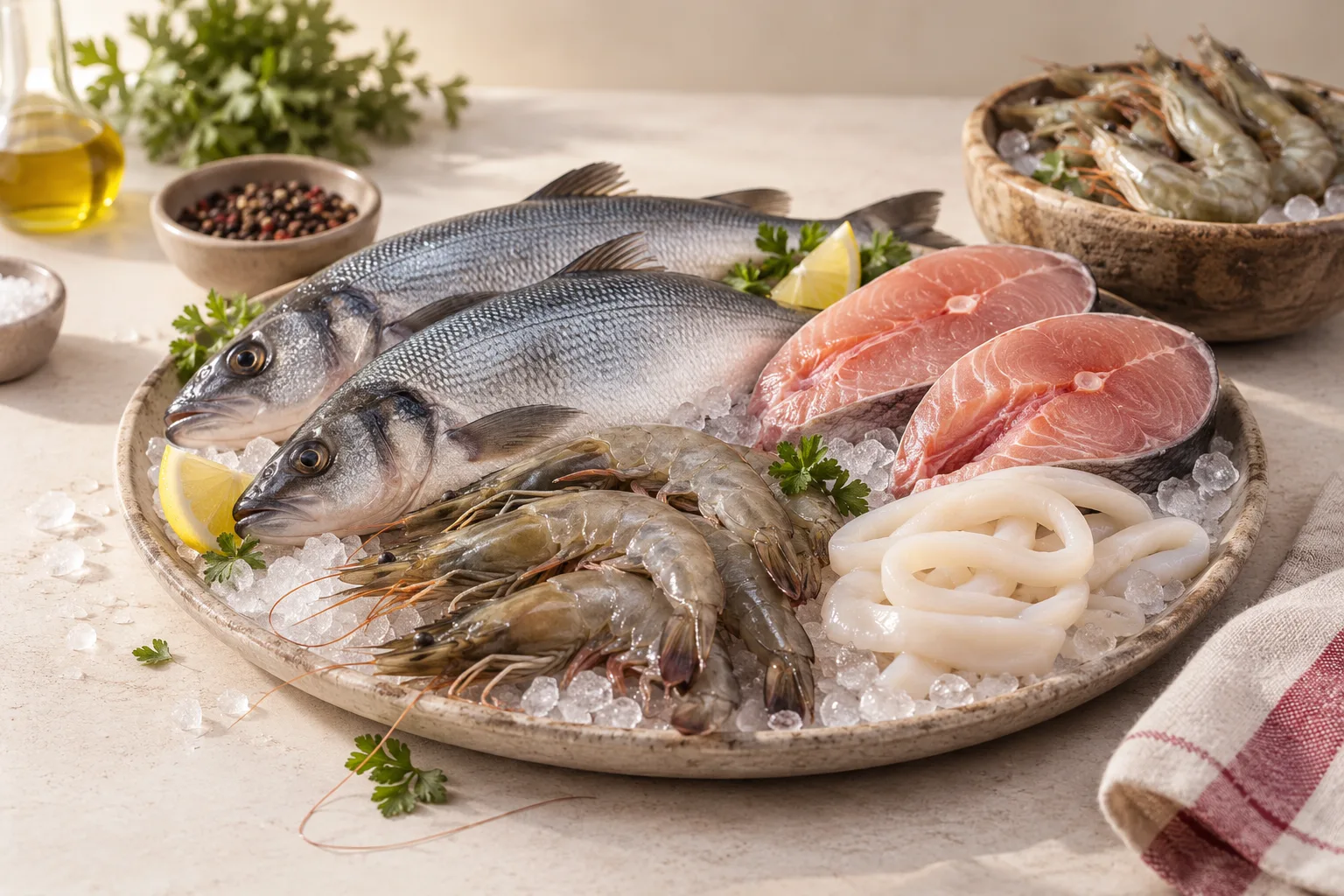
What lead generation means
Lead generation is the combined work of every channel that brings in a new enquiry, whether from search, adverts, referrals or a stall at an exhibition. GullySales runs these channels together and reports the number of enquiries each one produced, not the activity behind it.
Also for cold-chain fish distributors
Sales and marketing for cold-chain fish distributors, the overview.
Last updated 18 Oct 2026.
For cold-chain fish distributors
Where it usually goes wrong, and what we would do.
“A new kitchen picks its supplier before it opens”
A restaurant fits out its kitchen for months before the doors open. The fish supplier is chosen in that gap, on a neighbour's word or a salesman's visit. A distributor who first hears of the opening at the ribbon-cutting meets a buyer whose supplier is already saved in the phone.
“Shop owners answer a price, not a brochure”
A retail fish shop owner compares your rate with the landing centre and with another distributor's message. A lead from such a shop is a person who will answer a price and a drop point, so the first contact carries those two things and nothing decorative.
“Institutional buyers need paper first”
Canteens, caterers and supermarket purchase heads ask for licences and a delivery plan before agreeing to a trial. Work these leads with documents in hand, and find the name of the person who approves suppliers, since that matters more than the name of the kitchen.
“A bought list gives a call no reason”
A purchased sheet of phone numbers reaches people with no cause to trust a stranger with their morning fish. Names drawn from your own routes, signboards, licences and introductions from current customers give each call something specific to say.
What we do
What we deliver for cold-chain fish distributors.
Every deliverable, what it covers for you, and the result it is there to produce. Nothing here is an extra.
Area list of fish buyers
Restaurants, hotels, shops, caterers and canteens along your van routes, gathered from local listings, signboards and visits, with the decision-maker's name where known.
Result: A sheet by route showing who buys fish and who has no supplier from you yet.
New-opening watch
A running note of kitchens and shops under fit-out in your area, with a first-visit offer written for each.
Result: Each opening on the list has an owner on your team and a visit noted.
Trial-lot offer
A small first order with the size, grade and delivery slot stated, written so a buyer can accept in one message.
Result: A one-message offer a salesman or driver can send or hand over.
Enquiry capture
One place where calls, WhatsApp messages and website forms are noted with their source, so no lead lives only in one phone.
Result: Every enquiry carries a source and a named person who answers it.
Source count
Leads grouped by where they came from, using your own records: visit, referral, listing or website.
Result: A table showing which source brought which new accounts.
How the result is measured
- Enquiries generated
- Cost per enquiry
- Enquiries by source
Recorded as a baseline before work starts, so every later report has an honest comparison.
Who it is for
This is written for these cold-chain fish distributors.
- Distributors serving retail fish shops and wet markets
- Suppliers to hotels, restaurants and caterers
- Supermarket and modern retail suppliers
- Distributors of frozen and processed fish and shrimp
- Online fish delivery start-ups that need a cold-chain supplier
- Wholesalers who buy at landing centres and sell onward the same day
- Suppliers to hospital, canteen and institutional kitchens
- Cold van operators who carry fish between districts for others
How it works
How the lead generation work runs
The work itself, in order. How an engagement starts, from your brief to a written scope, is set out on our method page.
- 1
Understand your capacity
We agree how many enquiries your sales team can actually handle well, so the system is not built to overwhelm it.
- 2
Audit current sources
We check what already brings in enquiries today, even informally, before adding anything new.
- 3
Strategise the channel mix
Content, search and paid channels are chosen based on where your buyers already look.
- 4
Implement capture and follow-up
Pages, forms and a follow-up process are built and connected end to end.
- 5
Measure and optimise
We track enquiry volume and quality and adjust the channel mix to match.
Where this fits
Three pieces of sales work, in this order.
This work sits inside sales process design, at stage 1, prospecting and lead generation. The audit comes before it, and sales management keeps it running.
Step 1
Sales audit
Find where deals are being lost and what to fix first.
Start here if you cannot say where orders are lost.
Step 2 · you are here
Sales process design
One written way to sell, from first enquiry to repeat order.
Start here if every salesperson sells differently.
Step 3
Sales management
A target, a review routine and someone who owns the number.
Start here if the team has targets and no routine.
FAQ
Questions owners ask before they call.
Not here? More answers, or ask on WhatsApp.
Should we buy a list of restaurant and hotel numbers?
Are online fish sellers and processors leads too?
How much does it cost?
How long is the contract?
How soon will we see results?
Who will actually do the work?
What do you need from us?
What if we are not happy with the work?
More for cold-chain fish distributors
Everything else we would do for you.
Closest to this: leads and follow-up
Also for cold-chain fish distributors
Or start from the overview: sales and marketing for cold-chain fish distributors.
Your next practical step
Tell us what you are trying to grow, and we will read it before we call.
Eight short steps, mostly taps. Skip anything you would rather answer on the call.