Cold-chain fish distributors · Other
Be the supplier a restaurant calls when the morning delivery fails.
A hotel chef finds the morning's delivery short by half and the fish not as cold as it should be. Lunch has to be cooked, so the chef calls a second supplier whose number is saved. If that supplier answers and delivers on time, the first supplier may never hear why the order moved.
Scope, fee, reporting and term are agreed in writing after we have read your brief and spoken to you.
In one paragraph
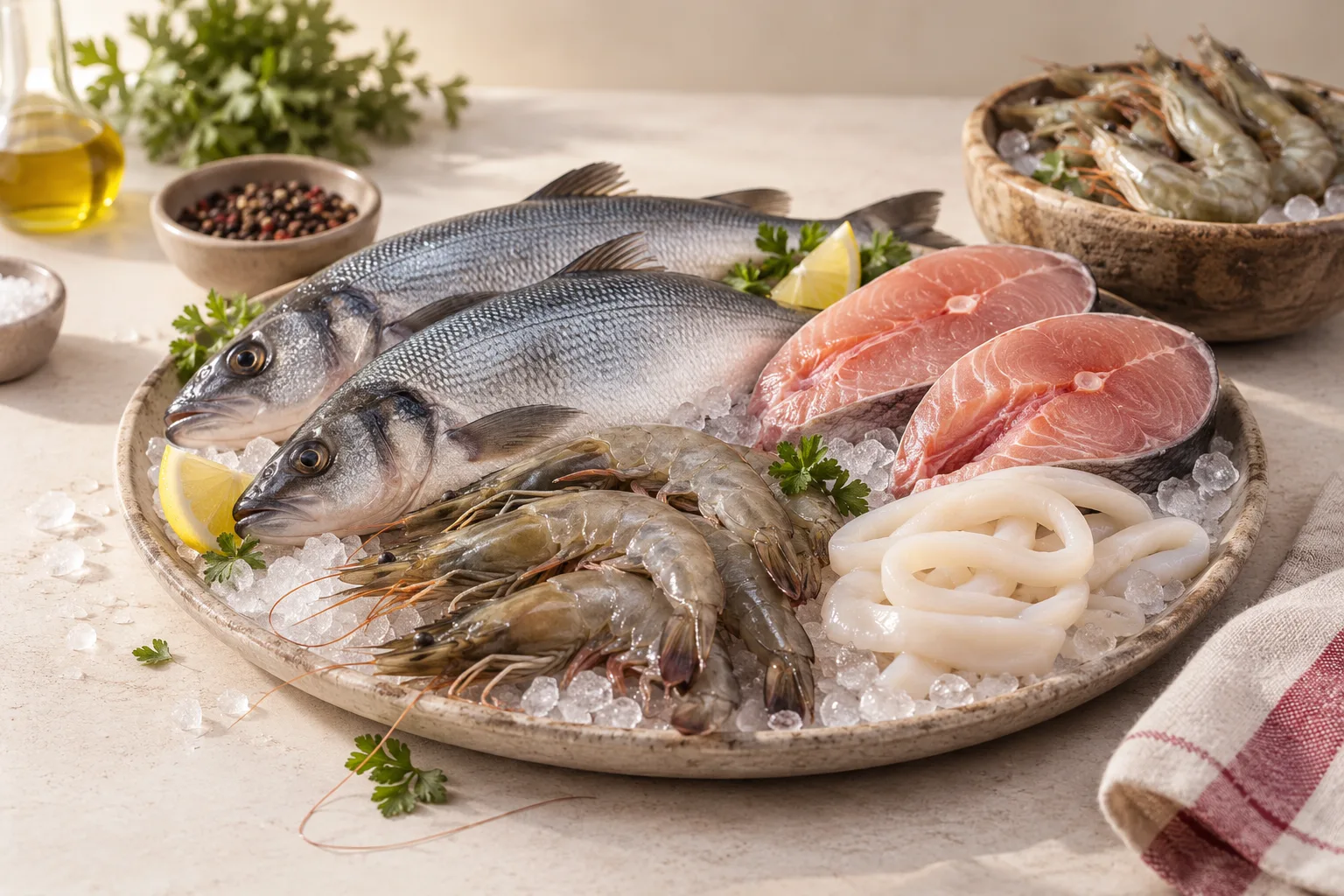
Cold-chain fish distributors buy from landing centres, farms and processors and deliver chilled or frozen fish in insulated or refrigerated vans to shops, hotels and restaurants. Marketing puts your name in front of kitchens and shop owners who need a second or a first supplier. Sales keeps the account record, the daily price message and the follow-up after a failed delivery.
This trade runs on trust, price lists that change by the hour and drivers who deliver before sunrise. Orders come by phone and WhatsApp, and the customer who leaves does not say why. The distributor who writes down who orders what notices the silence first.
Last updated 18 Oct 2026.
How buyers decide
How cold-chain fish distributors are chosen.
Retail fish shops, restaurants, hotels, caterers and supermarkets choose a distributor on freshness, consistency, delivery time and credit. A restaurant wants the same fish at the same size every day. A shop owner wants a supplier who can cover when the landing is poor, and who gives the price before the van arrives.
A new account comes from a trial. The buyer orders a small lot, checks temperature, weight and smell, and compares with the current supplier. A good first month depends on the driver as much as on the fish. Repeated delays or short weights end the relationship.
Institutional buyers, such as hospital canteens, catering companies and supermarket chains, ask for licences, hygiene records and a fixed delivery slot. Food safety rules differ by state and change, so keep your own licence documents in order and check requirements with your food safety officer or adviser.
The problem
What usually goes wrong for cold-chain fish distributors.
What owners tell us on the first call, in their words.
“We send price lists on WhatsApp and nobody replies”
The daily list goes to a long group, and we cannot tell who read it, who ordered and who is buying elsewhere.
“Customers leave quietly after one bad delivery”
A short weight or a warm box ends the account, and we find out when the van reaches an empty doorstep.
“Restaurant and hotel accounts depend on one chef”
When the chef changes, the account goes with the chef, and we have no relationship with the purchase manager or the owner.
“New shops and restaurants open and we do not hear of it”
A competitor's salesman is first through the door, because we have no list of new openings in our delivery area.
“Our hygiene and licence documents are not in a form a buyer can see”
Institutional buyers ask for them and we scramble each time.
“Credit sits with a few customers”
We deliver first and chase later. We do not track which accounts pay late.
What we do
What we do for cold-chain fish distributors.
Everything included for cold-chain fish distributors.
An account record by customer
Every customer with their usual order, delivery time, contact, credit position and the date of the last order, in one place the whole team uses.
A daily price and availability message format
A short WhatsApp format for the day's list that asks for an order, goes to the right group of buyers and notes who answered.
A new-opening watch
A list of new restaurants, hotels, shops and caterers in your delivery area, drawn from licences, signboards and local listings, with a first-visit offer for each.
A service-failure recovery script
A set way to respond to a short weight, a late van or a temperature complaint: who calls, what is offered and what is recorded.
A buyer document pack
Licences, hygiene records and a description of your cold chain, organised so an institutional buyer receives them at once. Your team supplies and checks every document.
Google Business Profile and directory listings
A clear listing for each depot, with service areas, photographs of vans and cold rooms, and reviews answered.
An account movement count
New accounts, orders per account, lost accounts and overdue credit, counted from your own order and dues records.
How the result is measured
- New accounts opened
- Orders per account
- Accounts that stopped ordering and were recovered
- Reply time to a new enquiry
- Complaints per delivery and how they were closed
- Overdue credit by account
Recorded as a baseline before work starts, so every later report has an honest comparison.
Every service, written for cold-chain fish distributors
Each has its own page: what it involves for cold-chain fish distributors, what you get, and what it is measured on.
- Lead generationFind the kitchens and shops that need a fish supplier before a rival does.
- SEOBe the fish supplier a buyer finds when they search for one.
- Local SEOShow up on the map when a kitchen searches for a fish supplier nearby.
- Social mediaLet kitchens see the cold chain behind the fish you deliver.
- Content marketingWrite what a purchase head wants to know before ordering fish.
- Buyer personasKnow who actually decides which fish supplier a kitchen uses.
- CRMKeep every kitchen, shop and order in one place your team can read.
- Follow-up systemsCall back the kitchen after the bad delivery, not after it leaves.
- WhatsApp marketingTurn the morning price list into a message kitchens answer.
- Digital marketingPut the online basics in place so a buyer who looks you up finds a supplier.
- WebsitesBuild a site that tells a purchase head you run a proper cold chain.
Worth a page and a campaign of their own
Daily chilled fish supply to restaurants and hotels · Frozen shrimp and processed lines · Supply to retail fish shops · Supermarket and modern retail accounts · Institutional and catering accounts · Standing weekly orders · Delivery routes and van scheduling · Credit and collections
Priority campaigns
Campaigns for what cold-chain fish distributors most want to sell.
Each one planned around when your buyers decide, and measured against the baseline.
New restaurant and hotel opening campaign
A visit and a message for each kitchen opening in your area, with a trial lot and a stated delivery slot.
Festival and fasting-season planning
Messages to buyers before periods when demand moves, such as festivals, fasting seasons and the fishing ban, with the supply plan you can honestly offer.
Win-back campaign
A call and message to accounts that have stopped ordering, asking what went wrong and offering a small trial lot.
Supermarket and institutional pitch
A pack with licences, cold-chain description and a delivery plan, sent to purchase heads of chains, caterers and canteens.
Referral from chefs and shop owners
A simple way for happy customers to introduce a neighbour's kitchen or shop.
Beyond search
Where we reach buyers of cold-chain fish distributors, beyond Google.
Search matters, but it is rarely the only way this industry's buyers find a supplier.
Restaurant and hotel kitchens
A kitchen that is still fitting out has not yet chosen a fish supplier, so an area list and a first-visit offer give the earliest opening.
Retail fish shops
Shop owners want the price before the van leaves, so the daily message is the main tool here.
Caterers and canteens
Canteen and catering buyers ask for licences, hygiene records and a delivery plan before a trial.
Supermarkets and online fish sellers
Purchase heads at supermarket chains and the founders of online fish sellers, who judge a distributor on size consistency and delivery.
Producers and processors
Farms and processors looking for a distributor want to see your vans, cold rooms and the cities you already serve.
Who it is for
This is written for these cold-chain fish distributors.
- Distributors serving retail fish shops and wet markets
- Suppliers to hotels, restaurants and caterers
- Supermarket and modern retail suppliers
- Distributors of frozen and processed fish and shrimp
- Online fish delivery start-ups that need a cold-chain supplier
- Wholesalers who buy at landing centres and sell onward the same day
- Suppliers to hospital, canteen and institutional kitchens
- Cold van operators who carry fish between districts for others
Not for
It is not the right fit if.
- You want a guaranteed Google ranking or a guaranteed number of leads. Nobody honest can promise either.
- You need enquiries by next week and have nobody to answer them.
- You want posts and reach reported, not enquiries and orders.
How it works
How the work runs for cold-chain fish distributors
The work itself, in order. How an engagement starts, from your brief to a written scope, is set out on our method page.
- 1
Look at the accounts
Who orders, what and when, and who has stopped, listed from your own records.
- 2
Set up the daily routine
A price message format, an order record and a named person who answers.
- 3
Organise the documents
Licences and records are sorted into a pack your team checks.
- 4
Find the new kitchens
A watch for new openings, a first-visit offer and a follow-up record.
- 5
Recover and grow
Win-back calls, referral messages and a dues list that names the accounts paying late.
Where this fits
Three pieces of sales work, in this order.
GullySales builds every engagement from three pieces of sales work. This page is not one of them, but the same three steps apply to the business behind it.
Step 1
Sales audit
Find where deals are being lost and what to fix first.
Start here if you cannot say where orders are lost.
Step 2
Sales process design
One written way to sell, from first enquiry to repeat order.
Start here if every salesperson sells differently.
Step 3
Sales management
A target, a review routine and someone who owns the number.
Start here if the team has targets and no routine.
FAQ
Questions cold-chain fish distributors ask before they call.
Not here? More answers, or ask on WhatsApp.
Is this different from marketing for a fish shop?
Do you handle food safety licences?
What do we tell kitchens when the catch is short during the fishing ban?
Will WhatsApp be enough?
How is this different from a cold storage business?
How much does it cost?
How long is the contract?
How soon will we see results?
Who will actually do the work?
What do you need from us?
Part of Other. See the other industries in the sector.
Your next practical step
Tell us what you are trying to grow, and we will read it before we call.
Eight short steps, mostly taps. Skip anything you would rather answer on the call.