Farm consulting companies · Buyer persona
Know which of your three buyers is on the phone before you answer.
A buyer persona for a farm consulting company is a written portrait of one kind of client: what they own, what they fear and how they decide to hire a consultant. GullySales builds yours from your own client files and calls, then turns each portrait into the page, the question and the offer that suit it.
Scope, fee, reporting and term are agreed in writing after we have read your brief and spoken to you.
What buyer persona means
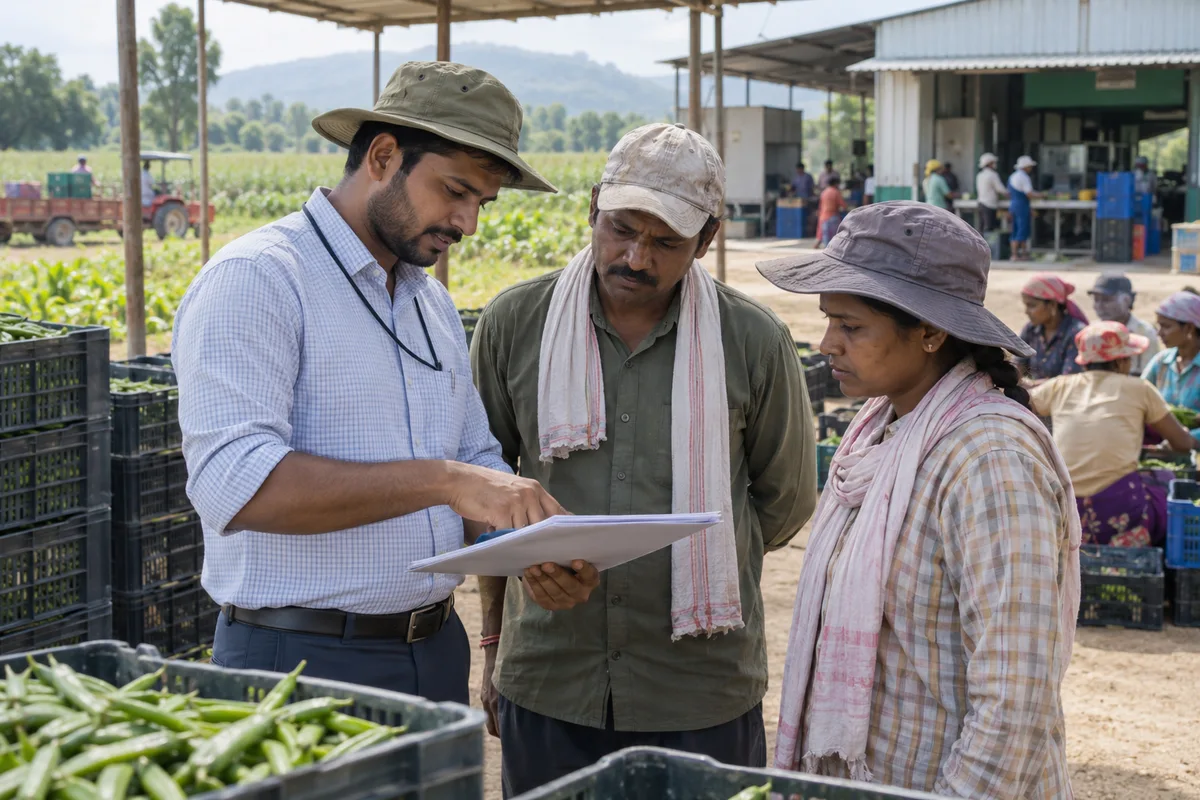
A buyer persona is a plain description of the kind of customer who actually buys from you. It includes what they search, what worries them and who else they ask before deciding. GullySales builds this from real enquiries and past sales rather than a generic template, then uses it to write every page and advert.
Also for farm consulting companies
- Digital marketing for farm consulting companies
- Lead generation for farm consulting companies
- SEO for farm consulting companies
- Local SEO for farm consulting companies
- Social media marketing for farm consulting companies
- Content marketing for farm consulting companies
- CRM for farm consulting companies
- Follow-up systems for farm consulting companies
Sales and marketing for farm consulting companies, the overview.
Last updated 18 Oct 2026.
For farm consulting companies
Where it usually goes wrong, and what we would do.
“The weekend owner wants to be told it is possible”
This buyer has a job elsewhere, bought land on a hope and fears being fooled. They want a clear first step, a visit that does not cost a crop, and a consultant who says plainly when the plot is unsuitable.
“The farmer in trouble wants the cause named”
A grower whose crop is failing has been given three opinions by three dealers. They hire the consultant who walks the field, asks about water and inputs, and writes down a cause, not a sales list.
“The institution wants a record it can file”
A bank, an FPO or a company with land needs reports, references and clear scope. The person reading must justify the choice to a superior, so a plain profile and past engagements outweigh enthusiasm.
“The family decides together”
Behind a weekend farm there is a spouse, a parent or a sibling who must agree to the spend. Material written only for the person on the phone misses the people who say yes to the fee.
What we do
What we deliver for farm consulting companies.
Every deliverable, what it covers for you, and the result it is there to produce. Nothing here is an extra.
Three written personas
One page each for the weekend owner, the farmer in trouble and the institution, drawn from your actual clients.
Result: Each persona names real recurring questions from your records.
A list of the fears behind each enquiry
What each persona worries about before hiring, such as being sold unneeded inputs or paying for a report the bank rejects.
Result: Each fear is matched to a line on your site that answers it.
A first-call question set
Four or five questions to ask on the first call that reveal which persona you are speaking to.
Result: A new caller is placed into a persona by the end of the call.
An offer for each persona
The paid first visit, the problem diagnosis visit and the institutional engagement, each described in the words of its buyer.
Result: Each persona has a first step with a clear fee and a clear end.
A review against new client files
Each new client is checked against the personas, and the portraits are adjusted when the files disagree.
Result: The personas change when your clients change.
How the result is measured
- Enquiry match to persona
- Conversion rate by persona
- Content aligned to persona
Recorded as a baseline before work starts, so every later report has an honest comparison.
Who it is for
This is written for these farm consulting companies.
- Crop and agronomy advisers working with commercial growers
- Consultants for weekend farms and farmhouse plantations
- Horticulture and orchard planning consultants
- Organic and natural farming transition advisers
- Agri project report and bank loan consultants
- Farm management firms who run a farm for an absent owner
- Water, soil and irrigation planning consultants
- Agribusiness advisers for processing units and FPOs
How it works
How the buyer persona work runs
The work itself, in order. How an engagement starts, from your brief to a written scope, is set out on our method page.
- 1
Understand the current view
We start with how your team currently describes the customer, since the gap between belief and reality is often the finding itself.
- 2
Audit past enquiries and sales
We look at recent enquiries and closed deals to see who actually bought, not who was assumed to buy.
- 3
Interview customers and staff
Short, structured conversations surface the real language, worries and triggers behind a purchase.
- 4
Build the personas
Findings are written into short, usable persona documents rather than a long report.
- 5
Apply to your marketing
We show exactly where each persona should change a page, an ad or a script you already have.
Where this fits
Three pieces of sales work, in this order.
This work sits inside sales process design, at stage 0, foundation. The audit comes before it, and sales management keeps it running.
Step 1
Sales audit
Find where deals are being lost and what to fix first.
Start here if you cannot say where orders are lost.
Step 2 · you are here
Sales process design
One written way to sell, from first enquiry to repeat order.
Start here if every salesperson sells differently.
Step 3
Sales management
A target, a review routine and someone who owns the number.
Start here if the team has targets and no routine.
FAQ
Questions owners ask before they call.
Not here? More answers, or ask on WhatsApp.
Do we need three personas or one?
Where does the information come from?
Does a persona replace talking to the client?
How much does it cost?
How long is the contract?
How soon will we see results?
Who will actually do the work?
What do you need from us?
What if we are not happy with the work?
More for farm consulting companies
Everything else we would do for you.
Closest to this: strategy and research
Also for farm consulting companies
Or start from the overview: sales and marketing for farm consulting companies.
Your next practical step
Tell us what you are trying to grow, and we will read it before we call.
Eight short steps, mostly taps. Skip anything you would rather answer on the call.