Fish farms · CRM
Keep every buyer, rate and payment in one place the whole family can open.
A CRM for a fish farm is a simple record of each buyer, what they took, at what rate and whether they paid. GullySales works on setting up a sheet or a light tool and the habit of filling it in.
Scope, fee, reporting and term are agreed in writing after we have read your brief and spoken to you.
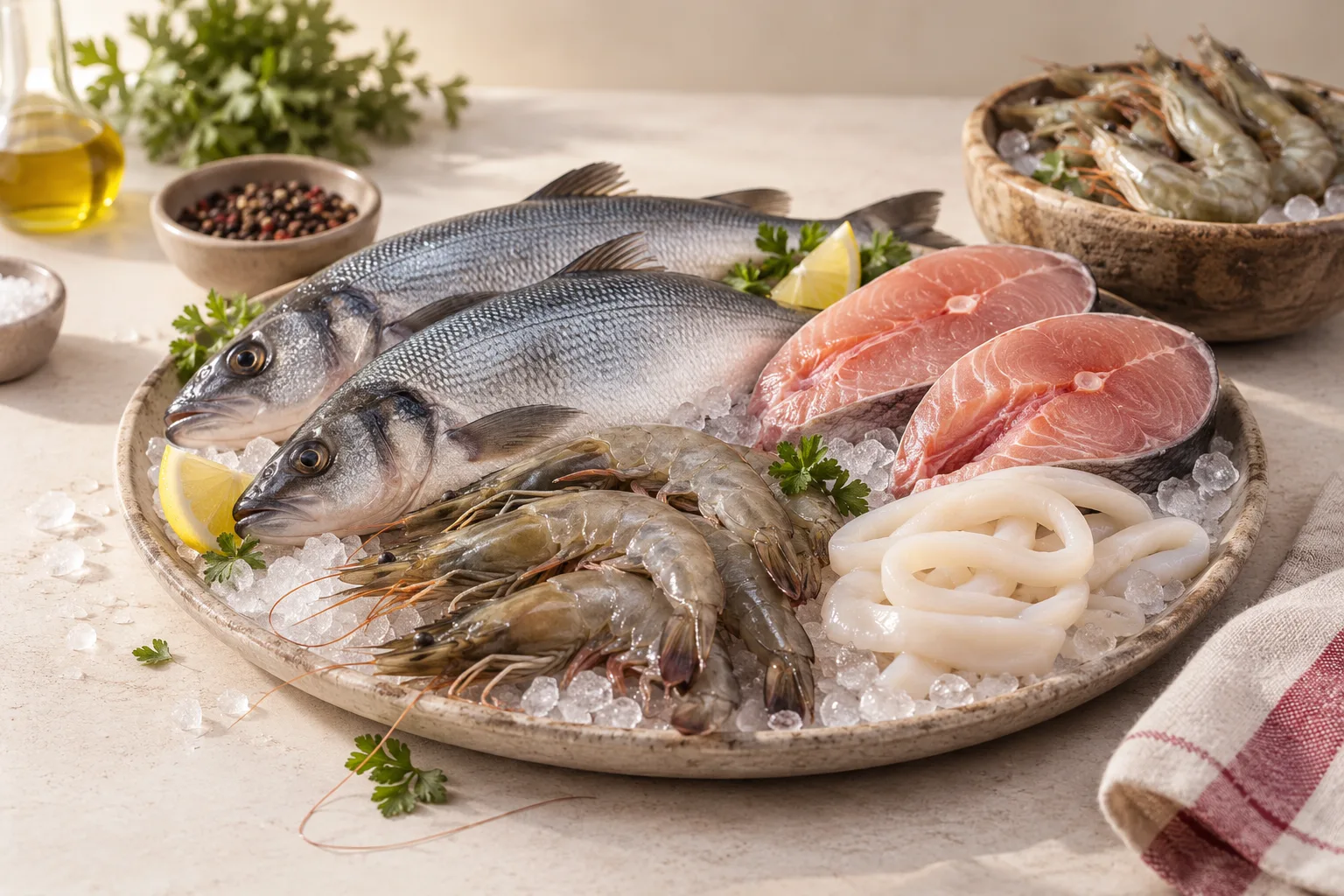
What CRM means
A CRM is the record where every enquiry, call and quote is kept against a customer, replacing separate notebooks, spreadsheets and memory. GullySales sets up or cleans an existing CRM and reports from it by enquiry outcome rather than by activity logged.
Last updated 18 Oct 2026.
For fish farms
Where it usually goes wrong, and what we would do.
“Memory fails across a season”
By the third harvest of the year, nobody recalls which trader paid late in the first. A record that shows the date, the amount and the delay settles the question before the next lot is agreed.
“The farm has more than one phone”
The owner, a brother and a manager each take calls. If an enquiry lives in one phone, the others quote a different rate or never learn that the buyer called.
“Credit is given on trust”
A trader takes fish today and pays after the market sells. Without a written balance, the amount becomes a matter of argument, and the farm either loses money or loses the buyer.
“A tool the family will not open is useless”
A system built for an office fails on a farm. A shared sheet or a very small app, filled in on the bank at harvest, is more likely to survive than a full software package.
What we do
What we deliver for fish farms.
Every deliverable, what it covers for you, and the result it is there to produce. Nothing here is an extra.
A buyer record
One row for each buyer with contact, type, usual size, rate paid and lifting capacity.
Result: A sheet where any family member finds a buyer's details.
A harvest and sale log
For each harvest, the species, quantity, buyers and rate, entered at the pond.
Result: A record that you can compare to the last crop.
A payments-due view
A list of what each buyer owes and the days it has been outstanding.
Result: A page to read before you agree the next lot.
An enquiry list
Every call or message from a possible buyer with the size and quantity asked, before it becomes a sale.
Result: A list to work through when a pond is ready.
A one-page habit guide
Who enters what, when and how, written for the people who actually stand at the pond.
Result: A sheet pinned where the work is done.
How the result is measured
- Enquiries logged in the CRM
- Data completeness
- Reports generated from CRM data
Recorded as a baseline before work starts, so every later report has an honest comparison.
Who it is for
This is written for these fish farms.
- Freshwater pond farms growing rohu, catla and mrigal
- Pangasius and tilapia farms selling to processors and wholesalers
- Cage culture units in reservoirs and large water bodies
- Farms growing murrel, magur and other air-breathing fish
- Fish farmers' groups and societies selling together
- Farms with a pay-and-catch pond or a farm-visit weekend
- Integrated farms with a fish pond beside paddy, poultry or dairy
- Farms that supply table-size fish to hotels and caterers
How it works
How the CRM work runs
The work itself, in order. How an engagement starts, from your brief to a written scope, is set out on our method page.
- 1
Map the sales process
We record how a deal actually moves from enquiry to close in your business today.
- 2
Configure stages and fields
The CRM's pipeline and fields are built to match that process exactly, not a generic template.
- 3
Set up automations
Reminders, assignment rules and follow-up triggers are configured so routine steps happen without manual effort.
- 4
Test with real deals
We run the configuration against actual current deals to catch gaps before the whole team relies on it.
Where this fits
Three pieces of sales work, in this order.
This work sits inside sales management. A target, a review routine and someone who owns the number.
Step 1
Sales audit
Find where deals are being lost and what to fix first.
Start here if you cannot say where orders are lost.
Step 2
Sales process design
One written way to sell, from first enquiry to repeat order.
Start here if every salesperson sells differently.
Step 3 · you are here
Sales management
A target, a review routine and someone who owns the number.
Start here if the team has targets and no routine.
FAQ
Questions owners ask before they call.
Not here? More answers, or ask on WhatsApp.
Do we need paid software?
Who should have access?
How much does it cost?
How long is the contract?
How soon will we see results?
Who will actually do the work?
What if we are not happy with the work?
More for fish farms
Everything else we would do for you.
Closest to this: leads and follow-up
Also for fish farms
Or start from the overview: sales and marketing for fish farms.
Your next practical step
Tell us what you are trying to grow, and we will read it before we call.
Eight short steps, mostly taps. Skip anything you would rather answer on the call.