Greenhouse farming companies · Follow up systems
Reply to a farmer or a sourcing head before a rival builder does.
A follow-up system for a greenhouse company is the set of rules that decide who contacts an enquirer next, with what, and when to stop. GullySales writes those rules for produce buyers and for project enquiries.
Scope, fee, reporting and term are agreed in writing after we have read your brief and spoken to you.
What follow up systems means
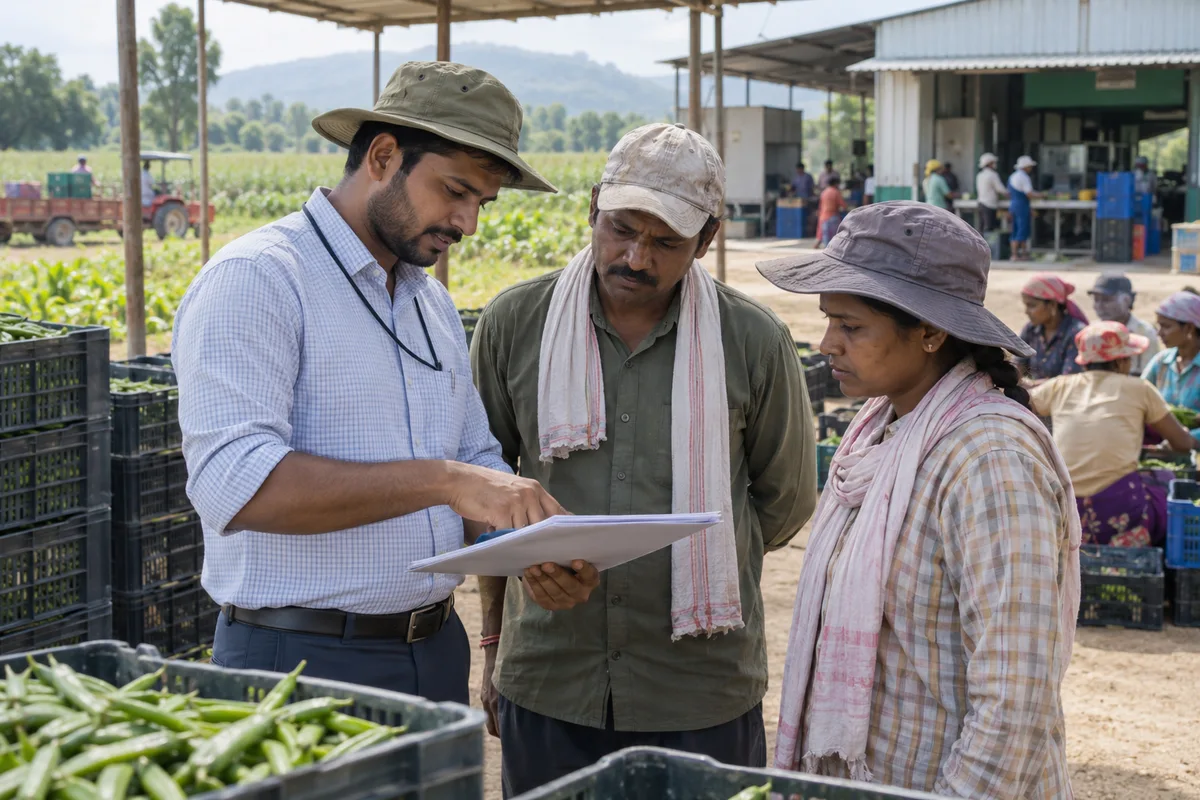
A follow-up system is the set routine for calling, messaging or emailing an enquiry more than once, since most buyers do not decide on the first conversation. GullySales sets the number and timing of follow-ups so an undecided buyer keeps hearing from you until they decide either way.
Also for greenhouse farming companies
- Lead generation for greenhouse farming companies
- CRM for greenhouse farming companies
- SEO for greenhouse farming companies
- Social media marketing for greenhouse farming companies
- Content marketing for greenhouse farming companies
- Buyer personas for greenhouse farming companies
- WhatsApp marketing for greenhouse farming companies
- Digital marketing for greenhouse farming companies
Sales and marketing for greenhouse farming companies, the overview.
Last updated 18 Oct 2026.
For greenhouse farming companies
Where it usually goes wrong, and what we would do.
“A produce buyer judges the farm by its reply”
A sourcing head who asks for a price list and hears nothing has learned how supply will go. The first reply is part of the sample.
“A farmer collects quotes and drifts to the one who calls back”
Project buyers ask three or four builders at once. The company that follows up with a visit date and a plain note stays in the conversation.
“A visit that ends without a next step goes cold”
A farmer who walked through the greenhouse and heard nothing afterwards may think the company lost interest. The visit is the moment when a follow-up matters most.
“Seasons matter for planting decisions”
A farmer who is not ready now may be ready before the next planting. A follow-up that remembers the stated timing and returns to it is welcome, and one that repeats the same pitch is not.
What we do
What we deliver for greenhouse farming companies.
Every deliverable, what it covers for you, and the result it is there to produce. Nothing here is an extra.
A reply standard for each enquiry type
A written rule for who answers produce enquiries and project enquiries, and what the first message contains.
Result: Every enquirer hears from a named person.
A post-visit message
A note sent after each site visit that thanks the visitor, answers their questions and offers one clear next step.
Result: A visit always ends with a written follow-up.
A reminder schedule for open quotes
A list of when to check back on each open quote, drawn from what the buyer said about timing.
Result: No quote is left without a next contact.
A reactivation routine
A gentle message to earlier enquirers whose stated planting window is approaching.
Result: Old enquiries are revisited at the right time.
A stop rule
A rule for when to mark an enquiry as closed and what to send when doing so.
Result: The pipeline holds live enquiries only.
How the result is measured
- Follow-up completion rate
- Average number of follow-ups before close
- Enquiries closed after repeat follow-up
Recorded as a baseline before work starts, so every later report has an honest comparison.
Who it is for
This is written for these greenhouse farming companies.
- Greenhouse growers of capsicum, cucumber and tomato for retail chains
- Cut flower and ornamental greenhouse growers
- Companies that design, build and hand over polyhouses to farmers
- Turnkey greenhouse operators who also manage the crop for the owner
- Nursery and seedling greenhouse businesses
- Tissue culture and plant propagation units
- Greenhouse farms supplying herbs, leafy greens and salad crops
- Greenhouse equipment and climate-control suppliers
How it works
How the follow up systems work runs
The work itself, in order. How an engagement starts, from your brief to a written scope, is set out on our method page.
- 1
Measure today's reply time
From last month's enquiries, we measure how long each waited for a first reply and how many follow-ups it got.
- 2
Agree targets and the sequence
We set reply targets and the follow-up sequence with your team, based on its real hours and workload.
- 3
Set up templates, tasks and ownership
Templates, first-call questions, CRM tasks and named owners go live, with cover for leave and weekends.
- 4
Track and adjust every month
Reply time and follow-up completion are reported against the baseline, and the routine is changed where it is not kept.
Where this fits
Three pieces of sales work, in this order.
This work sits inside sales process design, at stage 2, qualification. The audit comes before it, and sales management keeps it running.
Step 1
Sales audit
Find where deals are being lost and what to fix first.
Start here if you cannot say where orders are lost.
Step 2 · you are here
Sales process design
One written way to sell, from first enquiry to repeat order.
Start here if every salesperson sells differently.
Step 3
Sales management
A target, a review routine and someone who owns the number.
Start here if the team has targets and no routine.
FAQ
Questions owners ask before they call.
Not here? More answers, or ask on WhatsApp.
How often should we follow up?
Should follow-up be automatic?
What if a farmer says no?
How much does it cost?
How long is the contract?
How soon will we see results?
Who will actually do the work?
What do you need from us?
What if we are not happy with the work?
More for greenhouse farming companies
Everything else we would do for you.
Closest to this: leads and follow-up
Also for greenhouse farming companies
Or start from the overview: sales and marketing for greenhouse farming companies.
Your next practical step
Tell us what you are trying to grow, and we will read it before we call.
Eight short steps, mostly taps. Skip anything you would rather answer on the call.