How people choose in this industry
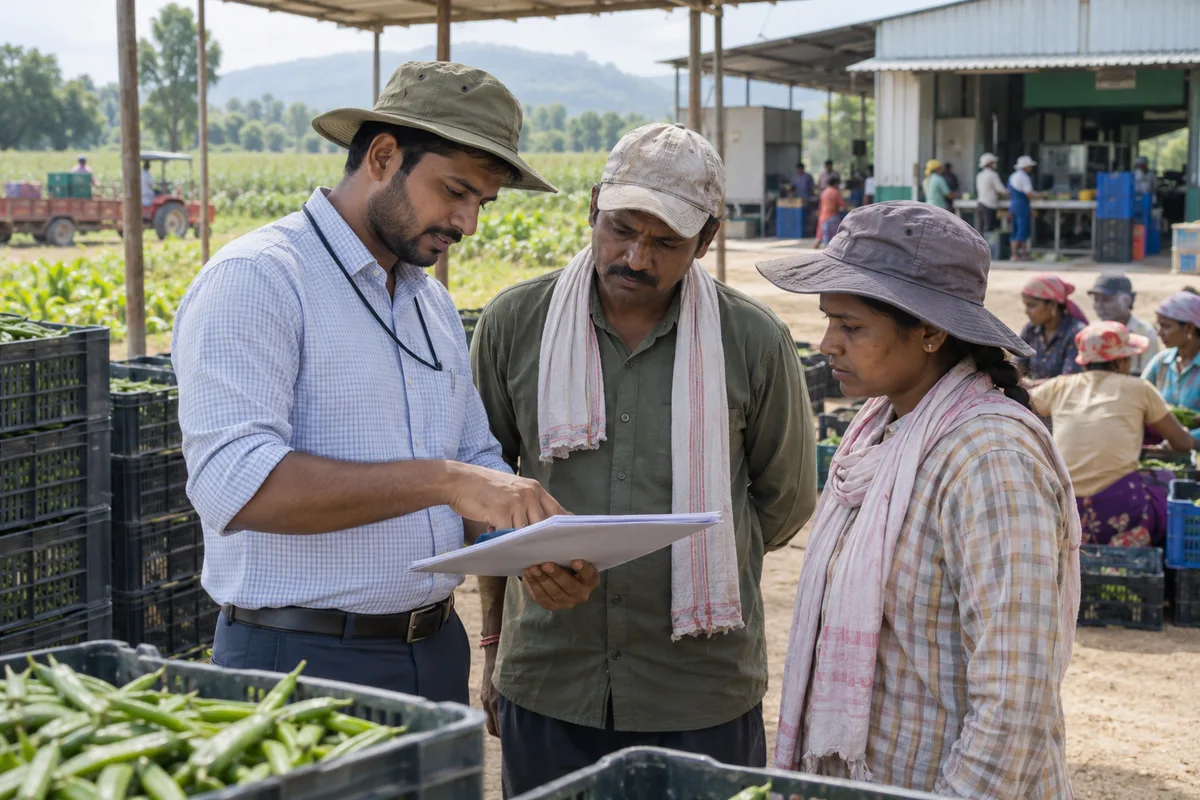
A farmer does not choose alone. The first call goes to the progressive farmer in the next village, to ask what was sown and how it stood in a dry spell, and the next to the input dealer, to ask what is on the shelf and what the company will do if germination fails. Field days at a demonstration plot, a sign painted on a wall near the highway and a WhatsApp video of a standing crop carry more weight than a brochure.
The dealer chooses what to stock, and chooses cautiously. The margin, the credit period, the return of unsold stock and the arrival of the company's field staff when a complaint comes all count. A company that is hard to reach in July loses its shelf space in the next June.
Larger buyers, such as seed distributors, FPOs, government agencies and contract seed growers, ask for documents first: seed licence, certification or truthful labelling, test results and lot details. Rules for seed sale differ by state and by crop, so check them with your own seed certification office or adviser before any claim goes on a page or a pack.
The decision before implementation
A direct-only business may not need a partner programme. Agree the channel role and conflict boundaries first.
Existing industry priorities to review
- Dealer and distributor network growth
- Crop-wise and variety-wise product pages
- Demonstration plots and field days
- Farmer enquiry and call-back handling
- Kharif and rabi season campaigns
These describe the industry's wider priorities. The written scope identifies which this service will address.