Seafood processing companies · Digital marketing
Put the plant, its products and its documents where buyers search before they write.
Digital marketing for a seafood processor combines the website, search, professional networks, mail and chat into one route from a buyer's first look to an enquiry. GullySales plans which channels suit the plant and joins them to the enquiry log.
Scope, fee, reporting and term are agreed in writing after we have read your brief and spoken to you.
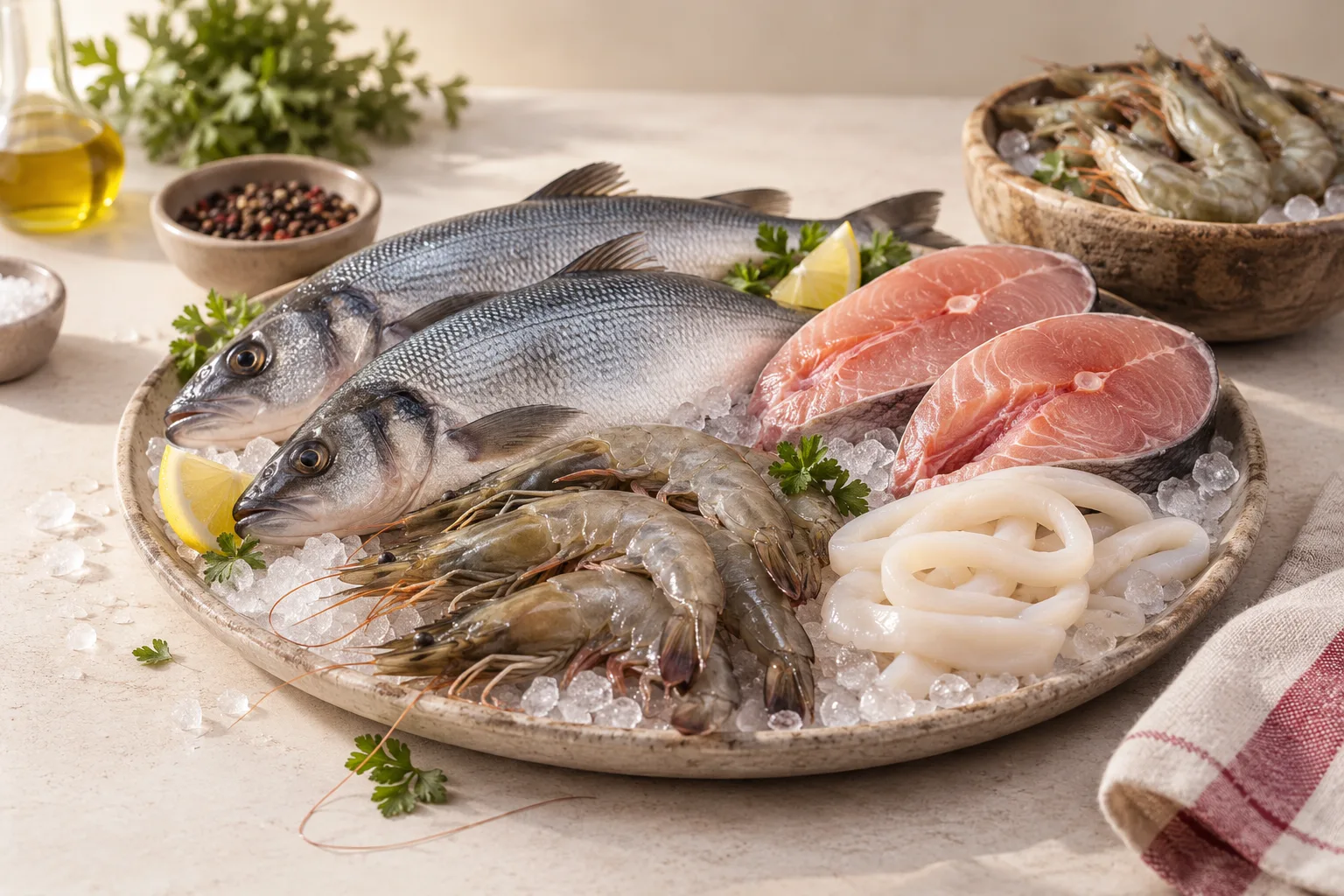
What digital marketing means
Digital marketing is the combined work of search, social media, advertising and website channels running together rather than as separate projects with separate people. GullySales runs these as one connected system so a change in one channel, such as a new offer, is reflected everywhere at once.
Also for seafood processing companies
- Buyer personas for seafood processors
- Lead generation for seafood processors
- SEO for seafood processing plants
- Social media marketing for seafood processors
- Content marketing for seafood processors
- CRM for seafood processors
- Follow-up systems for seafood processors
- WhatsApp marketing for seafood processors
Sales and marketing for seafood processing companies, the overview.
Last updated 18 Oct 2026.
For seafood processing companies
Where it usually goes wrong, and what we would do.
“Channels are chosen by buyer, not fashion”
An importer is reached by search, a professional network and direct mail. A domestic caterer may respond to chat and a visit. Spending on every channel spreads a small team thin without reaching either buyer properly.
“Paid ads work only for specific searches”
Advertising for a generic term wastes budget on readers who are not buyers. Aimed at a species, form and pack, an ad can reach a buyer at the moment of need, if the landing page answers the same words.
“Every click needs a place to land”
An ad or post that sends a buyer to a home page with no product detail loses the buyer. Each channel should lead to a page that carries the matching specification and an easy way to ask.
“Measurement has to reach the enquiry”
Visits are a weak measure on their own. The plant needs to know which channel produced the enquiry, the sample and the order, which means the log must record the source from the first contact.
What we do
What we deliver for seafood processing companies.
Every deliverable, what it covers for you, and the result it is there to produce. Nothing here is an extra.
A channel plan for the plant
A written choice of channels for importers, chains and caterers, with the reason for each and what is left out.
Result: A one-page plan the owner can approve or change.
Landing pages for each campaign
Pages matched to a product or buyer type, with specification, documents and a short enquiry form.
Result: Each campaign has a page that repeats its own promise.
Source tracking in the log
A field that records where each enquiry began, filled in at first contact.
Result: A count of enquiries by source drawn from the log.
Mail and message sequences
A short run of messages for buyers who have asked for a sample or a quote, built from the follow-up rules.
Result: A sequence the team can start from the CRM.
A review of what produced orders
The log is read against the order book to see which channels deserve continued effort.
Result: A note naming the channels that led to samples and orders.
How the result is measured
- Enquiries across channels
- Cost per enquiry overall
- Channel mix by contribution
Recorded as a baseline before work starts, so every later report has an honest comparison.
Searches your buyers type
These are the searches and listings that bring buyers to a plant.
- species plus form plus supplier
- Search ads for terms like frozen squid rings supplier, landing on a page that carries the same words and a specification.
- export promotion body directory
- A listing with current products and a working contact. Check the body's own rules for what may be stated.
- B2B trade portal profile
- A profile with plant photographs and product lines. Reply to portal enquiries on the same day.
- LinkedIn search for purchase and quality heads
- A list of roles at importers and chains, with a first message naming the product they sell.
- domestic chain and caterer supply
- A direct approach to regional chains and caterers, with a pack list and a delivery area stated plainly.
- trade fair follow-up
- A routine that turns cards from a show into messages and records, before the contacts go cold.
Who it is for
This is written for these seafood processing companies.
- Shrimp processing and freezing plants
- Fish fillet, steak and whole round fish processors
- Value-added seafood processors making ready-to-cook and ready-to-eat products
- Squid, cuttlefish and cephalopod processing plants
- Crab, lobster and shellfish processors
- Surimi, fish paste and fish meal units
- Contract processors who pack for other brands
- Domestic frozen fish suppliers to chains, hotels and caterers
Not for
It is not the right fit if.
- You have no log of where enquiries come from, and spend would follow guesses.
- Your product list is not fixed, so each channel would say something different.
- The sales desk cannot answer from several channels, and added routes would produce unanswered messages.
How it works
How the digital marketing work runs
The work itself, in order. How an engagement starts, from your brief to a written scope, is set out on our method page.
- 1
Agree the one aim
We settle what the campaign must achieve, such as enquiries for a launch or footfall for an event, and the date it must be live.
- 2
Check what is ready
We list the channels you already run, who runs them, and what each can produce in the time available. Anything that cannot be done properly is left out.
- 3
Write the idea and the message sheet
We draft the one-sentence idea, test it against each planned format, and fix the wording that all channels will copy.
- 4
Brief every channel from the same sheet
Your agency, freelancer or in-house person receives the message sheet and calendar. Their work is checked against the sheet before it goes out.
- 5
Run on the shared calendar
Channels go live together. If the offer changes, every channel is changed on the same day from the same sheet.
- 6
Measure as one campaign
Enquiries and orders are read against the baseline. The reporting schedule is agreed in writing with the scope.
Where this fits
Three pieces of sales work, in this order.
This work sits inside sales process design, at stage 0, foundation. The audit comes before it, and sales management keeps it running.
Step 1
Sales audit
Find where deals are being lost and what to fix first.
Start here if you cannot say where orders are lost.
Step 2 · you are here
Sales process design
One written way to sell, from first enquiry to repeat order.
Start here if every salesperson sells differently.
Step 3
Sales management
A target, a review routine and someone who owns the number.
Start here if the team has targets and no routine.
FAQ
Questions owners ask before they call.
Not here? More answers, or ask on WhatsApp.
Do we need paid advertising?
What can we measure honestly?
Does a plant need to advertise for domestic buyers differently?
How do we judge which channel is working?
How much does it cost?
How long is the contract?
How soon will we see results?
Who will actually do the work?
What do you need from us?
What if we are not happy with the work?
More for seafood processing companies
Everything else we would do for you.
Closest to this: strategy and research
Also for seafood processing companies
Or start from the overview: sales and marketing for seafood processing companies.
Your next practical step
Tell us what you are trying to grow, and we will read it before we call.
Eight short steps, mostly taps. Skip anything you would rather answer on the call.