Seafood processing companies · Social media
Show the plant, the cold chain and the people a buyer would audit, in the places buyers look.
Social media for a seafood processor is a way of showing the plant to buyers, auditors and future staff on the platforms where trade professionals spend time. GullySales plans what to post, writes it and records which posts bring conversations.
Scope, fee, reporting and term are agreed in writing after we have read your brief and spoken to you.
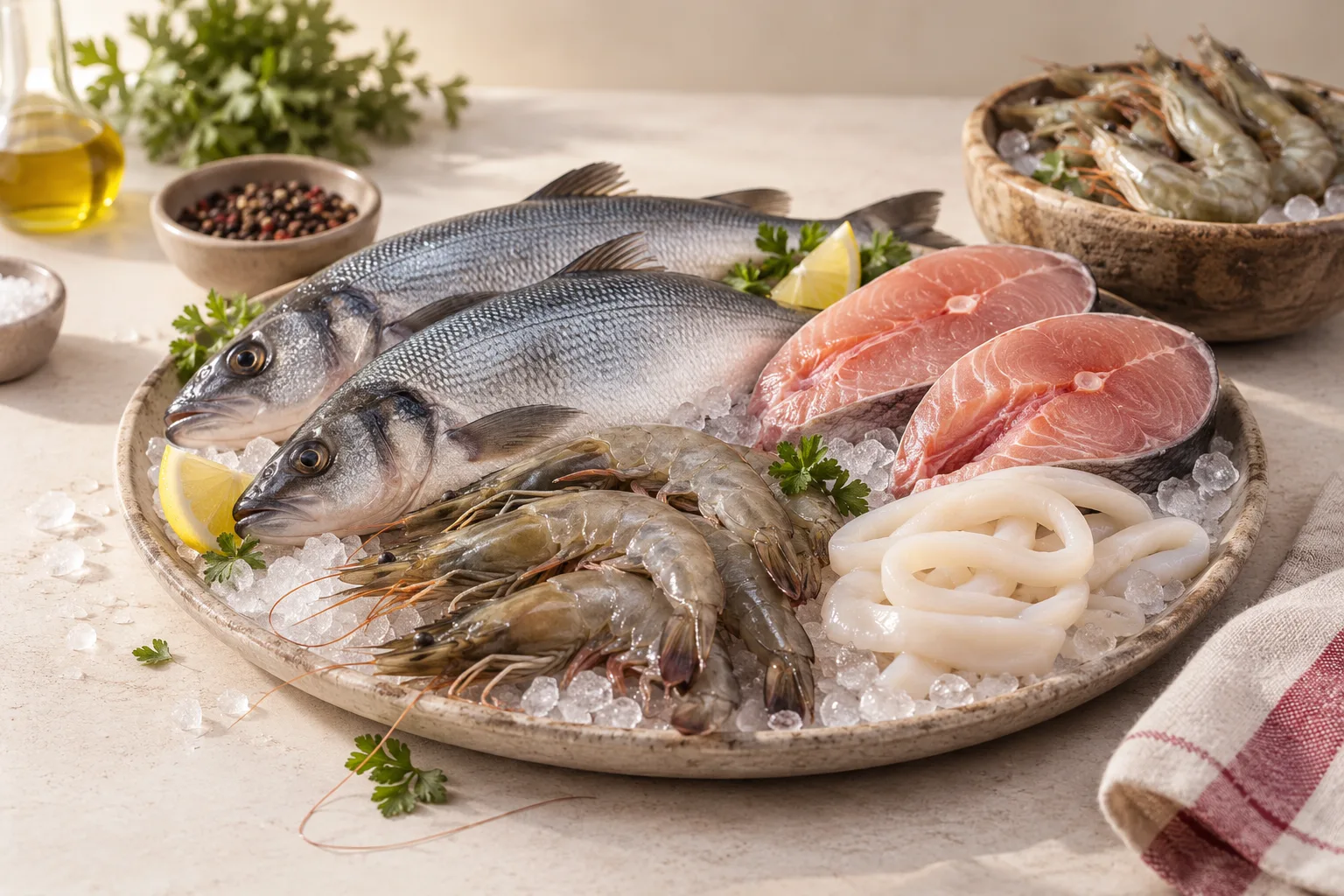
What social media means
Social media is the ongoing posting your business does on platforms such as Instagram, Facebook and LinkedIn to stay visible to customers and prospects between purchases. GullySales plans a posting calendar, writes captions and designs the images so the page looks active and answers what a visitor would ask.
Also for seafood processing companies
Sales and marketing for seafood processing companies, the overview.
Last updated 18 Oct 2026.
For seafood processing companies
Where it usually goes wrong, and what we would do.
“The audience is a handful of buyers”
A plant does not need a large following. It needs the purchase heads, quality managers and trade contacts it wants to reach to see consistent, credible posts. A small, well-chosen audience on a professional network does more than a wide one.
“Process photographs build trust”
A buyer cannot walk the floor before the first order. Photographs of receiving, grading, freezing and dispatch, taken with permission from staff and without exposing a customer's brand, show the plant in a way a brochure cannot.
“Claims on seafood posts need care”
A post that says fresh, premium or sustainable is a claim. Labelling and advertising rules differ by country and body, so check with your own adviser, and post only what your records support.
“Staff and recruitment benefit too”
Plant staff shortages are common in processing. Posts about the team, shifts and training reach job seekers as well as buyers, and the same photographs serve both.
What we do
What we deliver for seafood processing companies.
Every deliverable, what it covers for you, and the result it is there to produce. Nothing here is an extra.
A platform choice for the plant
A decision on which network suits the plant's buyers, a professional network for importers and a visual one for domestic buyers, written down with reasons.
Result: A one-page note on where the plant will post and why.
A post plan by theme
Themes such as the line, the cold chain, a product, a certificate held and a team member, drawn up with the plant manager.
Result: A list of themes the plant can approve before anything goes out.
Photograph and video guidelines
A short guide on what to shoot, what to avoid and whose consent to take, including customer packaging.
Result: A checklist the floor team follows when taking pictures.
Posts written and scheduled
Captions in plain trade language, tied to a product or a plant fact, with a link to the matching page.
Result: Every post carries a link a buyer can follow.
A reply log
Messages and comments from buyers logged with the same details as any other enquiry.
Result: Social enquiries appear in the enquiry log, not only on the platform.
How the result is measured
- Posts published
- Engagement rate
- Enquiries from social profiles
Recorded as a baseline before work starts, so every later report has an honest comparison.
Posts and pieces to plan
Plan these posts around the floor a buyer would audit.
- Receiving and grading
- Photographs of raw material coming in and being sorted, approved by the quality head and showing no supplier names.
- Freezing and glazing
- A short clip of the tunnel and glaze step, with staff consent. Shows process control to a quality manager.
- Packing and labelling line
- A photograph of cartons being sealed and labelled. Needs a label the buyer approved and no hidden brand showing.
- Cold room and dispatch
- Images of stacked cartons and the loading bay, with temperature records held for any caption.
- The people on the line
- A profile of the quality team or line supervisors with their consent. Also reaches job seekers in a hard-to-staff trade.
- A new pack format
- A post on a new carton or retail format, with the specification in the text, once the line is running.
Who it is for
This is written for these seafood processing companies.
- Shrimp processing and freezing plants
- Fish fillet, steak and whole round fish processors
- Value-added seafood processors making ready-to-cook and ready-to-eat products
- Squid, cuttlefish and cephalopod processing plants
- Crab, lobster and shellfish processors
- Surimi, fish paste and fish meal units
- Contract processors who pack for other brands
- Domestic frozen fish suppliers to chains, hotels and caterers
Not for
It is not the right fit if.
- No one is responsible for approving images, and a photograph of a poor corner would be seen by every buyer.
- Staff do not agree to appear in photographs, and the plant would have only empty-floor pictures.
- You expect social posts to bring orders without an owner for replies to messages and comments.
How it works
How the social media work runs
The work itself, in order. How an engagement starts, from your brief to a written scope, is set out on our method page.
- 1
Confirm audience, platforms and access
We note which platforms your buyers use and check that the pages sit under your own business accounts, with you as owner and us as added roles.
- 2
Review the current presence
We read the existing pages, the posts that drew replies and the gaps in posting.
- 3
Build the calendar
Themes, formats and dates are set out for your approval, with space for offers and news.
- 4
Create, approve and publish
Posts are made, approved by you and scheduled. Replies to the public are handled in your voice.
- 5
Record enquiries and adjust
Enquiries are logged against the post or platform where they began, and the mix changes to follow what brings them.
Where this fits
Three pieces of sales work, in this order.
This work sits inside sales process design, at stage 0, foundation. The audit comes before it, and sales management keeps it running.
Step 1
Sales audit
Find where deals are being lost and what to fix first.
Start here if you cannot say where orders are lost.
Step 2 · you are here
Sales process design
One written way to sell, from first enquiry to repeat order.
Start here if every salesperson sells differently.
Step 3
Sales management
A target, a review routine and someone who owns the number.
Start here if the team has targets and no routine.
FAQ
Questions owners ask before they call.
Not here? More answers, or ask on WhatsApp.
Which platform should a processing plant use?
Can staff appear in the photographs?
May we post photographs that show another brand's packaging?
Do posts about sustainability suit a processing plant?
How much does it cost?
How long is the contract?
How soon will we see results?
Who will actually do the work?
What do you need from us?
What if we are not happy with the work?
More for seafood processing companies
Everything else we would do for you.
Closest to this: content and social
Also for seafood processing companies
Or start from the overview: sales and marketing for seafood processing companies.
Your next practical step
Tell us what you are trying to grow, and we will read it before we call.
Eight short steps, mostly taps. Skip anything you would rather answer on the call.