Waste management and recycling companies · Follow up systems
Call back the committee that asked, and the one that went quiet.
A follow-up system for a waste company is the set of rules that decides who calls an enquiry, when a proposal is chased and how a silent site is revisited. GullySales writes the rules, the message wording and the record that holds them together.
Scope, fee, reporting and term are agreed in writing after we have read your brief and spoken to you.
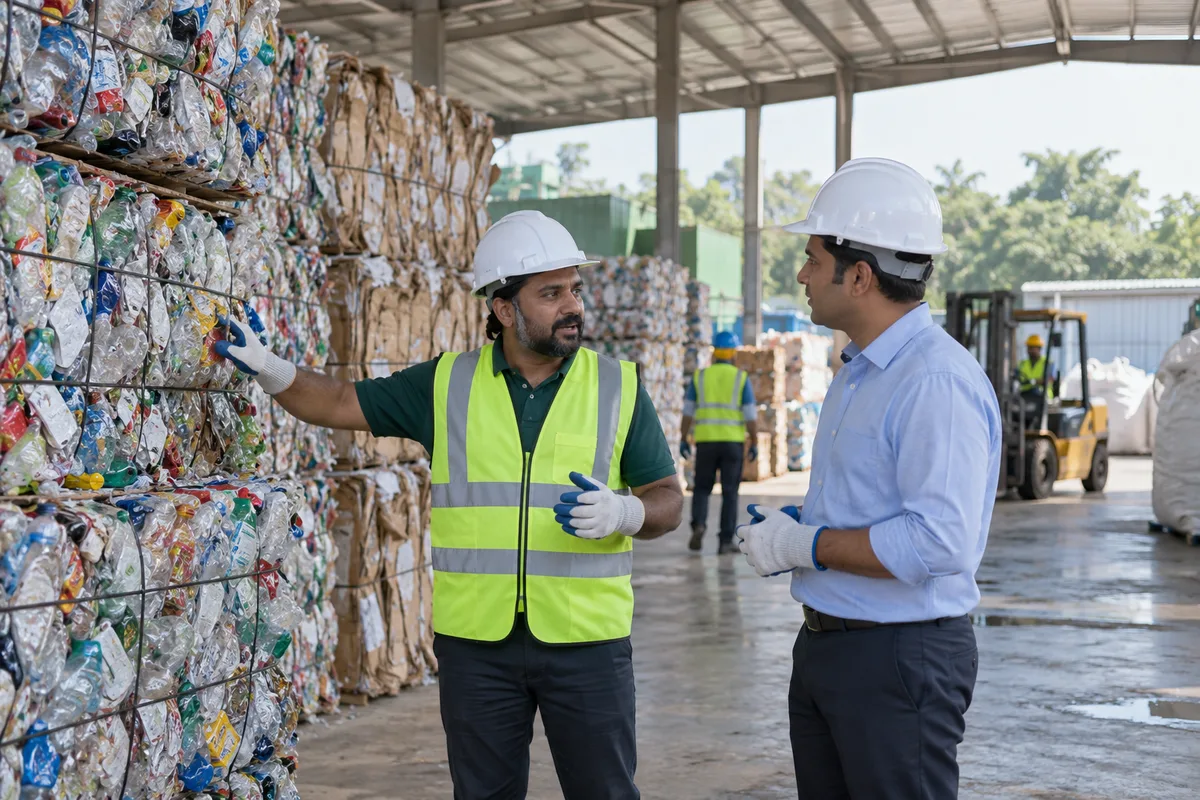
What follow up systems means
A follow-up system is the set routine for calling, messaging or emailing an enquiry more than once, since most buyers do not decide on the first conversation. GullySales sets the number and timing of follow-ups so an undecided buyer keeps hearing from you until they decide either way.
Also for waste management and recycling companies
- lead generation for waste management and recycling companies
- CRM for waste management and recycling companies
- SEO for waste management and recycling companies
- local SEO for waste management and recycling companies
- WhatsApp marketing for waste management and recycling companies
- a sales process for waste management and recycling companies
- referral marketing for waste management and recycling companies
- website development for waste management and recycling companies
Sales and marketing for waste management and recycling companies, the overview.
Last updated 11 Oct 2026.
For waste management and recycling companies
Where it usually goes wrong, and what we would do.
“The quotation goes out and the file closes”
A proposal is emailed to a hotel or a society and nothing is planned after it. The vendor who rings once more and asks about the committee date is the one who collects the signature.
“Follow-up depends on who remembers”
The salesman who promised a call leaves, or gets busy, and the lead sits in a chat. Without a written rule, the follow-up exists only as long as one person's attention does.
“A no is treated as final”
A committee that said no to the first proposal may change its mind when its vendor misses a week. Without a note and a date to return, you are absent when the opening arrives.
“Chasing sounds like pressure”
Repeated calls with the same line irritate a volunteer secretary. Each contact needs a new reason, such as a trial offer, a photograph from a nearby site or an answer to a question they raised.
What we do
What we deliver for waste management and recycling companies.
Every deliverable, what it covers for you, and the result it is there to produce. Nothing here is an extra.
A reply rule for every new enquiry
A named person, a first response and a set of questions, recorded in the sheet the moment the enquiry arrives.
Result: No enquiry waits without an owner.
A proposal chase routine
A call after the committee meeting date, a message with a fresh reason and a final check on whether the proposal is still live.
Result: Each proposal gets a planned follow-up.
A return list for lost and quiet sites
Sites that said no or went silent, each with a note on why and a date to revisit, such as a committee change or a contract end.
Result: Lost sites are revisited at a sensible moment.
Message wording for each stage
Short notes in plain language for enquiry, visit, proposal, trial and renewal, ready for phone or message.
Result: The team does not start from a blank screen.
A reminder set-up in your tool
Dates and prompts in a shared sheet or CRM, so a follow-up appears for the owner of the site without anyone remembering.
Result: Follow-up no longer rests on memory.
Reporting on the follow-up record
Proposals followed up, replies received and contracts signed after follow-up, set against the baseline.
Result: You see whether the routine wins contracts.
How the result is measured
- Follow-up completion rate
- Average number of follow-ups before close
- Enquiries closed after repeat follow-up
Recorded as a baseline before work starts, so every later report has an honest comparison.
What to capture or send
What to record and send after a society or factory asks for a proposal.
- Date the proposal was sent
- Recorded by whoever sent it. A committee that meets rarely needs a call placed ahead of the meeting.
- Committee meeting date
- Ask the secretary and note it. A call before the meeting answers questions while the decision is made.
- The question the buyer asked first
- Note it in their words. The reply to that question is the first line of the next message.
- Trial pickup outcome
- The supervisor records what went well and what failed. Share the fix with the committee before they ask.
- Reason for a no
- Price, an incumbent or timing. A no from a society that changes its committee can be reopened later.
Who it is for
This is written for these waste management and recycling companies.
- Wet waste collection and composting companies
- Dry waste and plastic recyclers
- Scrap dealers and organised kabadiwala networks
- E-waste collectors and recyclers
- Construction and demolition waste handlers
- Industrial and factory waste managers
- Paper, cardboard and packaging waste recyclers
- Battery, tyre and used oil collectors
- Society and apartment waste management vendors
Not for
It is not the right fit if.
- You send proposals to buyers you have never met, and a follow-up programme would repeat messages to strangers.
- The owner will not hand calls to anyone else, so the record would go unread when the owner is on the road.
How it works
How the follow up systems work runs
The work itself, in order. How an engagement starts, from your brief to a written scope, is set out on our method page.
- 1
Measure today's reply time
From your recent enquiries, we set the time each arrived against its first reply, using the call log, chats, form entries and portal panel. We also count the follow-ups each one got.
- 2
Agree targets and the sequence
We set reply targets and the follow-up sequence with your team, based on its real hours and workload.
- 3
Write the templates and first-call questions
The first reply, the quote follow-up and the last attempt are written in your voice and loaded as quick replies. The first-call questions are agreed with your best salesperson.
- 4
Set ownership, tasks and alerts
Named owners, cover for leave and CRM or sheet tasks go live. App alerts, such as IndiaMART's, are switched on for the right phones.
- 5
Track and adjust
Reply time and follow-up completion are reported against the baseline, and the routine is changed where it is not kept. How often you are reported to is agreed in writing.
Where this fits
Three pieces of sales work, in this order.
This work sits inside sales process design, at stage 2, qualification. The audit comes before it, and sales management keeps it running.
Step 1
Sales audit
Find where deals are being lost and what to fix first.
Start here if you cannot say where orders are lost.
Step 2 · you are here
Sales process design
One written way to sell, from first enquiry to repeat order.
Start here if every salesperson sells differently.
Step 3
Sales management
A target, a review routine and someone who owns the number.
Start here if the team has targets and no routine.
FAQ
Questions owners ask before they call.
Not here? More answers, or ask on WhatsApp.
How many times should we follow up a proposal?
Should follow-up be by phone or message?
What if the committee has already chosen another vendor?
How should a waste company follow up with a committee that has gone quiet?
How much does it cost?
How soon will we see results?
Who will actually do the work?
What do you need from us?
What if we are not happy with the work?
More for waste management and recycling companies
Everything else we would do for you.
Closest to this: leads and follow-up
Also for waste management and recycling companies
- SEO for waste management and recycling companies
- local SEO for waste management and recycling companies
- WhatsApp marketing for waste management and recycling companies
- a sales process for waste management and recycling companies
- referral marketing for waste management and recycling companies
- website development for waste management and recycling companies
Or start from the overview: sales and marketing for waste management and recycling companies.
Your next practical step
Tell us what you are trying to grow, and we will read it before we call.
Eight short steps, mostly taps. Skip anything you would rather answer on the call.