Villa developers · Follow up systems
Make the second visit happen with the notes from the first visit in hand.
A follow-up system for a villa developer is the set routine of messages, calls and invitations after a family has seen the project. GullySales writes the routine around the second and third visit, because that is where a villa gets chosen.
Scope, fee, reporting and term are agreed in writing after we have read your brief and spoken to you.
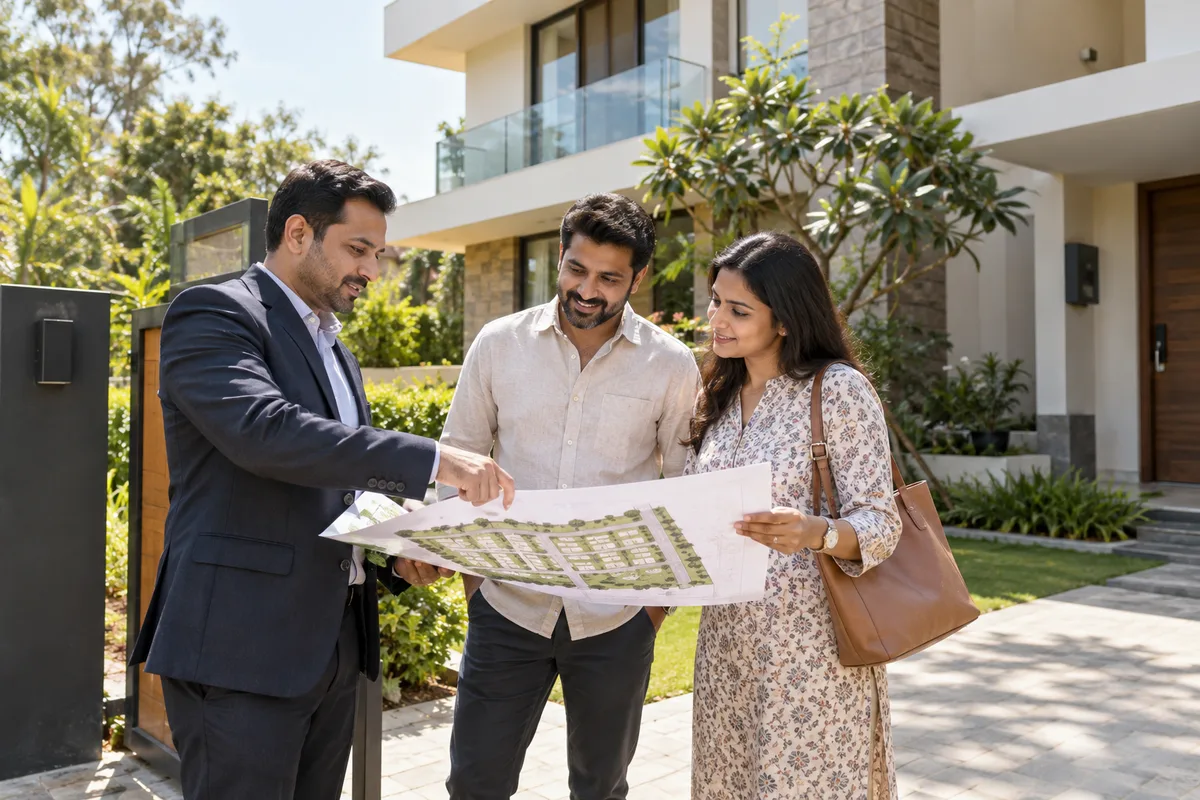
What follow up systems means
A follow-up system is the set routine for calling, messaging or emailing an enquiry more than once, since most buyers do not decide on the first conversation. GullySales sets the number and timing of follow-ups so an undecided buyer keeps hearing from you until they decide either way.
Last updated 18 Oct 2026.
For villa developers
Where it usually goes wrong, and what we would do.
“The visit ends with a promise nobody records”
The family asks about moving a wall, the executive agrees and nothing is written. The follow-up that quotes the request back to the family is the one that brings them back.
“A family goes quiet while they sell a flat”
Silence after a visit can mean the family is waiting for a sale to close. A polite check that asks about the timeline keeps the relationship without pressure.
“The second visit has more people”
The buyer returns with a parent or architect. A follow-up that offers a time slot for the whole group, and sends the plan with the family's notes, prepares the meeting.
“Brokers and portals add duplicate chasing”
A family can receive calls from three sources about the same villa. The system should show who has already spoken to them and what was said.
What we do
What we deliver for villa developers.
Every deliverable, what it covers for you, and the result it is there to produce. Nothing here is an extra.
A post-visit message
A message the same day with the villa the family liked, the plan marked with their notes and a proposed time to return.
Result: What the family said on visit one appears in the message.
A second-visit invitation
A slot offer for the wider group, with the questions the architect or parent is likely to ask answered in advance.
Result: The family can bring everyone to one booked slot.
A quiet-family check
A short, respectful message for families who have not replied, asking about their timeline and offering information instead of pressure.
Result: Quiet families receive a considerate nudge, and the reply is logged.
An owner of the next action
A rule that every family record carries a named person and a date for the next step.
Result: No family sits without a next step.
A closing routine after booking
The documents, payment schedule and construction updates sent on a set order after a family books.
Result: A booked buyer knows what comes next.
How the result is measured
- Follow-up completion rate
- Average number of follow-ups before close
- Enquiries closed after repeat follow-up
Recorded as a baseline before work starts, so every later report has an honest comparison.
Who it is for
This is written for these villa developers.
- Developers of gated villa projects on the edges of large cities
- Developers of row houses and twin villas for the upper-middle segment
- Developers of standalone villas on plots of 2,400 square feet and above
- Developers of villas inside a larger township
- Developers building second-home and weekend villas near hill stations and coasts
- Developers offering semi-furnished or fully furnished villas
- Developers selling ready-to-move villas from stock
- Landowners who developed their own land into a small villa project
How it works
How the follow up systems work runs
The work itself, in order. How an engagement starts, from your brief to a written scope, is set out on our method page.
- 1
Measure today's reply time
From last month's enquiries, we measure how long each waited for a first reply and how many follow-ups it got.
- 2
Agree targets and the sequence
We set reply targets and the follow-up sequence with your team, based on its real hours and workload.
- 3
Set up templates, tasks and ownership
Templates, first-call questions, CRM tasks and named owners go live, with cover for leave and weekends.
- 4
Track and adjust every month
Reply time and follow-up completion are reported against the baseline, and the routine is changed where it is not kept.
Where this fits
Three pieces of sales work, in this order.
This work sits inside sales process design, at stage 2, qualification. The audit comes before it, and sales management keeps it running.
Step 1
Sales audit
Find where deals are being lost and what to fix first.
Start here if you cannot say where orders are lost.
Step 2 · you are here
Sales process design
One written way to sell, from first enquiry to repeat order.
Start here if every salesperson sells differently.
Step 3
Sales management
A target, a review routine and someone who owns the number.
Start here if the team has targets and no routine.
FAQ
Questions owners ask before they call.
Not here? More answers, or ask on WhatsApp.
How often should we contact a family after a visit?
Should the follow-up come by call or WhatsApp?
What do we say to a family that chose another project?
How much does it cost?
How long is the contract?
How soon will we see results?
Who will actually do the work?
What do you need from us?
What if we are not happy with the work?
More for villa developers
Everything else we would do for you.
Closest to this: leads and follow-up
Also for villa developers
Or start from the overview: sales and marketing for villa developers.
Your next practical step
Tell us what you are trying to grow, and we will read it before we call.
Eight short steps, mostly taps. Skip anything you would rather answer on the call.