Commercial real estate developers and brokers · Social media
Post the floor plate and the neighbours, not another night-time render.
Social media marketing for commercial real estate is the use of LinkedIn, Instagram, YouTube and broker WhatsApp groups to keep a building, a park or a brokerage in front of occupiers, investors and the advisers who place them. GullySales works on what is posted, who sees it and how an enquiry reaches the leasing desk.
Scope, fee, reporting and term are agreed in writing after we have read your brief and spoken to you.
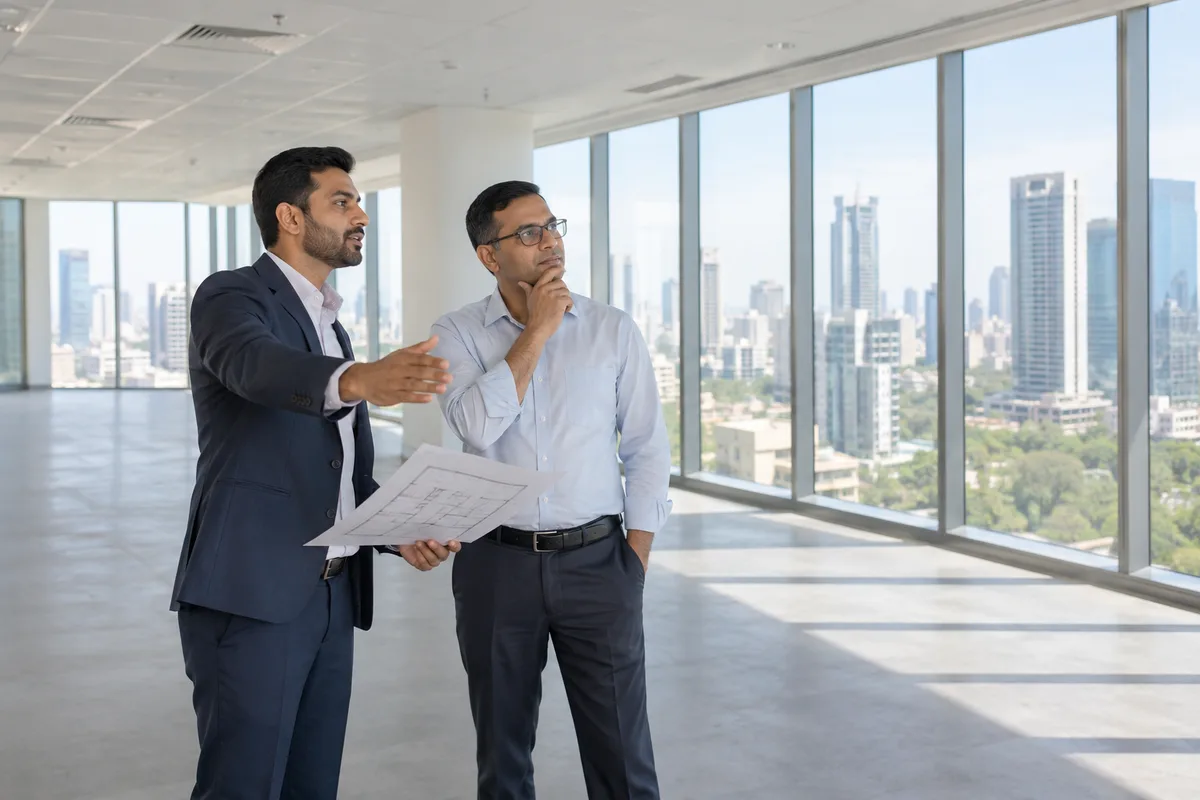
What social media means
Social media is the ongoing posting your business does on platforms such as Instagram, Facebook and LinkedIn to stay visible to customers and prospects between purchases. GullySales plans a posting calendar, writes captions and designs the images so the page looks active and answers what a visitor would ask.
Also for commercial real estate developers and brokers
- Content marketing for commercial real estate developers and brokers
- SEO for commercial real estate developers and brokers
- PPC ads for commercial real estate developers and brokers
- Lead generation for commercial real estate developers and brokers
- CRM for commercial real estate developers and brokers
- Email marketing for commercial real estate developers and brokers
- Sales process for commercial real estate developers and brokers
- Buyer personas for commercial real estate developers and brokers
Sales and marketing for commercial real estate developers and brokers, the overview.
Last updated 14 Nov 2026. Rules for this trade differ by state and professional body, and they change. We describe restrictions in general terms, so check the current position with your own council or adviser before you publish anything.
For commercial real estate developers and brokers
Where it usually goes wrong, and what we would do.
“The decision maker is on LinkedIn, the shopper is on Instagram”
An admin head, a CFO or a corporate real estate lead reads LinkedIn. A boutique owner or a clinic looking for a shop reads Instagram. One post pitched at both reads as noise to each, so the channel follows the occupier.
“A render says nothing about a lease”
A glossy exterior tells an occupier nothing about efficiency, power backup or parking. A short walk-through of a vacant floor, with the floor plate beside it, answers what the post exists to answer.
“Brokers share what is short and correct”
A broker forwards a post only if it can be read in a glance and survives being copied into a group. A clear unit, size and rent basis travels further than a campaign line.
“A tenant's move is a post that sells the building”
When a known company takes a floor, the building gains a reason for the next occupier to look. Posting it needs the tenant's written consent, and a post without that consent harms both parties.
What we do
What we deliver for commercial real estate developers and brokers.
The work available for this need. We agree the deliverables and responsibilities for your engagement in writing.
A LinkedIn page for each building or park
A page that names the building, lists the floors in play and posts availability, in a voice an admin or facilities head would forward.
Result: A decision maker can follow the building by name.
Floor walk-through videos
Short filmed walk-throughs of vacant floors, showing the entrance, the floor plate, the windows, the washrooms and the parking, with the area on screen.
Result: An occupier sees the floor before booking a tour.
Micro-market explainers
Posts that explain a corridor in plain terms: the commute, the metro or highway link, the neighbouring tenants and what a floor costs to fit out.
Result: The firm is the name behind the corridor.
A tenant announcement routine
A written consent step and a post format for each new lease, so an announcement is ready the moment a tenant agrees.
Result: Each signing becomes a post with permission on file.
Paid reach to named roles and companies
LinkedIn and Instagram audiences built from job titles, company types and sizes that suit a floor, with the spend recorded against enquiries.
Result: You see which audience produced a requirement.
A route from the post to the leasing desk
Each post links to a building page or a WhatsApp number that someone answers, and every reply lands in the requirement record.
Result: A comment becomes a record with a name against it.
How the result is measured
- Posts published
- Engagement rate
- Enquiries from social profiles
Recorded as a baseline before work starts, so every later report has an honest comparison.
Posts and pieces to plan
The posts that carry a floor plate and the neighbours to the people who sign leases.
- A floor walk-through from lift lobby to window
- A short video shot on the free floor with the owner's permission, showing columns, light and the glass line. Shows what a render hides.
- Floor plate with carpet area marked
- A LinkedIn post with the plan and a plain note on the efficiency of the floor. Admin heads save it to compare with other buildings.
- A micro-market note on one corridor
- A dated post on the roads, metro station and companies nearby. Observations only; no promise on rent or occupancy.
- A tenant moving in, with their consent
- A post welcoming a company, agreed in writing by the tenant first. Shows the building has real occupiers.
- Building services in plain words
- A post on the power backup, lifts and fire approvals you hold, naming only what you have. Facilities heads check these first.
Who it is for
This is written for these commercial real estate developers and brokers.
- Office and IT park developers
- Retail, high street and showroom space owners
- Warehousing and logistics park developers
- Industrial shed and land owners near state industrial estates
- Commercial brokers and tenant representation firms
- Managed office and coworking operators
- Sellers of pre-leased shops and offices
- Owners of single commercial buildings leasing floor by floor
Before you decide
When this may not be the right fit.
- You have no floor plate or walk-through to post, so the feed would carry only renders.
- A tenant has not agreed in writing to be named, and a post welcoming them would breach that trust.
- Nobody at the leasing desk can answer a comment or message from a post the same day.
Before you decide
Agree the work. Know how to judge it.
Social media for commercial real estate: use these checks to prepare, choose the scope, and review what changes.
Bring the right evidence
Review the posts that produced useful conversations, not only the ones with the most views. Gather buyer questions and decide which team member can contribute credible material.
Make the scope clear
Choose the audience and channel before setting a posting volume. Agree who supplies material, approves posts, and handles messages, including complaints or questions the agency cannot answer.
Check the work in use
Follow a post through to the profile, website, and response. A useful report explains the quality of conversations and enquiries, alongside reach and engagement.
Know when to change course
If publishing takes time away from unanswered buyer messages, fix the response routine first. Do not expand to another channel without a clear reason for being there.
These are discussion points, not a fixed package. GullySales confirms the deliverables, responsibilities, fee, and term in writing after reading your brief and speaking with you.
Before we start
What to have ready before the work starts.
The records, access and decisions this work needs from commercial real estate developers and brokers. Anything missing is noted in the written scope, with who will supply it.
- Admin access to each LinkedIn page
- A person in the firm should be an admin of each page, with a second person as a reserve. Pages created by a former employee can be lost. If admin rights are missing, recovering them is the first task and nothing is scheduled. Pages are better lost than left unmanaged, so we recommend recording who holds which login in a sheet kept by the owner of the firm.
- Written consent from tenants to be named
- A message or letter from each tenant agreeing to be named in a notice or a post, with the words they approve. Without consent, notices describe the type of company only, which is safe but weaker. A forwarded message is enough, and a call alone is not, since a record is needed if the tenant later changes their mind about being named. Keep these messages in one shared folder with the date each was given.
- Permission from the building manager to film
- The manager's agreement to film common areas and free floors, with any rules on timing and security. Filming without it can stop at the gate. If permission is delayed, the first posts use photographs and maps. The manager may also ask to join the walk, which is welcome, as the building's rules on filming remain theirs to decide, along with the security desk. Ask the manager for the permitted filming hours as well.
- A leasing contact who answers post enquiries
- One person who checks messages and comments on working days and passes a requirement to leasing. A reply that arrives late loses the lead. If nobody is free, we reduce the posting plan to match. The person needs authority to promise a call from leasing, so that replies stay within what the desk can deliver. Name a reserve for days when they are on a tour.
How it works
How the social media work runs
The work itself, in order. How an engagement starts, from your brief to a written scope, is set out on our method page.
- 1
Set up a page for each building or park
We open or take over a LinkedIn page for each building or park, with its name, address, description and a link to the building page. You approve each. Occupiers search and follow a building, so each page speaks about one place and not the whole firm. Each page links to the building page and uses the same photograph and wording as the map profile, so searchers see one building and one voice.
- 2
Film the floor walk with the leasing head
We walk a free floor with the leasing head and film the entrance, lifts, floor, parking and view, with the building manager's consent. You decide what may be shown. A short walk-through shows efficiency and light, which a render cannot. We shoot in the same order each time, from entrance to window, so floors can be compared, and no staff or documents appear in the frame.
- 3
Write corridor explainers and tenant notices
We draft plain explainers about a corridor's travel, power and neighbours, and notices when a tenant moves in, with the tenant's written consent. You correct every detail. Explainers answer occupier questions, and notices show the address is trusted. Each notice states what was seen at the building, never the tenant's plans or figures, and the tenant reads it before posting it. We hold any notice until that reply arrives.
- 4
Choose the roles and companies for paid reach
We name the job titles and company types worth reaching, such as admin heads, facilities leads and corporate real estate teams, and the companies you want. You approve the list. Paid posts reach those roles, and no one else. Paid posts are limited to those roles and companies, and each audience is small enough for the leasing head to name examples from it. The list is reviewed after the first posts reach them.
- 5
Read posts against leasing enquiries
We compare the enquiries that followed posts with the figures taken before the work began, and ask the leasing desk which were requirements. Posts that bring likes but no requirements are dropped, and formats that bring calls are extended. We also note which posts were seen by the roles you named, because reach outside them does not lead to a lease or a tour.
Where this fits
Three pieces of sales work, in this order.
This work sits inside sales process design, at stage 0, foundation. The audit comes before it, and sales management keeps it running.
Step 1
Sales audit
Find where deals are being lost and what to fix first.
Start here if you cannot say where orders are lost.
Step 2 · you are here
Sales process design
One written way to sell, from first enquiry to repeat order.
Start here if every salesperson sells differently.
Step 3
Sales management
A target, a review routine and someone who owns the number.
Start here if the team has targets and no routine.
FAQ
Questions owners ask before they call.
Not here? More answers, or ask on WhatsApp.
Is Instagram worth using for office space?
Can we name tenants in our posts?
Do advertising rules apply to property posts?
Should a leasing team post every vacancy?
Do we need a company page for each tower in a park?
Should the leasing head post personally as well?
How much does it cost?
How long is the contract?
How soon will we see results?
Who will actually do the work?
From the blog
Further reading for commercial real estate developers and brokers.
 5 min read · 6 Oct 2026Why brokers stop showing your building to tenantsBrokers drop buildings whose availability, rent and terms are stale or hard to forward. What gets a landlord dropped, and how to stay on the list.
 5 min read · 6 Oct 2026How buyers shortlist a property or construction firmProperty and construction buyers take a name from a broker, architect, bank or relative before seeing your ad. See who gives it and what keeps you listed.
 5 min read · 11 Aug 2026Construction progress updates as a sales tool for a running projectHow a builder can use dated site photographs and plain progress notes to show the building is moving and give owners something to share.
More for commercial real estate developers and brokers
Related work to consider.
Closest to this: content and social
Also for commercial real estate developers and brokers
- SEO for commercial real estate developers and brokers
- PPC ads for commercial real estate developers and brokers
- Lead generation for commercial real estate developers and brokers
- CRM for commercial real estate developers and brokers
- Email marketing for commercial real estate developers and brokers
- Sales process for commercial real estate developers and brokers
Or start from the overview: sales and marketing for commercial real estate developers and brokers.
Your next practical step
Tell us what you are trying to grow, and we will read it before we call.
Eight short steps, mostly taps. Skip anything you would rather answer on the call.