Clothing stores and boutiques · Local SEO
Show the current collection on Maps, not a shop front from four years ago.
Local SEO puts your boutique on Google Maps for a shopper searching nearby, with current photographs, the services you offer and your festival timings. GullySales keeps the profile, the listing photos and the review flow current, so the shop that appears is the one that exists today.
Scope, fee, reporting and term are agreed in writing after we have read your brief and spoken to you.
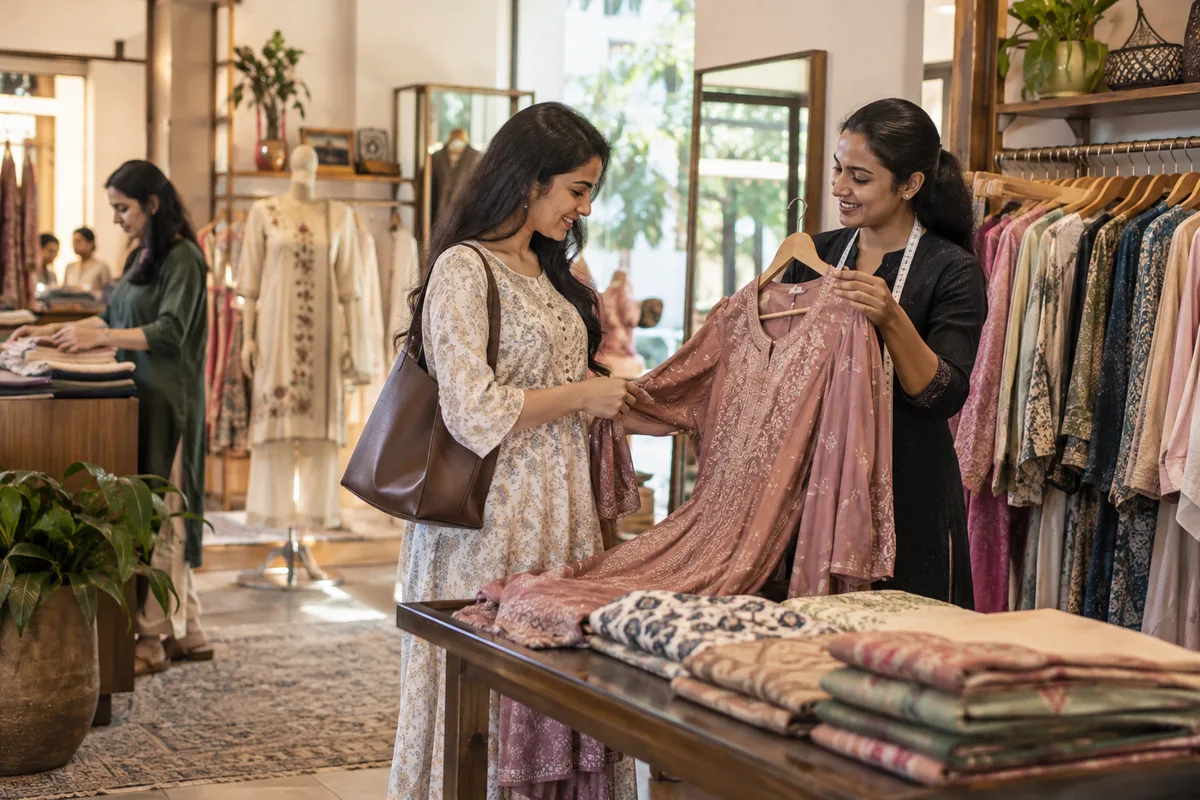
What local SEO means
Local SEO is the work of making your business show up for searches that name your town or locality, such as a service plus an area name. GullySales sets up locality pages, local citations and map listings so nearby customers find you before a competitor across town.
Also for clothing stores and boutiques
- SEO for clothing stores and boutiques
- Website for clothing boutiques
- PPC ads for clothing stores and boutiques
- Lead generation for clothing stores and boutiques
- Digital marketing for clothing stores and boutiques
- Reputation management for clothing stores and boutiques
- Branding and identity for clothing stores and boutiques
- Social media marketing for clothing stores and boutiques
Sales and marketing for clothing stores and boutiques, the overview.
Last updated 5 Oct 2026.
For clothing stores and boutiques
Where it usually goes wrong, and what we would do.
“Blouse stitching is a service, and Maps has a place for it”
Listing stitching, alterations and saree draping as services makes the profile appear for searches that a clothing-store category never catches.
“Your pin is probably on the wrong side of the market”
In a crowded cloth market the difference between two lanes is the difference between a shopper finding you and giving up.
“Festival timings are a local search question”
Shops stay open late in the week before Diwali or a wedding weekend, and a profile showing normal hours sends that shopper elsewhere.
What we do
What we deliver for clothing stores and boutiques.
Every deliverable, what it covers for you, and the result it is there to produce. Nothing here is an extra.
A Business Profile set to the right categories
Primary and secondary categories covering boutique, saree shop, tailor and children's clothing, matched to what you actually sell.
Result: The profile appears for the searches that fit the shop.
Services listed one by one
Blouse stitching, alterations, lehenga fitting, saree pre-pleating and every other service entered as its own line on the profile.
Result: A search for a single service finds your shop.
Fresh collection photographs every month
New collection and shop-front photographs added on a fixed routine, with the old ones taken down.
Result: A shopper sees what is on the rack now.
A corrected pin and entrance photograph
The map pin placed at your actual door, with a photograph of the entrance and the landmark a customer would look for.
Result: First-time visitors find you without calling.
Festival and season hours kept updated
Special hours set for festival weeks, wedding weekends and any day the shop stays open late or closes early.
Result: Nobody arrives to a shutter or leaves thinking you are shut.
How the result is measured
- Map pack ranking
- Local search visibility
- Enquiries by locality
Recorded as a baseline before work starts, so every later report has an honest comparison.
What Google weighs here
How a shopper nearby finds a boutique for a wedding outfit, and what to fix first.
- Categories that match the shop
- Use Boutique, Saree shop, Bridal shop or Tailor, whichever describes the main work. Add Clothing alteration service if you take alterations. A mixed shop needs each category to be something the counter truly does.
- Fall, pico and blouse work as services
- List blouse stitching, fall and pico, alterations and bridal trousseau work one by one. Put a lead time on stitching in your own words on the day you take the order, not on the listing, where it goes stale.
- Words the shopper types
- Kanjivaram saree shop, lehenga for rent, designer blouse near me. Use the terms for the things you truly stock and do, in the description and the products section, and drop any you do not carry.
- The market and the floor
- Give the market or road name and the floor, and a photograph of the entrance from the street. A shopper in a crowded market gives up on a pin that lands in the wrong lane.
- Justdial, Sulekha and WedMeGood
- Claim Justdial and Sulekha for walk-ins, and WedMeGood if you do bridal wear. Match the shop name, number and hours to the profile. Put the same address in your Instagram bio.
- Shopper photographs and reviews
- Ask customers who have collected an order to add a photograph, with their permission. A review that names the occasion, such as a sister's wedding, tells the next bride more than a rating.
Who it is for
This is written for these clothing stores and boutiques.
- Women's ethnic wear and saree boutiques
- Designer and occasion wear studios
- Multi-brand clothing and accessories stores
- Men's wear and ethnic wear stores
- Custom tailoring and blouse stitching studios
- Kids' wear stores
- School uniform retailers and suppliers
- Corporate, hospital and hospitality uniform suppliers
- Fashion accessories and jewellery boutiques
Not for
It is not the right fit if.
- You work from a flat and do not want walk-in visitors, so a pin on Maps would send people to your door.
- Your shop is about to move, so a listing built now would point shoppers to the old address.
How it works
How the local SEO work runs
The work itself, in order. How an engagement starts, from your brief to a written scope, is set out on our method page.
- 1
Write down what is true
Each branch's real address, signboard name, phone, hours and owning Google account go into one record you sign off. Every later listing is copied from it.
- 2
Search as your buyer does
We search each branch on a phone from points around it, in your buyers' words, and note who appears with what reviews and photos.
- 3
Fix the profile first
Ownership first, then name, address, pin, phone, hours and business type. Google can suspend a profile with extra words in its name or an address that is not a real premises.
- 4
Build the branch pages and match the listings
Each real branch gets its own page, and the other listings are changed to agree with it. We write none for towns without a branch, because Google treats near-identical pages as doorway pages.
- 5
Ask, reply and measure
We agree with each branch who asks for reviews, when and how. Results are set against the baseline recorded before work began, and the branch that is behind gets the next round.
Where this fits
Three pieces of sales work, in this order.
This work sits inside sales process design, at stage 1, prospecting and lead generation. The audit comes before it, and sales management keeps it running.
Step 1
Sales audit
Find where deals are being lost and what to fix first.
Start here if you cannot say where orders are lost.
Step 2 · you are here
Sales process design
One written way to sell, from first enquiry to repeat order.
Start here if every salesperson sells differently.
Step 3
Sales management
A target, a review routine and someone who owns the number.
Start here if the team has targets and no routine.
FAQ
Questions owners ask before they call.
Not here? More answers, or ask on WhatsApp.
Does a Maps listing bring shoppers to a boutique?
We have two outlets. Do we need two listings?
Can we put our products with prices in the Maps product section?
We stitch from a flat and customers visit for fittings. How do we list it?
How long is the contract?
How soon will we see results?
Who will actually do the work?
What do you need from us?
What if we are not happy with the work?
From the blog
Further reading for clothing stores and boutiques.
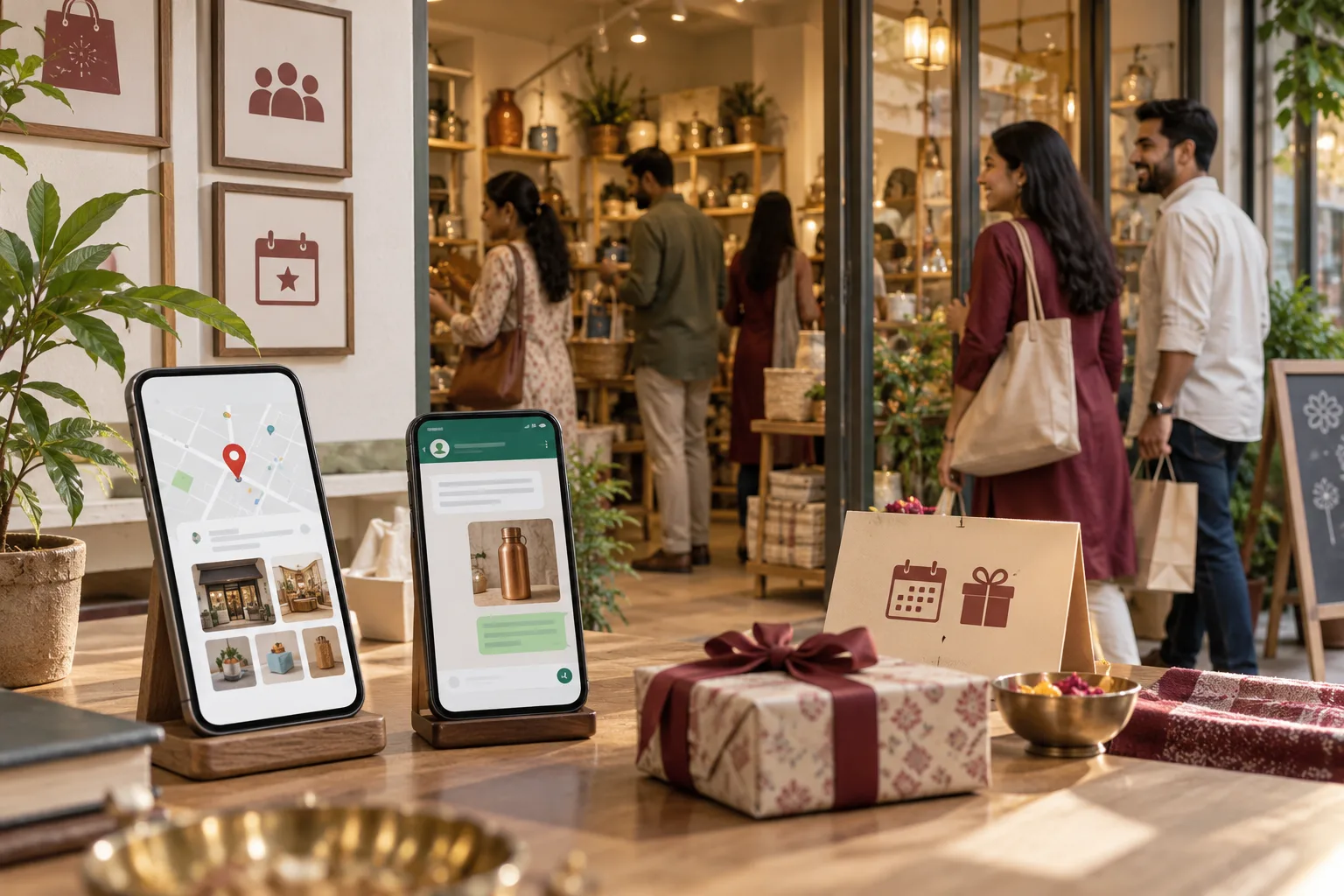 6 min read · 22 May 2026How to increase footfall in a retail storeBe found on Maps for what you stock, give past customers a reason to come back on WhatsApp, and run promotions tied to dates people already shop for.
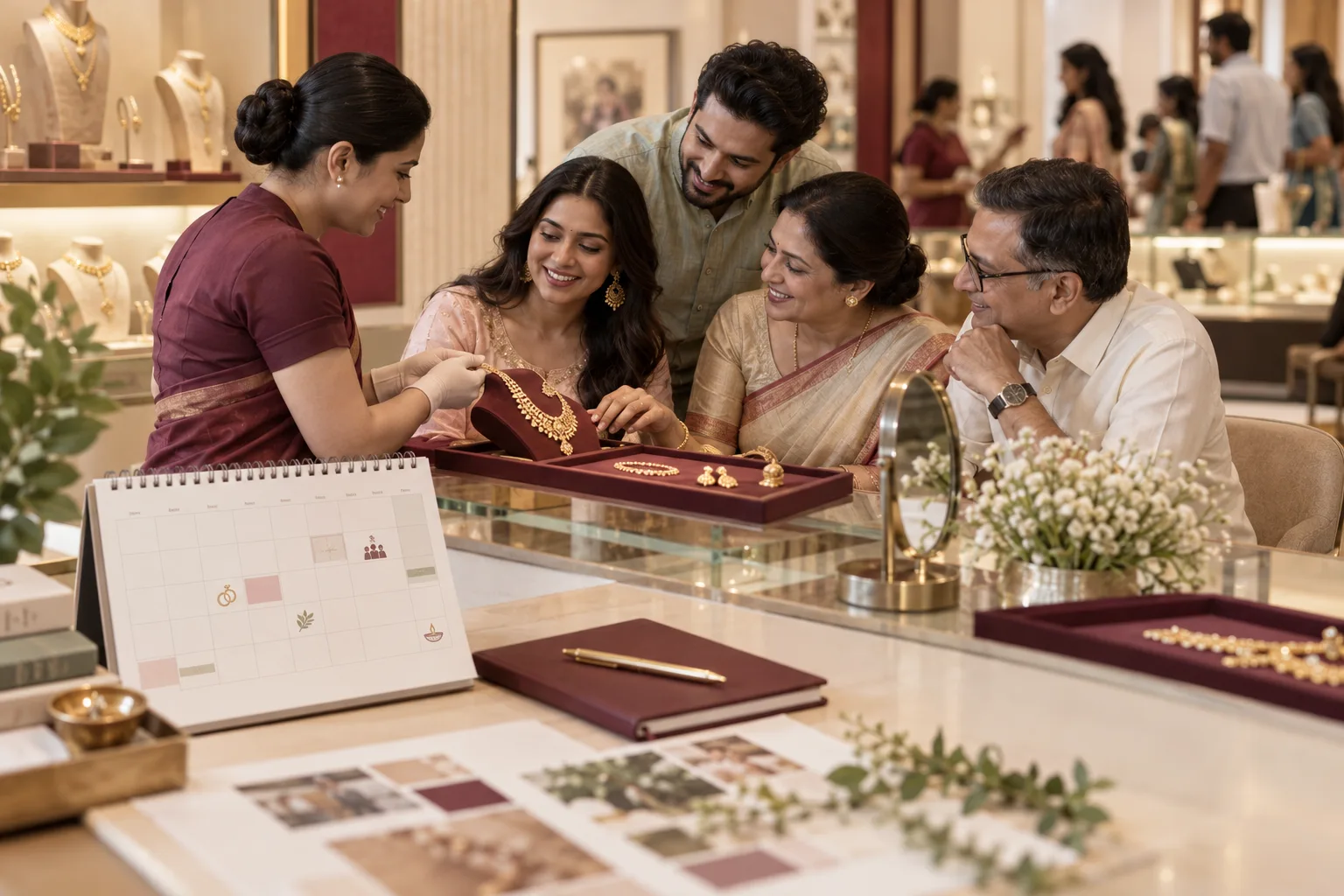 6 min read · 6 Feb 2025How to increase jewellery store footfallJewellery footfall follows a calendar you already own. Plan against the buying seasons and the wedding dates, and sell to the family that decides together.
 5 min read · 29 Sept 2026Festival and wedding-season stock and promotion timing for retailersHow a retailer lines up the promotion window with the stock cycle in festival and wedding season: what to announce before, during and after, and when to stop advertising a line.
More for clothing stores and boutiques
Everything else we would do for you.
Closest to this: search and visibility
Also for clothing stores and boutiques
- PPC ads for clothing stores and boutiques
- Lead generation for clothing stores and boutiques
- Digital marketing for clothing stores and boutiques
- Reputation management for clothing stores and boutiques
- Branding and identity for clothing stores and boutiques
- Social media marketing for clothing stores and boutiques
Or start from the overview: sales and marketing for clothing stores and boutiques.
Your next practical step
Tell us what you are trying to grow, and we will read it before we call.
Eight short steps, mostly taps. Skip anything you would rather answer on the call.