Fitness equipment dealers · Website
Build a site that shows the machines and moves visitors to a trial or a quote.
A website for a fitness equipment dealer is your showroom when it is shut: machines, setups, service and a clear route to ask for a quote or book a trial. GullySales plans the pages, the enquiry forms and the speed on a phone so the visitor does not drift away.
Scope, fee, reporting and term are agreed in writing after we have read your brief and spoken to you.
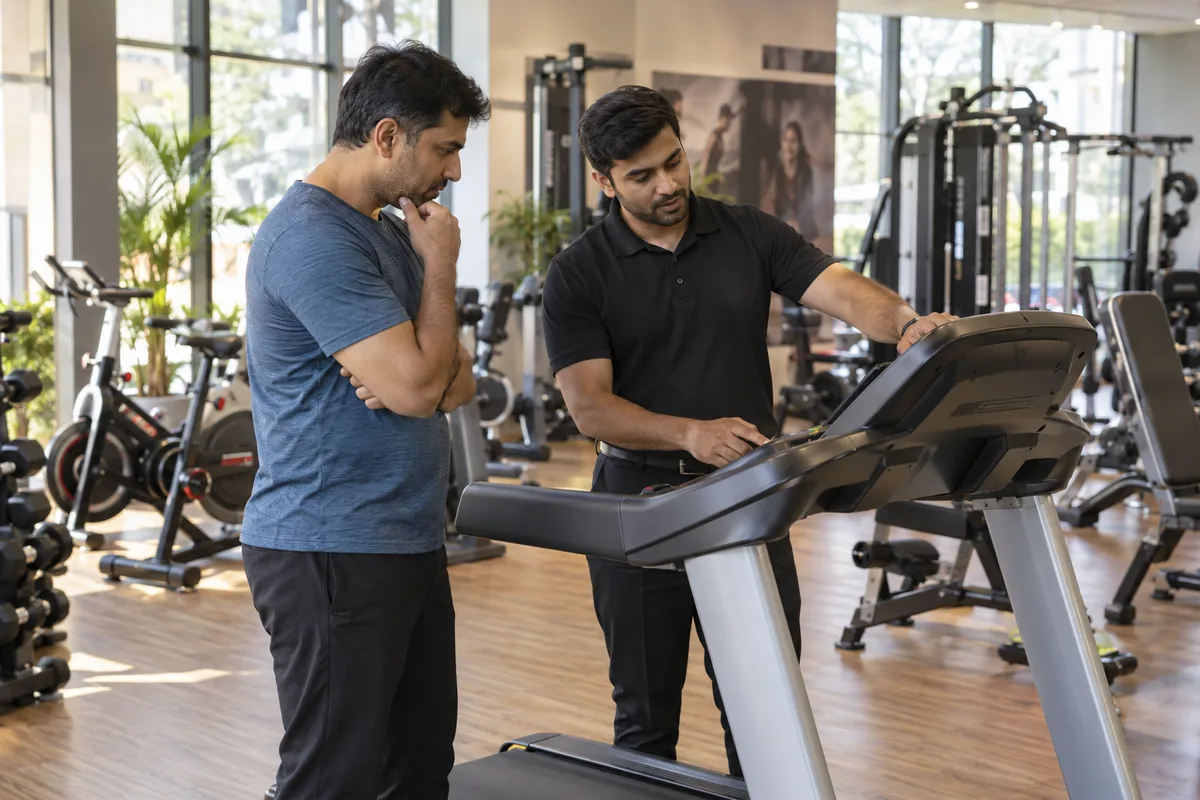
What website means
A website is the page a customer lands on after searching, clicking an advert or scanning a code, and it decides whether they call or leave. GullySales builds and maintains sites that load quickly, explain the offer plainly and make the enquiry form or phone number easy to find.
Also for fitness equipment dealers
- SEO for fitness equipment dealers
- Local SEO for fitness equipment dealers
- Lead generation for fitness equipment dealers
- Social media marketing for fitness equipment dealers
- Content marketing for fitness equipment dealers
- Buyer personas for fitness equipment dealers
- CRM for fitness equipment dealers
- Follow-up systems for fitness equipment dealers
Sales and marketing for fitness equipment dealers, the overview.
Last updated 3 Oct 2026.
For fitness equipment dealers
Where it usually goes wrong, and what we would do.
“Visitors arrive on a phone”
A buyer standing in a flat measuring a corner will read your site on a handset. Pages that load slowly or hide the call button lose them to the next result.
“A catalogue without prices frustrates buyers”
Buyers compare against marketplaces. A page with price, features and what you add, such as installation, answers the question or invites the call that does.
“Gym owners need their own door”
A gym owner looking for a package should reach a page about setups, site visits and service within one click. A site written only for home buyers loses commercial work.
“Trust lives on the page”
Photographs of your showroom, installed gyms, warranty terms and service details tell a stranger you will still be there after the sale.
What we do
What we deliver for fitness equipment dealers.
Every deliverable, what it covers for you, and the result it is there to produce. Nothing here is an extra.
A site structure for two buyers
Home machines, gym setups, service and about pages arranged so each buyer finds their route.
Result: Visitors reach the right page without hunting.
Machine pages with the buyer's questions
Features, space needs, warranty, installation and the price or a request for it.
Result: The page answers what the counter would.
Enquiry and trial booking forms
Short forms that ask for what you need and send the enquiry to your record.
Result: Every form fill arrives where the team sees it.
A gym setup page with installed examples
Photographs, a description of the process and a request for a site visit.
Result: Owners can judge your work before they call.
Phone-first build and checks
Speed, buttons and layout checked on the phones your visitors use.
Result: The site works in the hand of a buyer.
How the result is measured
- Page load time
- Bounce rate
- Enquiries from the website
Recorded as a baseline before work starts, so every later report has an honest comparison.
Searches your buyers type
What the dealer's site must show a buyer and a gym owner.
- Machines we stock by type
- Pages for treadmills, cross trainers, bikes and strength machines with photographs, specifications and the showroom to see them in. A catalogue without prices frustrates, so say how to get one.
- Book a trial
- A form asking name, machine and a time to try it. It moves the buyer from the page to the floor, where the dealer has the advantage over a marketplace.
- Setting up a gym
- A page for gym owners with installed examples, the support given on layout and the service plan. Gym owners need their own door, not the home buyer's catalogue.
- Delivery, installation and service
- A page on how a machine reaches the room, who fits it and how service is booked. Say what is included and leave out any time promise the team may not keep.
- The showroom and its team
- Address, landmark, hours and a photograph of the floor, with the names of the staff who answer. Trust lives on the page, and a real floor is proof.
Who it is for
This is written for these fitness equipment dealers.
- Home fitness equipment dealers
- Commercial gym equipment suppliers
- Multi-brand fitness stores
- Importers and distributors of fitness machines
- Second-hand and refurbished equipment dealers
- Suppliers for hotels, societies and institutions
Not for
It is not the right fit if.
- You plan to sell heavy machines in a basket with no trial, when delivery and installation need a conversation first
- Nobody can update the stock pages, and a model that has gone would sit on the site
- The showroom has no photographs of its own floor, and the page would look like a marketplace listing
How it works
How the website work runs
The work itself, in order. How an engagement starts, from your brief to a written scope, is set out on our method page.
- 1
Confirm structure and content
We agree the page list, what each page must answer, and who supplies the text and photographs, before any design starts.
- 2
Design the templates
The home page, a service page, a location page and the enquiry page are designed first, on phone and desktop, and shown to you.
- 3
Build and test
The site is built and checked on real phones and the common browsers. Every form, call button and WhatsApp link is tested end to end.
- 4
Load real content
Actual copy, images and information replace placeholders. Pages are read through once by you, since you spot wrong details we cannot.
- 5
Check before launch
Tracking, page titles, the sitemap and the privacy page are checked on the staging site. If an old site exists, its addresses are mapped so old links still land somewhere.
- 6
Launch and hand over access
The site goes live and we record the domain, hosting, content login and analytics in your name. The first live enquiry is traced to confirm tracking works.
Where this fits
Three pieces of sales work, in this order.
This work sits inside sales process design, at stage 1, prospecting and lead generation. The audit comes before it, and sales management keeps it running.
Step 1
Sales audit
Find where deals are being lost and what to fix first.
Start here if you cannot say where orders are lost.
Step 2 · you are here
Sales process design
One written way to sell, from first enquiry to repeat order.
Start here if every salesperson sells differently.
Step 3
Sales management
A target, a review routine and someone who owns the number.
Start here if the team has targets and no routine.
FAQ
Questions owners ask before they call.
Not here? More answers, or ask on WhatsApp.
Can we sell online?
Who updates the stock pages?
Do you write the content?
Why should the site not sell every machine in a basket?
How much does it cost?
How long is the contract?
How soon will we see results?
Who will actually do the work?
What do you need from us?
What if we are not happy with the work?
From the blog
Further reading for fitness equipment dealers.
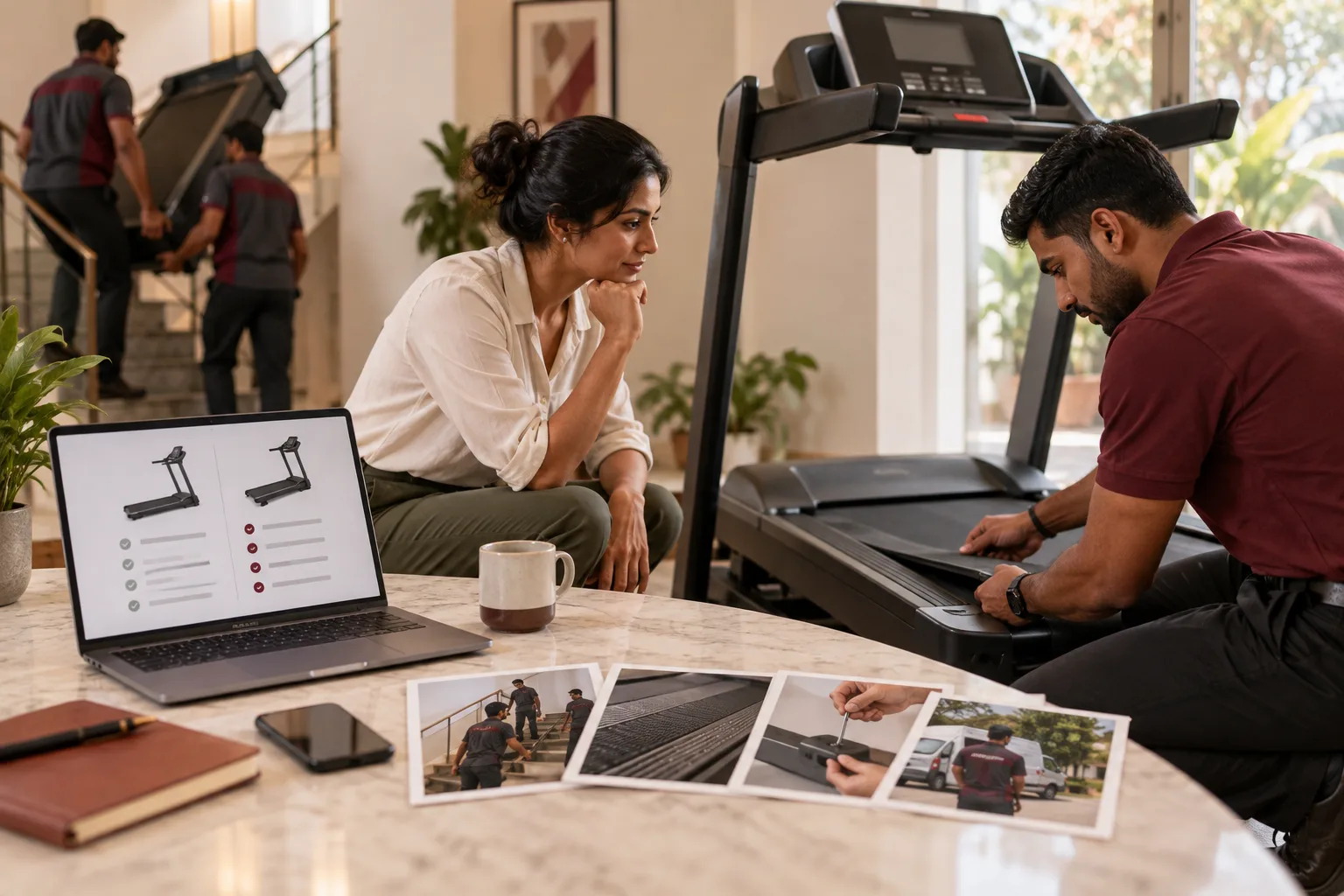
More for fitness equipment dealers
Everything else we would do for you.
Closest to this: search and visibility
Also for fitness equipment dealers
Or start from the overview: sales and marketing for fitness equipment dealers.
Your next practical step
Tell us what you are trying to grow, and we will read it before we call.
Eight short steps, mostly taps. Skip anything you would rather answer on the call.