Fruit and vegetable stores · Social media
Post what is on the counter this morning, because fresh stock is the whole story.
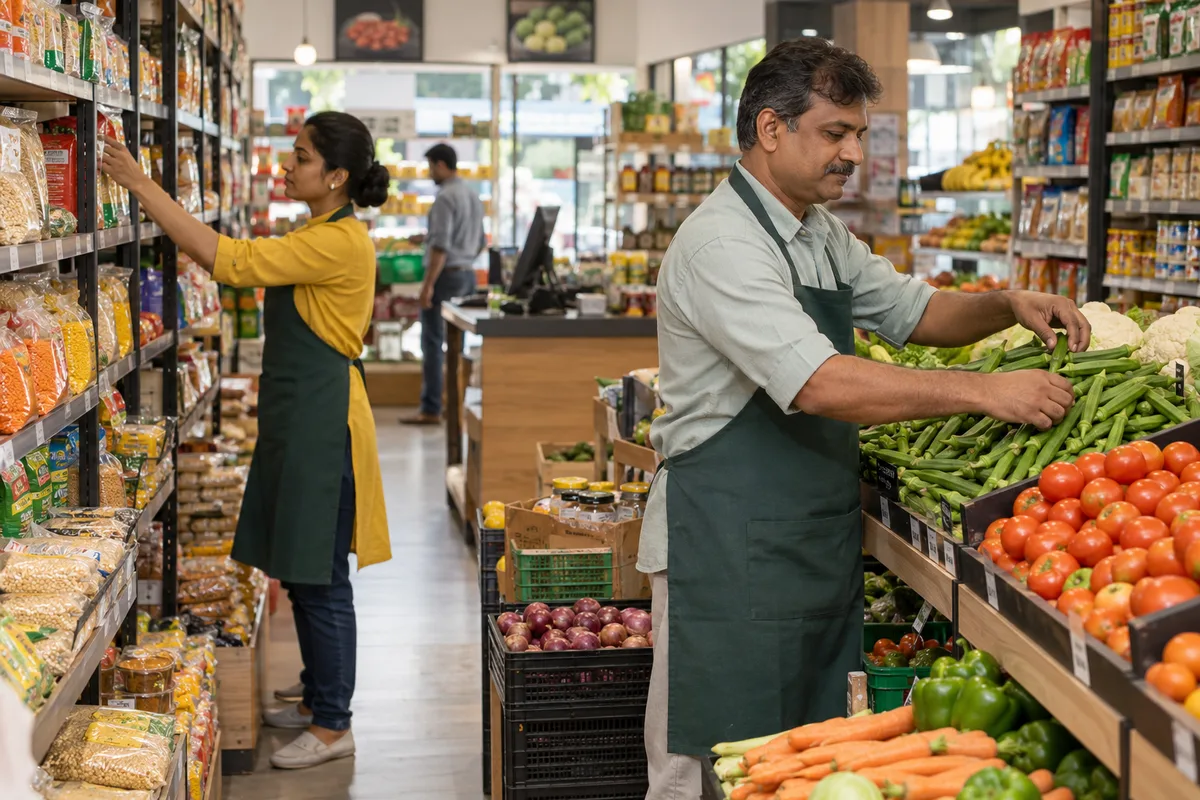
Social media marketing for a fruit and vegetable store means showing nearby families the real stock on the real counter, on the apps they already scroll. GullySales works on what to photograph, what to say and which platform suits which buyer.
Scope, fee, reporting and term are agreed in writing after we have read your brief and spoken to you.
What social media means
Social media is the ongoing posting your business does on platforms such as Instagram, Facebook and LinkedIn to stay visible to customers and prospects between purchases. GullySales plans a posting calendar, writes captions and designs the images so the page looks active and answers what a visitor would ask.
Also for fruit and vegetable stores
- Content marketing for fruit and vegetable stores
- Lead generation for fruit and vegetable stores
- SEO for fruit and vegetable stores
- Local SEO for fruit and vegetable stores
- Buyer personas for fruit and vegetable stores
- CRM for fruit and vegetable stores
- Follow-up systems for fruit and vegetable stores
- WhatsApp marketing for fruit and vegetable stores
Sales and marketing for fruit and vegetable stores, the overview.
Last updated 14 Nov 2026.
For fruit and vegetable stores
Where it usually goes wrong, and what we would do.
“A stock photograph says nothing about today”
A gleaming picture of strawberries from an image library makes the buyer wonder what the real tray looks like. A phone photograph of the actual crate, taken in daylight, earns more trust.
“Reels reach the city, the shop serves the street”
A clip that travels beyond the neighbourhood brings viewers who cannot walk to the counter. Posts aimed at the lanes around the shop, with the locality named, reach the people who can.
“The calendar does the work for you”
Mango season, Navaratri fasting fruit, Ganesh Chaturthi, Diwali baskets and the winter greens give the shop a reason to post that a buyer already cares about. A feed with no calendar goes quiet in the weeks that matter.
“Comments are orders waiting to be taken”
A buyer who asks whether the litchis are sweet is close to buying. A comment left for hours makes the shop look careless, so someone is named to reply and to move the buyer to WhatsApp.
What we do
What we deliver for fruit and vegetable stores.
The work available for this need. We agree the deliverables and responsibilities for your engagement in writing.
A shot list for the counter
A set of repeatable pictures of the shop: crates on arrival, a hand holding a bunch, the weighing scale, the cut fruit, the delivery bag.
Result: The person posting always knows what to photograph next.
A seasonal posting calendar
Festival and harvest dates mapped to the fruit and vegetables each one calls for, with space for the shop's own arrivals.
Result: A calendar that shows the next three occasions to post for.
Caption patterns in the shop's own language
Short captions in English or the local language, naming the item, the locality and how to order.
Result: Captions that sound like the shopkeeper.
A reply sheet for comments and messages
Written answers for price, delivery area, minimum order and availability, with the point at which to move to WhatsApp.
Result: Every comment gets an answer in the same tone.
A simple count of what the posts brought
A note of which posts led to an enquiry or a walk-in, kept beside the register.
Result: You can see which kind of post earns a message.
How the result is measured
- Posts published
- Engagement rate
- Enquiries from social profiles
Recorded as a baseline before work starts, so every later report has an honest comparison.
Posts and pieces to plan
Plan posts around what is on the counter that morning.
- Today's arrivals shot at the crates
- A photograph taken in daylight at the counter, with the item names and the rate in the caption, never a stock picture.
- First mangoes or litchis of the season
- A short clip as the box is opened, with the variety and the origin you know, and a line on how to place a pre-order.
- Festival fruit baskets being packed
- A reel of the basket being built, with the types and the order cut-off, posted before the festival rush.
- How to pick a ripe papaya or pineapple
- A counter demonstration in the shop's own language, showing the check by touch or smell that a customer can repeat.
- A reply to a comment asking for a rate
- A short written answer that moves the person to the message thread, where the order is taken.
Who it is for
This is written for these fruit and vegetable stores.
- Neighbourhood fruit and vegetable shops with a fixed counter
- Push-cart and roadside vendors who run a set route
- Stores inside apartment communities
- Exotic and imported fruit stores
- Cut fruit and salad counters
- Wholesale-and-retail shops that sell to hotels and caterers
- Farm-direct vegetable stores and organic vegetable counters
- Fruit stores that sell gift baskets and festival fruit
Before you decide
When this may not be the right fit.
- Nobody at the shop can take a daily photograph, and old pictures would show a counter that no longer exists.
- You cannot add delivery for the people a reel would reach from across the city, so the audience would be wasted.
Before you decide
Agree the work. Know how to judge it.
Social media marketing for fruit and vegetable stores: use these checks to prepare, choose the scope, and review what changes.
Bring the right evidence
Review the posts that produced useful conversations, not only the ones with the most views. Gather buyer questions and decide which team member can contribute credible material.
Make the scope clear
Choose the audience and channel before setting a posting volume. Agree who supplies material, approves posts, and handles messages, including complaints or questions the agency cannot answer.
Check the work in use
Follow a post through to the profile, website, and response. A useful report explains the quality of conversations and enquiries, alongside reach and engagement.
Know when to change course
If publishing takes time away from unanswered buyer messages, fix the response routine first. Do not expand to another channel without a clear reason for being there.
These are discussion points, not a fixed package. GullySales confirms the deliverables, responsibilities, fee, and term in writing after reading your brief and speaking with you.
Before we start
What to have ready before the work starts.
The records, access and decisions this work needs from fruit and vegetable stores. Anything missing is noted in the written scope, with who will supply it.
- Someone who can shoot on a phone
- A staff member or family member who can take clear pictures at the counter is required. Skill is not needed, only willingness. Without them the posts rely on the owner alone, and the calendar falls short.
- Sign-in details for the shop's accounts
- We need the existing Instagram, Facebook or WhatsApp Business details, or the owner's decision to open new ones. If an old page belongs to an ex-employee, tell us. Without control of the accounts we cannot post or reply.
- A rough calendar of arrivals
- Note the months each fruit or vegetable comes in from the mandi and what you want to push. Approximate months are fine. Without them the shot list is generic.
- A rule on photographing customers
- Decide whether customers or children may appear in a picture and who asks their permission. The plan follows your rule. If none is set, no customer appears in any post.
- Your own words for common replies
- Write how you answer the questions asked again and again, such as the rate for a kilo of grapes or whether a fruit is ripe. A voice note is enough. Without it the reply sheet sounds like someone else, and a customer who knows your voice notices.
How it works
How the social media work runs
The work itself, in order. How an engagement starts, from your brief to a written scope, is set out on our method page.
- 1
Photograph the morning unloading
We ask the shop to photograph the crates arriving from the mandi, the sorting and the first display on a day we agree. You choose what is fair to show, including what is not worth posting. What exists afterwards is a real set of counter images that the later posts are made from, and a note of how many posts were made before.
- 2
Pick the platform the street actually uses
With the family we look at where your households talk: the apartment WhatsApp groups, the shop's Instagram, a Facebook page for the older customers. You decide which one you can keep up. We open or tidy only those accounts and give a staff member the sign-in. The remaining platforms are left alone.
- 3
Write a shot list from the stock calendar
From your season notes we list what to shoot when raw mangoes, new potatoes or a festival fruit set arrive. You say which items carry the best margin and which you want to clear soon. The shot list gives the counter staff a simple prompt for each arrival, so nobody has to think of a picture at nine in the morning.
- 4
Draft captions in the shop's own language
We write caption patterns in the language you speak at the counter, mixing English only where customers do. You read them aloud and change anything that sounds like an advertisement. We keep a reply sheet for comments and messages, so a compliment or a request for a price gets an answer in the shop's voice.
- 5
Post, reply and take the orders that arrive
The staff member posts from the shot list and replies using the sheet, and orders that come as comments are moved to the order register. You decide who confirms the weight and the price. Orders taken from posts are marked with their source, so the count has evidence behind it.
- 6
Count what the posts brought to the counter
At the review we set posts against messages, orders and new names in the register, compared with the figures recorded at the start. You tell us which customers said they saw a post. We decide which kinds of photographs to continue. We do not promise followers or reach.
Where this fits
Three pieces of sales work, in this order.
This work sits inside sales process design, at stage 0, foundation. The audit comes before it, and sales management keeps it running.
Step 1
Sales audit
Find where deals are being lost and what to fix first.
Start here if you cannot say where orders are lost.
Step 2 · you are here
Sales process design
One written way to sell, from first enquiry to repeat order.
Start here if every salesperson sells differently.
Step 3
Sales management
A target, a review routine and someone who owns the number.
Start here if the team has targets and no routine.
FAQ
Questions owners ask before they call.
Not here? More answers, or ask on WhatsApp.
Which platform matters most for a vegetable shop?
Should we pay to boost posts?
Can we show customers or children at the shop in photographs?
A reel from our shop reached people in other cities. Is that a problem?
Does the shop need to post on a fixed schedule?
Will you manage our accounts instead of the shop doing it?
How much does it cost?
How long is the contract?
How soon will we see results?
Who will actually do the work?
More for fruit and vegetable stores
Related work to consider.
Closest to this: content and social
Also for fruit and vegetable stores
Or start from the overview: sales and marketing for fruit and vegetable stores.
Your next practical step
Tell us what you are trying to grow, and we will read it before we call.
Eight short steps, mostly taps. Skip anything you would rather answer on the call.