Grocery stores and supermarkets · Reputation management
Turn a missing item and a late delivery into a customer who stays.
Reputation management for a grocery store is the habit of asking happy families for reviews, answering every one in public and fixing the pattern behind the complaints. GullySales sets up the routine and reads what the reviews say about your shelves and your delivery.
Scope, fee, reporting and term are agreed in writing after we have read your brief and spoken to you.
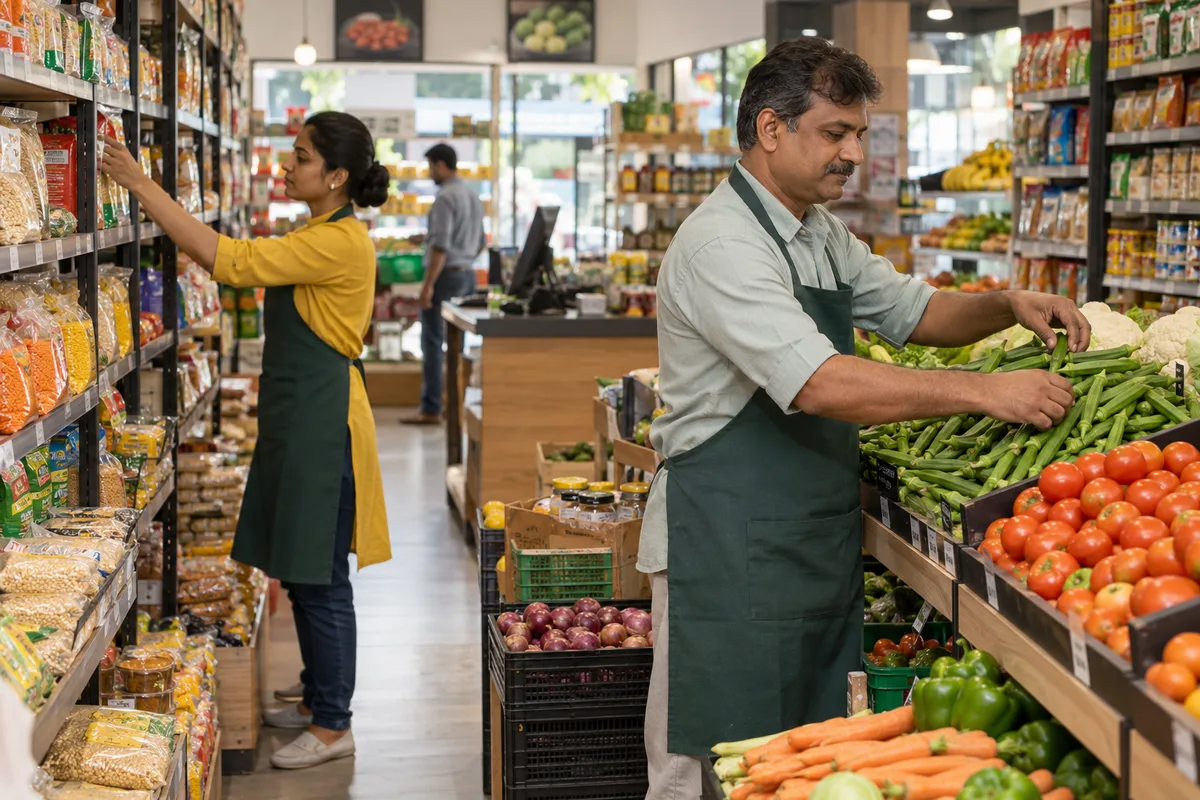
What reputation management means
Reputation management is watching what is said about your business across Google, social media and review sites, and responding to it before it changes a buyer's mind. GullySales monitors mentions, drafts responses to negative reviews and flags recurring complaints back to your team.
Also for grocery stores and supermarkets
- SEO for grocery stores and supermarkets
- local SEO for grocery stores and supermarkets
- PPC ads for grocery stores and supermarkets
- content marketing for grocery stores and supermarkets
- social media marketing for grocery stores and supermarkets
- WhatsApp marketing for grocery stores and supermarkets
- referral marketing for grocery stores and supermarkets
- follow-up systems for grocery stores and supermarkets
Sales and marketing for grocery stores and supermarkets, the overview.
Last updated 11 Oct 2026. Rules for this trade differ by state and professional body, and they change. We describe restrictions in general terms, so check the current position with your own council or adviser before you publish anything.
For grocery stores and supermarkets
Where it usually goes wrong, and what we would do.
“Reviews mention one delivery boy and one bad day”
A review that names a late rider is rarely about one rider. It points to a gap in how orders are handed over.
“The owner never replies”
A complaint about a short-weighted pack sits unanswered for months, and the next family reads the silence as indifference.
“Reviews come only from complaints”
Happy families do not think to review a grocery store, so the visible record is made of the few who were annoyed.
What we do
What we deliver for grocery stores and supermarkets.
The work available for this need. We agree the deliverables and responsibilities for your engagement in writing.
A review ask at billing and after delivery
A short line and a QR code at the counter, and a message after a delivery that asks whether everything arrived, with the review link only for those who say yes.
Result: Reviews come from satisfied families as a habit.
A reply for every review
A short, polite reply for each review, written in the language of the reviewer, with a different note for praise, a missing item and a bad experience.
Result: Each reader sees an owner who is listening.
A complaint log by cause
A sheet that records what went wrong: missing item, wrong weight, late delivery, near-expiry pack, rude behaviour, and who fixed it.
Result: Repeated problems become visible and get fixed.
A service-recovery message
A message that apologises, names the fix and offers a replacement or a refund where it is due, sent privately after a public reply.
Result: A complaint ends with the family still shopping.
A review watch across platforms
Google, JustDial, Facebook and the delivery apps you sell on, watched in one place, so a review on a minor listing does not go unseen.
Result: Nothing about the store sits unanswered.
Reporting on the rating and the causes
Rating, count and the reasons behind low scores, set against the baseline at the start of the work.
Result: You see whether the fixes inside the store are working.
How the result is measured
- Average rating
- Response time to reviews
- Negative mentions resolved
Recorded as a baseline before work starts, so every later report has an honest comparison.
What to do with each review
The reviews a grocery store gets, how to reply in public, and what to fix inside the shop.
- Missing or substituted item
- Reply by thanking the family, saying how substitutions are agreed, and offering to correct the bill. Inside, call before substituting and record the choice on the order.
- Late delivery
- Apologise without excuses and say what changed. Inside, check the slot you promise against the delivery staff on duty, and promise only what you can keep.
- Short weight or near-expiry pack
- Take this seriously and reply politely with an offer to replace. Inside, check the weighing scale and the date-checking routine, and keep a record of the shelf check.
- Praise for the staff or the produce
- Thank the reviewer and name the item or the person if they agree. Share it with the team, so the praise reaches the counter.
- A review you believe is false or from a competitor
- Reply calmly, flag it to the platform with the reason, and keep a record. Removal is the platform's decision, so never promise it to the owner or the staff.
- Asking and thanking, within the rules
- Ask every family, not only the pleased ones, and never pay, discount or set staff quotas for reviews. Check each platform's current rules on asking.
Who it is for
This is written for these grocery stores and supermarkets.
- Neighbourhood kirana and provision stores
- Supermarkets of one or two floors in a locality
- Small chains of three to ten stores in one city
- Fruits, vegetables and fresh produce stores
- Organic and natural food stores
- Milk booths and bakeries that also carry provisions
- Stores inside gated communities, where the association decides who delivers
- Imported and specialty food stores
Not for
It is not the right fit if.
- Complaints about late deliveries are rising and nobody owns the fix, so replies to reviews would only repeat the same apology.
- You plan to offer a discount in return for a review, and the platform's current rules may not allow it.
- The owner will not read reviews or reply, and a reply routine needs someone who will.
Before you decide
Agree the work. Know how to judge it.
reputation management for grocery stores and supermarkets: use these checks to prepare, choose the scope, and review what changes.
Bring the right evidence
Collect recurring public feedback and the internal record of how the issue was handled. Separate factual corrections from genuine complaints that need a response.
Make the scope clear
Agree who checks facts, approves replies, and resolves problems outside marketing. Any request for reviews or testimonials must fit the trade's rules and the customer's permission.
Check the work in use
Read the response from the customer's point of view. It should address the issue without exposing private information or promising an outcome the team cannot provide.
Know when to change course
Do not buy or invent reviews. If the same complaint keeps returning, resolve its cause before publishing more positive material.
These are discussion points, not a fixed package. GullySales confirms the deliverables, responsibilities, fee, and term in writing after reading your brief and speaking with you.
How it works
How the reputation management work runs
The work itself, in order. How an engagement starts, from your brief to a written scope, is set out on our method page.
- 1
Coverage and responsibility agreement
After your requirements brief and conversation, we agree the names and sources in scope. You nominate the person who approves replies, with the scope, fee, and term recorded before work starts.
- 2
Baseline review and priorities
We record the search results and public mentions, then ask your team to verify disputed facts. Together, we decide which items need a reply, a correction request, or internal investigation.
- 3
Response approval
Drafts go to the agreed approver before publication. Questions about refunds, clinical care, legal claims, or named employees go to the responsible person instead of being decided by the copywriter.
- 4
Publication and correction handoff
Approved replies are published through the agreed account access or handed to your account owner. Corrections and outside requests are logged separately, with any platform or publisher decision recorded.
- 5
Open-issue review
We repeat the agreed checks and compare findings with the baseline. Unresolved matters return to the responsible person, while relevant public concerns are passed to your sales lead with approved wording.
Where this fits
Three pieces of sales work, in this order.
This work sits inside sales management. A target, a review routine and someone who owns the number.
Step 1
Sales audit
Find where deals are being lost and what to fix first.
Start here if you cannot say where orders are lost.
Step 2
Sales process design
One written way to sell, from first enquiry to repeat order.
Start here if every salesperson sells differently.
Step 3 · you are here
Sales management
A target, a review routine and someone who owns the number.
Start here if the team has targets and no routine.
FAQ
Questions owners ask before they call.
Not here? More answers, or ask on WhatsApp.
Should we reply in English or the family's language?
A review names our delivery boy. What do we do?
Can we give a discount to families who leave a review?
How do we respond when a regular family leaves one bad review?
How much does it cost?
How long is the contract?
How soon will we see results?
Who will actually do the work?
What do you need from us?
What if we are not happy with the work?
More for grocery stores and supermarkets
Related work to consider.
Or start from the overview: sales and marketing for grocery stores and supermarkets.
Your next practical step
Tell us what you are trying to grow, and we will read it before we call.
Eight short steps, mostly taps. Skip anything you would rather answer on the call.