Smart home equipment stores · Follow up systems
Follow up the demo visit, because the buyer was impressed and then went home.
A follow-up system for a smart home store is the set of planned messages and calls after a demo, a quote and an installation. GullySales works on writing those steps, assigning each to a person and recording what happened.
Scope, fee, reporting and term are agreed in writing after we have read your brief and spoken to you.
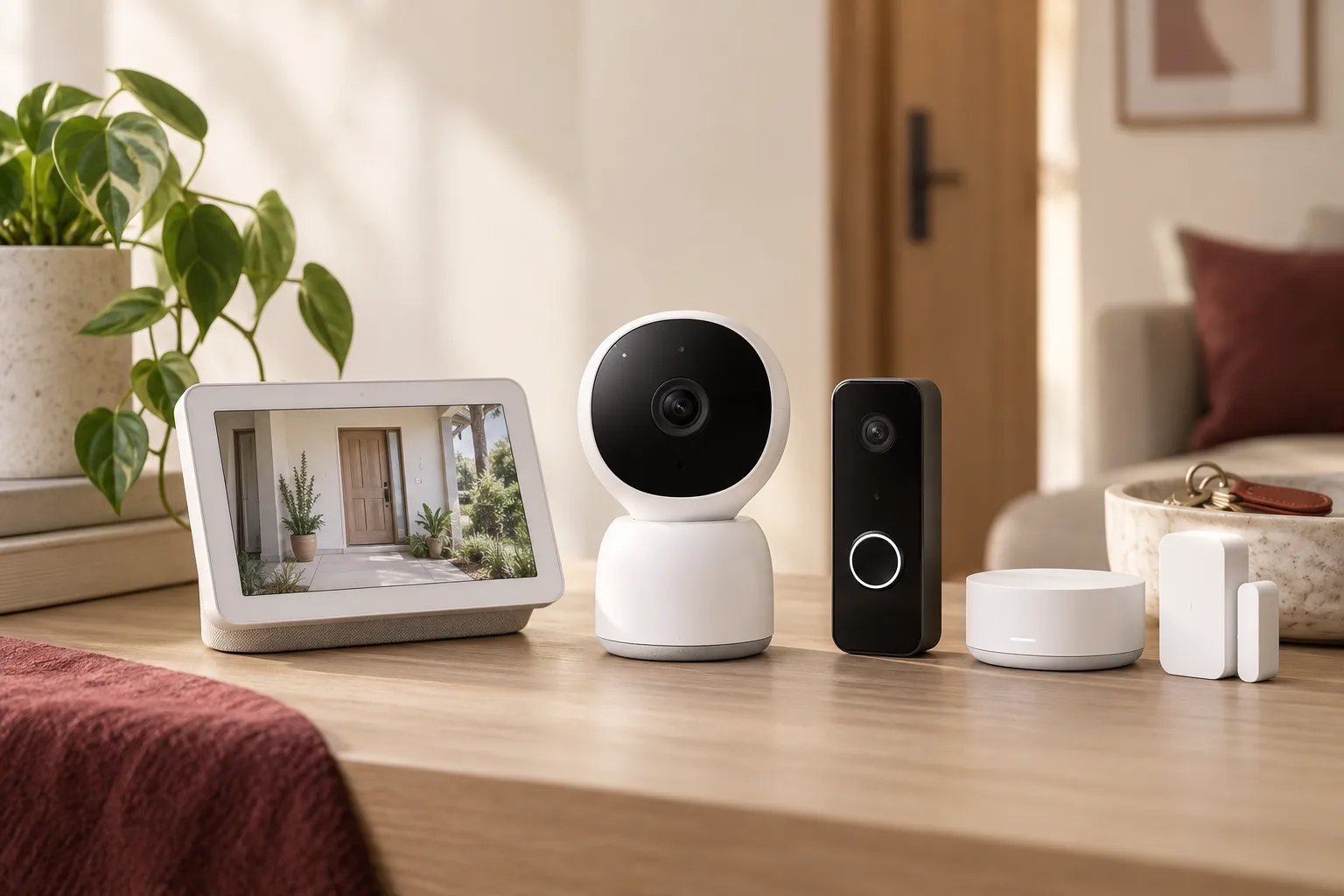
What follow up systems means
A follow-up system is the set routine for calling, messaging or emailing an enquiry more than once, since most buyers do not decide on the first conversation. GullySales sets the number and timing of follow-ups so an undecided buyer keeps hearing from you until they decide either way.
Also for smart home equipment stores
Sales and marketing for smart home equipment stores, the overview.
Last updated 14 Nov 2026.
For smart home equipment stores
Where it usually goes wrong, and what we would do.
“The demo ends and the buyer goes quiet”
A visitor who liked the lighting scene meets a spouse, a designer and an electrician before deciding. Without a planned message that helps each of them, the quote sits and the marketplace gets the sale.
“Quotes need answers, not reminders”
Saying we are following up annoys the buyer. A reply that answers one open question, such as the wiring change or the backup for a lock, moves the quote on.
“The period after installation shapes the next order”
A household that struggles with the app in the first days stops recommending the shop. A check call after setup and a visit when needed prevent the story that spreads in the building.
“Builders follow up on their own clock”
A show-flat enquiry moves with site schedules. The shop needs a log of what was promised and a gentle prompt tied to the project milestone.
What we do
What we deliver for smart home equipment stores.
The work available for this need. We agree the deliverables and responsibilities for your engagement in writing.
A post-demo message set
A thank-you with the devices seen, the answers to the questions asked and a clear next step.
Result: Every demo visitor gets a useful message.
A quote follow-up ladder
A sequence of calls and messages, each carrying a fresh answer or option instead of a reminder.
Result: The buyer hears something new at each contact.
A post-installation check
A call and a message after setup, asking whether every device works for every family member.
Result: Problems reach you before they reach the neighbours.
A professional-partner rhythm
A routine of project updates for designers and builders, tied to their schedule.
Result: Partners know the state of every shared project.
A follow-up board
One view of who is waiting for what, with the owner and the next action.
Result: Nobody has to ask who called the buyer.
How the result is measured
- Follow-up completion rate
- Average number of follow-ups before close
- Enquiries closed after repeat follow-up
Recorded as a baseline before work starts, so every later report has an honest comparison.
What to capture or send
The moments after a demo or quote when a call or message is worth making.
- Day of the demo
- Send a short thanks with the devices seen and the room discussed. Record the buyer's doubt in their own words.
- After the quote
- Call to ask whether the quote matched the room. Record the reply, and the name of anyone else who must agree.
- Quote gone silent
- Ring with something new, such as a compatibility answer or a free slot for a visit. Do not send the same quote again.
- After installation
- Check that the system works and the household can use it. Record any change made and offer a simple guide.
- When a device fails
- Ring first before the household has to. Record the fault, the fix and the person who handled it.
- Partner contact
- Share new devices and a recent job with designers and builders. Record who responded and what they asked.
Who it is for
This is written for these smart home equipment stores.
- Smart switch and home automation dealers who also install
- Smart lock and video doorbell stores
- Security camera and smart sensor retailers
- Voice assistant, smart speaker and smart plug sellers
- Curtain, blind and motorised shutter specialists
- Home theatre and lighting-control integrators
- Electrical stores that added a smart home counter
- Show-flat and builder package suppliers
Before you decide
When this may not be the right fit.
- No one owns follow-up, and the demo staff assume the installers will call.
- You have no record of what each buyer saw at the demo, so a follow-up would repeat the greeting.
- The buyer asked to be left alone until the walls are done, and a call now would breach that request.
Before you decide
Agree the work. Know how to judge it.
Follow-up systems for smart home stores: use these checks to prepare, choose the scope, and review what changes.
Bring the right evidence
Trace recent enquiries from arrival to the last recorded action. Include a won enquiry, an unsuitable one, and one that went quiet, with personal details removed for the initial discussion.
Make the scope clear
Agree who accepts each enquiry, what makes it qualified, and how ownership changes. Include a rule for missed replies and a clear reason for closing an enquiry.
Check the work in use
Pick an enquiry at random and ask the team to find its owner, latest conversation, and next action. Check that the record agrees with what actually happened.
Know when to change course
If no one has capacity to respond, assign that responsibility before buying more leads. Automation can support the owner, but it cannot replace an unresolved handover.
These are discussion points, not a fixed package. GullySales confirms the deliverables, responsibilities, fee, and term in writing after reading your brief and speaking with you.
Before we start
What to have ready before the work starts.
The records, access and decisions this work needs from smart home equipment stores. Anything missing is noted in the written scope, with who will supply it.
- A list of open quotes
- Provide the quotes not yet answered, with the stage of each home. The first follow-ups begin from it. Add the stage each home has reached and the date of the demo, as best the counter remembers. The first calls begin with the quotes closest to going cold, and an undated quote is treated as cold.
- A person who owns each message
- Name who sends the post-demo and post-installation messages. Without an owner, the messages stay in a document. Choose one person for each message type and one to cover. Where the same person is on a site for a long stretch, the messages are scheduled around the counter instead.
- The warranty and support promises
- State what the shop promises after installation. The post-install call repeats it and the shop must honour it. Write the promise as the shop can keep it, for example who attends a fault and how a household reaches them. The post-installation call repeats it, so a promise left vague produces a call that cannot be answered.
- Professional contacts and their projects
- Share the builders and designers with their projects. Notes are keyed to their stages. Include the name of the person at each firm who decides, not only the firm. A note sent to a studio without a name is read by nobody, and the professional rhythm depends on a person.
- Customers' preferred channel
- Record whether a household prefers calls or messages. A follow-up on the wrong channel is ignored. Note it in the register as the household said it. A follow-up sent on the wrong channel is ignored, and a call to a person who asked for messages harms the relationship.
How it works
How the follow up systems work runs
The work itself, in order. How an engagement starts, from your brief to a written scope, is set out on our method page.
- 1
Listen to the demos that went quiet
We sit through a few demos with the counter, then read the notes on visitors who left without ordering. You tell us what you think happened. What exists afterwards is a short list of reasons, such as a partner who was not present, a price that needed a second look, or a wall that was not yet ready. We also note whether the visitor came alone or with a partner, because a demo attended by one person of a couple leaves the other with questions that nobody has answered, and the first message after the demo is written to reach that second person.
- 2
Write the message set after a demo
We draft the messages that follow a demo: a thank-you with the devices seen, a note answering the question raised, and an invitation to bring the partner. You approve each. They are sent by a person and not a machine. The messages name the devices the visitor actually saw, so that a household that looked at curtain motors does not receive a note about cameras. You read each one aloud once to be sure it sounds like the counter.
- 3
Build the quote follow-up ladder
We write a sequence for a quote that has not been answered, each step offering something useful such as a room-by-room breakdown or a visit to check the wiring. You decide where the ladder stops. Each step carries something the household can use, such as a room-by-room breakdown of the quote, an offer to check the switchboard or a suggestion to see the demo again with the partner. We decide with you where the ladder stops and what is written on the board when it does.
- 4
Write the check after installation
We write the call and message that go to a household after the system is working: does everyone in the home know the fallback, is the app working on every phone, is a battery due. Complaints go straight to your technician. The call asks who in the home has tried the lock, the lights and the app, whether the fallback is understood and whether a battery or a firmware step is due. A fault is passed to your technician the same day, with the household's name and the device.
- 5
Set the rhythm for builders and designers
A professional follows a project calendar, not the shop's. We write a short note keyed to their stages, such as before conduits close, and you decide who sends it. The shop then follows the professional's timetable. We read the project calendar a builder or designer keeps and set the shop's notes against its stages, such as before the conduits close and before the false ceiling goes up. You decide whether the note goes by message or by a visit.
- 6
Put the board in place and read it
We set up a follow-up board that shows who owes a message to whom, and read it against the counts recorded before the work. You see which household went quiet and which message brought a reply. The board lists every household and professional who is owed a message, with the owner of each and what was last said. We read it with you against the counts recorded before the work and name the households who went quiet.
Where this fits
Three pieces of sales work, in this order.
This work sits inside sales process design, at stage 2, qualification. The audit comes before it, and sales management keeps it running.
Step 1
Sales audit
Find where deals are being lost and what to fix first.
Start here if you cannot say where orders are lost.
Step 2 · you are here
Sales process design
One written way to sell, from first enquiry to repeat order.
Start here if every salesperson sells differently.
Step 3
Sales management
A target, a review routine and someone who owns the number.
Start here if the team has targets and no routine.
FAQ
Questions owners ask before they call.
Not here? More answers, or ask on WhatsApp.
How often should we follow up?
Can this be automated?
Should the installer call after handover?
What do we do when the buyer buys elsewhere?
How frequently should we remind a buyer about a quote?
Who should call after installation, the sales person or the installer?
How much does it cost?
How long is the contract?
How soon will we see results?
Who will actually do the work?
More for smart home equipment stores
Related work to consider.
Closest to this: leads and follow-up
Also for smart home equipment stores
Or start from the overview: sales and marketing for smart home equipment stores.
Your next practical step
Tell us what you are trying to grow, and we will read it before we call.
Eight short steps, mostly taps. Skip anything you would rather answer on the call.