Smart home equipment stores · Search engine optimisation
Answer the compatibility question before the buyer reaches a marketplace listing.
SEO for a smart home store is the work of appearing when a buyer searches for a smart lock, a switch that fits Indian wiring or a way to automate curtains. GullySales works on the pages, the product questions and the technical basics that let your shop answer those searches.
Scope, fee, reporting and term are agreed in writing after we have read your brief and spoken to you.
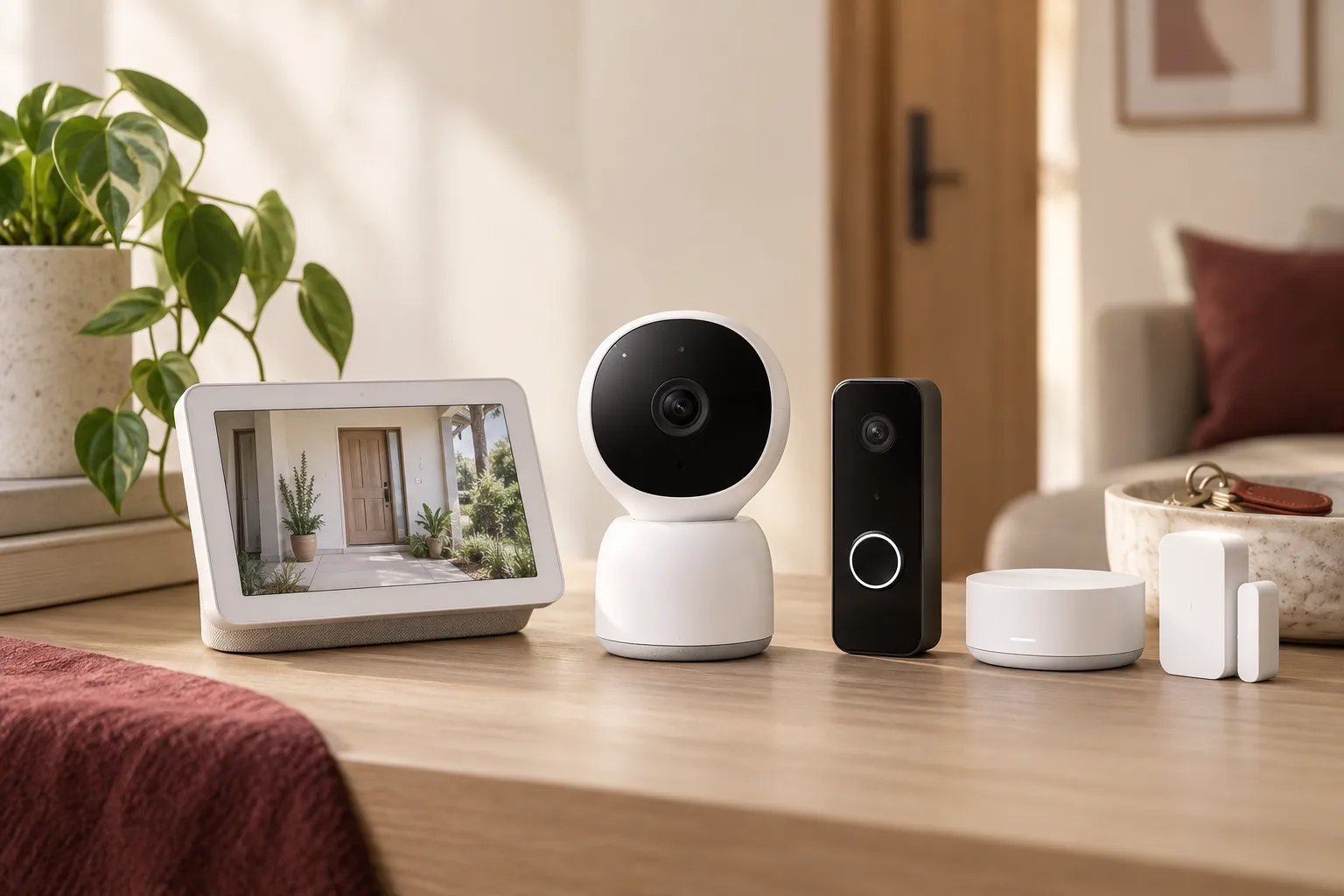
What search engine optimisation means
Search engine optimisation (SEO) is the work of getting your website to appear when a buyer searches Google for what you sell. GullySales builds pages around real search terms, fixes technical issues that block ranking, and tracks which searches actually bring enquiries.
Also for smart home equipment stores
Sales and marketing for smart home equipment stores, the overview.
Last updated 14 Nov 2026.
For smart home equipment stores
Where it usually goes wrong, and what we would do.
“Buyers search a problem, not a brand”
Searches look like a smart switch for old wiring, a lock that opens without the internet, or curtains that open with the morning alarm. Pages named only after a brand miss them, and a marketplace listing fills the gap.
“Compatibility is the question nobody answers”
Does this work with a two-wire switch box, an old router, an Android phone or a particular voice assistant? A store page that answers plainly earns the visit the manufacturer's page cannot.
“Thin product pages lose to the listing”
A page that copies the maker's description gives a search engine no reason to prefer your store. What the shop adds is installation, a named installer and a demo to visit, and those must be on the page.
“Two buyers need two kinds of page”
A household wants a room scene. A designer wants a specification and a contact. One page written for both serves neither, so the site needs a route for each.
What we do
What we deliver for smart home equipment stores.
The work available for this need. We agree the deliverables and responsibilities for your engagement in writing.
A page plan by problem and room
Pages for lighting, locks, curtains, cameras and voice control, each built around the question a buyer types.
Result: Each device has a page that answers a real search.
Compatibility notes on every product page
Wiring type, app, phone and voice-assistant support written plainly, with what still works by hand.
Result: A buyer can rule a product in or out without calling.
Installation and demo copy on the page
Who installs, what a visit covers and where to see it working, written into each product page.
Result: The page says what the shop adds.
A technical check of the site
Speed on a phone, crawl errors, duplicate pages and product markup reviewed and fixed.
Result: The site passes a basic crawl without repeated errors.
A search-term record kept against enquiries
The words people searched for before enquiring, noted beside each lead.
Result: You see which pages brought a visit.
How the result is measured
- Ranking positions
- Organic traffic
- Enquiries from organic search
Recorded as a baseline before work starts, so every later report has an honest comparison.
Searches your buyers type
Questions a buyer types before visiting, and the page that answers each.
- will alexa work with my old switches
- A compatibility page that explains what works with existing switches and what needs a replacement. Show the options in plain words, not model codes.
- smart switch without neutral wire
- A page on the neutral wire problem and the options you stock. It brings the buyer who has already hit this wall and wants an honest answer.
- smart door lock for flat in Bengaluru
- A product page for locks with the door types they fit, the way they are installed and the support the shop gives after fitting.
- video doorbell installation near me
- A service page that says who installs, how the wiring or battery works, and what the buyer needs to prepare at the door.
- motorised curtains for living room
- A page for curtain motors with photographs of real rooms, the track types and a note on the power point that is needed.
- home automation for new flat
- A page for builders and buyers of a flat, covering what can be planned before the walls are closed and who to contact.
Who it is for
This is written for these smart home equipment stores.
- Smart switch and home automation dealers who also install
- Smart lock and video doorbell stores
- Security camera and smart sensor retailers
- Voice assistant, smart speaker and smart plug sellers
- Curtain, blind and motorised shutter specialists
- Home theatre and lighting-control integrators
- Electrical stores that added a smart home counter
- Show-flat and builder package suppliers
Before you decide
When this may not be the right fit.
- You have not written down which devices work together, so a page would repeat what the box claims.
- Your shop does not install outside one area, and pages for the whole city would bring enquiries you cannot serve.
- You plan to compete on price with marketplace listings, which a page cannot win.
Before you decide
Agree the work. Know how to judge it.
SEO for smart home stores: use these checks to prepare, choose the scope, and review what changes.
Bring the right evidence
Bring the pages for the products or services you want to sell, the search queries available in your reports, and examples of enquiries from search. Separate branded searches from buyers discovering you for the first time.
Make the scope clear
Agree which pages and technical fixes come first, who can publish changes, and who supplies subject knowledge. Link search work to a relevant enquiry route on each priority page.
Check the work in use
Follow the trail from a relevant query to its landing page and then to an enquiry. Review whether those enquiries fit your offer, alongside indexing and search visibility.
Know when to change course
A ranking movement alone is not a buying signal. If traffic grows but relevant enquiries do not, revisit page intent and the offer before producing more pages.
These are discussion points, not a fixed package. GullySales confirms the deliverables, responsibilities, fee, and term in writing after reading your brief and speaking with you.
Before we start
What to have ready before the work starts.
The records, access and decisions this work needs from smart home equipment stores. Anything missing is noted in the written scope, with who will supply it.
- A product list with real compatibility facts
- List every product on sale with its supported switch sizes, apps, hubs and voice assistants, as your technician has tested them. Pages built on a maker's claim alone are the weakest, so an untested item is marked untested.
- Admin access to the shop's website
- We need a login that can edit pages, or a developer who will publish for us. Without it the page plan and copy stay as documents, and the work does not reach the site.
- Questions logged at the demo corner
- Keep a notebook of what visitors ask, and what made them hesitate or leave. The page plan relies on it, and where there is none we start from a day of listening at the counter.
- A technician's time for the page review
- Someone who installs the devices must read every compatibility statement. A page with an unchecked claim brings a refund request, so pages wait in draft until a technician has signed them.
- A decision on the brands you push
- State which brands you recommend and which you only stock. Pages for brands you cannot support add calls you will have to refuse, and without the decision the plan covers only your lead brands.
How it works
How the search engine optimisation work runs
The work itself, in order. How an engagement starts, from your brief to a written scope, is set out on our method page.
- 1
Collect what buyers ask before they buy
We sit with the demo corner staff and list the questions visitors ask: will this work with my switchboard, can the lock be opened without the phone, what if the internet goes down. You tell us which are asked with real worry. What exists afterwards is a list of problems in the buyer's own words, which is where search begins.
- 2
Group the questions by room and by device
We arrange the questions under the rooms of a home and the device types, such as the bedroom curtain, the main door and the passage light, and mark which have a buyer who could act. You strike the devices you do not sell. The plan then has a page for each real decision.
- 3
Check what your products truly work with
With your technician we confirm for each product which switch sizes, apps, voice assistants and hubs it works with, and what still works by hand if the network fails. You sign the facts. These notes are the core of every product page, and a product with doubtful compatibility is described as such.
- 4
Rewrite the product pages with installation on them
We draft each product page to state the problem it solves, the compatibility, what installation involves and who does it, and the demo. Your technician reads each page. The result is a page that a buyer would use to decide, not a copy of the maker's sheet.
- 5
Run the technical check of the site
We check how the site loads on a phone, how the product pages are linked, whether the titles and headings name the problem, and whether the demo booking works. A developer makes the repairs, and you see a short list of what was changed.
- 6
Keep a search-term record against enquiries
We ask the counter to note the words a visitor used when they asked, and compare them with the pages published and the enquiry counts recorded before the work. You see which page brought a demo and which brought only readers, and the next pages follow.
Where this fits
Three pieces of sales work, in this order.
This work sits inside sales process design, at stage 1, prospecting and lead generation. The audit comes before it, and sales management keeps it running.
Step 1
Sales audit
Find where deals are being lost and what to fix first.
Start here if you cannot say where orders are lost.
Step 2 · you are here
Sales process design
One written way to sell, from first enquiry to repeat order.
Start here if every salesperson sells differently.
Step 3
Sales management
A target, a review routine and someone who owns the number.
Start here if the team has targets and no routine.
FAQ
Questions owners ask before they call.
Not here? More answers, or ask on WhatsApp.
Can a small store outrank the big marketplaces?
Do we need a blog?
Should product pages show prices?
Can we write about devices we do not sell?
Can we rank for the brand names we sell?
Do we need a page for every product?
How long is the contract?
How soon will we see results?
Who will actually do the work?
What do you need from us?
More for smart home equipment stores
Related work to consider.
Closest to this: search and visibility
Also for smart home equipment stores
Or start from the overview: sales and marketing for smart home equipment stores.
Your next practical step
Tell us what you are trying to grow, and we will read it before we call.
Eight short steps, mostly taps. Skip anything you would rather answer on the call.