Ayurveda and alternative wellness centres · Branding
Look like a clinic with a doctor, not a resort with oil lamps.
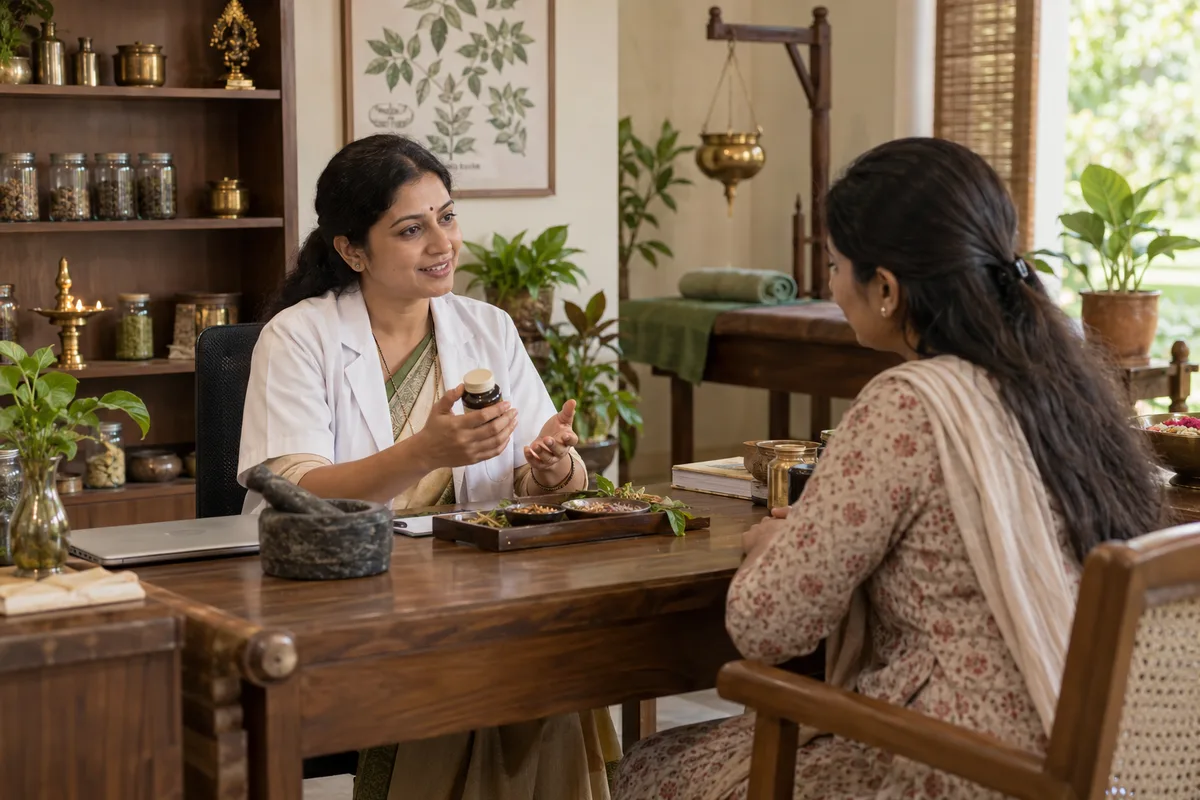
Branding for an Ayurveda centre is the difference between reading as a qualified practice and reading as a spa with Sanskrit names on the door. GullySales settles what your centre is, puts the physician and the tradition you actually follow at the front, and carries it through the signage, the programme names and the pages.
Scope, fee, reporting and term are agreed in writing after we have read your brief and spoken to you.
What branding means
Branding is what a customer remembers about your business beyond the product, including your name, colours, tone of voice and what you are known for locally. GullySales sets or corrects this once and applies it consistently across your website, signage and adverts so the business looks like one company everywhere.
Also for ayurveda and alternative wellness centres
- Product branding for Ayurveda and alternative wellness centres
- SEO for Ayurveda and alternative wellness centres
- PPC ads for Ayurveda and alternative wellness centres
- Lead generation for Ayurveda and alternative wellness centres
- Digital marketing for Ayurveda and alternative wellness centres
- Reputation management for Ayurveda and alternative wellness centres
- Local SEO for Ayurveda and alternative wellness centres
- Social media marketing for Ayurveda and alternative wellness centres
Sales and marketing for ayurveda and alternative wellness centres, the overview.
Last updated 5 Oct 2026. Rules for this trade differ by state and professional body, and they change. We describe restrictions in general terms, so check the current position with your own council or adviser before you publish anything.
For ayurveda and alternative wellness centres
Where it usually goes wrong, and what we would do.
“Sanskrit words on their own do not make a clinic”
Every centre in the trade uses the same vocabulary of balance and dosha. What separates you is a named physician, a stated training, and a description of how you work that a visitor can check.
“A lineage claim has to be true and checkable”
Family tradition and a named parampara are worth saying when they are real, with the years and the place attached. An unbacked claim is the first thing a sceptical guest asks about.
“Programme names should describe days, not outcomes”
A programme called a rejuvenation cure promises something. One called a fourteen-day Panchakarma stay describes what the guest receives, and it is easier to sell and safer to publish.
What we do
What we deliver for ayurveda and alternative wellness centres.
The work available for this need. We agree the deliverables and responsibilities for your engagement in writing.
A positioning note for the centre
One page stating who the centre is for, the therapies it is genuinely equipped for, the length of stay it handles well and the enquiries it should decline.
Result: Everyone who speaks for the centre says the same thing.
The physician brought to the front of every page
The doctor's name, qualification and photograph placed above the therapy descriptions on the website, the brochure and the listings.
Result: The practice is what a visitor meets first.
Programme names and descriptions rewritten
Every package renamed around its length and content, with the outcome language removed and your physician approving each new description.
Result: The names survive a reading by your council.
One look across the board, brochure and website
The gate board, the reception signage, the programme brochure and the site given one typeface, one colour set and one way of writing the centre's name.
Result: The centre looks like one place, on the road and online.
Wording rules the whole team can follow
A short list of what anyone at the centre may say and write about therapies and conditions, for reception, therapists and whoever answers WhatsApp.
Result: The same careful line comes from every person here.
How the result is measured
- Recognition in customer feedback
- Consistency across channels
- Repeat enquiries by name
Recorded as a baseline before work starts, so every later report has an honest comparison.
Positioning in one sentence
The sentence an Ayurveda centre fills in so it reads as a clinic with a physician and not a resort.
Our physician, [registered qualification], treats [kind of patient] with [therapies] at our clinic, and the patient gets [one thing] that a spa does not offer.
- Who it is for
- Name the kind of person and the care they seek, not a disease you claim to cure: someone wanting a Panchakarma course, a family wanting one physician for the household, a guest wanting a supervised stay.
- What you do
- State the physician's registered qualification, such as BAMS or MD Ayurveda, the therapies done on the premises and what a consultation involves. Check how your state council wants qualifications written.
- What a patient gets that a spa does not
- Pick one habit: the physician examines each patient personally, a written diet and routine plan goes home, therapists are trained and named. Say only what you do for every patient.
- The proof you can show
- Show practitioner and clinic registration, the therapy rooms and where medicines come from. Do not publish stories about cures, and check your council's rules on patient comments.
- Words centres overuse and patients distrust
- Strike 'miracle', 'cure', 'detox' and 'authentic' used loosely. Replace them with the therapy's classical name and a plain description of what it involves.
- The name and tagline test
- 'Resort' or 'spa' in the name reads as a holiday; 'Ayurveda clinic' with the physician's name reads as medicine. Say the name and tagline to a new patient and ask what they expect to find.
Who it is for
This is written for these ayurveda and alternative wellness centres.
- Ayurveda clinics run by BAMS and MD Ayurveda physicians
- Panchakarma and therapy centres
- Residential Ayurveda retreats and wellness resorts
- Naturopathy and nature cure centres
- Homoeopathy clinics
- Siddha and Unani practices
- AYUSH hospitals and multi-therapy wellness centres
- Traditional therapy and marma centres
- Ayurveda wellness centres attached to hotels
Not for
It is not the right fit if.
- The centre has not yet decided whether it is a clinic, a therapy centre or a residential stay, so a look would be set before the offer is clear.
- The physician does not want to be named or photographed on the centre's pages, which removes the strongest proof a brand here can carry.
- The old name and logo are printed on signboards and registrations that you are not ready to change, so a new identity would sit beside the old one.
Before you decide
Agree the work. Know how to judge it.
Branding and identity for Ayurveda and alternative wellness centres: use these checks to prepare, choose the scope, and review what changes.
Bring the right evidence
Collect the sales presentation, website, quotations, and other material buyers actually see. Mark where the description of the business changes or where a claim has no supporting evidence.
Make the scope clear
Agree whether the work concerns the offer, the words, the visual identity, or all of them. List the formats that need updating and who owns the final approval.
Check the work in use
Test the proposed direction on a real sales page or proposal. A buyer should be able to tell who the offer is for, what is different, and what evidence supports it.
Know when to change course
A new identity will not fix an unresolved service problem. Put the delivery issue right before making a stronger public promise about it.
These are discussion points, not a fixed package. GullySales confirms the deliverables, responsibilities, fee, and term in writing after reading your brief and speaking with you.
How it works
How the branding work runs
The work itself, in order. How an engagement starts, from your brief to a written scope, is set out on our method page.
- 1
Scope and decision-maker agreement
You send the requirements brief, then we discuss the business decision behind the work. The written scope identifies the buyer segment and approver, alongside the fee and term.
- 2
Evidence handover
Your team shares relevant enquiries and lost-quote notes, and arranges customer introductions. We agree which competitors matter before reviewing their public material.
- 3
Position choice
We present the findings and a proposed position with its supporting evidence. You decide which buyer needs to prioritise and which claims or customer types to leave out.
- 4
Sales conversation check
Your sales lead tries the draft in real buyer conversations and records objections or confusion. We revise wording that does not hold up when a buyer asks for proof.
- 5
Approval and rollout handover
The authorised decision-maker approves the final strategy. Your sales lead and marketing team receive the same rollout brief, with unresolved proof questions clearly marked.
Where this fits
Three pieces of sales work, in this order.
This work sits inside sales process design, at stage 1, prospecting and lead generation. The audit comes before it, and sales management keeps it running.
Step 1
Sales audit
Find where deals are being lost and what to fix first.
Start here if you cannot say where orders are lost.
Step 2 · you are here
Sales process design
One written way to sell, from first enquiry to repeat order.
Start here if every salesperson sells differently.
Step 3
Sales management
A target, a review routine and someone who owns the number.
Start here if the team has targets and no routine.
FAQ
Questions owners ask before they call.
Not here? More answers, or ask on WhatsApp.
Can we call ourselves a wellness resort?
Do we need a new logo to look more credible?
Should we use Sanskrit names for the clinic and the therapies?
Can we show photographs of the therapy room and of therapy in progress?
How much does it cost?
How long is the contract?
How soon will we see results?
Who will actually do the work?
What do you need from us?
What if we are not happy with the work?
From the blog
Further reading for ayurveda and alternative wellness centres.
- 6 min read · 11 May 2026What a prospective member checks before joining a wellness centre in your areaThe quiet checks a visitor makes on a gym or wellness centre tour: hygiene, trainer credentials, timings and safety, with a walk-through checklist.
- 6 min read · 24 Feb 2026Seasonal demand for wellness in India: planning around January, monsoon and festival monthsHow a gym, studio or salon can read its joining and drop-off pattern by month, then plan budget and offers around New Year, monsoon and festivals.
More for ayurveda and alternative wellness centres
Related work to consider.
Closest to this: brand and design
Also for ayurveda and alternative wellness centres
- SEO for Ayurveda and alternative wellness centres
- PPC ads for Ayurveda and alternative wellness centres
- Lead generation for Ayurveda and alternative wellness centres
- Digital marketing for Ayurveda and alternative wellness centres
- Reputation management for Ayurveda and alternative wellness centres
- Local SEO for Ayurveda and alternative wellness centres
Or start from the overview: sales and marketing for ayurveda and alternative wellness centres.
Your next practical step
Tell us what you are trying to grow, and we will read it before we call.
Eight short steps, mostly taps. Skip anything you would rather answer on the call.