Notes for owners · Industry playbooks
What a prospective member checks before joining a wellness centre in your area
The quiet checks a visitor makes on a gym or wellness centre tour, covering hygiene, trainer credentials, timings and safety, with a walk-through checklist you can use yourself.
The GullySales team · Updated 17 Oct 2026 · 6 min read
Rules for this trade differ by state and professional body, and they change. Check the current position with your own council or adviser before you act on anything here.

On this page
A stranger walking round your gym decides a lot before you open the price list. This post follows one such visit, set in an invented Gangtok gym, minute by minute from the visitor's side, and marks what the visitor notices at each stage. Use it to walk your own premises as a stranger. Where a minute shows a problem, the repair is small and costs little.
Minute one: the door
The visitor arrives in the evening after work, in damp shoes, because it has been raining. The first thing looked for is where the shoes go. A rack and a mat at the entrance say that someone has thought about the floor. A pile of wet footwear beside the reception desk says nobody has.
Then the desk: is anyone there within a minute, and does that person look up?
Minutes two to four: the floor
The visitor stands and watches without moving. Who is on the floor? A trainer who is correcting a member's squat tells one story. A trainer watching a phone tells another. The visitor also watches how members are treated, particularly women, older members and beginners, because they are picturing themselves among them.
The visitor checks the equipment: wiped after use, a cloth or spray where members can see it, plates racked and aisles clear. Rules on what a centre must have differ by state and body and change, so check what applies with your own adviser. The visitor simply notices whether it feels safe, and you cannot tell them it does.
Minutes five to six: the changing room
For many visitors this is where the verdict gets made. They look at the smell, the floor, the working locks, a bin that has not been emptied. If it is wet and nobody has signed off a cleaning sheet, they may assume the same care is missing elsewhere. A visitor who meets a blocked drain here may not get as far as asking about the trainers.
The water point is part of the same test. So is the first-aid kit: is it in a labelled place, and does the front desk know where?
Minutes seven to eight: the people
The visitor asks, "Who will train me?" and listens to how it is answered. A trainer card at the desk helps: first name, what they hold with the issuing body named, years on the floor and the kind of member they suit best. Copy titles from the certificate exactly, and do not borrow ones from a brochure. If a trainer has experience but no certificate, say what they have done and for how long.
For a nutritionist, an Ayurveda centre or any practice that gives health advice, state qualifications exactly and make no claim to treat or cure.
Minutes nine to ten: timings and price
Last come the questions asked on the way in. Is the 7.30 batch crowded? Can the visitor use the cable machines then? An honest answer is what is wanted. A visitor who is told that the hour is the busiest, and is offered a quieter slot, stays. One who finds out afterwards leaves.
Say the price range early, then explain what moves it. A visitor who has to ask three times may decide you are hiding something. The conversation after the tour is in how to convert gym trials into memberships.
What the gym in Gangtok changed
In this invented case, six visitors had toured the gym and not joined. The owner phoned each. Three named the shoe pile and the changing room floor, one said the trainer was on a call, and two said the 7.30 batch was too crowded. The repairs took a week of attention and little money. A shoe rack and mat went at the door, the housekeeping staff signed a cleaning sheet with a time, the floor trainers kept phones in a drawer, and trainer cards went on the desk. The owner began telling visitors plainly that 7.30 was the busy hour and offered a 9 p.m. trial slot instead. Three people took it and one joined, and the floor at 7.30 stayed just as crowded, because the gym is small. The gym, its owner and its six visitors are made up.
Your own ten minutes
Do this at a time you are not usually there, with a pen. Enter as a stranger and tick what you find.
- Shoes: is there a place for them at the door?
- Does somebody greet you within a minute?
- Is the changing room dry, fresh-smelling, with locks that work?
- Is each trainer's name shown with a qualification as it reads on the certificate?
- Is the first-aid kit labelled, and does the desk know where it is?
- At the busiest hour, is there a trainer on the floor who is not on a phone?
- Can a woman visitor see who else is in the room and whether it feels comfortable?
- Do you leave knowing what happens next?
If several of these get a no, fix them before you spend more on posts that bring visitors in.
When this is not enough
The list sets a floor for a clean, safe and honest visit. It does not replace a good offer, a fair price or a prompt reply to the enquiry. And if the place is truly cramped, a checklist adds no space; say so, and consider limiting batch sizes.
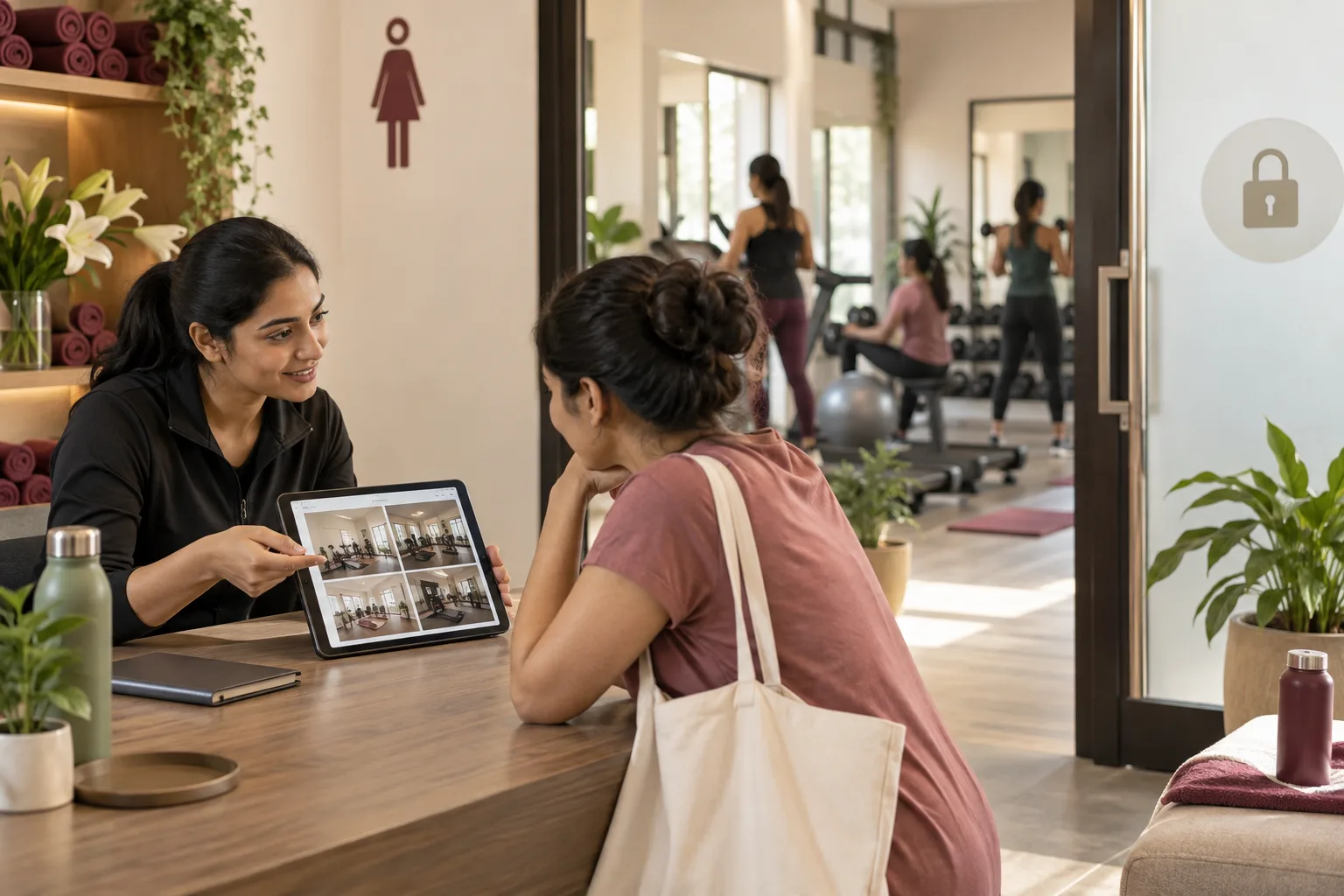
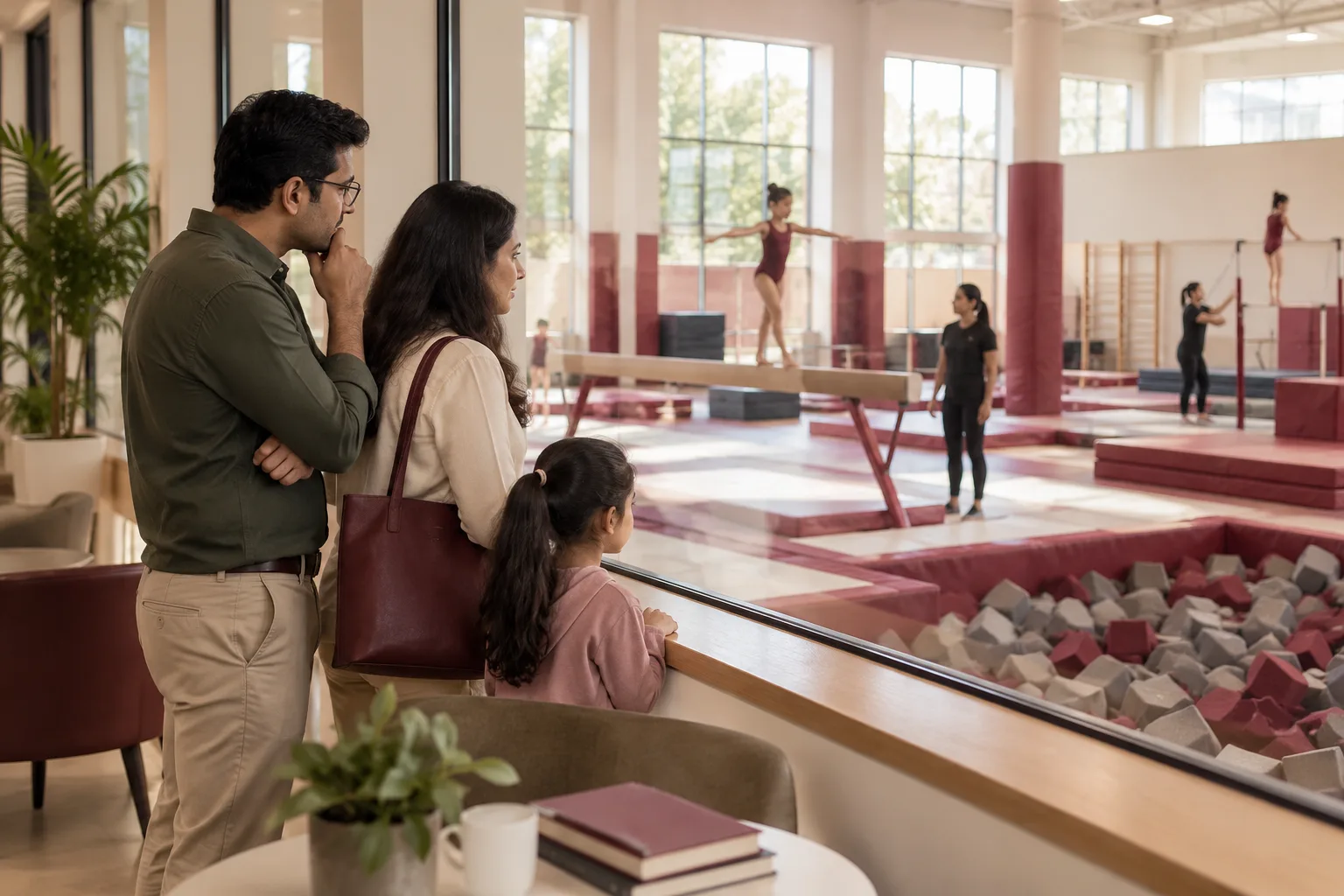
A ladies-only centre has further checks on who can see into the room and who staffs the desk, in marketing a ladies-only gym. Parents ask a similar set of quiet questions, as in what parents check before choosing a gymnastics academy.
Saying it first
Take your pen and walk in as a stranger this week, before anything else. Once you know what visitors check, put the true parts on your page before they ask. A line about your changing rooms is a promise, so write only what you do and keep the cleaning sheet to prove it. If you want to hear what visitors in your area really think, that is the work of customer research and voice of customer, and more on the trade is under wellness and fitness. If you want help turning what you find into a plan, tell us what you need.