Ayurveda and alternative wellness centres · Product branding
A centre's own oil, tea or kit needs a name and label that describe, never promise.
Product branding for a wellness centre gives one of its own products, such as a herbal oil, a tea blend or a take-home kit, its own name, pack and listing, and decides how it sits beside the centre's name. GullySales checks the name against public records, prepares the pack brief and listing titles, and leaves licences and label rules with your adviser.
Scope, fee, reporting and term are agreed in writing after we have read your brief and spoken to you.
What product branding means
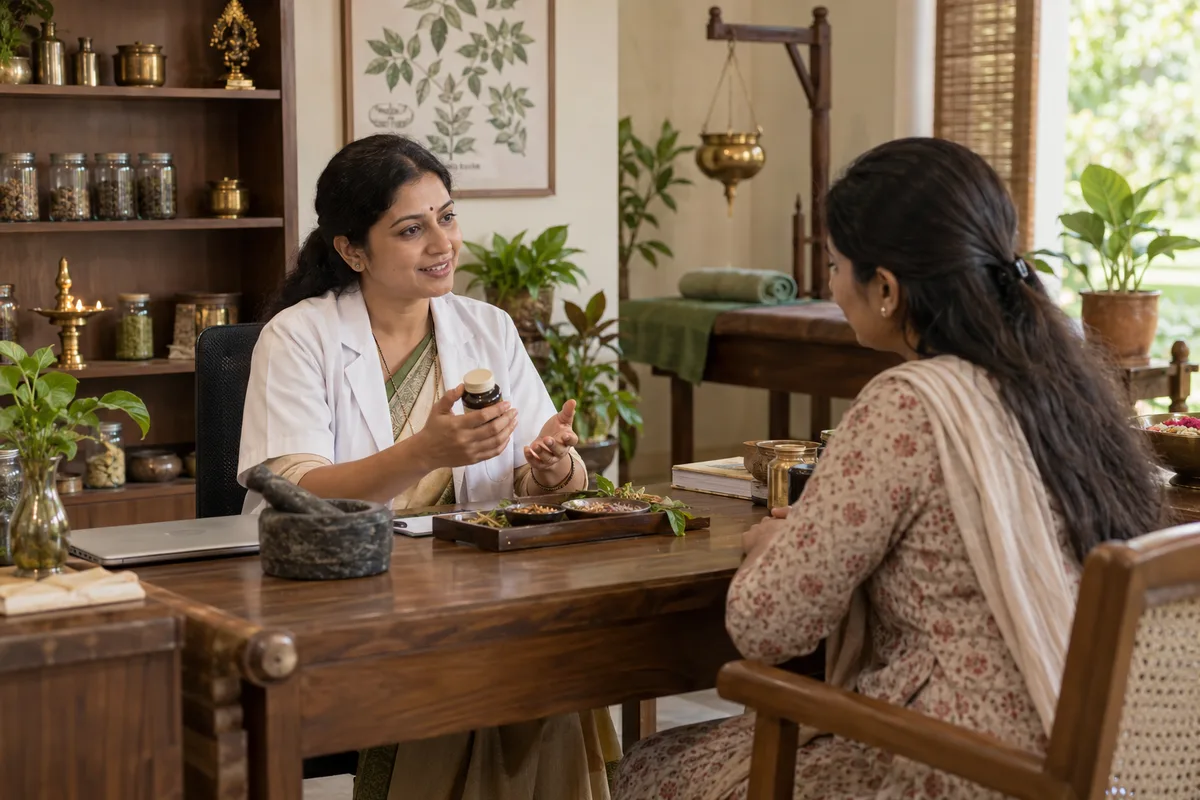
Product branding gives one product or product line its own name, pack or label, tagline and listing identity, and decides how it sits beside the parent brand. GullySales checks the name against the public trade-mark register, prepares the pack brief and listing titles, and briefs your dealers and marketplace team on the result.
Also for ayurveda and alternative wellness centres
- Branding and identity for Ayurveda and alternative wellness centres
- SEO for Ayurveda and alternative wellness centres
- PPC ads for Ayurveda and alternative wellness centres
- Lead generation for Ayurveda and alternative wellness centres
- Digital marketing for Ayurveda and alternative wellness centres
- Reputation management for Ayurveda and alternative wellness centres
- Local SEO for Ayurveda and alternative wellness centres
- Social media marketing for Ayurveda and alternative wellness centres
Sales and marketing for ayurveda and alternative wellness centres, the overview.
Last updated 5 Oct 2026. Rules for this trade differ by state and professional body, and they change. We describe restrictions in general terms, so check the current position with your own council or adviser before you publish anything.
For ayurveda and alternative wellness centres
Where it usually goes wrong, and what we would do.
“A guest wants to take the programme home”
After a stay or a course of therapy, a guest asks which oil to use or what blend to drink. Without a named, labelled product, the answer is a handwritten note and the connection ends at the gate. A branded product gives the guest something to remember the physician by.
“The label is where the strictest rules sit”
Ayurvedic and herbal products are covered by licensing and labelling rules that differ from ordinary goods, and the words permitted on the pack are limited. Names or lines that imply a cure for a disease can bring trouble. Your own licensed adviser must confirm every word before printing.
“A name chosen by the family may already belong to someone else”
Classical terms and plant names are used by several makers, and a name that sounds distinct may already be registered for similar goods. A search of the public trade-mark register and marketplace listings before the pack is printed saves a forced change after stock is made.
“Product and centre have to read as one family”
A guest who trusts the physician will trust the product only if the pack shows where it comes from. A product with a new name and no link to the centre looks like any shelf item, while a pack covered in the centre's logo can read as a clinic advertisement.
What we do
What we deliver for ayurveda and alternative wellness centres.
The work available for this need. We agree the deliverables and responsibilities for your engagement in writing.
Product brief
One document naming the product, the guest who buys it, the shelf or listing it sits on, and the words to avoid. The physician and the centre's owner approve it before any name or design starts.
Result: Everyone agrees what the product is before it is named.
Name check record
A page per shortlisted name showing what the public trade-mark register, company records, domain names and marketplace listings show for similar goods. Open questions are marked for your trade-mark adviser.
Result: You see the conflicts before committing to print.
Pack and label brief
Front-panel order, colour and type direction, and the space kept for declarations, handed to your designer. The declarations stay with you.
Result: The designer works from a written brief and not from guesswork.
Label declarations checklist
A general list of what the pack must carry, such as the maker's details, licence information where relevant and the quantity. Your licensed adviser confirms the current requirements.
Result: A named person checks the pack against the adviser's list before printing.
Listing title and image plan
Brand, product, variant and size in the order a marketplace or the centre's own shop reads them, with the images required. The title matches the pack exactly.
Result: The pack and the online listing say the same thing.
Centre-name rule
A short statement on whether the centre's name appears on the pack, how large, and where, following whichever arrangement you already use.
Result: The reception team and the designer follow one rule.
How the result is measured
- Dealer orders placed under the correct product name
- Listings whose brand text matches the pack and invoice
- Name checks completed and handed to the adviser
Recorded as a baseline before work starts, so every later report has an honest comparison.
Who it is for
This is written for these ayurveda and alternative wellness centres.
- Ayurveda clinics run by BAMS and MD Ayurveda physicians
- Panchakarma and therapy centres
- Residential Ayurveda retreats and wellness resorts
- Naturopathy and nature cure centres
- Homoeopathy clinics
- Siddha and Unani practices
- AYUSH hospitals and multi-therapy wellness centres
- Traditional therapy and marma centres
- Ayurveda wellness centres attached to hotels
Before you decide
Agree the work. Know how to judge it.
Product branding for Ayurveda and alternative wellness centres: use these checks to prepare, choose the scope, and review what changes.
Bring the right evidence
Collect the sales presentation, website, quotations, and other material buyers actually see. Mark where the description of the business changes or where a claim has no supporting evidence.
Make the scope clear
Agree whether the work concerns the offer, the words, the visual identity, or all of them. List the formats that need updating and who owns the final approval.
Check the work in use
Test the proposed direction on a real sales page or proposal. A buyer should be able to tell who the offer is for, what is different, and what evidence supports it.
Know when to change course
A new identity will not fix an unresolved service problem. Put the delivery issue right before making a stronger public promise about it.
These are discussion points, not a fixed package. GullySales confirms the deliverables, responsibilities, fee, and term in writing after reading your brief and speaking with you.
How it works
How the product branding work runs
The work itself, in order. How an engagement starts, from your brief to a written scope, is set out on our method page.
- 1
Brief and boundary
You confirm the product, the buyer and the sales channels. We agree which questions belong to naming, design, your adviser and your regulatory consultant.
- 2
Name check
Shortlisted names go through public search for the goods in question. You see what turned up, and your trade-mark adviser decides whether to proceed.
- 3
Pack and label direction
We write the brief, review designer drafts against it and mark the declarations space. Draft packs go to your adviser before printing.
- 4
Listing and tagline
Titles, the tagline and the image plan are written to match the approved pack. You compare them with the label before anything goes live.
- 5
Dealer briefing
The dealer sheet goes to your sales lead. Your team uses it in calls, order forms and marketplace listings.
Where this fits
Three pieces of sales work, in this order.
This work sits inside sales process design, at stage 1, prospecting and lead generation. The audit comes before it, and sales management keeps it running.
Step 1
Sales audit
Find where deals are being lost and what to fix first.
Start here if you cannot say where orders are lost.
Step 2 · you are here
Sales process design
One written way to sell, from first enquiry to repeat order.
Start here if every salesperson sells differently.
Step 3
Sales management
A target, a review routine and someone who owns the number.
Start here if the team has targets and no routine.
FAQ
Questions owners ask before they call.
Not here? More answers, or ask on WhatsApp.
Can the product name mention the condition it is used for?
Do you file the trade mark?
May we show the physician's picture on the pack?
How much does it cost?
How long is the contract?
How soon will we see results?
Who will actually do the work?
What do you need from us?
What if we are not happy with the work?
From the blog
Further reading for ayurveda and alternative wellness centres.
- 6 min read · 11 May 2026What a prospective member checks before joining a wellness centre in your areaThe quiet checks a visitor makes on a gym or wellness centre tour: hygiene, trainer credentials, timings and safety, with a walk-through checklist.
- 6 min read · 24 Feb 2026Seasonal demand for wellness in India: planning around January, monsoon and festival monthsHow a gym, studio or salon can read its joining and drop-off pattern by month, then plan budget and offers around New Year, monsoon and festivals.
More for ayurveda and alternative wellness centres
Related work to consider.
Closest to this: brand and design
Also for ayurveda and alternative wellness centres
- SEO for Ayurveda and alternative wellness centres
- PPC ads for Ayurveda and alternative wellness centres
- Lead generation for Ayurveda and alternative wellness centres
- Digital marketing for Ayurveda and alternative wellness centres
- Reputation management for Ayurveda and alternative wellness centres
- Local SEO for Ayurveda and alternative wellness centres
Or start from the overview: sales and marketing for ayurveda and alternative wellness centres.
Your next practical step
Tell us what you are trying to grow, and we will read it before we call.
Eight short steps, mostly taps. Skip anything you would rather answer on the call.