Ayurveda and alternative wellness centres · Follow up systems
A programme is decided over several conversations, and the follow-up wins the booking.
A follow-up system for an Ayurveda or wellness centre is the set of agreed next steps that carry an enquiry to a physician consultation, a booking and a return visit. GullySales writes the message at each step, assigns the owner, and sets the rule for when a conversation is closed or left alone.
Scope, fee, reporting and term are agreed in writing after we have read your brief and spoken to you.
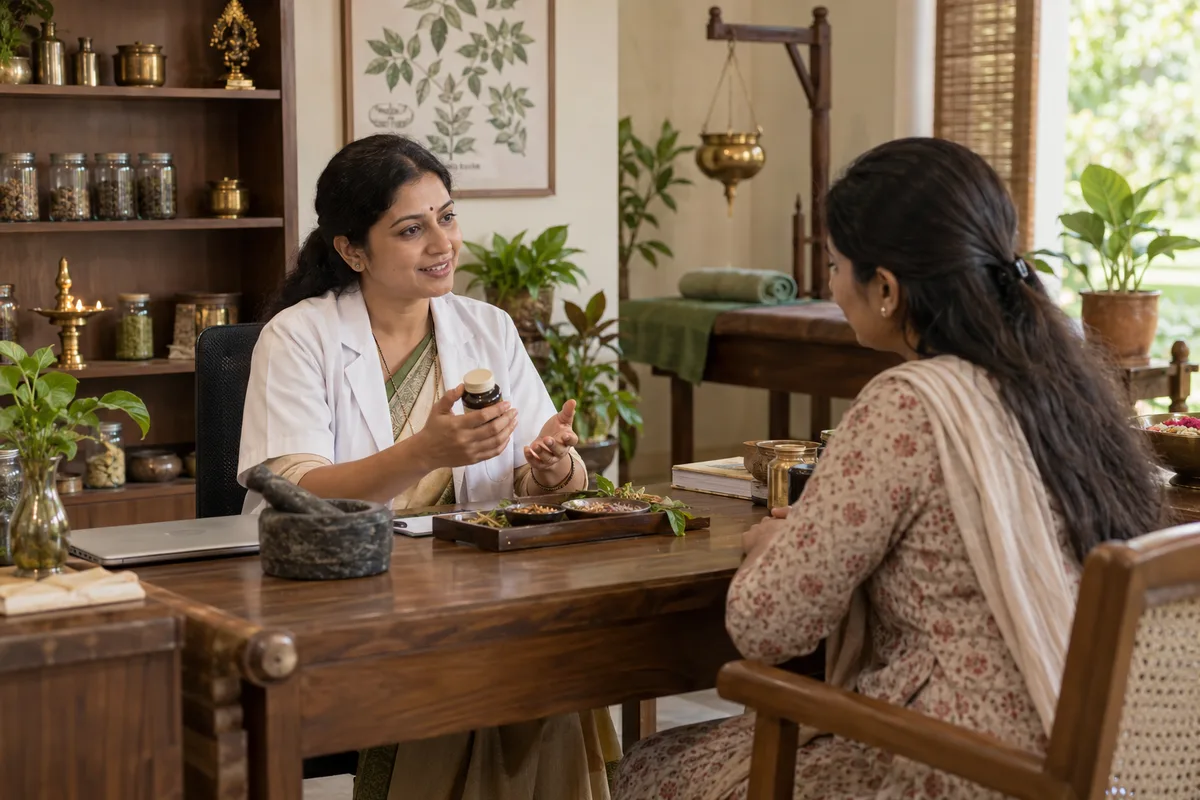
What follow up systems means
A follow-up system is the set routine for calling, messaging or emailing an enquiry more than once, since most buyers do not decide on the first conversation. GullySales sets the number and timing of follow-ups so an undecided buyer keeps hearing from you until they decide either way.
Also for ayurveda and alternative wellness centres
- Lead generation for Ayurveda and alternative wellness centres
- CRM for Ayurveda centres
- SEO for Ayurveda and alternative wellness centres
- PPC ads for Ayurveda and alternative wellness centres
- Digital marketing for Ayurveda and alternative wellness centres
- Reputation management for Ayurveda and alternative wellness centres
- Local SEO for Ayurveda and alternative wellness centres
- Branding and identity for Ayurveda and alternative wellness centres
Sales and marketing for ayurveda and alternative wellness centres, the overview.
Last updated 5 Oct 2026. Rules for this trade differ by state and professional body, and they change. We describe restrictions in general terms, so check the current position with your own council or adviser before you publish anything.
For ayurveda and alternative wellness centres
Where it usually goes wrong, and what we would do.
“Silence after the rate card ends the conversation”
A guest asks about a programme, receives a price and goes quiet. Silence does not mean no. It may mean a relative is being consulted or leave is being arranged, and one considerate question from the coordinator reopens a conversation the guest had not abandoned.
“The consultation is where doubt gets resolved”
Between enquiry and booking sits the physician call. Guests who skip it carry unanswered fears about suitability and food. The follow-up exists to get that call onto the diary, and a reminder the day before keeps it from being missed.
“After arrival the sale continues”
A guest at the centre who feels unseen by the coordinator will not recommend the stay or return. A short check-in from the desk in the first days, and a note from the physician at the end, belong to the same system as the first reply.
“A guest who has gone home still wants the routine”
The diet and daily habits a physician suggests are easy to drop within a few days of leaving. A courteous message from the physician's team about that routine, sent with consent, keeps the relationship alive and brings the guest back next season.
What we do
What we deliver for ayurveda and alternative wellness centres.
The work available for this need. We agree the deliverables and responsibilities for your engagement in writing.
A written path from enquiry to return
Every step named, with the owner, the message and the point at which the conversation ends: enquiry, intake, consultation, advance, arrival, completion, routine check and seasonal reminder.
Result: Nobody at the desk has to guess what comes next.
Message templates in your voice
Replies for a price enquiry, a missed consultation, an unpaid advance and a guest who has gone quiet, written without cure language.
Result: Each follow-up is courteous and clear of claims.
A rule for stopping
A stated point after which a quiet conversation is left alone, so guests are not chased past courtesy.
Result: The desk follows up without becoming a nuisance.
Consultation reminders
A confirmation and a reminder before each physician call, with a simple way to rebook.
Result: Fewer physician slots go unused.
A post-programme routine message
A note from the physician's team after the guest leaves, covering diet and daily routine in everyday words, sent only where the guest agreed.
Result: Guests feel remembered after the stay ends.
How the result is measured
- Follow-up completion rate
- Average number of follow-ups before close
- Enquiries closed after repeat follow-up
Recorded as a baseline before work starts, so every later report has an honest comparison.
What to capture or send
A programme sale moves through moments, and each one needs its own message.
- The day after a rate question
- Send an offer of the consultation with the physician's name, not the cost again. Record the reply or the silence.
- After the consultation
- Send the written plan the family can read together. Record who read it and the questions raised, since the decision is made at home.
- Before arrival
- Send what to bring, the daily timings and the room details. Record any dietary or travel changes the guest mentions.
- The last day of the stay
- The desk fixes the routine to continue at home and notes the date for a check-in. Record the consent to be contacted.
- The end of a silent enquiry
- Send one closing message that leaves the door open, then stop. Record the date so the guest is not contacted again.
Who it is for
This is written for these ayurveda and alternative wellness centres.
- Ayurveda clinics run by BAMS and MD Ayurveda physicians
- Panchakarma and therapy centres
- Residential Ayurveda retreats and wellness resorts
- Naturopathy and nature cure centres
- Homoeopathy clinics
- Siddha and Unani practices
- AYUSH hospitals and multi-therapy wellness centres
- Traditional therapy and marma centres
- Ayurveda wellness centres attached to hotels
Not for
It is not the right fit if.
- The centre has no one to hold a conversation beyond the first reply, so a written follow-up path would be sent and then dropped.
- The physician has not set when a consultation can be offered, so follow-up messages would invite guests to a slot that does not exist.
- Guests have not agreed to be contacted after they leave, and the centre cannot show consent, so after-stay messages should wait.
Before you decide
Agree the work. Know how to judge it.
Follow-up systems for Ayurveda centres: use these checks to prepare, choose the scope, and review what changes.
Bring the right evidence
Trace recent enquiries from arrival to the last recorded action. Include a won enquiry, an unsuitable one, and one that went quiet, with personal details removed for the initial discussion.
Make the scope clear
Agree who accepts each enquiry, what makes it qualified, and how ownership changes. Include a rule for missed replies and a clear reason for closing an enquiry.
Check the work in use
Pick an enquiry at random and ask the team to find its owner, latest conversation, and next action. Check that the record agrees with what actually happened.
Know when to change course
If no one has capacity to respond, assign that responsibility before buying more leads. Automation can support the owner, but it cannot replace an unresolved handover.
These are discussion points, not a fixed package. GullySales confirms the deliverables, responsibilities, fee, and term in writing after reading your brief and speaking with you.
How it works
How the follow up systems work runs
The work itself, in order. How an engagement starts, from your brief to a written scope, is set out on our method page.
- 1
Record access and baseline agreement
You provide recent enquiry records and nominate the person responsible for sales. We compare arrival times with replies and agree which records are reliable enough for the baseline.
- 2
Response and closure decisions
Your sales lead approves response targets and follow-up gaps against available capacity. We also agree when to close an enquiry, pause contact, or refer a question to someone else.
- 3
Message and question approval
Your team reviews the reply library and first-call questions before use. Any technical answer or commercial promise needs approval from the person authorised to give it.
- 4
Task testing and team handover
We set up the agreed records and reminders, then test an incoming enquiry through to its next action. Your team checks ownership, including what happens when the assigned person is absent.
- 5
Results review and routine changes
We compare results with the baseline and identify missed steps. Changes to targets or messages are agreed with your sales lead; reporting frequency is agreed in writing.
Where this fits
Three pieces of sales work, in this order.
This work sits inside sales process design, at stage 2, qualification. The audit comes before it, and sales management keeps it running.
Step 1
Sales audit
Find where deals are being lost and what to fix first.
Start here if you cannot say where orders are lost.
Step 2 · you are here
Sales process design
One written way to sell, from first enquiry to repeat order.
Start here if every salesperson sells differently.
Step 3
Sales management
A target, a review routine and someone who owns the number.
Start here if the team has targets and no routine.
FAQ
Questions owners ask before they call.
Not here? More answers, or ask on WhatsApp.
How many times should we follow up?
Can we message guests after they leave?
Who should do the follow-up, the physician or the desk?
Why does a guest go quiet after the consultation?
How much does it cost?
How long is the contract?
How soon will we see results?
Who will actually do the work?
What do you need from us?
What if we are not happy with the work?
From the blog
Further reading for ayurveda and alternative wellness centres.
- 6 min read · 11 May 2026What a prospective member checks before joining a wellness centre in your areaThe quiet checks a visitor makes on a gym or wellness centre tour: hygiene, trainer credentials, timings and safety, with a walk-through checklist.
- 6 min read · 24 Feb 2026Seasonal demand for wellness in India: planning around January, monsoon and festival monthsHow a gym, studio or salon can read its joining and drop-off pattern by month, then plan budget and offers around New Year, monsoon and festivals.
More for ayurveda and alternative wellness centres
Related work to consider.
Closest to this: leads and follow-up
Also for ayurveda and alternative wellness centres
- SEO for Ayurveda and alternative wellness centres
- PPC ads for Ayurveda and alternative wellness centres
- Digital marketing for Ayurveda and alternative wellness centres
- Reputation management for Ayurveda and alternative wellness centres
- Local SEO for Ayurveda and alternative wellness centres
- Branding and identity for Ayurveda and alternative wellness centres
Or start from the overview: sales and marketing for ayurveda and alternative wellness centres.
Your next practical step
Tell us what you are trying to grow, and we will read it before we call.
Eight short steps, mostly taps. Skip anything you would rather answer on the call.