Engineering college admissions enquiry management · Sales
Your admissions office cannot see where applicants stop answering.
Enquiries reach an engineering college by phone, by form, through an education portal, at a school fair, at a campus visit and through a parent who knew someone. Each counsellor keeps a notebook, a phone contact list or a sheet of their own.
Scope, fee, reporting and term are agreed in writing after we have read your brief and spoken to you.
In one paragraph
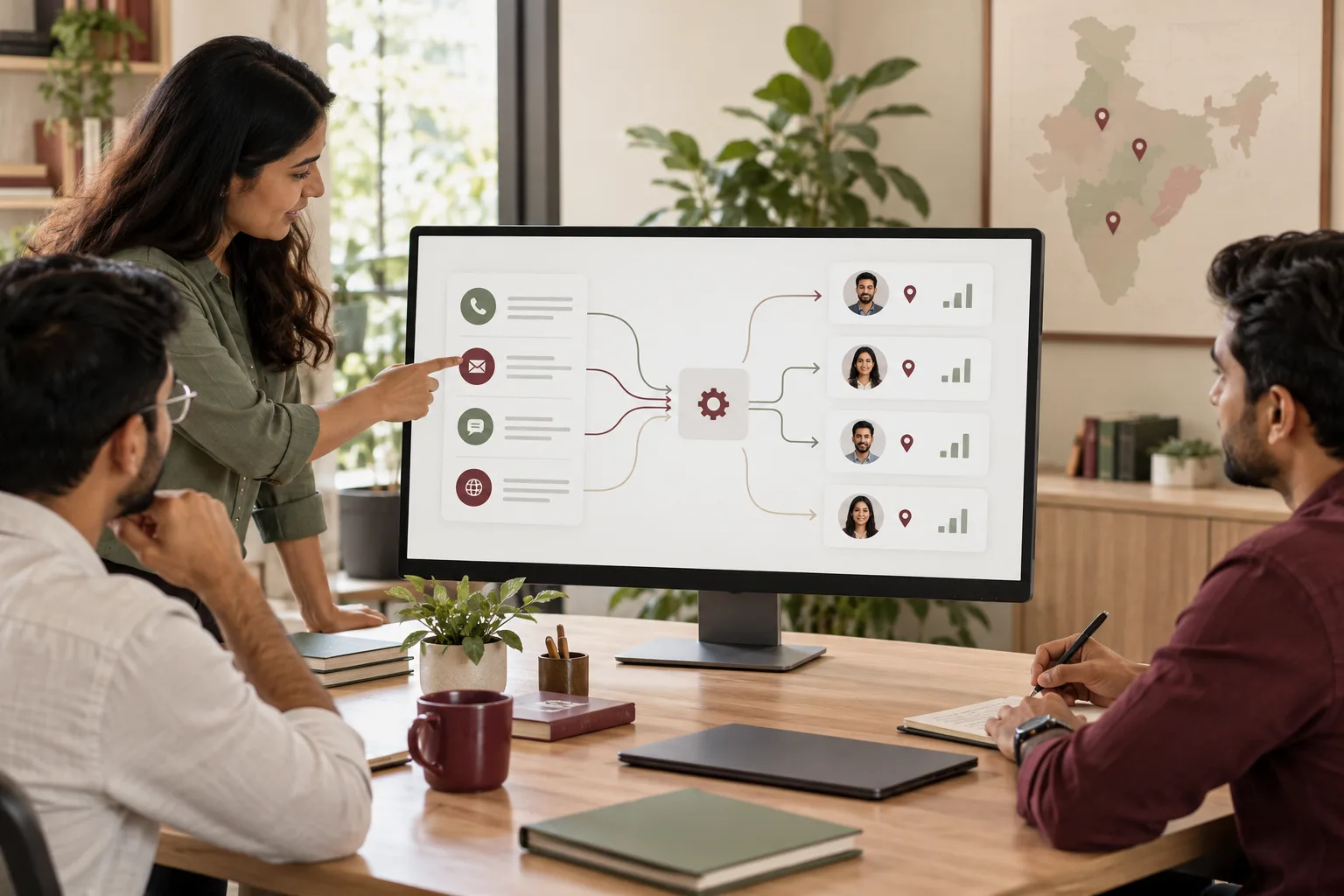
Engineering college admissions enquiry management is the record and routine that carries an applicant from first enquiry through counselling, campus visit, application and fee-confirmed admission. GullySales sets up the stages, owners and reasons for loss in your own tools, so the admissions office can see where applicants drop out and who was meant to follow up.
When an applicant goes quiet, nobody can say whether the call was made, what was discussed or why the family chose elsewhere. This work gives the admissions office one record with named stages: enquiry, first counselling, campus visit, application, offer and fee-confirmed admission. Each applicant sits in one stage with one owner and a next date. The office reads the record to see where applicants leave, and decides what to do about it.
Lead response and follow-up is the general service for any business. This one is written for an admissions desk, with counselling stages, a campus visit and the family as the decision unit. It makes no claim about places, rankings or placements, and nothing here promises that an applicant will join.
Who it is for
This is written for you if these sound familiar.
- Engineering colleges whose counsellors keep applicant notes in personal notebooks or phones
- Admissions heads who cannot say how many enquiries reached a campus visit or an application
- Colleges running school visits, education portals and advertising with no record of which source produced an applicant
- Institutions where enquiries arrive in surges and some are never called back
- Trusts and groups with several programmes, each handled by a different desk
- Principals who want reasons for lost applicants on record rather than in memory
Before you decide
When this may not be the right fit.
- Your institution wants numbers, rankings or placement statements written for it. GullySales writes none, and your own governing body and regulator decide what may be published.
- You want a student information or fee accounting system built. That is software work outside this scope.
- Nobody on the admissions team can make follow-up calls, even after roles are clear.
The problem
Does this sound like your business?
Common situations this work addresses.
“We do not know who called the family back”
An enquiry came in on the college number and went to whoever picked up. Later two counsellors have each spoken to the same parent, or neither has.
“Applicants visit and then disappear”
The family walked round the campus and met a faculty member. Nobody recorded what they asked, so the follow-up call is a general greeting.
“The application form was started and never finished”
A student began the online application and stopped at the documents page. The office finds out when the closing date has passed.
“We spend on advertising and cannot say what it produced”
The portal, the school fair and the search advertisement all feed the same office. Without a source on each applicant, the principal judges each by guesswork.
Choose the right scope
Start with the work your business needs.
Enquiry desk set-up
For colleges where enquiries land on several phones and sheets. The work sets one record, one source list and an owner for each enquiry, with cover when a counsellor is away.
Campus visit follow-up
For colleges where families visit and then go silent. The visit is recorded with what the family asked, and the next call is built on that record rather than a general greeting.
Application completion routine
For colleges that lose applicants between starting and finishing the form. A checklist of missing documents and payment steps gives the owner a call list in place of a surprise at the closing date.
Source and loss-reason reporting
For principals and trusts that fund advertising and school visits. Stage counts by source and reasons for loss let the office judge each route by admissions confirmed, not by enquiries received.
What we do
The work we can include.
Each deliverable and the purpose it serves. Your written scope confirms what is included, who is responsible, and what it costs.
Admissions stage map
A written list of stages from enquiry to fee-confirmed admission, with the exact event that moves an applicant from one stage to the next. The admissions head signs it off, so a counsellor and the office agree on what counts as a campus visit or an application.
Enquiry source list
Every route by which an enquiry arrives, named once and used the same way by all counsellors: website form, portal, school visit, walk-in, phone, parent referral. Each applicant carries one source from the first contact.
Applicant record layout
The fields the counsellor fills in: programme asked about, branch preference, entrance exam taken where relevant, family contact who has agreed to be called, decision-maker in the family and next date. Marks and personal documents are kept out of the sheet unless your data protection reviewer says otherwise.
Counselling guide and call notes template
A short question sheet and note format for the first counselling call and the post-visit call. It records the applicant's questions, the answers given and the open points, and it keeps counsellors from promising seats or outcomes.
Campus visit record
A booking, host and feedback record for each visit. It shows who was shown which department and what the family asked, so the next call picks up from the visit.
Application and fee-confirmation checklist
A checklist of documents, form steps and payment confirmation, each marked as received or outstanding. Applicants with missing items appear on a call list for the owner.
Reasons for loss list
A short agreed list of reasons an applicant did not proceed: chose another college, programme not offered, distance, cost concern, no response. Counsellors pick one when closing a record, which is how the admissions office learns where applicants leave.
Baseline and stage report
A starting count of enquiries by source and stage taken from your own records, then reports against it in the format agreed in writing. Figures come from your records and are not compared with other colleges.
How the result is measured
- Enquiries by source
- Enquiries called back, with the owner recorded
- Applicants who reached a campus visit
- Applications started and applications completed
- Fee-confirmed admissions by source
- Recorded reasons for applicants who did not proceed
Recorded as a baseline before work starts, so every later report has an honest comparison.
Marketing and sales together
The counsellor receives the family with the history attached.
An enquiry reaches a named counsellor with its source, the programme asked about and the date of the next call. After a campus visit the record carries what the family asked. The admissions head reads stage counts to see where applicants leave, and marketing is compared on fee-confirmed admissions by source, not on forms submitted. Offers of seats and fee decisions stay with the people your institution authorises.
Decisions to make before the work starts
Records and data limits
You provide enquiry sheets, portal exports and the application register from a recent season. Gaps in dates or sources limit the baseline, and rebuilding old records is separate work. Applicant data is limited to what counselling needs.
Institutional ownership of claims and decisions
Your governing body and regulator decide what is published about admissions, fees and the institution. Counsellors, not GullySales, speak to families, and seat allocation and fees stay with the authorised office.
Tools, staffing and adjacent work
Setup depends on your CRM or sheet and its permissions, and any software cost is stated in the written scope. Advertising, school-visit campaigns and a student information system are separate. Your counsellors run the record after handover unless administration is agreed separately.
This or a nearby service
Which piece of work fits your situation.
These services sit close to each other. The line between them, in plain words.
- Lead response and follow-up
- Choose lead response and follow-up when any business needs reply templates and follow-up tasks for incoming enquiries. Choose admissions enquiry management when applicants pass through counselling, a campus visit, an application and fee confirmation, and the office cannot see where each one stops answering.
- Lead leakage analysis
- Choose lead leakage analysis when you want a measured diagnosis of where enquiries go missing, with a list of fixes. Choose admissions enquiry management when you want the stages, owners and loss reasons built into your own tools for counsellors to keep using.
- Missed and dormant lead recovery
- Choose missed and dormant lead recovery when a pile of past enquiries needs a decision on who to approach again. Choose admissions enquiry management when the current intake needs a record that stops new applicants going quiet, with a named counsellor at each step.
A sample of the output
A reasons-for-loss list gives counsellors fixed words for why an applicant stopped.
This is the list a counsellor picks from when closing an applicant record. Each row is a reason, when it applies and the follow-up it sets off, so the office can compare like with like.
| Reason | When the counsellor picks it | Follow-up it triggers |
|---|---|---|
| Chose another institution | The applicant or family says so directly | Note the course and the stated reason; no further calls. |
| Branch not available | The wanted branch had no seat or was not offered | Offer a related branch once, then close. |
| Family decision pending | The applicant is interested but waiting on a family decision | Agree a callback date with the family and record it. |
| Fee concern | The applicant raises the fee as the blocker | Share the published fee note; refer to the finance office. |
| Unreachable | Calls and messages go unanswered after the agreed attempts | Move to dormant and review at the next intake. |
Before we start
What we need from you.
The work depends on these. Each says why it is needed and what happens when it is missing.
- Enquiry records from the last intake
- The baseline stage report needs a real list of past applicants and where they stopped. Spreadsheets, forms or call notes will do if names and sources are present. Without them, improvement cannot be shown against a starting point.
- Access to the admissions sheet or CRM
- Stages and owners are built in the tools your office already uses. The project needs permission to edit them. Where access is withheld, the design stays on paper and counsellors keep working as before.
- Counsellor names and who owns what
- Each enquiry needs a named owner. List who takes calls, who handles campus visits and who confirms fees. Without clear owners, the follow-up column fills with the office's name rather than a person's.
- An agreed list of enquiry sources
- Sources such as fairs, referrals, web forms and calls must be named in one list. This keeps the source report honest. Where counsellors invent labels, the same source appears under several names.
- A rule for handling applicant and family data
- The institution decides who may see applicant details and how long they are kept. GullySales works inside that rule. If none exists, the records hold only the fields counsellors need and nothing sensitive.
How it works
How the work runs
The work itself, in order. How an engagement starts, from your brief to a written scope, is set out on our method page.
- 1
Record access and counsellor interviews
You share enquiry sheets, portal exports and the application register from a recent admission season. We talk to the counsellors about how they note calls, and mark which records are reliable.
- 2
Stage and ownership design
The admissions head approves the stages, the events that move applicants between them and who owns each. We write cover rules for counsellors on leave or on school visits.
- 3
Source and loss-reason agreement
We settle one name for each enquiry source and one list of loss reasons. Counsellors review both, because they are the ones who will tick them.
- 4
Set-up in your tools
We build the record in your CRM or a controlled shared sheet and add reminders for next dates. Test applicants run from enquiry through to fee confirmation, and the office checks each stage shows the right owner.
- 5
Counsellor handover
The counsellors work through live examples with us and tell us which fields slow the call. We change the layout before it becomes the working record.
- 6
Review against the baseline
We compare stage counts with the starting records and list the stages where applicants leave. Changes to the routine are agreed with the admissions head, and how often reviews happen is set in writing before work starts.
Before you hire anyone
Do this first yourself.
Find out where your own applicants stop answering before changing anything.
- List every route an enquiry arrives by and who answers each one.
- Take last season's enquiries and mark which reached a counselling call, a campus visit, an application and a fee-confirmed admission.
- Count the enquiries with no recorded callback.
- Ask each counsellor what they write down after a campus visit.
- Agree one short list of reasons an applicant did not proceed.
Judge any provider
What to ask any provider of this service.
Useful whoever you choose, including us.
- What stages will you define, and who approves them?
- How do you keep marks and identity documents out of the record?
- Do you write any admission, ranking or placement claims?
- Will it run in our existing tools, and what do those cost?
- How are reasons for loss recorded, and by whom?
- What does our office still have to do after handover?
Where this fits
Three pieces of sales work, in this order.
This work sits inside sales management. A target, a review routine and someone who owns the number.
Step 1
Sales audit
Find where deals are being lost and what to fix first.
Start here if you cannot say where orders are lost.
Step 2
Sales process design
One written way to sell, from first enquiry to repeat order.
Start here if every salesperson sells differently.
Step 3 · you are here
Sales management
A target, a review routine and someone who owns the number.
Start here if the team has targets and no routine.
Industry applications
Engineering college admissions enquiry management needs the context of your industry.
Choose your industry to review its buying journey alongside the service scope, deliverables, responsibilities, and measurement. Specialist programmes explain their limits when the operating model does not match.
1,231 industries available.
Healthcare (103)
- Aesthetic, hair and cosmetic clinics (check programme fit)
- Allergy clinics (check programme fit)
- Ambulance services (check programme fit)
- Audiology clinics (check programme fit)
- Ayurveda hospitals (check programme fit)
- Blood testing laboratories (check programme fit)
- Cancer hospitals (check programme fit)
- Cardiac hospitals (check programme fit)
- Cardiology clinics (check programme fit)
- Cataract surgery centres (check programme fit)
- Children's hospitals (check programme fit)
- Chiropractic clinics (check programme fit)
- Cosmetic skin clinics (check programme fit)
- CT scan centres (check programme fit)
- Day-care hospitals (check programme fit)
- De-addiction and rehabilitation centres (check programme fit)
- Dental clinics (check programme fit)
- Dental hospitals (check programme fit)
- Dental imaging centres (check programme fit)
- Dermatology clinics (check programme fit)
- Diabetes clinics (check programme fit)
- Diagnostic centres (check programme fit)
- Dialysis centres (check programme fit)
- Doctors and general clinics (check programme fit)
- ECG centres (check programme fit)
- Echocardiography centres (check programme fit)
- Endoscopy centres (check programme fit)
- ENT clinics (check programme fit)
- ENT hospitals (check programme fit)
- Eye clinics (check programme fit)
- Eye hospitals (check programme fit)
- Family medicine clinics (check programme fit)
- Fertility hospitals (check programme fit)
- Gastroenterology clinics (check programme fit)
- General hospitals (check programme fit)
- Genetic and speciality testing labs (check programme fit)
- Genetic testing laboratories (check programme fit)
- Hair restoration clinics (check programme fit)
- Healthcare software providers (check programme fit)
- HealthTech startups (check programme fit)
- Hearing aid centres (check programme fit)
- Home healthcare agencies (check programme fit)
- Home nursing services (check programme fit)
- Home sample collection services (check programme fit)
- Homeopathy hospitals (check programme fit)
- Hospital furniture manufacturers (check programme fit)
- Hospitals (check programme fit)
- IVF and fertility clinics (check programme fit)
- LASIK and refractive surgery centres (check programme fit)
- Mammography and breast imaging centres (check programme fit)
- Maternity hospitals (check programme fit)
- Medical imaging centres (check programme fit)
- Medical supplies distributors (check programme fit)
- Medical tourism facilitators (check programme fit)
- MRI scan centres (check programme fit)
- Multispeciality hospitals (check programme fit)
- Nephrology clinics (check programme fit)
- Neurology and neurosurgery hospitals (check programme fit)
- Neurology clinics (check programme fit)
- Obstetrics and gynaecology clinics (check programme fit)
- Occupational health screening providers (check programme fit)
- Occupational therapy and rehabilitation centres (check programme fit)
- Online pharmacies (check programme fit)
- Orthodontic clinics (check programme fit)
- Orthopaedic clinics (check programme fit)
- Orthopaedic equipment suppliers (check programme fit)
- Orthopaedic hospitals (check programme fit)
- Orthotics and prosthetics makers (check programme fit)
- Paediatric clinics (check programme fit)
- Paediatric ENT clinics (check programme fit)
- Paediatric eye clinics (check programme fit)
- Pain management clinics (check programme fit)
- Palliative care and hospice centres (check programme fit)
- Pathology labs (check programme fit)
- Pharmacies (check programme fit)
- Physiotherapy clinics (check programme fit)
- Podiatry and diabetic foot clinics (check programme fit)
- Postnatal care and doula services (check programme fit)
- Preventive health check-up centres (check programme fit)
- Private hospitals (check programme fit)
- Proctology and piles clinics (check programme fit)
- Psychiatric hospitals (check programme fit)
- Psychiatry clinics (check programme fit)
- Psychotherapy practices (check programme fit)
- Pulmonology clinics (check programme fit)
- Rehabilitation hospitals (check programme fit)
- Retina and diabetic eye clinics (check programme fit)
- Rheumatology clinics (check programme fit)
- Senior living and home care agencies (check programme fit)
- Skin and hair clinics (check programme fit)
- Sleep apnoea and snoring clinics (check programme fit)
- Sleep study centres (check programme fit)
- Speech and language therapy centres (check programme fit)
- Super-speciality hospitals (check programme fit)
- Surgical equipment suppliers (check programme fit)
- Surgical hospitals (check programme fit)
- Telehealth and online consultation platforms (check programme fit)
- Ultrasound scan centres (check programme fit)
- Urology clinics (check programme fit)
- Vascular and varicose vein clinics (check programme fit)
- Vertigo and balance clinics (check programme fit)
- Veterinary clinics (check programme fit)
- X-ray centres (check programme fit)
Manufacturing (198)
- 3D printing service bureaus (check programme fit)
- AAC block manufacturers (check programme fit)
- Adhesive manufacturers (check programme fit)
- Aerospace and defence component manufacturers (check programme fit)
- Agricultural machinery manufacturers (check programme fit)
- Aluminium die casting companies (check programme fit)
- Aluminium profile manufacturers (check programme fit)
- Animal feed manufacturers (check programme fit)
- API manufacturers (check programme fit)
- Auto parts manufacturers (check programme fit)
- Automation equipment manufacturers (check programme fit)
- Bakery product manufacturers (check programme fit)
- Bathroom fitting manufacturers (check programme fit)
- Battery manufacturers (check programme fit)
- Bedsheet manufacturers (check programme fit)
- Beverage manufacturers (check programme fit)
- Biscuit manufacturers (check programme fit)
- Blow moulding companies (check programme fit)
- Brick manufacturers (check programme fit)
- Building and construction material manufacturers (check programme fit)
- Cable manufacturers (check programme fit)
- Carpet manufacturers (check programme fit)
- Cement manufacturers (check programme fit)
- Ceramic tile manufacturers (check programme fit)
- Chemical manufacturers (check programme fit)
- Chocolate manufacturers (check programme fit)
- Cleaning chemical manufacturers (check programme fit)
- CNC machining companies (check programme fit)
- CNC milling companies (check programme fit)
- CNC turning companies (check programme fit)
- Coffee roasters and tea traders (check programme fit)
- Commercial refrigeration companies (check programme fit)
- Composite material manufacturers (check programme fit)
- Compressor manufacturers (check programme fit)
- Concrete block manufacturers (check programme fit)
- Confectionery manufacturers (check programme fit)
- Construction machinery manufacturers (check programme fit)
- Contract pharmaceutical manufacturers (check programme fit)
- Control panel manufacturers (check programme fit)
- Conveyor manufacturers (check programme fit)
- Corrugated box manufacturers (check programme fit)
- Cosmetic manufacturers (check programme fit)
- Cotton spinning mills (check programme fit)
- Dairy producers (check programme fit)
- Decorative product manufacturers (check programme fit)
- Door manufacturers (check programme fit)
- Dyeing and processing units (check programme fit)
- Edible oil manufacturers (check programme fit)
- Electrical equipment manufacturers (check programme fit)
- Electrical panel manufacturers (check programme fit)
- Electronic component manufacturers (check programme fit)
- Electroplating and surface finishing units (check programme fit)
- Electroplating companies (check programme fit)
- EV charging equipment manufacturers (check programme fit)
- Fabric weaving mills (check programme fit)
- Fashion accessory manufacturers (check programme fit)
- Fertilizer manufacturers (check programme fit)
- Flour mills (check programme fit)
- FMCG and beverage brands (check programme fit)
- Food processing companies (check programme fit)
- Food processing machinery manufacturers (check programme fit)
- Food product manufacturers (check programme fit)
- Footwear manufacturers (check programme fit)
- Frozen food manufacturers (check programme fit)
- FRP product manufacturers (check programme fit)
- Furniture manufacturers (check programme fit)
- Garment manufacturers (check programme fit)
- Gearbox manufacturers (check programme fit)
- Glass manufacturers (check programme fit)
- Granite processors (check programme fit)
- Granite, marble and stone processors (check programme fit)
- Handbag manufacturers (check programme fit)
- Heat treatment companies (check programme fit)
- Heavy equipment and forklift dealers (check programme fit)
- HMC machining companies (check programme fit)
- Home textile manufacturers (check programme fit)
- Hotel furniture manufacturers (check programme fit)
- Household products brands (check programme fit)
- Hydraulic equipment manufacturers (check programme fit)
- Ice cream manufacturers (check programme fit)
- Industrial boiler manufacturers (check programme fit)
- Industrial chemical manufacturers (check programme fit)
- Industrial enclosure manufacturers (check programme fit)
- Industrial equipment manufacturers (check programme fit)
- Industrial furnace manufacturers (check programme fit)
- Industrial instrumentation manufacturers (check programme fit)
- Industrial repair and maintenance companies (check programme fit)
- Industrial suppliers and distributors (check programme fit)
- Innerwear manufacturers (check programme fit)
- Institutional food suppliers (check programme fit)
- Interior panel manufacturers (check programme fit)
- Inverter manufacturers (check programme fit)
- Investment casting companies (check programme fit)
- Jig and fixture manufacturers (check programme fit)
- Juice manufacturers (check programme fit)
- Knitting units (check programme fit)
- Label manufacturers (check programme fit)
- Laboratory and scientific equipment suppliers (check programme fit)
- Laminates manufacturers (check programme fit)
- Laser cutting companies (check programme fit)
- Leather goods manufacturers (check programme fit)
- LED lighting manufacturers (check programme fit)
- Lighting fixture manufacturers (check programme fit)
- Lubricant manufacturers (check programme fit)
- Luggage manufacturers (check programme fit)
- Machine tool manufacturers (check programme fit)
- Manufacturing companies (check programme fit)
- Marble processors (check programme fit)
- Material handling equipment manufacturers (check programme fit)
- Mattress manufacturers (check programme fit)
- MDF manufacturers (check programme fit)
- Medical consumable manufacturers (check programme fit)
- Medical device manufacturers (check programme fit)
- Metal casting foundries (check programme fit)
- Metal fabrication and laser cutting units (check programme fit)
- Metal finishing companies (check programme fit)
- Metal forging companies (check programme fit)
- Metal furniture manufacturers (check programme fit)
- Metal stamping companies (check programme fit)
- Mining and quarrying companies (check programme fit)
- Modular kitchen manufacturers (check programme fit)
- Modular wardrobe manufacturers (check programme fit)
- Motor manufacturers (check programme fit)
- Mould manufacturers (check programme fit)
- Natural stone manufacturers (check programme fit)
- Nutraceutical food manufacturers (check programme fit)
- Office furniture manufacturers (check programme fit)
- Oil and gas service companies (check programme fit)
- Packaged drinking water manufacturers (check programme fit)
- Packaging machinery manufacturers (check programme fit)
- Packaging manufacturers (check programme fit)
- Paint and coating manufacturers (check programme fit)
- Paper manufacturers (check programme fit)
- Paver block manufacturers (check programme fit)
- PCB assembly companies (check programme fit)
- PCB manufacturers (check programme fit)
- Personal care brands (check programme fit)
- Personal care product manufacturers (check programme fit)
- Pharmaceutical manufacturers (check programme fit)
- Pickle manufacturers (check programme fit)
- Pillow manufacturers (check programme fit)
- Plasma cutting companies (check programme fit)
- Plastic component manufacturers (check programme fit)
- Plastic extrusion companies (check programme fit)
- Plastic injection moulding units (check programme fit)
- Plastic packaging manufacturers (check programme fit)
- Plastic recycling companies (check programme fit)
- Plywood manufacturers (check programme fit)
- Pneumatic equipment manufacturers (check programme fit)
- Polyurethane component manufacturers (check programme fit)
- Powder coating companies (check programme fit)
- PPE and safety equipment manufacturers (check programme fit)
- Precision component manufacturers (check programme fit)
- Printing businesses (check programme fit)
- Pump manufacturers (check programme fit)
- Ready-mix concrete manufacturers (check programme fit)
- Ready-to-eat food manufacturers (check programme fit)
- Rice mills (check programme fit)
- Roofing sheet manufacturers (check programme fit)
- Rotational moulding companies (check programme fit)
- Rubber gasket manufacturers (check programme fit)
- Rubber manufacturers (check programme fit)
- Rubber moulding companies (check programme fit)
- Rubber seal manufacturers (check programme fit)
- Sanitaryware manufacturers (check programme fit)
- School furniture manufacturers (check programme fit)
- Sensor manufacturers (check programme fit)
- Snack manufacturers (check programme fit)
- Sofa manufacturers (check programme fit)
- Solar equipment manufacturers (check programme fit)
- Special purpose machine manufacturers (check programme fit)
- Specialty chemical manufacturers (check programme fit)
- Spices manufacturers (check programme fit)
- Sportswear manufacturers (check programme fit)
- Steel rolling mills and TMT bar makers (check programme fit)
- Surface treatment companies (check programme fit)
- Switchgear manufacturers (check programme fit)
- Textile machinery manufacturers (check programme fit)
- Textile manufacturers (check programme fit)
- Textile mills (check programme fit)
- Thermoforming companies (check programme fit)
- Tool and die manufacturers (check programme fit)
- Towel manufacturers (check programme fit)
- Transformer manufacturers (check programme fit)
- Uniform manufacturers (check programme fit)
- UPS manufacturers (check programme fit)
- Valve manufacturers (check programme fit)
- Vitrified tile manufacturers (check programme fit)
- VMC machining companies (check programme fit)
- Water treatment chemical manufacturers (check programme fit)
- Water treatment solutions providers (check programme fit)
- Waterjet cutting companies (check programme fit)
- Waterproofing product manufacturers (check programme fit)
- Welding fabrication companies (check programme fit)
- Window manufacturers (check programme fit)
- Wire manufacturers (check programme fit)
- Wiring harness manufacturers (check programme fit)
- Wooden furniture manufacturers (check programme fit)
Professional services (79)
- Advertising agencies (check programme fit)
- Arbitration and mediation firms (check programme fit)
- Architecture firms (check programme fit)
- Audit firms (check programme fit)
- Book and magazine publishers (check programme fit)
- BPO, KPO and contact centre companies (check programme fit)
- Branding and graphic design studios (check programme fit)
- Business coaches and corporate trainers (check programme fit)
- Business compliance consultants (check programme fit)
- Business consultants (check programme fit)
- Business growth consultants (check programme fit)
- Business process consultants (check programme fit)
- Chartered accountants and accounting firms (check programme fit)
- Cheque bounce and recovery lawyers (check programme fit)
- Civil lawyers (check programme fit)
- Company registration and startup compliance services (check programme fit)
- Company secretarial firms (check programme fit)
- Consumer court lawyers (check programme fit)
- Contract drafting services (check programme fit)
- Corporate concierge services (check programme fit)
- Corporate lawyers (check programme fit)
- CPA and accounting firms (check programme fit)
- Criminal defence lawyers (check programme fit)
- Cyber law advocates (check programme fit)
- Digital transformation consultants (check programme fit)
- Divorce lawyers (check programme fit)
- Document attestation and apostille services (check programme fit)
- Document scanning and digitisation services (check programme fit)
- Environmental testing and consulting firms (check programme fit)
- Export-import consultants (check programme fit)
- Family lawyers (check programme fit)
- Franchise consultants (check programme fit)
- FSSAI and business licensing consultants (check programme fit)
- Fundraising consultants (check programme fit)
- Global capability centre and offshore development centre consultants (check programme fit)
- Government tender and B2G suppliers (check programme fit)
- GST and tax filing services (check programme fit)
- GST consultants (check programme fit)
- HR consulting and outsourcing firms (check programme fit)
- Income tax consultants (check programme fit)
- Insolvency and bankruptcy lawyers (check programme fit)
- Intellectual property lawyers (check programme fit)
- Interior design firms (check programme fit)
- ISO certification consultants (check programme fit)
- IT staffing and contract hiring firms (check programme fit)
- Labour and employment lawyers (check programme fit)
- Labour law consultants (check programme fit)
- Law firms (check programme fit)
- Legal documentation firms (check programme fit)
- Legal technology companies (check programme fit)
- Management consulting firms (check programme fit)
- Marketing consultants (check programme fit)
- Notary and stamp paper vendors (check programme fit)
- Operations consultants (check programme fit)
- Outsourced accounting and bookkeeping firms (check programme fit)
- Patent attorneys (check programme fit)
- Payroll and HR outsourcing firms (check programme fit)
- Permanent residency and migration consultants (check programme fit)
- Photography and videography studios (check programme fit)
- Property lawyers (check programme fit)
- Quality management consultants (check programme fit)
- Recruitment agencies (check programme fit)
- RERA and property dispute lawyers (check programme fit)
- Sales consultants (check programme fit)
- Staffing agencies (check programme fit)
- Startup consultants (check programme fit)
- Strategy consulting firms (check programme fit)
- Structural and civil engineers (check programme fit)
- Supply chain consultants (check programme fit)
- Tax consulting firms (check programme fit)
- Tax lawyers (check programme fit)
- Tourist and business visa services (check programme fit)
- Trademark and IP registration services (check programme fit)
- Trademark lawyers (check programme fit)
- Translation and interpretation services (check programme fit)
- Vaastu consultants (check programme fit)
- Virtual and executive assistant services (check programme fit)
- Virtual CFO services (check programme fit)
- Visa consultants (check programme fit)
Retail (109)
- Antique and curio dealers (check programme fit)
- Art and craft stores (check programme fit)
- Art galleries and art consultants (check programme fit)
- Artificial jewellery stores (check programme fit)
- Baby product stores (check programme fit)
- Bakeries (check programme fit)
- Bathroom fitting stores (check programme fit)
- Bicycle stores (check programme fit)
- Blinds, shades and awning dealers (check programme fit)
- Bookstores (check programme fit)
- Bridal wear boutiques (check programme fit)
- Building material dealers (check programme fit)
- Candle makers (check programme fit)
- Carpet stores (check programme fit)
- CCTV stores (check programme fit)
- Children's clothing stores (check programme fit)
- Clothing stores and boutiques (check programme fit)
- Computer and laptop dealers (check programme fit)
- Computer stores (check programme fit)
- Corporate gifting and gift businesses (check programme fit)
- Costume and clothing rental shops (check programme fit)
- Crockery and kitchenware stores (check programme fit)
- Curtain stores (check programme fit)
- Custom jewellery designers (check programme fit)
- Dairy stores (check programme fit)
- Designer boutiques (check programme fit)
- Door and window dealers (check programme fit)
- Dry fruit stores (check programme fit)
- Ecommerce and D2C brands (check programme fit)
- Electrical and lighting dealers (check programme fit)
- Electronic components distributors (check programme fit)
- Electronics and appliance stores (check programme fit)
- Embroidery, knitting and haberdashery shops (check programme fit)
- Ethnic wear stores (check programme fit)
- Fabric shops and retailers (check programme fit)
- Fashion accessory stores (check programme fit)
- Fashion jewellery stores (check programme fit)
- Fireworks and crackers dealers (check programme fit)
- Fish shops (check programme fit)
- Fitness equipment dealers (check programme fit)
- Flower shops (check programme fit)
- Footwear stores (check programme fit)
- Fruit and vegetable stores (check programme fit)
- Furniture stores and retailers (check programme fit)
- Gaming equipment stores (check programme fit)
- Gemstone dealers (check programme fit)
- Gift shops (check programme fit)
- Gold and diamond buyers (check programme fit)
- Granite and marble showrooms (check programme fit)
- Greeting card and gift shops (check programme fit)
- Grocery stores and supermarkets (check programme fit)
- Handbag stores (check programme fit)
- Hardware stores (check programme fit)
- Health food stores (check programme fit)
- Home appliance stores (check programme fit)
- Home decor businesses (check programme fit)
- Home improvement stores (check programme fit)
- Home linen and furnishing stores (check programme fit)
- Hypermarkets (check programme fit)
- Innerwear stores (check programme fit)
- Inverter, UPS and generator dealers (check programme fit)
- Jewellery retailers (check programme fit)
- Kitchen appliance stores (check programme fit)
- Laptop stores (check programme fit)
- Lighting showrooms (check programme fit)
- Luxury and premium brand retailers (check programme fit)
- Mattress stores (check programme fit)
- Meat shops (check programme fit)
- Men's clothing stores (check programme fit)
- Mobile accessory stores (check programme fit)
- Mobile phone stores (check programme fit)
- Musical instrument stores (check programme fit)
- Nurseries and garden stores (check programme fit)
- Online fashion stores (check programme fit)
- Online grocery stores (check programme fit)
- Optical businesses (check programme fit)
- Organic food stores (check programme fit)
- Paint stores (check programme fit)
- Party supply stores (check programme fit)
- Pet food stores (check programme fit)
- Pet product stores and brands (check programme fit)
- Picture framing shops (check programme fit)
- Plumbing and sanitaryware distributors (check programme fit)
- Plywood and timber dealers (check programme fit)
- Printer stores (check programme fit)
- Refurbished electronics stores (check programme fit)
- Religious product stores (check programme fit)
- Retailers (check programme fit)
- Sanitaryware showrooms (check programme fit)
- Saree shops (check programme fit)
- Smart home equipment stores (check programme fit)
- Specialty food stores (check programme fit)
- Sports equipment shops (check programme fit)
- Sportswear stores (check programme fit)
- Stationery and office supply dealers (check programme fit)
- Stationery stores (check programme fit)
- Supermarkets (check programme fit)
- Sweet shops (check programme fit)
- Tile, flooring and bathware dealers (check programme fit)
- Toy stores (check programme fit)
- Trophy and award makers (check programme fit)
- TV and audio stores (check programme fit)
- Uniform stores (check programme fit)
- Vending machine operators (check programme fit)
- Wallpaper and wall covering dealers (check programme fit)
- Watch stores (check programme fit)
- Water cooler and dispenser dealers (check programme fit)
- Water heater and geyser dealers (check programme fit)
- Women's clothing stores (check programme fit)
Hospitality (68)
- Adventure tour companies (check programme fit)
- Amusement parks and family entertainment centres (check programme fit)
- Backpacker hostels (check programme fit)
- Banquet halls and event venues (check programme fit)
- Bars, pubs and microbreweries (check programme fit)
- Boutique hotels (check programme fit)
- Box cricket and turf venues (check programme fit)
- Budget hotels (check programme fit)
- Business hotels (check programme fit)
- Cafes and coffee shops (check programme fit)
- Camping and glamping operators (check programme fit)
- Casual dining restaurants (check programme fit)
- Caterers (check programme fit)
- Cloud kitchens (check programme fit)
- Coffee shops (check programme fit)
- Convention hotels (check programme fit)
- Corporate catering companies (check programme fit)
- Corporate travel agencies (check programme fit)
- Cruise booking agencies (check programme fit)
- Destination management companies (check programme fit)
- Domestic tour operators (check programme fit)
- Eco resorts (check programme fit)
- Family restaurants (check programme fit)
- Farm stays (check programme fit)
- Fast-food restaurants (check programme fit)
- Fine dining restaurants (check programme fit)
- Flight booking agencies (check programme fit)
- Food trucks (check programme fit)
- Gaming zones and VR arcades (check programme fit)
- Group tour operators (check programme fit)
- Guesthouses (check programme fit)
- Heritage hotels (check programme fit)
- Homestays (check programme fit)
- Honeymoon tour planners (check programme fit)
- Hostels (check programme fit)
- Hotel booking agencies (check programme fit)
- Hotels (check programme fit)
- Ice cream parlours (check programme fit)
- Institutional food service providers (check programme fit)
- International tour operators (check programme fit)
- Juice bars (check programme fit)
- Lodges (check programme fit)
- Luxury hotels (check programme fit)
- Meal subscription services (check programme fit)
- Multicuisine restaurants (check programme fit)
- Non-vegetarian restaurants (check programme fit)
- Paragliding and aerial adventure operators (check programme fit)
- Paying guest accommodations (check programme fit)
- Pilgrimage tour operators (check programme fit)
- Quick-service restaurants (check programme fit)
- Regional cuisine restaurants (check programme fit)
- Resorts (check programme fit)
- Restaurants (check programme fit)
- Serviced apartments (check programme fit)
- Takeaway restaurants (check programme fit)
- Tea shops (check programme fit)
- Tiffin services (check programme fit)
- Tourism experience providers (check programme fit)
- Tourist guide services (check programme fit)
- Travel agencies and tour operators (check programme fit)
- Travel insurance agencies (check programme fit)
- Vacation rental properties (check programme fit)
- Vegetarian restaurants (check programme fit)
- Water sports and scuba operators (check programme fit)
- Wedding caterers (check programme fit)
- Wedding destination resorts (check programme fit)
- Wellness resorts (check programme fit)
- Wildlife tour companies (check programme fit)
Real estate and construction (80)
- 3D architectural visualization studios (check programme fit)
- Affordable housing developers (check programme fit)
- Aluminium fabrication contractors (check programme fit)
- Artificial turf and synthetic grass installers (check programme fit)
- Bridge construction contractors (check programme fit)
- Building information modelling consultants (check programme fit)
- Civil contractors (check programme fit)
- Commercial architects (check programme fit)
- Commercial construction contractors (check programme fit)
- Commercial interior designers (check programme fit)
- Commercial property brokers (check programme fit)
- Commercial real estate developers and brokers (check programme fit)
- Commercial solar EPC companies (check programme fit)
- Demolition contractors (check programme fit)
- Elevator companies (check programme fit)
- Energy management and audit companies (check programme fit)
- Excavation and earthmoving contractors (check programme fit)
- False ceiling and drywall contractors (check programme fit)
- Fire safety contractors (check programme fit)
- Flooring contractors (check programme fit)
- Furniture designers (check programme fit)
- Gated community developers (check programme fit)
- General construction contractors (check programme fit)
- Glass and glazing contractors (check programme fit)
- Home loan consultants (check programme fit)
- Home staging services (check programme fit)
- Hospitality interior designers (check programme fit)
- HVAC contractors (check programme fit)
- Independent house developers (check programme fit)
- Industrial construction contractors (check programme fit)
- Industrial park developers (check programme fit)
- Insulation contractors (check programme fit)
- Interior fit-out contractors (check programme fit)
- Land brokers (check programme fit)
- Land surveying companies (check programme fit)
- Landscape architects (check programme fit)
- Lighting designers (check programme fit)
- Luxury property developers (check programme fit)
- MEP consultants (check programme fit)
- Mixed-use property developers (check programme fit)
- Modular and prefabricated building manufacturers (check programme fit)
- Modular kitchen companies (check programme fit)
- Office interior designers (check programme fit)
- Office park developers (check programme fit)
- Plotted development companies (check programme fit)
- Pre-engineered building contractors (check programme fit)
- Product and industrial design studios (check programme fit)
- Property consultants (check programme fit)
- Property documentation services (check programme fit)
- Property inspection companies (check programme fit)
- Property management companies (check programme fit)
- Property valuation services (check programme fit)
- Real estate developers and brokers (check programme fit)
- Real estate investment advisors (check programme fit)
- Real estate legal consultants (check programme fit)
- Real estate marketing agencies (check programme fit)
- Remodelling and home improvement contractors (check programme fit)
- Renovation contractors (check programme fit)
- Rental property management companies (check programme fit)
- Residential apartment developers (check programme fit)
- Residential architects (check programme fit)
- Residential construction contractors (check programme fit)
- Residential interior designers (check programme fit)
- Residential property brokers (check programme fit)
- Retail store designers (check programme fit)
- Road and paving contractors (check programme fit)
- Road construction contractors (check programme fit)
- Senior living developers (check programme fit)
- Skylight and polycarbonate roofing installers (check programme fit)
- Solar installation companies (check programme fit)
- Solar maintenance companies (check programme fit)
- Structural contractors (check programme fit)
- Student housing developers (check programme fit)
- Township developers (check programme fit)
- Turnkey construction companies (check programme fit)
- Villa and plot developers (check programme fit)
- Villa developers (check programme fit)
- Warehouse developers (check programme fit)
- Waterproofing contractors (check programme fit)
- Window, door and glass companies (check programme fit)
Financial services (38)
- Banks (check programme fit)
- Chit fund companies (check programme fit)
- Commercial insurance brokers (check programme fit)
- Cooperative banks (check programme fit)
- Corporate insurance brokers (check programme fit)
- Credit score and credit repair advisers (check programme fit)
- Debt recovery and collection agencies (check programme fit)
- Finance and insurance advisers (check programme fit)
- Financial planning firms (check programme fit)
- Fintech companies (check programme fit)
- Forex and currency exchange dealers (check programme fit)
- Forex trading firms (check programme fit)
- General insurance agencies (check programme fit)
- Gold loan and NBFC lenders (check programme fit)
- Health insurance agencies (check programme fit)
- Home loan providers (check programme fit)
- Insurance advisory firms (check programme fit)
- Insurance agents and advisers (check programme fit)
- Insurance aggregators (check programme fit)
- Insurance claim assistance services (check programme fit)
- Insurance technology companies (check programme fit)
- Investment advisory firms (check programme fit)
- Invoice discounting and factoring providers (check programme fit)
- Life insurance agencies (check programme fit)
- Loan distribution agencies (check programme fit)
- Microfinance companies (check programme fit)
- Mortgage brokers and loan officers (check programme fit)
- Motor insurance agencies (check programme fit)
- MSME and business finance providers (check programme fit)
- Mutual fund distributors (check programme fit)
- NBFCs (check programme fit)
- Payment and fintech companies (check programme fit)
- Payment service providers (check programme fit)
- Personal loan providers (check programme fit)
- Retirement planning firms (check programme fit)
- Stock brokers (check programme fit)
- Vehicle loan providers (check programme fit)
- Wealth management firms (check programme fit)
Education (66)
- AI training institutes (check programme fit)
- Aviation and pilot training academies (check programme fit)
- Badminton academies (check programme fit)
- Banking exam coaching centres (check programme fit)
- Career counselling centres (check programme fit)
- CAT coaching centres (check programme fit)
- CBSE schools (check programme fit)
- Coaching centres and tutors (check programme fit)
- Colleges and universities
- Computer training institutes (check programme fit)
- Corporate team building and outbound training companies (check programme fit)
- Corporate training companies (check programme fit)
- Cricket academies (check programme fit)
- Data science training institutes (check programme fit)
- Day care centres (check programme fit)
- Degree colleges (check programme fit)
- Dental colleges (check programme fit)
- Digital marketing institutes (check programme fit)
- Distance education institutes (check programme fit)
- Driving schools (check programme fit)
- EdTech startups (check programme fit)
- Educational institutions (check programme fit)
- Engineering colleges
- Football academies (check programme fit)
- Foreign language institutes (check programme fit)
- GATE coaching centres (check programme fit)
- GRE and GMAT coaching institutes (check programme fit)
- Gymnastics academies (check programme fit)
- Hobby, arts and music classes (check programme fit)
- ICSE schools (check programme fit)
- IELTS and language test coaching institutes (check programme fit)
- IIT-JEE coaching centres (check programme fit)
- International schools (check programme fit)
- KPSC coaching centres (check programme fit)
- Law colleges (check programme fit)
- Management colleges (check programme fit)
- Martial arts schools (check programme fit)
- MBBS abroad consultants (check programme fit)
- Medical colleges (check programme fit)
- Montessori schools (check programme fit)
- NEET coaching centres (check programme fit)
- Nursing colleges (check programme fit)
- Online education and EdTech companies (check programme fit)
- Personality development institutes (check programme fit)
- Pharmacy colleges (check programme fit)
- Polytechnic colleges (check programme fit)
- Preschools (check programme fit)
- Professional certification institutes (check programme fit)
- PTE training centres (check programme fit)
- PU colleges (check programme fit)
- Residential schools (check programme fit)
- Skating academies (check programme fit)
- Skill development centres (check programme fit)
- Software training institutes (check programme fit)
- Special education schools (check programme fit)
- Spoken English institutes (check programme fit)
- SSC coaching centres (check programme fit)
- State board schools (check programme fit)
- Study abroad consultants (check programme fit)
- Summer camps and kids activity centres (check programme fit)
- Swimming academies (check programme fit)
- Tally and accounting institutes (check programme fit)
- Tennis academies (check programme fit)
- Universities
- UPSC coaching centres (check programme fit)
- Vocational training institutes (check programme fit)
Home services (67)
- AC repair services (check programme fit)
- Access control system providers (check programme fit)
- Alteration shops (check programme fit)
- Appliance repair technicians (check programme fit)
- Babysitting agencies (check programme fit)
- Biometric attendance providers (check programme fit)
- Building maintenance companies (check programme fit)
- Carpenters (check programme fit)
- Carpet cleaning companies (check programme fit)
- Chimney cleaning companies (check programme fit)
- Commercial cleaning companies (check programme fit)
- Commercial pest management companies (check programme fit)
- Cook placement agencies (check programme fit)
- Corporate security agencies (check programme fit)
- Deep cleaning companies (check programme fit)
- Detective and private investigation agencies (check programme fit)
- Domestic staffing agencies (check programme fit)
- Dry cleaners and laundries (check programme fit)
- Elderly companionship services (check programme fit)
- Electrical contractors (check programme fit)
- Electricians (check programme fit)
- Fire extinguisher service providers (check programme fit)
- Funeral and cremation service providers (check programme fit)
- Furniture repair and upholstery workshops (check programme fit)
- Garage door companies (check programme fit)
- Gardening service providers (check programme fit)
- Gate, grill and fencing fabricators (check programme fit)
- Handyman and home maintenance services (check programme fit)
- Home and office automation (check programme fit)
- Home cleaning companies (check programme fit)
- Home renovation companies (check programme fit)
- Housekeeping companies (check programme fit)
- HVAC companies (check programme fit)
- Ironing services (check programme fit)
- Landscape contractors (check programme fit)
- Laundry services (check programme fit)
- Locksmiths (check programme fit)
- Matrimonial and matchmaking services (check programme fit)
- Painters (check programme fit)
- Painting contractors (check programme fit)
- Personal shopping services (check programme fit)
- Pest control companies (check programme fit)
- Pet boarding services (check programme fit)
- Pet breeders and kennels (check programme fit)
- Pet daycare services (check programme fit)
- Pet grooming services (check programme fit)
- Pet training services (check programme fit)
- Photography services (check programme fit)
- Plumbers (check programme fit)
- Plumbing contractors (check programme fit)
- Property maintenance companies (check programme fit)
- Refrigerator repair services (check programme fit)
- Residential security agencies (check programme fit)
- RO water purifier service providers (check programme fit)
- Roofing contractors (check programme fit)
- Septic tank and sewage cleaning services (check programme fit)
- Shoe cleaning services (check programme fit)
- Shoe repair shops (check programme fit)
- Sofa cleaning companies (check programme fit)
- Swimming pool builders and maintenance companies (check programme fit)
- Tailoring shops (check programme fit)
- Tree service companies (check programme fit)
- Washing machine repair services (check programme fit)
- Waste collection companies (check programme fit)
- Water and fire damage restoration companies (check programme fit)
- Water tank cleaning services (check programme fit)
- Waterproofing and roofing contractors (check programme fit)
Automotive (52)
- Airport taxi services (check programme fit)
- Authorised car service centres (check programme fit)
- Auto glass, window film and tinting studios (check programme fit)
- Auto parts and accessories dealers (check programme fit)
- Auto repair shops (check programme fit)
- Automotive AC service centres (check programme fit)
- Automotive accessory dealers (check programme fit)
- Automotive spare parts dealers (check programme fit)
- Battery dealers (check programme fit)
- Battery replacement services (check programme fit)
- Bike rental companies (check programme fit)
- Bus dealerships (check programme fit)
- Bus rental companies (check programme fit)
- Car dealers (check programme fit)
- Car detailing studios (check programme fit)
- Car rental companies (check programme fit)
- Car wash centres (check programme fit)
- Ceramic coating studios (check programme fit)
- Chauffeur-driven car rentals (check programme fit)
- Commercial vehicle repair workshops (check programme fit)
- Construction vehicle dealerships (check programme fit)
- Corporate cab services (check programme fit)
- Denting and painting shops (check programme fit)
- Electric car dealerships (check programme fit)
- Electric scooter dealers (check programme fit)
- Electric vehicle service centres (check programme fit)
- Employee transport operators (check programme fit)
- Fleet leasing companies (check programme fit)
- Fleet management companies (check programme fit)
- Luxury car dealerships (check programme fit)
- Luxury vehicle rental companies (check programme fit)
- Multi-brand car service centres (check programme fit)
- PPF installation centres (check programme fit)
- Roadside assistance providers (check programme fit)
- School transport operators (check programme fit)
- Self-drive car rental companies (check programme fit)
- Small engine and generator repair shops (check programme fit)
- Taxi operators (check programme fit)
- Tempo traveller rental companies (check programme fit)
- Truck, trailer and commercial vehicle dealers (check programme fit)
- Two-wheeler dealers (check programme fit)
- Two-wheeler service centres (check programme fit)
- Tyre dealers (check programme fit)
- Tyre service centres (check programme fit)
- Used car dealers (check programme fit)
- Used two-wheeler dealers (check programme fit)
- Vehicle inspection services (check programme fit)
- Vehicle leasing companies (check programme fit)
- Vehicle modification workshops (check programme fit)
- Vehicle towing services (check programme fit)
- Wedding car rental companies (check programme fit)
- Wheel alignment centres (check programme fit)
Wellness (52)
- Acupuncture centres (check programme fit)
- Ayurveda and alternative wellness centres (check programme fit)
- Ayurveda clinics (check programme fit)
- Barbershops (check programme fit)
- Beauty academies (check programme fit)
- Beauty parlours (check programme fit)
- Beauty product brands (check programme fit)
- Boxing academies (check programme fit)
- Boxing and MMA gyms (check programme fit)
- Bridal makeup studios (check programme fit)
- Cosmetic product retailers (check programme fit)
- CrossFit and functional training studios (check programme fit)
- Eyebrow studios (check programme fit)
- Functional fitness centres (check programme fit)
- Golf courses and driving ranges (check programme fit)
- Gyms (check programme fit)
- Herbal and ayurvedic medicine shops (check programme fit)
- Homeopathy clinics (check programme fit)
- Integrated wellness centres (check programme fit)
- Ladies-only fitness centres (check programme fit)
- Lash studios (check programme fit)
- Meditation centres (check programme fit)
- Mehendi artists (check programme fit)
- Men's salons (check programme fit)
- Nail studios (check programme fit)
- Naturopathy centres (check programme fit)
- Nutritionists and dietitians (check programme fit)
- Panchakarma centres (check programme fit)
- Personal training studios (check programme fit)
- Piercing studios (check programme fit)
- Pilates studios (check programme fit)
- Premium fitness clubs (check programme fit)
- Premium salons (check programme fit)
- Professional makeup artists (check programme fit)
- Reiki, reflexology and hypnotherapy centres (check programme fit)
- Salons and beauty studios (check programme fit)
- Snooker, pool and billiards parlours (check programme fit)
- Spas (check programme fit)
- Sports coaching academies (check programme fit)
- Sports event organisers (check programme fit)
- Sports nutrition brands (check programme fit)
- Sports rehabilitation centres (check programme fit)
- Stress management centres (check programme fit)
- Tattoo studios (check programme fit)
- Unisex salons (check programme fit)
- Weight management clinics (check programme fit)
- Wellness retreats (check programme fit)
- Women's salons (check programme fit)
- Yoga and pilates studios (check programme fit)
- Yoga studios (check programme fit)
- Yoga therapy centres (check programme fit)
- Zumba and dance fitness studios (check programme fit)
Non-profit (42)
- Alumni associations (check programme fit)
- Animal welfare NGOs (check programme fit)
- Apartment owners' associations (check programme fit)
- Business networking organizations (check programme fit)
- Chambers of commerce (check programme fit)
- Charitable religious institutions (check programme fit)
- Charitable trusts (check programme fit)
- Child welfare NGOs (check programme fit)
- Clubs and gymkhanas (check programme fit)
- Community development NGOs (check programme fit)
- Community halls (check programme fit)
- Cooperative societies (check programme fit)
- Cultural associations (check programme fit)
- Cultural foundations (check programme fit)
- Disability support NGOs (check programme fit)
- Education NGOs (check programme fit)
- Educational associations (check programme fit)
- Elderly care NGOs (check programme fit)
- Environmental NGOs (check programme fit)
- Fundraising foundations (check programme fit)
- Healthcare NGOs (check programme fit)
- Heritage conservation organizations (check programme fit)
- Industry associations (check programme fit)
- Industry clusters (check programme fit)
- Manufacturers' associations (check programme fit)
- Meditation organizations (check programme fit)
- NGOs (check programme fit)
- Professional associations (check programme fit)
- Religious education centres (check programme fit)
- Religious event organizers (check programme fit)
- Religious trusts (check programme fit)
- Resident welfare associations (check programme fit)
- Rural development NGOs (check programme fit)
- Skill development NGOs (check programme fit)
- Social enterprises (check programme fit)
- Spiritual centres (check programme fit)
- Sports associations (check programme fit)
- Temples (check programme fit)
- Trade associations (check programme fit)
- Volunteer organizations (check programme fit)
- Women's development NGOs (check programme fit)
- Yoga ashrams (check programme fit)
Technology (53)
- Accounting software providers (check programme fit)
- AI development companies (check programme fit)
- Application modernisation and legacy migration companies (check programme fit)
- AR, VR and XR development studios (check programme fit)
- Blockchain development companies (check programme fit)
- Business automation and RPA companies (check programme fit)
- Cloud and DevOps service companies (check programme fit)
- Cloud consulting companies (check programme fit)
- Cloud hosting providers (check programme fit)
- Computer and mobile repair shops (check programme fit)
- CRM solution providers (check programme fit)
- Cybersecurity companies (check programme fit)
- Data analytics companies (check programme fit)
- Data centre operators (check programme fit)
- Domain service providers (check programme fit)
- E-commerce software providers (check programme fit)
- Engineering R&D and embedded systems service companies (check programme fit)
- Enterprise networking companies (check programme fit)
- ERP and enterprise software implementation partners (check programme fit)
- ERP software providers (check programme fit)
- Fibre optic installation companies (check programme fit)
- Game development studios (check programme fit)
- GIS and geospatial service companies (check programme fit)
- Hospital management software providers (check programme fit)
- HRMS providers (check programme fit)
- Industrial automation companies (check programme fit)
- IoT companies (check programme fit)
- IT hardware resellers and system integrators (check programme fit)
- IT infrastructure companies (check programme fit)
- IT services and networking companies (check programme fit)
- Laptop repair services (check programme fit)
- Low-code and no-code development agencies (check programme fit)
- Machine learning companies (check programme fit)
- Managed IT service providers (check programme fit)
- Mobile app development companies (check programme fit)
- Mobile phone repair services (check programme fit)
- Networking equipment suppliers (check programme fit)
- POS software providers (check programme fit)
- SaaS and software companies (check programme fit)
- Salesforce and CRM implementation partners (check programme fit)
- School management software providers (check programme fit)
- Server management companies (check programme fit)
- Software development companies (check programme fit)
- Software testing companies (check programme fit)
- Telecom and broadband providers (check programme fit)
- Telecom equipment manufacturers (check programme fit)
- UI/UX design companies (check programme fit)
- Unified communications providers (check programme fit)
- Video conferencing solution providers (check programme fit)
- VLSI and chip design service companies (check programme fit)
- Web hosting companies (check programme fit)
- Website design and development companies (check programme fit)
- Wi-Fi solution providers (check programme fit)
Logistics (40)
- Agricultural commodity traders (check programme fit)
- Air cargo agencies (check programme fit)
- Automobile spare parts distributors (check programme fit)
- B2B wholesale marketplaces (check programme fit)
- Building material distributors (check programme fit)
- Chemical traders (check programme fit)
- Cold storage operators (check programme fit)
- Cold-chain logistics providers (check programme fit)
- Contract logistics providers (check programme fit)
- Courier companies (check programme fit)
- Customs clearance agents (check programme fit)
- E-commerce fulfilment companies (check programme fit)
- Electrical equipment distributors (check programme fit)
- Electronics wholesalers (check programme fit)
- Fleet operators (check programme fit)
- FMCG distributors (check programme fit)
- Food product wholesalers (check programme fit)
- Fourth-party logistics companies (check programme fit)
- Freight and transport companies (check programme fit)
- Freight forwarding companies (check programme fit)
- Furniture wholesalers (check programme fit)
- Garment wholesalers (check programme fit)
- Import-export trading companies (check programme fit)
- Industrial machinery distributors (check programme fit)
- Inventory management service providers (check programme fit)
- Last-mile delivery companies (check programme fit)
- Medical equipment distributors (check programme fit)
- Moving companies (check programme fit)
- Packers and movers (check programme fit)
- Pharmaceutical distributors (check programme fit)
- Relocation companies (check programme fit)
- Road transport companies (check programme fit)
- Self-storage and storage facilities (check programme fit)
- Shipping companies (check programme fit)
- Steel traders (check programme fit)
- Supply chain technology companies (check programme fit)
- Textile wholesalers (check programme fit)
- Third-party logistics companies (check programme fit)
- Trucking companies (check programme fit)
- Warehousing and fulfilment providers (check programme fit)
Other (184)
- Advertising film studios (check programme fit)
- Agricultural drone service providers (check programme fit)
- Agricultural exporters (check programme fit)
- Agricultural farms (check programme fit)
- Agricultural seed companies (check programme fit)
- AgriTech startups (check programme fit)
- AI startups (check programme fit)
- Animal healthcare product companies (check programme fit)
- Animation studios (check programme fit)
- Aquaculture companies (check programme fit)
- Aquaculture equipment suppliers (check programme fit)
- Aquaculture feed suppliers (check programme fit)
- Aquarium fish businesses (check programme fit)
- Astrologers (check programme fit)
- Audio equipment rental (check programme fit)
- Automotive service franchises (check programme fit)
- B2B SaaS startups (check programme fit)
- B2C app startups (check programme fit)
- Battery storage solution providers (check programme fit)
- Borewell and drilling contractors (check programme fit)
- Camera rental (check programme fit)
- Casting agencies (check programme fit)
- Cattle farms (check programme fit)
- CCTV and security system installers (check programme fit)
- Celebrity management agencies (check programme fit)
- Cinema halls and multiplexes (check programme fit)
- ClimateTech startups (check programme fit)
- Cold-chain fish distributors (check programme fit)
- Commercial photographers (check programme fit)
- Computer and laptop rental (check programme fit)
- Concert organisers (check programme fit)
- Conference organisers (check programme fit)
- Construction equipment rental (check programme fit)
- Contract farming companies (check programme fit)
- Convention centres (check programme fit)
- Corporate event organisers (check programme fit)
- Coworking space rental (check programme fit)
- Crop protection product companies (check programme fit)
- Dairy farms (check programme fit)
- Destination wedding planners (check programme fit)
- Diagnostic franchise networks (check programme fit)
- Digital publishing companies (check programme fit)
- DJs, musicians and live entertainers (check programme fit)
- Drip irrigation providers (check programme fit)
- Drone dealers and service providers (check programme fit)
- E-waste recycling companies (check programme fit)
- Education franchise brands (check programme fit)
- Effluent treatment plant companies (check programme fit)
- Egg suppliers (check programme fit)
- Electrical infrastructure contractors (check programme fit)
- Entertainment event organisers (check programme fit)
- Entertainment portals (check programme fit)
- Environmental consulting companies (check programme fit)
- Environmental testing laboratories (check programme fit)
- Equipment rental companies (check programme fit)
- EV charging installation companies (check programme fit)
- EV charging station operators (check programme fit)
- Event décor companies (check programme fit)
- Event equipment rental (check programme fit)
- Event equipment rental companies (check programme fit)
- Event management companies (check programme fit)
- Event ticketing companies (check programme fit)
- Exhibition organisers (check programme fit)
- Facility management companies (check programme fit)
- Farm automation companies (check programme fit)
- Farm consulting companies (check programme fit)
- Farm equipment and tractor dealers (check programme fit)
- Fertilizer dealers (check programme fit)
- Film equipment rental companies (check programme fit)
- Film production houses (check programme fit)
- FinTech startups (check programme fit)
- Fire safety companies (check programme fit)
- Fish farms (check programme fit)
- Fish hatcheries (check programme fit)
- Fitness franchise brands (check programme fit)
- Floriculture farms (check programme fit)
- Franchise development companies (check programme fit)
- Franchise systems (check programme fit)
- Furniture rental (check programme fit)
- Generator rental (check programme fit)
- Goat farms (check programme fit)
- Granite quarry companies (check programme fit)
- Greenhouse farming companies (check programme fit)
- Hatcheries (check programme fit)
- Healthcare franchise networks (check programme fit)
- Home service franchise networks (check programme fit)
- Horticulture farms (check programme fit)
- HRTech startups (check programme fit)
- Hydroponic farming companies (check programme fit)
- Industrial machinery rental (check programme fit)
- Industrial mineral suppliers (check programme fit)
- Industrial wastewater treatment companies (check programme fit)
- InsurTech startups (check programme fit)
- Irrigation equipment companies (check programme fit)
- Laundry franchise brands (check programme fit)
- LED wall rental companies (check programme fit)
- LegalTech startups (check programme fit)
- Limestone mining companies (check programme fit)
- Live music venues and comedy clubs (check programme fit)
- Livestock equipment suppliers (check programme fit)
- Livestock feed suppliers (check programme fit)
- Livestock technology companies (check programme fit)
- LPG and cooking gas distributors (check programme fit)
- Magicians and mentalists (check programme fit)
- Marble mining companies (check programme fit)
- Marketplace platforms (check programme fit)
- Marriage halls (check programme fit)
- Master franchise operators (check programme fit)
- Medical equipment rental (check programme fit)
- Metal ore mining companies (check programme fit)
- Milk collection centres (check programme fit)
- Mineral export companies (check programme fit)
- Mineral processing companies (check programme fit)
- Mineral trading companies (check programme fit)
- Mining equipment suppliers (check programme fit)
- Multi-branch retail chains (check programme fit)
- Multi-location service businesses (check programme fit)
- Music production companies (check programme fit)
- News media companies (check programme fit)
- Nightclubs and discotheques (check programme fit)
- Nursery businesses (check programme fit)
- Office equipment rental (check programme fit)
- Online marketplaces (check programme fit)
- Organic farms (check programme fit)
- OTT content studios (check programme fit)
- Packaged drinking water suppliers (check programme fit)
- Party halls (check programme fit)
- Pet service businesses (check programme fit)
- Photography studios (check programme fit)
- Podcast production studios (check programme fit)
- Pollution control equipment suppliers (check programme fit)
- Poultry farms (check programme fit)
- Power backup solution providers (check programme fit)
- Preschool franchises (check programme fit)
- Printer rental (check programme fit)
- PropTech startups (check programme fit)
- Public relations agencies (check programme fit)
- Quarry equipment suppliers (check programme fit)
- Rainwater harvesting companies (check programme fit)
- Recording studios (check programme fit)
- Renewable energy consultants (check programme fit)
- Restaurant franchise brands (check programme fit)
- Retail franchise brands (check programme fit)
- RO water purifier dealers (check programme fit)
- Robotics startups (check programme fit)
- Rooftop solar companies (check programme fit)
- Salon franchise brands (check programme fit)
- Sand and aggregate suppliers (check programme fit)
- Scrap recycling companies (check programme fit)
- Seafood exporters (check programme fit)
- Seafood processing companies (check programme fit)
- Security services companies (check programme fit)
- Serviced office rental (check programme fit)
- Sewage treatment plant companies (check programme fit)
- Sheep farms (check programme fit)
- Shrimp farms (check programme fit)
- Signage companies (check programme fit)
- Solar equipment dealers (check programme fit)
- Solar inverter manufacturers (check programme fit)
- Solid waste management companies (check programme fit)
- Sound and lighting rental companies (check programme fit)
- Stage decoration companies (check programme fit)
- Stone quarry companies (check programme fit)
- Subscription businesses (check programme fit)
- Talent management agencies (check programme fit)
- Television production houses (check programme fit)
- Theatre and performing arts companies (check programme fit)
- Trade fair organisers (check programme fit)
- TravelTech startups (check programme fit)
- Uniform rental and suppliers (check programme fit)
- Vehicle rental (check programme fit)
- Veterinary pharmacies (check programme fit)
- VFX studios (check programme fit)
- Videography companies (check programme fit)
- Warehouse rental (check programme fit)
- Waste management and recycling companies (check programme fit)
- Water purifier manufacturers (check programme fit)
- Water tanker suppliers (check programme fit)
- Water testing laboratories (check programme fit)
- Water treatment plant manufacturers (check programme fit)
- Wedding photographers (check programme fit)
- Wedding planners (check programme fit)
- Wedding venues (check programme fit)
- Wind energy companies (check programme fit)
FAQ
Questions owners ask before they call.
Not here? More answers, or ask on WhatsApp.
Will this increase our admissions?
Can you tell us how many students we should admit or how we rank?
How do you handle applicant and family data?
Do we need a CRM?
Is this the same as lead response and follow-up?
What will it cost and how long will it run?
By industry
Engineering college admissions enquiry management, written for your industry.
Related services
Often bought with this, or instead of it.
Your next practical step
Tell us what you are trying to grow, and we will read it before we call.
Eight short steps, mostly taps. Skip anything you would rather answer on the call.