Notes for owners · Digital marketing
How a pet store with a shop can win online orders in its own neighbourhood
How a neighbourhood pet shop wins online orders from nearby owners with a Google Business Profile that shows what it stocks, a delivery radius it can keep and a call about what the pet eats.
The GullySales team · Updated 17 Oct 2026 · 5 min read

On this page
Say it is nine at night, the bag is empty and the dog is staring at the bowl. The owner types the name of the food and "near me", and orders from whoever shows it in stock and answers first. A neighbourhood pet shop wins that order by being findable for the food it stocks and delivering inside a radius it can keep. Then it does what no app does. It asks a new customer what the pet eats now, and remembers. The shop down the road knows Coco eats small-breed puppy food and lives on the fourth floor, with no lift.
What a nearby owner wants that an app cannot give
Be honest about where you lose. In a metro, quick-commerce apps deliver the best-selling bags of the biggest brands faster than you can walk to the storeroom, and marketplaces run sales you cannot match. Fighting them on those bags is a losing plan.
Your ground is everything else. The senior small-breed variant the app is out of. The 15 kg bag carried up four floors. The food the vet has asked the owner to try, which you can order in. The person at the counter who noticed the cat was losing weight. A shop that is open late on a Sunday. None of that shows up in a search unless you put it there.
Make your profile show what you stock
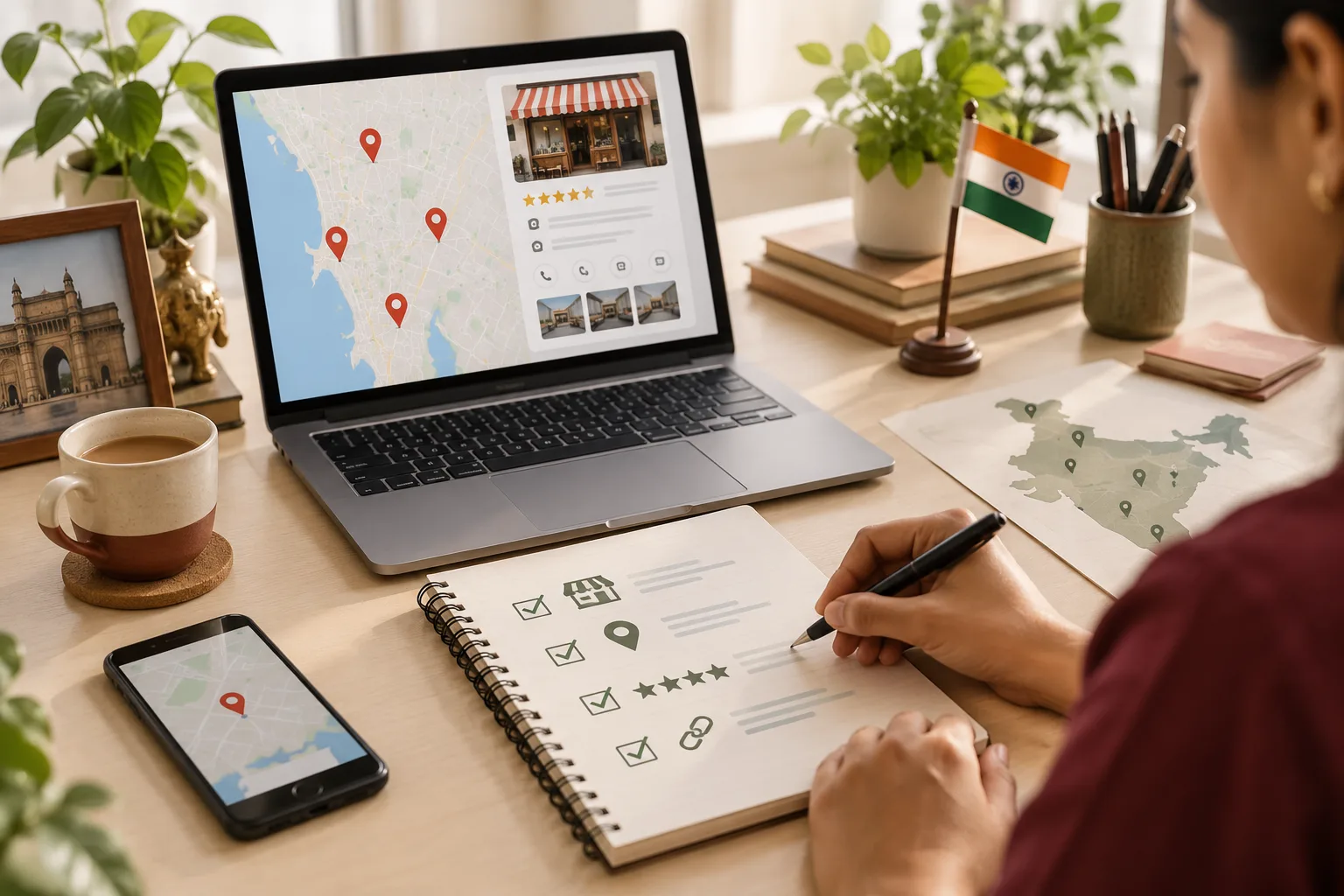
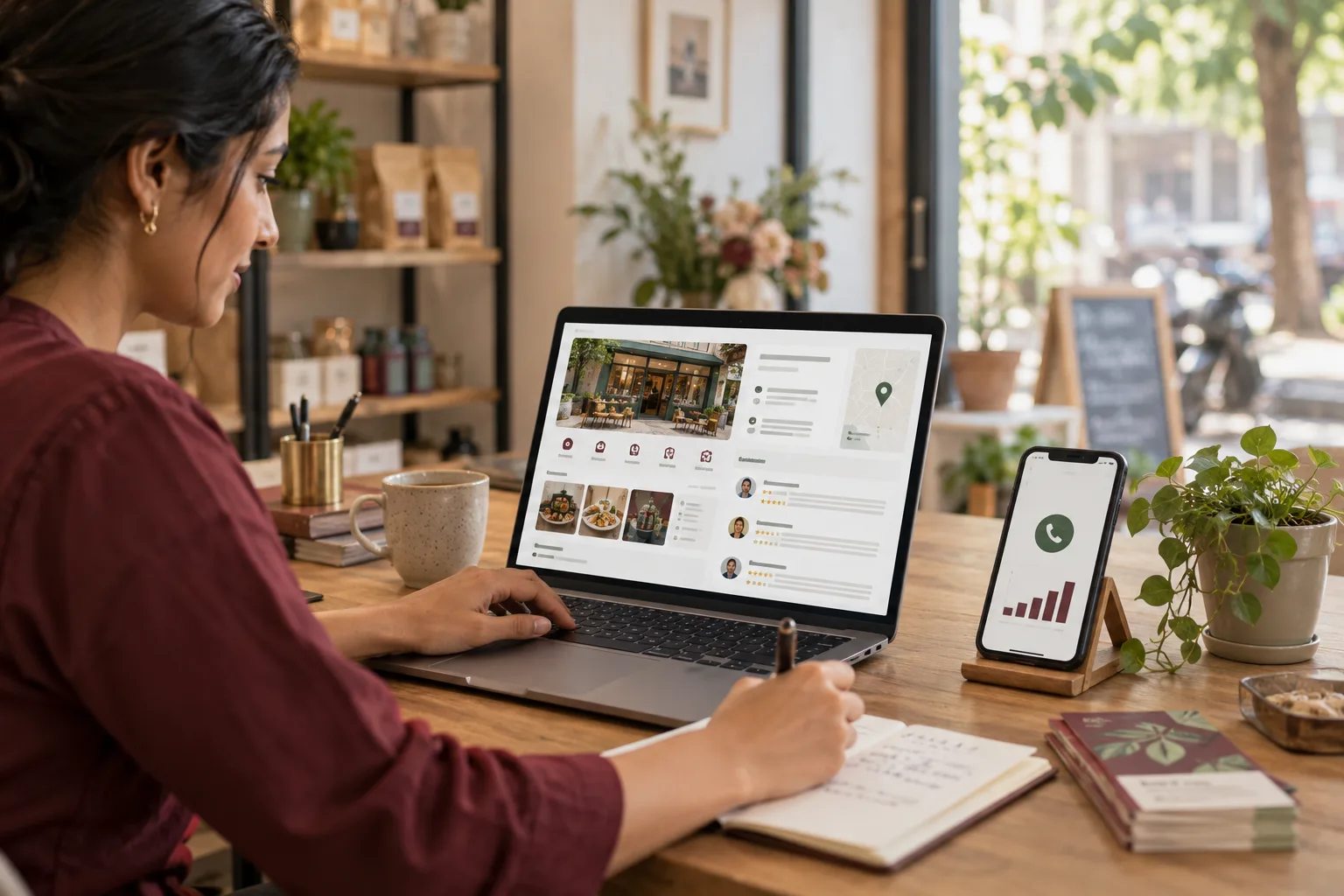
If your profile shows a name, a logo and a dark photo of the shutter, an owner searching for a particular food learns nothing from it. Work through this list on your Google Business Profile:
- Primary category set to pet supply store; add grooming or aquarium only if you offer them.
- The products section filled with every food you keep, by brand, variant and bag size, because owners search for the food's name.
- Shelf photos with readable brand names.
- The localities you deliver to, named one by one, matching the radius you can actually keep.
- A WhatsApp link to a number on the counter phone, with the hours someone answers it.
- An update whenever a hard-to-find variant is back.
- Every review answered: the good ones briefly, the bad ones with a name and a fix.
The food question: one call that keeps the customer
When a new customer orders, call or message them once, with their agreement, and ask:
- What is your pet's name, age and rough weight?
- What does she eat now, and how much a day?
- Is there anything the vet has asked you to avoid?
- Which floor, is there a lift, and when is someone home?
Write the answers down, in a notebook at first and a simple sheet once there are more than you can remember. The bag size and daily amount also date the next reminder, worked through in our note on pet food reorder reminders.
Question 4 is the one a shop answers better than anyone. An app's rider does not know that the lift in Block C is broken, or that the owner's mother is home only after four. Your delivery boy does, and the 15 kg bag arrives at the door rather than the security cabin.
A delivery radius you can keep
Draw the radius from your staff, not your ambition. It reaches as far as one person can go and come back without leaving the counter short at the evening rush. Name the localities inside it on your profile and your WhatsApp catalogue. Set an order cut-off for same-evening delivery and say it plainly. For the far edge, a minimum order is fair. Beyond it, say no politely and suggest the app. A promise kept in four localities does more for your reviews than a city-wide one broken twice a week.
For example: a pet shop in HSR Layout
Imagine a family-run pet shop in HSR Layout, Bengaluru, with a loyal walk-in base and almost no online orders. Its profile showed the shop front and a phone number. Orders on WhatsApp went to the owner's personal phone and got answered after closing. The shop said it delivered "anywhere in Bengaluru", which in practice meant late deliveries to Sarjapur Road and forgotten ones to Koramangala.
The shop had been trying to look big. It started looking local instead. The products section listed every food on the shelves by variant and bag size, and the photos showed those shelves. WhatsApp moved to a business number on the counter phone, delivery was cut to the localities named on the profile, and every new customer got the food question. The answers went into a notebook that later became a sheet.
Some months on, in this invented account, the orders are only a little more numerous, but they come from regulars. A woman asks for the same senior small-breed food her neighbour buys, and the owner already knows which floor she lives on. Anyone who wants it in twenty minutes still goes to the apps, and the shop has stopped minding that.
When this will not be enough
If your shop sells mainly the top brands' big bags and competes on price, a better profile will bring calls you lose at the price. If nobody can answer WhatsApp after seven, do not advertise evening delivery. In a smaller town where few people search, the apartment WhatsApp groups, the nearby vet and the groomer will send more owners than any profile. The grooming and boarding post shows how those neighbours refer to each other. Paid local ads come last.
Search for your own shelf
Stand outside the shop with your phone and search for the three foods you sell most, by name, the way an owner would. See who shows up. If it is not you, the products section and the shelf photos are the first job. Pet shops that also ship beyond the neighbourhood are covered under e-commerce sales and marketing. If you want the profile, the delivery area and the WhatsApp routine set up together, Google Business Profile management is the service, and tell us what you need is the first step.