Notes for owners · SEO, content and AI search
Local search for hospitality: the words guests type before they book
Guests search by place, occasion and dish or room type, not by your name. How to map those phrases to one property and put each on the right page or profile field.
The GullySales team · Updated 17 Oct 2026 · 5 min read
Rules for this trade differ by state and professional body, and they change. Check the current position with your own council or adviser before you act on anything here.

On this page
A guest in Hosapete does not type the name of your hotel. They type "stay near Hampi with parking" or "hotel near Hosapete station for early train". Local search for a hotel, restaurant or venue means finding those phrases, giving each one a page or a profile field that answers it, and keeping the facts identical everywhere. Start with the words, not the website.
Three ways guests search
Many hospitality searches fall into one of three groups. Which group a phrase belongs to tells you where its answer should live.
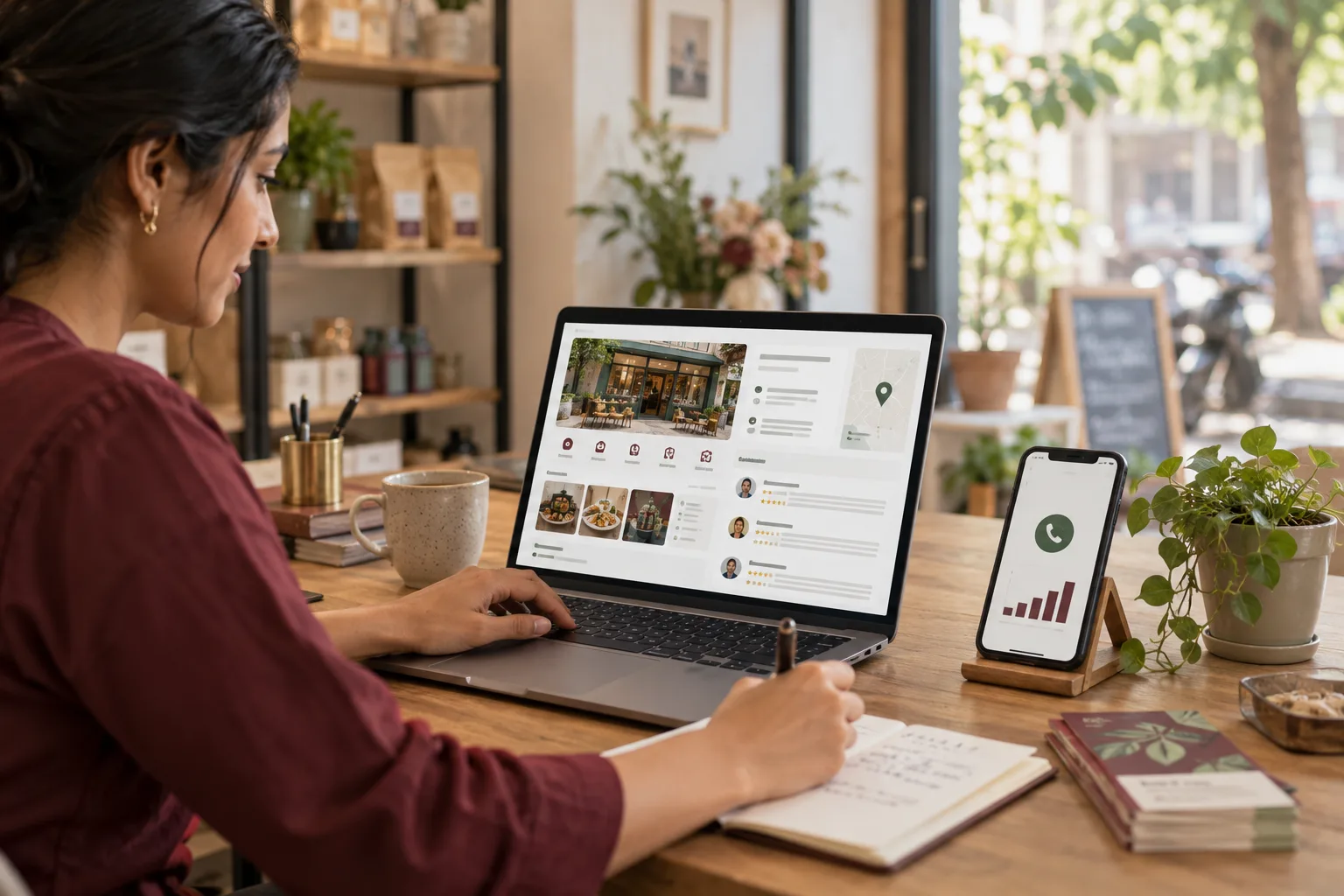
By place. "Hotel near the airport", "cafe in Indiranagar", "stay near the temple". The guest knows where they will be. Here the answer is a map result, so your Google Business Profile category, address, photos and reviews carry the weight.
By occasion. "Hall for 300 guests engagement", "birthday party venue with DJ", "farewell lunch for 40". The guest knows the event. These searches land on website pages, and one page per occasion beats one page for everything.
By thing on offer. "Pure veg thali", "sea-view room", "family room with extra bed", "turf for night cricket". The guest knows what they want to eat, sleep in or play on. These match menu items, room types and facility names, which many properties hide inside a PDF.
Build a keyword map for one property
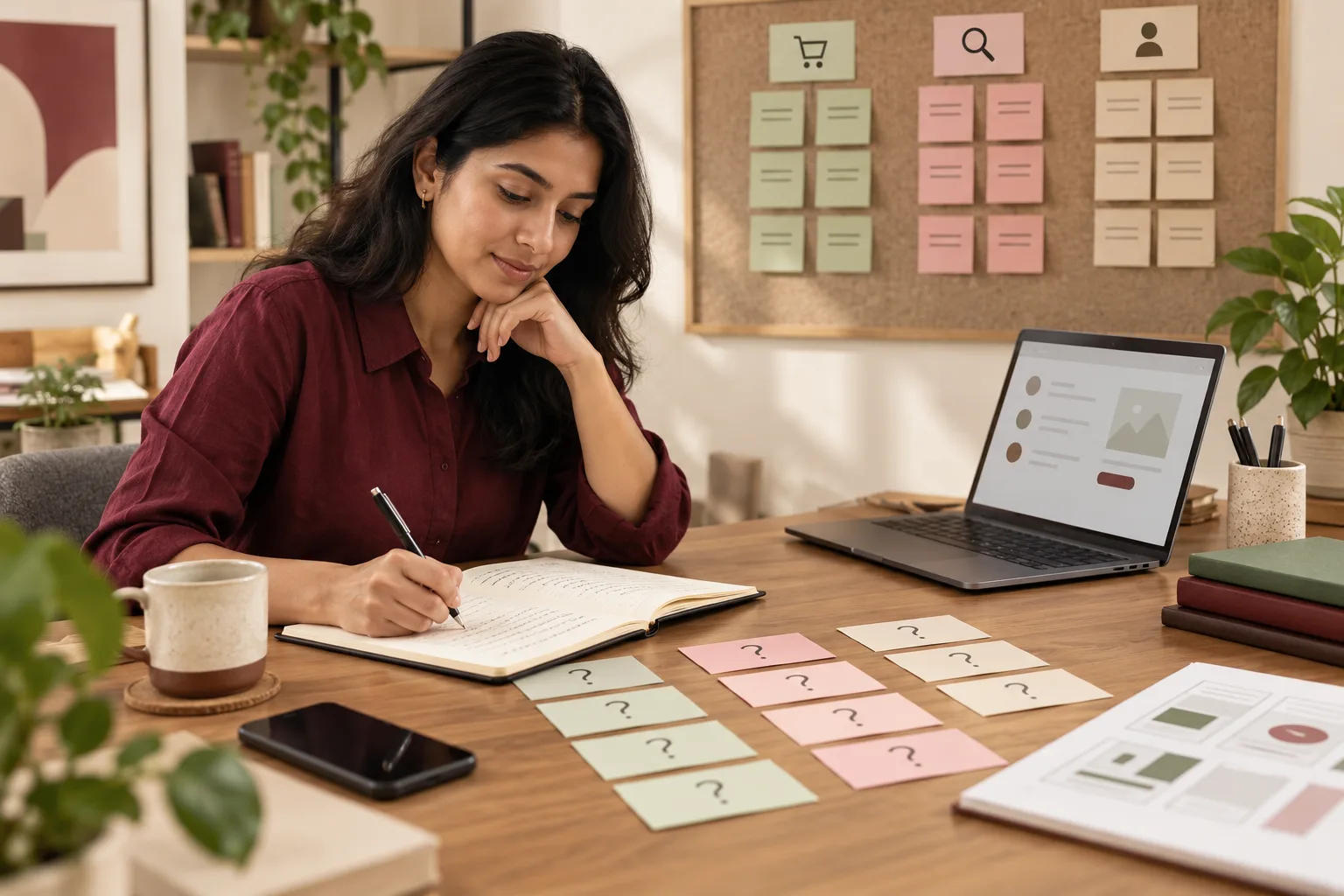
A keyword map is a sheet with three columns: the phrase, where it lives, and who checks it. Fill it from real sources, not guesses. Pull phrases from the calls and WhatsApp messages you already received, and from what the front desk hears all week. Then type the start of a phrase into Google and note the suggestions it offers.
Here is how a small hotel might fill it.
| Phrase a guest types | Where the answer lives |
|---|---|
| hotel near Hosapete railway station | Home page opening paragraph and the profile description |
| stay near Hampi with parking | A "Getting to Hampi" page naming the distance and the road |
| family room with extra bed | The family room page, with the bed arrangement in words |
| hall for wedding reception 300 guests | A separate hall page, not the room pages |
| breakfast included stay | Each room page and the profile "Services" list |
Eight to twelve rows are enough. If a phrase has no row for where its answer lives, you have found a gap. If two phrases point at the same page, check that the page really answers both.
Where each kind of phrase goes
Put the place phrases first. The Google Business Profile needs the right primary category: hotel, restaurant, banquet hall or cafe, not the broad "event venue" if you are really a hall. It also needs the correct opening hours, a description in plain words and photos tagged to rooms, food and exterior. For more on this housekeeping, see Google Business Profile management.
For occasion and thing-on-offer phrases, give each its own page on the website. A banquet hall that lists "weddings, receptions, engagements, birthdays, corporate events" in one sentence on the home page has one chance. A hall with a short page for engagements has its own: capacity, stage size, parking for how many cars and the caterer arrangement. Write five such pages and the hall has five chances. Leave out an occasion you do not want to host, so you are not found for it.
Use the guest's word, not the industry's. People say "function hall", "party hall" or "marriage hall" in different towns. Check which one your own enquiries use and copy it. For the basics, see the local SEO checklist for businesses in India.
What not to do
Do not write "near me" into headings. It reads oddly.
Do not create a page for every neighbourhood you could conceivably serve. If guests do not come from there, the page is thin and search engines may treat it that way. Write a page for a place only when you can say something true about the route, the time it takes and why a guest from there would choose you.
Do not hide the menu or tariff in an image. A search engine may not read a photographed menu, and a guest on a slow phone may not wait for it to load. Type it as text and link the photo as a supplement. Other hospitality trades are under hospitality sales and marketing.
For example: a twelve-room hotel in Hosapete
This is an invented case. A twelve-room hotel gets most of its calls from people visiting Hampi. Its home page opens with "A comfortable hotel in the heart of the city", which names no place a guest would type. The profile category is "lodging". Its tariff sits in a photograph.
No new design is needed, only new words. The opening line names the station, the bus stand and the distance to Hampi. The category becomes "hotel". A "Getting to Hampi" page says how long the drive takes in the morning and when the gates open, and the tariff is typed as a table. The family room gets its own page, with the bed arrangement described in words.
After a few weeks the owner opens the profile insights and compares the phrases guests used with the map sheet. Calls from Hampi visitors rise a little, but the family room page draws few views, so the owner moves its answer nearer the top and renames its heading.
This works when guests choose by place. It does less for a property that depends on a corporate contract, where the buyer never searches at all.
Check the sheet against the phone
Pick one afternoon, take the sheet and search each phrase on a phone while standing outside your own property. Note where you appear, whether the map pin is right and whether the first line shown is one you wrote. Anything you cannot find, fix first.
If you would like help mapping the phrases and building the pages, local SEO is the service, and tell us what you need is where we start.
Related services