Used two-wheeler dealers · CRM
Keep every buyer, bike and promise in one place, not in five phones.
A CRM for a used two-wheeler dealer is a record of each buyer, the bikes they asked about, what was promised and what happens next. GullySales works on choosing a simple tool, setting its fields and getting the counter staff to use it.
Scope, fee, reporting and term are agreed in writing after we have read your brief and spoken to you.
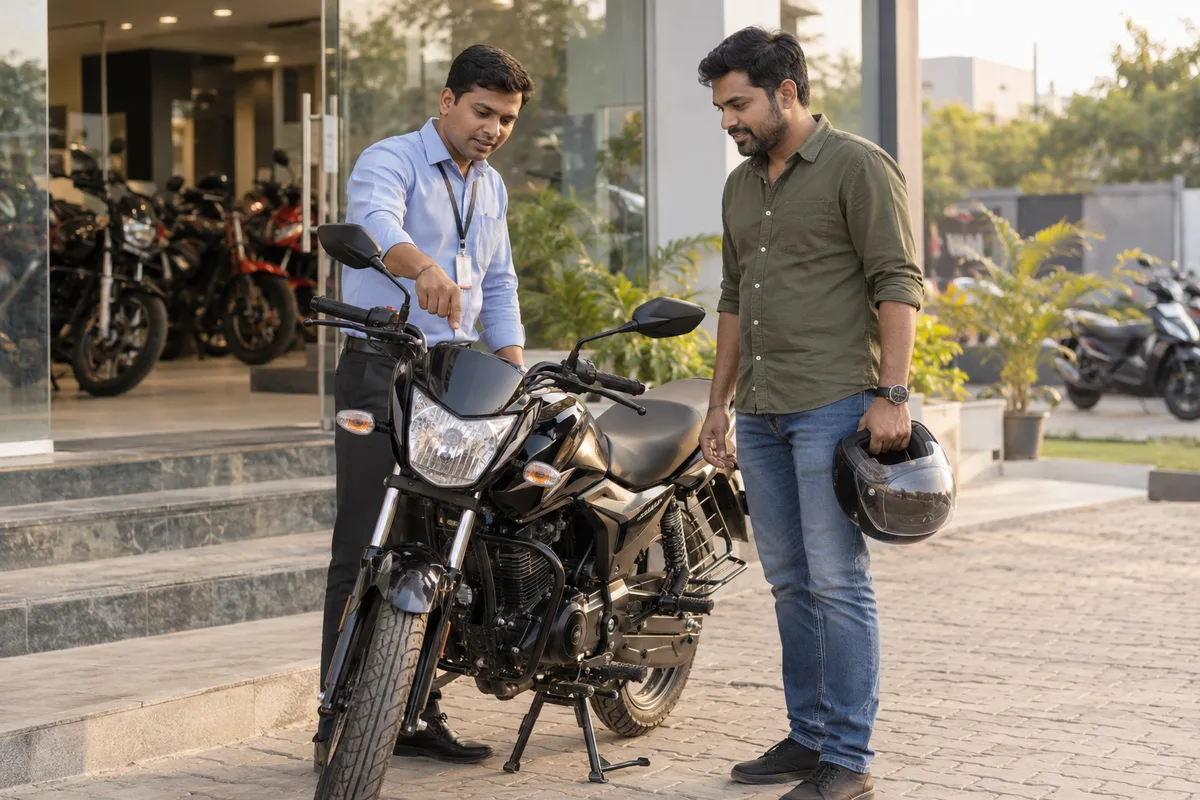
What CRM means
A CRM is the record where every enquiry, call and quote is kept against a customer, replacing separate notebooks, spreadsheets and memory. GullySales sets up or cleans an existing CRM and reports from it by enquiry outcome rather than by activity logged.
Also for used two-wheeler dealers
- Lead generation for used two-wheeler dealers
- Follow-up systems for used two-wheeler dealers
- SEO for used two-wheeler dealers
- Local SEO for used two-wheeler dealers
- Social media marketing for used two-wheeler dealers
- Content marketing for used two-wheeler dealers
- Buyer personas for used two-wheeler dealers
- WhatsApp marketing for used two-wheeler dealers
Sales and marketing for used two-wheeler dealers, the overview.
Last updated 14 Nov 2026.
For used two-wheeler dealers
Where it usually goes wrong, and what we would do.
“Enquiries live in personal phones”
The owner has some messages, the salesperson has others and the mechanic fielded a call. When one person is away, nobody knows what was said. A shared record turns a scattered set of chats into one history.
“The bike matters as much as the buyer”
A normal sales CRM tracks the customer. A bike dealer must also track the stock: which bike each buyer asked about, which bike is on hold and which has sold. Fields for bike, price quoted and papers promised fit the trade.
“Promises about papers and repairs need a date”
"We will clear the NOC before delivery" and "we will change the tyre" are promises. Written in a record with a name and a date, they are kept. Left in memory, they become the source of the dispute in the first month.
“Past buyers are the cheapest next buyers”
A student who bought a scooter and a rider who bought a commuter may return for an upgrade or send a friend. Without a list that shows what they bought and when, nobody remembers to call.
What we do
What we deliver for used two-wheeler dealers.
The work available for this need. We agree the deliverables and responsibilities for your engagement in writing.
A simple tool chosen to match the team
A spreadsheet, a shared WhatsApp Business setup or a lightweight CRM, picked for the number of people who use it and how comfortable they are.
Result: A tool that the whole counter actually opens.
Fields built for bikes
Buyer, phone, bike asked about, source, budget, finance or cash, visit date, status and promises made.
Result: A record that captures what a bike sale needs.
Stages from enquiry to delivery
A short list of stages: enquiry, visit booked, test ride, price agreed, papers in progress, delivered.
Result: Every buyer sits at one clear stage.
A promise log
A column or sheet for commitments on papers, repairs and warranty, each with an owner and a date.
Result: Open promises are listed in one place.
A past-buyer list
Everyone who bought from you, with the bike, date and any service call, kept ready for reminders and referrals.
Result: A list you can message when relevant stock arrives.
How the result is measured
- Enquiries logged in the CRM
- Data completeness
- Reports generated from CRM data
Recorded as a baseline before work starts, so every later report has an honest comparison.
Fields worth keeping
A used bike record holds the buyer, the bike and the promise, with a date against each promise.
- Bike enquired about, by stock number
- Chosen by the person who takes the enquiry. It joins the buyer to a bike in the yard and shows which bikes draw interest.
- Buyer name, number and preferred language
- Filled at the first contact. The language lets the callback be made in the one the buyer speaks at home.
- Budget and how the buyer plans to pay
- Cash, finance or exchange. It tells the counter which paperwork to prepare before the visit.
- Promise made and its date
- A repair, a paper, a price hold. Written by the person who promised, it is the line the daily list checks.
- Bike sold and papers handed over
- Ticked by the person who delivers, with the date. It turns a record into a past-buyer entry.
- Consent to messages about new stock
- Asked at handover with the buyer present. Without a yes, the past-buyer list stays quiet.
Who it is for
This is written for these used two-wheeler dealers.
- Roadside and market-area multi-brand used bike dealers
- Showroom exchange counters of authorised two-wheeler dealers
- Premium used bike sellers for performance and cruiser motorcycles
- Used scooter specialists serving women and older riders
- Dealers who supply used bikes to delivery riders and gig workers
- Refurbished bike chains with several outlets
- Brokers who sell on consignment without holding stock
- Rural and semi-urban used bike dealers serving farm families
Before you decide
When this may not be the right fit.
- The staff keep buyers on their personal phones, so the dealer would have the tool but not the numbers
- The yard has one person, who cannot stop to fill a record at the counter, so begin with a paper sheet at the desk
Before you decide
Agree the work. Know how to judge it.
CRM for used two-wheeler dealers: use these checks to prepare, choose the scope, and review what changes.
Bring the right evidence
List the records your team uses and show how an enquiry becomes an order today. Bring examples of duplicate entries, missing owners, and reports that require manual correction.
Make the scope clear
Agree the stages, required fields, access roles, and integrations before configuring the system. Separate software subscriptions from setup, data work, and training.
Check the work in use
Ask the people who will use the CRM to complete a real handover and find the next action without help. Check that the management report can be traced back to individual records.
Know when to change course
If the process is unclear, buying a more complex CRM adds more places for confusion. Start with the minimum fields and rules the team can use consistently.
These are discussion points, not a fixed package. GullySales confirms the deliverables, responsibilities, fee, and term in writing after reading your brief and speaking with you.
Before we start
What to have ready before the work starts.
The records, access and decisions this work needs from used two-wheeler dealers. Anything missing is noted in the written scope, with who will supply it.
- Phones with enquiries on them, shared
- Staff phones hold the chats and call logs that the record needs. Each person must agree to copy open enquiries into the tool. If a phone holds enquiries that nobody will share, those buyers are lost to the record and the history starts without them.
- A list of bikes in stock with status
- Every bike with its model, price and status, such as ready, in workshop or sold. This links the buyer to the bike. Without a stock list the record becomes a list of names, and the main advantage of tracking by bike is lost.
- A decision on who owns the record
- One person must be responsible for keeping it clean, and they need time to do it. Say who. If every person owns it, nobody does, and entries drift within the first busy week of sales.
- Past buyers' names, bikes and consent
- Bring the bill book or sale register showing earlier buyers and what they bought. Mark those who agreed to be messaged. Without consent notes we hold the list but do not use it, and the cheapest source of next buyers sits idle.
- A list of promises currently outstanding
- Write down every repair, document or transfer you have promised and not yet delivered. These go in first. If the log starts empty while promises sit in memory, the log is distrusted by the staff from day one.
How it works
How the CRM work runs
The work itself, in order. How an engagement starts, from your brief to a written scope, is set out on our method page.
- 1
Trace one bike from first message to delivery
We pick a bike that sold recently and trace its path: the first enquiry, the calls, the visit, the test ride, the price talk, the papers and delivery. You and the counter staff tell us where each step was written down and where it lived only in a head. This shows the stages the record must hold.
- 2
Choose the tool your team will open
We compare two or three simple tools against the phones your staff already use. You decide on the one that fits the habit of the person at the counter. A spreadsheet may be the right start. We pick the one that is cheapest to keep up and hardest to abandon.
- 3
Set the fields around the bike
The record carries the bike's model, year, kilometres, price and papers status, the buyer's name, budget and source, and the next step. You remove fields staff will not fill. We name each stage in the dealer's words, such as enquiry, visited, test ridden and booked.
- 4
Load the open enquiries and the past buyers
We move the current enquiries and a list of past buyers into the tool. You supply them from phones and books, and staff check their own entries. Past buyers carry a note on whether they agreed to be contacted, so none are messaged without consent.
- 5
Add the promise log and trial it
A promise log records what was agreed, such as a repair before delivery or a pending transfer, with the date it falls due. Staff use the whole record for a trial period of real enquiries. You watch for fields they skip and we trim the tool to fit. We also check whether the promise dates show up on the day they fall due, since a log nobody reads is no better than memory.
- 6
Read the record against the first count
We compare the record's figures with the starting count: enquiries, visits, bookings and sales per source. You tell us whether the numbers match your sense of the yard. We then decide which stage loses the largest number of buyers and what to change in the routine.
Where this fits
Three pieces of sales work, in this order.
This work sits inside sales management. A target, a review routine and someone who owns the number.
Step 1
Sales audit
Find where deals are being lost and what to fix first.
Start here if you cannot say where orders are lost.
Step 2
Sales process design
One written way to sell, from first enquiry to repeat order.
Start here if every salesperson sells differently.
Step 3 · you are here
Sales management
A target, a review routine and someone who owns the number.
Start here if the team has targets and no routine.
FAQ
Questions owners ask before they call.
Not here? More answers, or ask on WhatsApp.
Is a spreadsheet good enough?
What keeps the counter staff filling it in?
What about customer privacy?
What happens to the record when a bike is sold?
How do we stop staff keeping a private list on their own phone?
Can the record connect to the marketplace inbox?
How much does it cost?
How long is the contract?
How soon will we see results?
Who will actually do the work?
More for used two-wheeler dealers
Related work to consider.
Closest to this: leads and follow-up
Also for used two-wheeler dealers
Or start from the overview: sales and marketing for used two-wheeler dealers.
Your next practical step
Tell us what you are trying to grow, and we will read it before we call.
Eight short steps, mostly taps. Skip anything you would rather answer on the call.