Used two-wheeler dealers · Lead generation
Bring in buyers who ask about a particular bike, not those who only scroll.
Lead generation for a used two-wheeler dealer means getting a named buyer to message about a named bike with a budget in mind. GullySales works on the sources that send those buyers, the first reply they receive and the record of where each one came from.
Scope, fee, reporting and term are agreed in writing after we have read your brief and spoken to you.
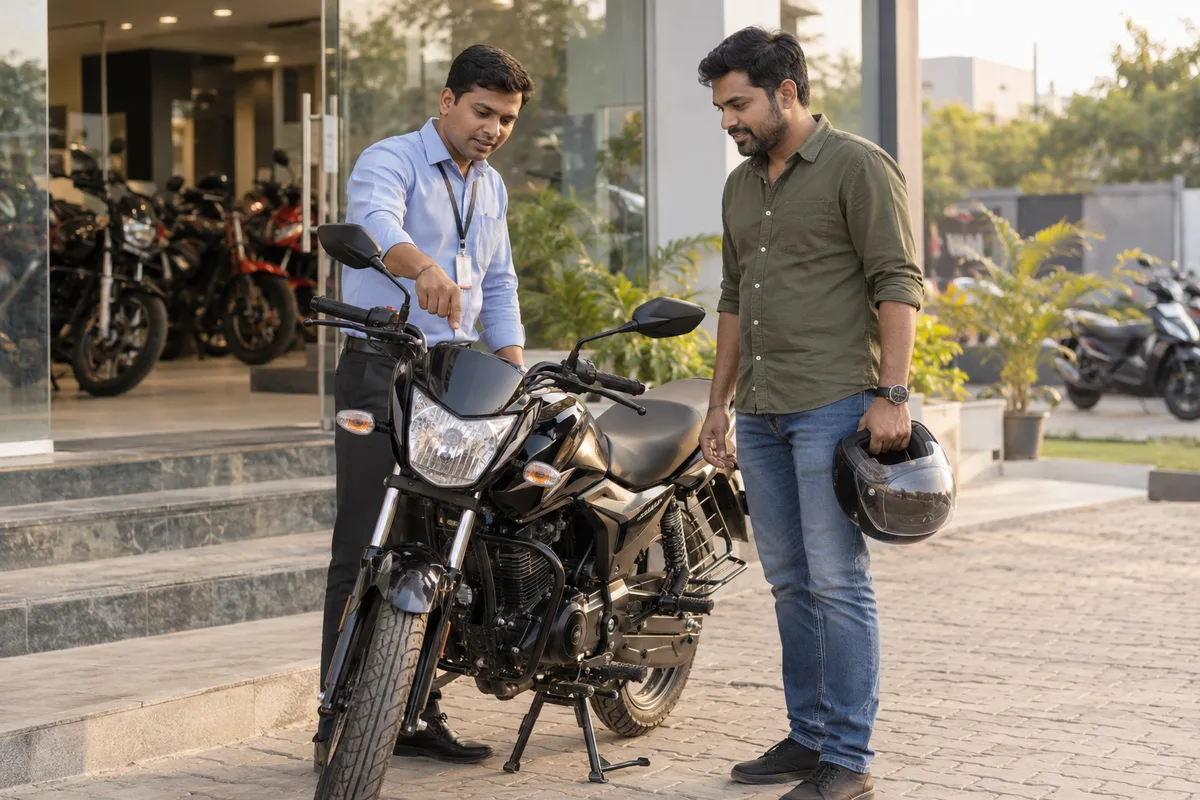
What lead generation means
Lead generation is the combined work of every channel that brings in a new enquiry, whether from search, adverts, referrals or a stall at an exhibition. GullySales runs these channels together and reports the number of enquiries each one produced, not the activity behind it.
Also for used two-wheeler dealers
- CRM for used two-wheeler dealers
- Follow-up systems for used two-wheeler dealers
- SEO for used two-wheeler dealers
- Local SEO for used two-wheeler dealers
- Social media marketing for used two-wheeler dealers
- Content marketing for used two-wheeler dealers
- Buyer personas for used two-wheeler dealers
- WhatsApp marketing for used two-wheeler dealers
Sales and marketing for used two-wheeler dealers, the overview.
Plan the next part of the work
Last updated 21 Nov 2026.
For used two-wheeler dealers
Where it usually goes wrong, and what we would do.
“A lead here is a message about one bike”
The buyer writes "Is the black Splendor still there?" and nothing more. That single line is the lead. It arrives from a marketplace listing, a reel or a Google profile, and it needs a reply that names the bike, the price and the visiting hours.
“The yard holds stock, and the enquiries follow the stock”
A dealer with a clean Activa and a worn Pulsar gets a stream of questions about the Activa and silence on the Pulsar. Lead generation therefore starts with deciding which bikes deserve photographs, video and a push this month, and which need a price change.
“Sources behave differently”
A marketplace buyer compares six sellers in one sitting. A reel viewer is browsing and may come back after a fortnight. A walk-in has already decided on the area. Each source needs its own reply and its own note in the register, or the dealer pays for the wrong one.
“Referrals sit unused”
A mechanic, a tyre shop and a finance agent each meet people who want a bike. Without a name, a stock list and an agreed fee written down in advance, those introductions go to whichever dealer is easiest to reach.
What we do
What we deliver for used two-wheeler dealers.
The work available for this need. We agree the deliverables and responsibilities for your engagement in writing.
A bike-wise enquiry register
One line per enquiry: bike, source, budget, finance or cash, visit booked. Kept in a shared sheet the whole counter can see.
Result: You can tell which bike drew which enquiry.
A fixed listing set for every bike
Six photographs, a start-up video, kilometres, owner count and the RC shown, repeated for each bike so the listing reads as complete.
Result: Every bike on sale has the same set of listing material.
Reel ideas built on stock, not trends
A short plan of walk-around videos for the bikes you are keenest to move, with price band and papers spoken aloud.
Result: A list of bikes with a video planned or posted against each.
Source tags on every first reply
A different opening line for marketplace, reel and profile messages, so the register shows where each buyer arrived from.
Result: Each enquiry carries a source you can count.
A referral note for mechanics and finance agents
A one-page stock list and a written fee arrangement given to the nearby people who meet intending buyers.
Result: Each referrer holds the current list and knows the terms.
How the result is measured
- Relevant enquiries by source
- Duplicate and unsuitable enquiries
- Time to the first response
- Accepted enquiries reaching an agreed next step
Recorded as a baseline before work starts, so every later report has an honest comparison.
What to capture or send
A used bike lead is a message about one bike, so the register keeps the bike beside the buyer.
- Bike enquired about, by stock number
- Entered at the first message. It ties the buyer to a bike in the yard and shows which bikes draw the most interest.
- Budget as the buyer states it
- A student gives a ceiling and a delivery rider gives a daily-use need. Write the figure the buyer says, so the next suggestion fits.
- Source of the first message
- Marketplace, map call, reel, mechanic or finance agent, or walk-in. A single word, set against bikes sold, shows where to put the next hour.
- Papers or finance asked about first
- A buyer who asks about papers first is checking trust; one who asks about finance is checking budget. Note which, so the callback begins in the right place.
- Visit date promised
- The day and time the buyer said, written by the person who replied. It is the line the callback list reads from.
- Mechanic or agent who sent the buyer
- Name the referrer on the sheet. It shows whom to thank and whom to show the bikes you have newly bought.
Who it is for
This is written for these used two-wheeler dealers.
- Roadside and market-area multi-brand used bike dealers
- Showroom exchange counters of authorised two-wheeler dealers
- Premium used bike sellers for performance and cruiser motorcycles
- Used scooter specialists serving women and older riders
- Dealers who supply used bikes to delivery riders and gig workers
- Refurbished bike chains with several outlets
- Brokers who sell on consignment without holding stock
- Rural and semi-urban used bike dealers serving farm families
Before you decide
When this may not be the right fit.
- Messages arrive at night and are answered the next afternoon, so more leads would reach a reply that comes too late to count
- You have no bike photographs of your own, so any new source would send buyers to a listing that looks like a rival's
Before you decide
Agree the work. Know how to judge it.
Lead generation for used two-wheeler dealers: use these checks to prepare, choose the scope, and review what changes.
Bring the right evidence
Define the organisations or buyers you can serve and the reasons they would consider a conversation. Bring examples of accepted and rejected prospects so the selection rule is visible.
Make the scope clear
Agree the research sources, contact approach, qualification rules, and handover. Clarify which meetings count as accepted and what happens to replies that are not ready to buy.
Check the work in use
Review why a prospect was selected and what was learned from the response. Count held, relevant conversations separately from contacts found, messages sent, or meetings booked.
Know when to change course
If the same objection appears repeatedly, adjust the offer or buyer group before increasing outreach. Respect a request to stop contact and keep the exclusion in the record.
These are discussion points, not a fixed package. GullySales confirms the deliverables, responsibilities, fee, and term in writing after reading your brief and speaking with you.
Before we start
What to have ready before the work starts.
The records, access and decisions this work needs from used two-wheeler dealers. Anything missing is noted in the written scope, with who will supply it.
- The last stretch of enquiries, as written down
- We need whatever record exists of recent buyer messages and calls, even a notebook page or screenshots of chats. It can be messy, because we sort it ourselves. Without it the start line is your memory alone, and the later comparison of sources has nothing firm to stand on.
- A sale list with the bike and buyer type
- Bring the list of bikes sold in the recent past with the model, the price band and the kind of buyer, such as student or delivery rider. A bill book is enough. It tells us which bikes the yard really sells, so the listings lead with those and not with the showpiece bike.
- A photo folder for the bikes in stock
- Each bike needs honest photographs in daylight, taken before the plan starts. Phone photos are fine if the bike is clean and the odometer is readable. Where photographs are missing, the listing for that bike waits, because a bike with poor pictures draws price queries and wastes the staff's replies.
- The name of the person who sends replies
- One named person must own the first reply during opening hours, and a second must cover their absence. Say who they are before the work begins. If nobody is named, the best-written reply still sits unread on a phone while the buyer messages the next yard.
- A decision on what the mechanic receives
- Only you can decide whether a mechanic or finance agent who introduces a buyer is thanked in cash, in kind or not at all. Settle it before the note goes out. Without a decision, we send the note with no offer, and introductions drift back to dealers who pay.
How it works
How the lead generation work runs
The work itself, in order. How an engagement starts, from your brief to a written scope, is set out on our method page.
- 1
Sit with the enquiry register and phones
We begin with whatever records a buyer's first message today: the notebook at the counter, the dealer's own phone, the staff phones and any marketplace inbox. You show us where an enquiry lands and who sees it first. We copy the last several weeks of enquiries into one sheet so each bike has its own row, and you tell us which rows turned into a visit or a sale.
- 2
Tag each enquiry to the place it came from
Next we mark every row with its source: a marketplace listing, a reel, the map profile, a signboard, a mechanic's word or a past buyer's introduction. You fill in the gaps from memory, since buyers say where they saw the bike when asked. The sheet then shows which sources send named buyers for named bikes and which send only price queries.
- 3
Fix the listing set for each bike
We agree what every bike must carry before it goes online: the front, side and rear photographs, the odometer, the registration page with the plate covered, the owner count and the price. You decide the order of the photographs and the asking price. We write the listing text from your bike sheet, and the same set goes to every source so a buyer sees one story.
- 4
Write the first reply and the two questions
A buyer's first message gets one fixed reply that confirms the bike is in the yard, gives the price, names the papers held and asks two things: the budget and when they can visit. You approve the wording and say who sends it. We save it on the phone so staff use the same text, and the answers are noted against the bike's row.
- 5
Brief the mechanic and the finance agent
The workshop mechanic and the finance agent hear about buyers before any advert does. We write a short note with the bikes in stock, the price band and who to send a buyer to, and you hand it over in person. You decide whether a thank-you gesture is offered. Each introduction is logged with the name of whoever made it.
- 6
Test with a dummy enquiry, then read the sheet
Before the sources go live, we send a test message to each channel and watch the reply reach the register. After a run of real enquiries we sit with you and read the sheet against the figures noted at the start: named-bike messages, visits booked, test rides and bikes sold. You then choose which source gets more stock photographs and which is dropped.
Where this fits
Three pieces of sales work, in this order.
This work sits inside sales process design, at stage 1, prospecting and lead generation. The audit comes before it, and sales management keeps it running.
Step 1
Sales audit
Find where deals are being lost and what to fix first.
Start here if you cannot say where orders are lost.
Step 2 · you are here
Sales process design
One written way to sell, from first enquiry to repeat order.
Start here if every salesperson sells differently.
Step 3
Sales management
A target, a review routine and someone who owns the number.
Start here if the team has targets and no routine.
FAQ
Questions owners ask before they call.
Not here? More answers, or ask on WhatsApp.
Where should a small dealer start?
When does paid advertising make sense for a bike yard?
What marks out a buyer who really means to buy?
A buyer asks for a bike we sold yesterday. What do we do?
Do we need a separate phone number for enquiries?
How much does it cost?
How long is the contract?
How soon will we see results?
Who will actually do the work?
What do you need from us?
More for used two-wheeler dealers
Related work to consider.
Closest to this: leads and follow-up
Also for used two-wheeler dealers
Or start from the overview: sales and marketing for used two-wheeler dealers.
Your next practical step
Tell us what you are trying to grow, and we will read it before we call.
Eight short steps, mostly taps. Skip anything you would rather answer on the call.