Used two-wheeler dealers · Buyer persona
Know who is buying the bike, who is paying, and who decides.
A buyer persona for a used two-wheeler dealer is a written description of a type of buyer: what they ride, what they can spend and what they fear. GullySales works with you on building those descriptions from your own sales records and counter conversations.
Scope, fee, reporting and term are agreed in writing after we have read your brief and spoken to you.
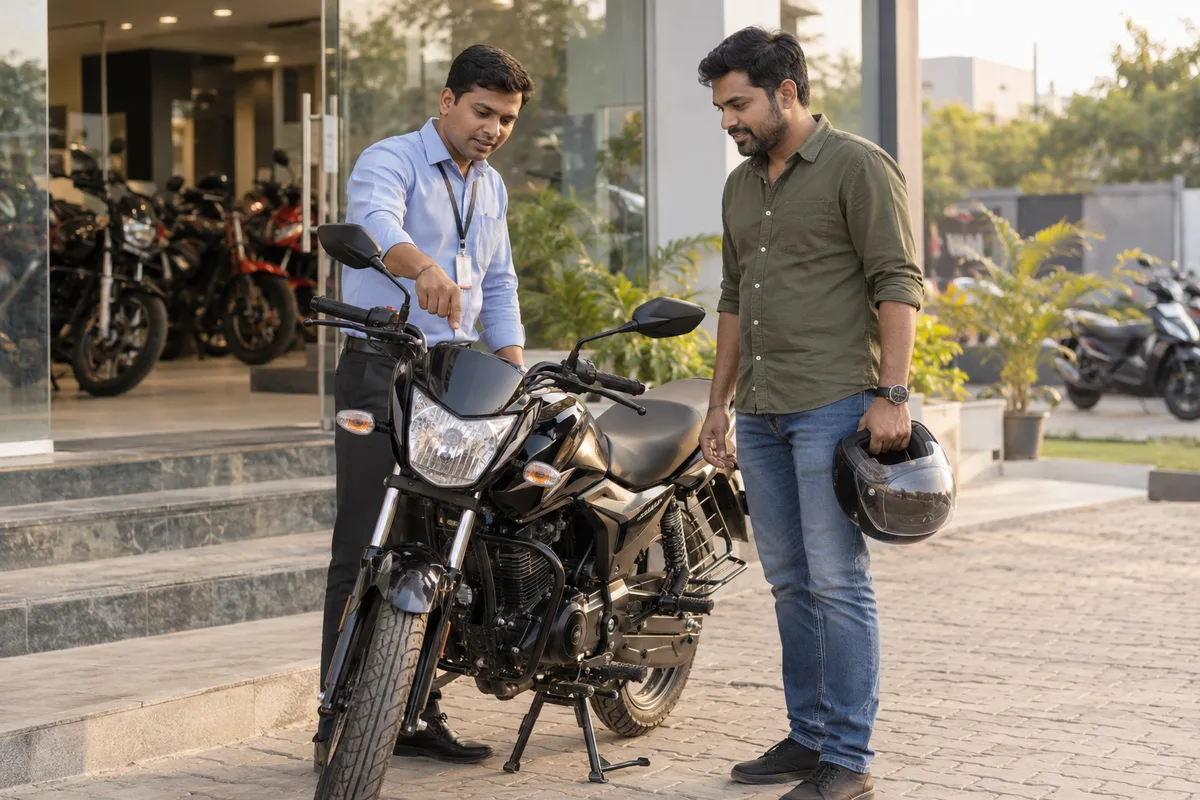
What buyer persona means
A buyer persona is a plain description of the kind of customer who actually buys from you. It includes what they search, what worries them and who else they ask before deciding. GullySales builds this from real enquiries and past sales rather than a generic template, then uses it to write every page and advert.
Also for used two-wheeler dealers
- Digital marketing for used two-wheeler dealers
- Lead generation for used two-wheeler dealers
- SEO for used two-wheeler dealers
- Local SEO for used two-wheeler dealers
- Social media marketing for used two-wheeler dealers
- Content marketing for used two-wheeler dealers
- CRM for used two-wheeler dealers
- Follow-up systems for used two-wheeler dealers
Sales and marketing for used two-wheeler dealers, the overview.
Last updated 14 Nov 2026.
For used two-wheeler dealers
Where it usually goes wrong, and what we would do.
“The student has a ceiling and a family behind it”
The student sets a budget agreed with parents, wants something fuel-efficient and cares about looks. The parent worries about safety and papers. A message that speaks to both gets a visit; one that speaks only to the student stalls.
“The delivery rider counts uptime”
A rider earns when the bike runs. Mileage, spare parts cost and nearby repair matter more than looks. The persona buys for the next the coming years of everyday work, and wants a dealer who will still be around.
“The family buyer wants a scooter that is easy to ride”
A household buying a second vehicle for school drops, errands or an older rider prefers a gearless scooter with a comfortable seat. The decision is shared, made on a Sunday with everyone present.
“The enthusiast reads specifications and doubts the seller”
A buyer looking for a performance or cruiser motorcycle knows the model, checks service records and negotiates hard. Photographs of the engine, original parts and honest notes on modifications earn this buyer's trust.
What we do
What we deliver for used two-wheeler dealers.
The work available for this need. We agree the deliverables and responsibilities for your engagement in writing.
Four to five persona sheets
One page each for the student, the rider, the family, the first-job commuter and the enthusiast, in your own words.
Result: A sheet per buyer type that the counter staff can read.
A budget and bike-type grid
Price bands paired with the models that sell in each, taken from your past sales.
Result: A grid that shows what each type buys.
Objections and replies
The worries each persona raises, with the plain answer or document that settles it.
Result: A list of objections with an answer ready for each.
Message and photo style per persona
How listings, reels and replies should differ for each buyer type, including language and tone.
Result: Sample posts and replies marked by persona.
A tagging habit in the register
A column recording which persona each enquiry fits, reviewed against sales.
Result: You can count sales by buyer type.
How the result is measured
- Enquiry match to persona
- Conversion rate by persona
- Content aligned to persona
Recorded as a baseline before work starts, so every later report has an honest comparison.
Who is asking
Five kinds of buyer come to a used bike yard, and each fears something different.
- Student with a ceiling set by the family
- Wants a bike that starts every morning and fits a fixed budget. Show two or three bikes in range and the papers for each.
- Delivery rider who counts uptime
- Asks how soon the bike can be on the road and what common repairs cost. Show the service record and the bikes already ready.
- Family buyer for a scooter
- Wants one that is light and easy to ride, bought for a mother or a daughter. Let the rider try it and explain the controls.
- Enthusiast who reads specifications
- Doubts the seller and checks every detail. Show the year, the owner count, the service history and photographs of the engine.
- Buyer who needs finance
- Asks the monthly amount before the price. Explain who the lenders are and what papers the buyer must bring.
Who it is for
This is written for these used two-wheeler dealers.
- Roadside and market-area multi-brand used bike dealers
- Showroom exchange counters of authorised two-wheeler dealers
- Premium used bike sellers for performance and cruiser motorcycles
- Used scooter specialists serving women and older riders
- Dealers who supply used bikes to delivery riders and gig workers
- Refurbished bike chains with several outlets
- Brokers who sell on consignment without holding stock
- Rural and semi-urban used bike dealers serving farm families
Before you decide
When this may not be the right fit.
- You have few sales on record, so the personas would be guesses about buyers you have not served
- You want to write personas for an area you do not trade in, which your own records cannot support
Before you decide
Agree the work. Know how to judge it.
Buyer personas for used two-wheeler dealers: use these checks to prepare, choose the scope, and review what changes.
Bring the right evidence
Write the decision the research must support, such as entering a market or choosing a buyer group. Separate what you know from sales records from what the team currently assumes.
Make the scope clear
Agree which buyers to speak to, which sources to review, and what access you can provide. Include lost enquiries and people who chose another supplier, where they are willing to take part.
Check the work in use
Look for source dates, sample limitations, and evidence that disagrees with the preferred answer. A recommendation should show how it follows from the findings.
Know when to change course
Do not treat a few positive conversations as proof of demand. Test the proposed offer with an actual buying decision before committing to a wider launch.
These are discussion points, not a fixed package. GullySales confirms the deliverables, responsibilities, fee, and term in writing after reading your brief and speaking with you.
Before we start
What to have ready before the work starts.
The records, access and decisions this work needs from used two-wheeler dealers. Anything missing is noted in the written scope, with who will supply it.
- The sale register with the bike and price
- A list of past sales with the bike, the sale price band and the date. Photographs of a bill book are enough. It lets us tie each buyer type to what they actually bought, and without it the personas rest on opinion alone.
- Two staff for an interview
- Bring the staff who handle walk-ins and calls, not only the owner. Their time is needed in one sitting. If only the owner takes part, the sheets reflect how the owner sees the buyer and miss the questions that staff hear at the counter.
- A sample of chats with names removed
- Select chats from the last sales season, remove names and numbers, and share them. This shows the real first message from each kind of buyer. If you cannot share chats, we rely on interviews only, and the opening replies will be less exact. Chats with a delivery rider or a parent are of greatest use, so include a few of each if you can.
- Bikes you want to sell more of
- Tell us which bikes sit longest or earn the best margin. This steers which persona sheets carry the greatest weight. Without this decision, we weight the sheets by sales volume, which may favour the cheapest buyer over the one you want. Say also which models are currently hard to source, since a persona for a bike you cannot restock is a poor use of the counter's attention.
- A rule on buyer privacy
- Decide what a buyer's details may be used for and what is never recorded. State it in a line the staff can repeat. Without a rule, we use only what a buyer volunteers in a message and keep the tags free of personal facts.
How it works
How the buyer persona work runs
The work itself, in order. How an engagement starts, from your brief to a written scope, is set out on our method page.
- 1
Pick the buyer types from the sale register
We start with the sale register and ask you to mark each sale by the type of buyer: student, delivery rider, family, enthusiast, farm family. You may add types we missed. From this we choose four or five buyers to describe, those who bring the yard the largest share of its sales and those you want more of.
- 2
Sit with the staff who handle each buyer
The staff at the counter remember what each buyer asked, how they bargained and what stopped a sale. We interview them, one buyer type at a time, and ask for real cases without names. Their accounts give us the wording buyers use and the worry behind each question.
- 3
Read a sample of the saved chats
With your permission, we read a sample of WhatsApp chats and call notes for each type, with names removed. We look for what comes up first, what makes a buyer go quiet and what makes them book a visit. You tell us which chats are typical and which are exceptions.
- 4
Build the budget and bike grid
We draw a grid of what each buyer type can spend against the bikes you hold in that band. You correct it with what the yard really sells. The grid shows where stock is thin for a buyer type that keeps asking.
- 5
Write the persona sheets and the replies
Each sheet states who the buyer is, who else decides, the worry about the bike and papers, and the reply that works. We write objections and answers in your voice. You read them aloud at the counter, and anything that sounds unnatural is rewritten.
- 6
Start tagging and review after a run of sales
From now on each enquiry in the register carries a persona tag. After a run of sales we count enquiries and visits by persona and compare with the starting register. You decide whether a sheet needs changing or a new buyer type has appeared.
Where this fits
Three pieces of sales work, in this order.
This work sits inside sales process design, at stage 0, foundation. The audit comes before it, and sales management keeps it running.
Step 1
Sales audit
Find where deals are being lost and what to fix first.
Start here if you cannot say where orders are lost.
Step 2 · you are here
Sales process design
One written way to sell, from first enquiry to repeat order.
Start here if every salesperson sells differently.
Step 3
Sales management
A target, a review routine and someone who owns the number.
Start here if the team has targets and no routine.
FAQ
Questions owners ask before they call.
Not here? More answers, or ask on WhatsApp.
Where do the personas come from?
What separates a persona from a buyer segment?
How often should personas change?
Do the personas change what we put in a photograph?
Do the personas replace how my staff talk to buyers?
What if the yard sells to buyers we have not described?
How much does it cost?
How long is the contract?
How soon will we see results?
Who will actually do the work?
More for used two-wheeler dealers
Related work to consider.
Closest to this: strategy and research
Also for used two-wheeler dealers
Or start from the overview: sales and marketing for used two-wheeler dealers.
Your next practical step
Tell us what you are trying to grow, and we will read it before we call.
Eight short steps, mostly taps. Skip anything you would rather answer on the call.