Used two-wheeler dealers · Digital marketing
Put your stock where buyers look, then measure which place sends the visit.
Digital marketing for a used two-wheeler dealer joins the listings, the profile, reels, WhatsApp and paid adverts into one plan around the bikes in the yard. GullySales works on which channels earn a place, how they connect and how the results are read.
Scope, fee, reporting and term are agreed in writing after we have read your brief and spoken to you.
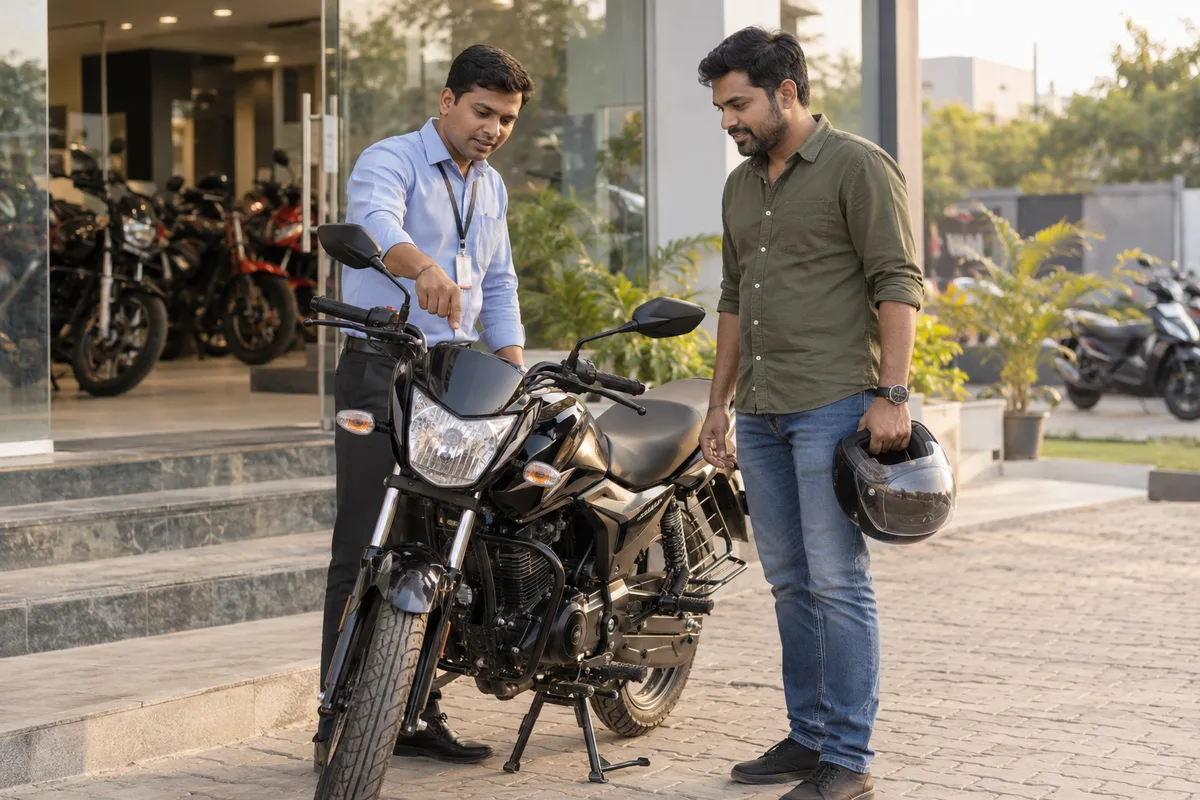
What digital marketing means
Digital marketing is the combined work of search, social media, advertising and website channels running together rather than as separate projects with separate people. GullySales runs these as one connected system so a change in one channel, such as a new offer, is reflected everywhere at once.
Also for used two-wheeler dealers
- Buyer personas for used two-wheeler dealers
- Lead generation for used two-wheeler dealers
- SEO for used two-wheeler dealers
- Local SEO for used two-wheeler dealers
- Social media marketing for used two-wheeler dealers
- Content marketing for used two-wheeler dealers
- CRM for used two-wheeler dealers
- Follow-up systems for used two-wheeler dealers
Sales and marketing for used two-wheeler dealers, the overview.
Last updated 14 Nov 2026.
For used two-wheeler dealers
Where it usually goes wrong, and what we would do.
“Channels do different jobs”
Marketplaces catch ready buyers. Reels create interest in a bike. A map profile helps the nearby searcher, and WhatsApp closes the conversation. A plan that treats them all alike spends effort where it is least needed.
“Stock decides the plan”
A yard full of commuter bikes needs different messages from one with performance motorcycles. The plan begins by looking at what is in the yard and what has sat longest, then chooses which bikes to push and where.
“Paid adverts amplify what already works”
An advert sends more buyers to a listing. If the photographs are weak or the reply is slow, it only sends more disappointment faster. Test on one well-presented bike, in a small area, before widening.
“Without a record nobody knows what worked”
Visits come from marketplace, reel, map and word of mouth, and each owner believes in a different one. A source column in the enquiry register, filled for every buyer, replaces opinion with counts.
What we do
What we deliver for used two-wheeler dealers.
The work available for this need. We agree the deliverables and responsibilities for your engagement in writing.
A channel plan for the yard
A short document choosing the channels for your buyers and area, with the job each is expected to do.
Result: A written plan that names each channel and its job.
Linked profiles and listings
Business Profile, marketplace, Instagram, Facebook and WhatsApp showing the same name, hours, address and stock type.
Result: One consistent identity across channels.
A small paid test
A set-up for a modest advert on one bike with a clear audience, a WhatsApp destination and a stop point.
Result: A test with a recorded budget and result.
An enquiry source register
A sheet that notes where each enquiry came from, which bike it was for and whether it ended in a sale.
Result: You can count visits and sales by channel.
A stock-led review
A regular reading of the register against stock days, deciding which bikes and channels get more attention.
Result: A list of actions agreed after each review.
How the result is measured
- Enquiries across channels
- Cost per enquiry overall
- Channel mix by contribution
Recorded as a baseline before work starts, so every later report has an honest comparison.
Searches your buyers type
Each channel meets a different search, and the yard answers all of them from one stock list.
- Second hand bikes near me
- The map search. Answer with an exact listing, a pin at the gate and photographs of the yard.
- Used Pulsar for sale in your town
- A buyer who named the model. Answer with a stock page for each bike of that model and a message button.
- Used bike offers
- A bargain hunter. Answer with a clear price on one named bike, not a general discount that cannot be kept.
- Bike exchange value
- A buyer with an old bike. Answer with a page that explains how you value an exchange and what to bring.
- Used bike dealer on Instagram
- A buyer who browses reels. Answer with reels of bikes in stock, each with price and kilometres.
- Bike dealer WhatsApp number
- A buyer who wants to ask first. Show the same number everywhere and answer with a saved reply.
Who it is for
This is written for these used two-wheeler dealers.
- Roadside and market-area multi-brand used bike dealers
- Showroom exchange counters of authorised two-wheeler dealers
- Premium used bike sellers for performance and cruiser motorcycles
- Used scooter specialists serving women and older riders
- Dealers who supply used bikes to delivery riders and gig workers
- Refurbished bike chains with several outlets
- Brokers who sell on consignment without holding stock
- Rural and semi-urban used bike dealers serving farm families
Before you decide
When this may not be the right fit.
- The yard has not yet fixed its profile or its stock list, so adding paid reach would only send buyers to a poor first look
- You want to try every channel together, which would hide which one brought the bikes sold
Before you decide
Agree the work. Know how to judge it.
Digital marketing for used two-wheeler dealers: use these checks to prepare, choose the scope, and review what changes.
Bring the right evidence
Bring a recent won order and an enquiry that went nowhere. Trace how each buyer found you, what they asked, and who handled the next step. A channel list alone will not explain the difference.
Make the scope clear
Choose one offer and one buyer group first. Agree which part needs attention: being found, getting a useful enquiry, or turning an enquiry into an order. Separate recommendations from the work required to carry them out.
Check the work in use
A useful plan names the first change, its owner, the evidence behind it, and the number that will show whether it worked. Ask what has deliberately been left out and why.
Know when to change course
If your team cannot answer the enquiries it already receives, improve that handover before buying more traffic. If the offer itself is unclear, test it with buyers before adding channels.
These are discussion points, not a fixed package. GullySales confirms the deliverables, responsibilities, fee, and term in writing after reading your brief and speaking with you.
Before we start
What to have ready before the work starts.
The records, access and decisions this work needs from used two-wheeler dealers. Anything missing is noted in the written scope, with who will supply it.
- Logins for every place the yard appears
- Collect the accounts for the marketplace, map profile, social pages and website, and bring the name of whoever holds each. A channel we cannot open is left out of the plan, and its stale facts keep misleading buyers until someone with access fixes them.
- A stock sheet with photographs and status
- Every bike with its details, photographs and whether it is ready, in the workshop or sold. The plan only spends effort on bikes that can be sold today. If the sheet is out of date, the advert test may promote a bike no longer in the yard.
- A sense of your busy and slow periods
- Tell us when buyers come in numbers, such as before college admissions or around festival months, and when the yard goes quiet. This shapes when stock is posted and when a paid test runs. Without it we plan for an average that no month matches.
- A ceiling for the paid test
- Decide the upper limit you will spend on the test, and tell us before we build it. Only you can set that figure. If it is left open, we limit the test to the lowest the platform accepts, and the result will be too thin to read.
- Someone to keep the register of sources
- A named staff member must record the source of each enquiry. The plan depends on it for the final reading. Without this person, the channels cannot be compared, and the decision about where to spend next is made on guesswork.
How it works
How the digital marketing work runs
The work itself, in order. How an engagement starts, from your brief to a written scope, is set out on our method page.
- 1
List every place the yard shows up
We make one sheet of everywhere a buyer can find the yard: marketplaces, the map profile, Instagram, Facebook, WhatsApp, the website and any paid adverts. You give us the logins you hold and tell us which ones you cannot reach. The sheet shows what is live, what is stale and what is missing.
- 2
Match the channels to the stock you hold
The yard's stock decides the plan. A yard full of commuter bikes needs different channels from one selling cruiser motorcycles. You tell us the bikes you want to sell above all. We assign each channel one job, such as finding the buyer, proving the yard or holding the conversation.
- 3
Link the profiles and fix the shared facts
We write one fact sheet for the yard with the name, address, hours, papers practice and contact route, and make every profile agree with it. You approve the sheet. This removes the small differences that make a buyer doubt which listing is current.
- 4
Set the source tag on every first reply
Each channel gets a tag in the enquiry register so a message can be traced to where it began. We write the question staff ask if the buyer does not say. You decide who keeps the register, and we check the tags are filled in for a run of real enquiries.
- 5
Run one small paid test on a ready bike
We choose one bike that is photographed, priced and ready, and promote it to nearby buyers with a small budget you set. The advert sends buyers to WhatsApp, not to a form. You agree beforehand what result would make you try a second, so the test has an end.
- 6
Read the register by source and by bike
After the test, we compare enquiries, visits and sales from each channel with the starting counts, and note which bikes moved. You tell us which sales you can trace to which channel. Then you choose where the next effort goes and which channel to stop.
Where this fits
Three pieces of sales work, in this order.
This work sits inside sales process design, at stage 0, foundation. The audit comes before it, and sales management keeps it running.
Step 1
Sales audit
Find where deals are being lost and what to fix first.
Start here if you cannot say where orders are lost.
Step 2 · you are here
Sales process design
One written way to sell, from first enquiry to repeat order.
Start here if every salesperson sells differently.
Step 3
Sales management
A target, a review routine and someone who owns the number.
Start here if the team has targets and no routine.
FAQ
Questions owners ask before they call.
Not here? More answers, or ask on WhatsApp.
Where should a small dealer spend first?
How do we compare channels fairly?
Do we need an agency?
Should the dealer boost a post for a bike that has not sold?
Should we stop listing on the marketplaces while we build our own channels?
How do we know the paid test worked if the buyer calls instead of messaging?
How much does it cost?
How long is the contract?
How soon will we see results?
Who will actually do the work?
More for used two-wheeler dealers
Related work to consider.
Closest to this: strategy and research
Also for used two-wheeler dealers
Or start from the overview: sales and marketing for used two-wheeler dealers.
Your next practical step
Tell us what you are trying to grow, and we will read it before we call.
Eight short steps, mostly taps. Skip anything you would rather answer on the call.