Used two-wheeler dealers · Follow up systems
Reply, call back and close the loop on every buyer who showed interest.
A follow-up system for a used two-wheeler dealer is a set routine for what happens after a buyer enquires, visits or test rides a bike. GullySales works on the reply order, the callback list and the messages that reopen a conversation that went quiet.
Scope, fee, reporting and term are agreed in writing after we have read your brief and spoken to you.
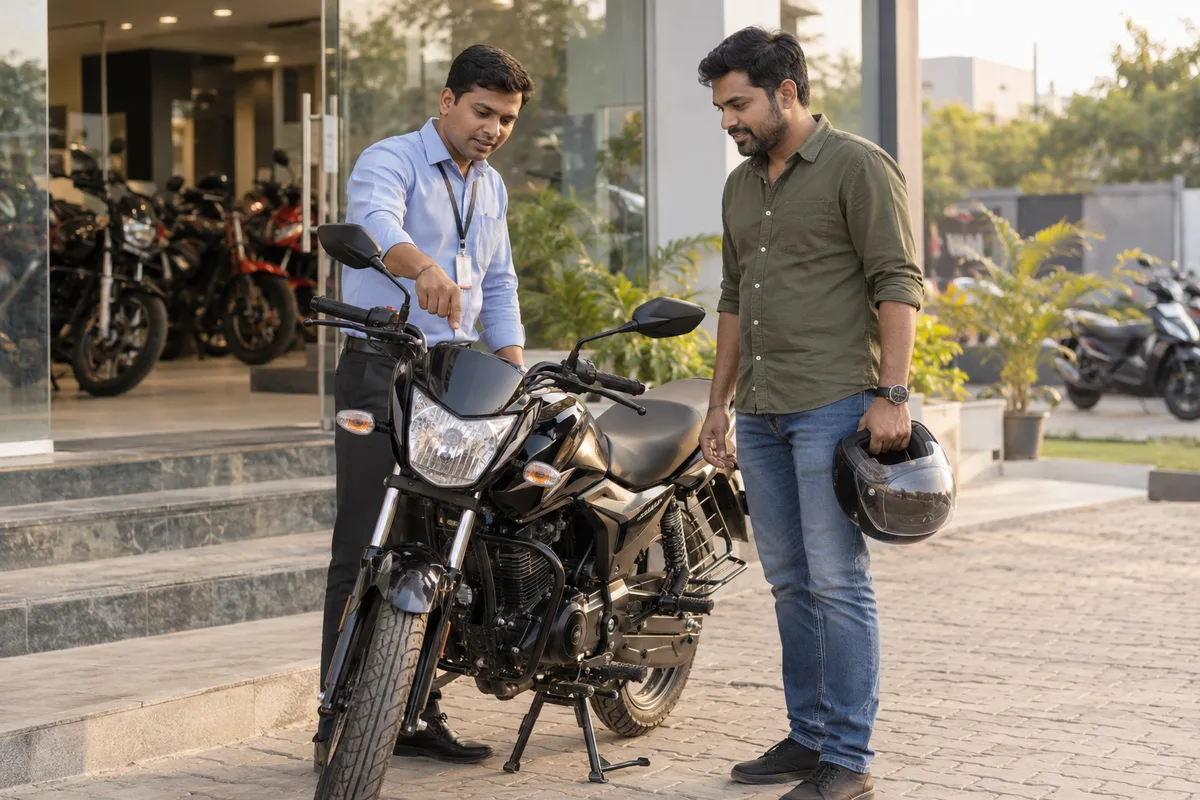
What follow up systems means
A follow-up system is the set routine for calling, messaging or emailing an enquiry more than once, since most buyers do not decide on the first conversation. GullySales sets the number and timing of follow-ups so an undecided buyer keeps hearing from you until they decide either way.
Also for used two-wheeler dealers
- Lead generation for used two-wheeler dealers
- CRM for used two-wheeler dealers
- SEO for used two-wheeler dealers
- Local SEO for used two-wheeler dealers
- Social media marketing for used two-wheeler dealers
- Content marketing for used two-wheeler dealers
- Buyer personas for used two-wheeler dealers
- WhatsApp marketing for used two-wheeler dealers
Sales and marketing for used two-wheeler dealers, the overview.
Last updated 14 Nov 2026.
For used two-wheeler dealers
Where it usually goes wrong, and what we would do.
“The first reply sets the tone”
A buyer messaging three dealers goes with the one who answers with the bike's photo, price and an invitation. A reply that says "Call me" asks the buyer to do the work. The first reply should already contain the useful answer.
“The visit is where the sale is lost”
A buyer who visits, rides the bike and leaves "to think" is a warm lead. If nobody follows up that evening or next morning, the buyer visits another yard. A set callback, with a note of what was said, keeps the thread.
“Silence has reasons”
The buyer may be waiting for a loan answer, a parent's agreement or the salary date. A follow-up that asks which of these applies gets an honest reply; one that only asks "Have you decided?" gets silence.
“Sold stock lets follow-up lapse”
When a bike sells, the other enquirers on that bike are forgotten. Those buyers still want a bike. A message offering similar stock, sent when the first is sold, turns a missed bike into a second chance.
What we do
What we deliver for used two-wheeler dealers.
The work available for this need. We agree the deliverables and responsibilities for your engagement in writing.
A reply order for every channel
Who answers marketplace, reel, profile and walk-in messages, with a saved reply for each and a rule for the night hours.
Result: Each channel has a named person.
A callback list after visits
A list produced at closing, showing who visited, which bike, what concern and when to call.
Result: No visit ends without a next step recorded.
A set of follow-up messages
Short WhatsApp messages for common cases: awaiting finance, waiting for family, price too high, bike sold.
Result: A message ready for each reason a buyer goes quiet.
A similar-stock alert
A habit of messaging every enquirer on a sold bike with comparable stock.
Result: Interest in a sold bike is routed to the nearest match.
A close-out note
A reason recorded for every lost enquiry, to see patterns in price, papers or finance.
Result: You can see why buyers did not buy.
How the result is measured
- Follow-up completion rate
- Average number of follow-ups before close
- Enquiries closed after repeat follow-up
Recorded as a baseline before work starts, so every later report has an honest comparison.
What to capture or send
Each step after an enquiry or a test ride has a reason, a message and a note on the sheet.
- First reply to a marketplace enquiry
- A reply with the price, the kilometres and a request for the buyer's visit time. Send it in the buyer's language and note the time it went.
- Buyer rode the bike and left
- A call that asks what is holding the decision: price, papers or finance. Note the reason and offer to help with the paper that worries the buyer.
- Waiting for a loan answer
- Record the lender, the date applied and the next check. Call the buyer when you have the lender's answer, not before.
- Buyer wants to bring the family
- Write the day named and keep the bike for that day if you promised. Call the day before to confirm.
- Bike sold to another buyer
- A single message to those who asked, offering one or two similar bikes. Mark the bike as sold on the sheet.
- Buyer said no
- Note the reason and stop. Keep the buyer on the stock alert list only if the buyer agreed.
Who it is for
This is written for these used two-wheeler dealers.
- Roadside and market-area multi-brand used bike dealers
- Showroom exchange counters of authorised two-wheeler dealers
- Premium used bike sellers for performance and cruiser motorcycles
- Used scooter specialists serving women and older riders
- Dealers who supply used bikes to delivery riders and gig workers
- Refurbished bike chains with several outlets
- Brokers who sell on consignment without holding stock
- Rural and semi-urban used bike dealers serving farm families
Before you decide
When this may not be the right fit.
- No one is named to own the callback list, so a routine written down would be skipped on the busy days
- You send messages from several personal phones, so no one could say what had already been told to the buyer
Before you decide
Agree the work. Know how to judge it.
Follow-up systems for used two-wheeler dealers: use these checks to prepare, choose the scope, and review what changes.
Bring the right evidence
Trace recent enquiries from arrival to the last recorded action. Include a won enquiry, an unsuitable one, and one that went quiet, with personal details removed for the initial discussion.
Make the scope clear
Agree who accepts each enquiry, what makes it qualified, and how ownership changes. Include a rule for missed replies and a clear reason for closing an enquiry.
Check the work in use
Pick an enquiry at random and ask the team to find its owner, latest conversation, and next action. Check that the record agrees with what actually happened.
Know when to change course
If no one has capacity to respond, assign that responsibility before buying more leads. Automation can support the owner, but it cannot replace an unresolved handover.
These are discussion points, not a fixed package. GullySales confirms the deliverables, responsibilities, fee, and term in writing after reading your brief and speaking with you.
Before we start
What to have ready before the work starts.
The records, access and decisions this work needs from used two-wheeler dealers. Anything missing is noted in the written scope, with who will supply it.
- Chat history from the last few months
- Bring screenshots or exports of enquiry chats, with names hidden if you prefer. They show how soon staff replied and what was said. Without them we write the routine from a description, and it will miss the habits already in place.
- A named person for each channel
- Say who answers the marketplace inbox, who answers WhatsApp and who takes calls. The routine fails if two people assume the other has replied. If the yard has only one person, we keep the routine short enough for that person to run.
- The test ride rule of the yard
- Tell us what is needed before a test ride: a licence, a deposit, a staff member riding along. The follow-up refers to it. If the rule is unclear, buyers hear different things from different staff, and the callback may promise a ride you cannot give.
- A mark for buyers who refuse contact
- A buyer who asks to stop must be recorded, and every message checks that mark. Decide where it lives. Without it, a message goes to someone who refused, and the complaint reaches the buyer's friends before it reaches you.
- Stock photographs ready to send
- Each bike should have a set of photographs that can be sent in a chat at once. Staff cannot send what is not saved. If bikes lack pictures, the reply waits while someone goes to the yard, and the buyer replies to another dealer first.
How it works
How the follow up systems work runs
The work itself, in order. How an engagement starts, from your brief to a written scope, is set out on our method page.
- 1
Read how a quiet buyer is handled today
We ask the counter staff what happens to a buyer who enquired and then went silent. You show us a few chats from the last month and tell us which ended in a sale. We look at what was sent and when, and who did the sending.
- 2
Set the reply order for each channel
Messages come through the marketplace, WhatsApp, calls and walk-ins. We agree which is answered first, by whom and with what. You decide the cover person for a staff member's day off. The order is written on a card kept at the counter.
- 3
Write the callback list after a visit
Every buyer who visited or test rode gets a note of what they liked and what held them back, written the same day. We design the list with you so a staff member can fill it in at the counter. The next morning, the list tells you whom to call and what to say.
- 4
Draft messages for the stages of silence
We write short messages for a buyer who went quiet after a price, after a ride or after a papers question. You approve the wording and cut anything that sounds like pressure. Each message offers one useful thing, such as a photo of the bike or the status of the papers.
- 5
Add the similar-stock alert and the close-out note
When a bike a buyer liked is sold, the buyer gets a message about a similar one. A bike that is sold also gets a note recording who bought it and what finally decided it. You choose who writes them, and we check the notes carry the information the next sale needs.
- 6
Review the routine against the first figures
We compare the callback outcomes with the starting counts: enquiries answered, visits repeated, test rides and bikes sold. You tell us which messages produced replies and which produced none. We change the wording and the order based on those answers.
Where this fits
Three pieces of sales work, in this order.
This work sits inside sales process design, at stage 2, qualification. The audit comes before it, and sales management keeps it running.
Step 1
Sales audit
Find where deals are being lost and what to fix first.
Start here if you cannot say where orders are lost.
Step 2 · you are here
Sales process design
One written way to sell, from first enquiry to repeat order.
Start here if every salesperson sells differently.
Step 3
Sales management
A target, a review routine and someone who owns the number.
Start here if the team has targets and no routine.
FAQ
Questions owners ask before they call.
Not here? More answers, or ask on WhatsApp.
How many times should we follow up?
Is it pushy to call after a test ride?
Can automation do the follow-up?
What do we do about a buyer who goes quiet after a ride?
Who should make the callback after a test ride?
How do we respond to a buyer who purchased from another dealer?
How much does it cost?
How long is the contract?
How soon will we see results?
Who will actually do the work?
More for used two-wheeler dealers
Related work to consider.
Closest to this: leads and follow-up
Also for used two-wheeler dealers
Or start from the overview: sales and marketing for used two-wheeler dealers.
Your next practical step
Tell us what you are trying to grow, and we will read it before we call.
Eight short steps, mostly taps. Skip anything you would rather answer on the call.